01 — The drop test
Every style passes three honest checks.
A style ships only if we can write 200 honest words about it, name three verifiable pioneers, and point to a contemporary revival people are actually searching for. Anything less, we drop.
100 styles, each one researched, written, and tested by a human. No 1000+ list. No autogenerated tags. If a style isn't worth your time, it isn't here.
01 — The drop test
A style ships only if we can write 200 honest words about it, name three verifiable pioneers, and point to a contemporary revival people are actually searching for. Anything less, we drop.
02 — No filler
We capped Phase 1 at a hand-curated batch. The catalog will grow when the demand case is real, not when a competitor launches a number.
03 — Opinionated
We tell you when not to use a style. We name its limitations. We link the best models for it from FairStack's catalog. We're not pretending neutrality.
A small set of styles we've been leaning on lately. Rotates as the catalog grows. Not paid placement — we don't sell placement.
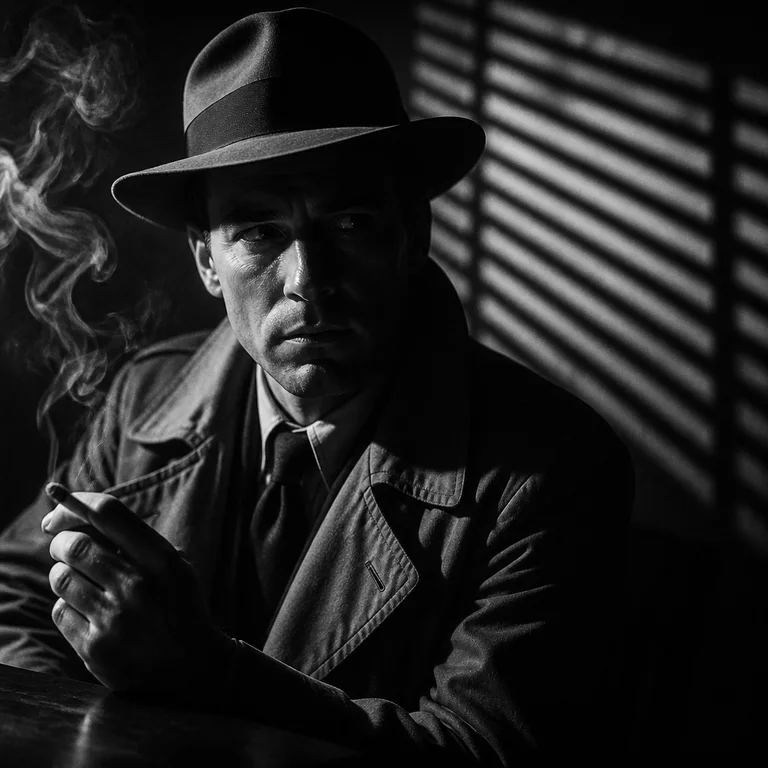
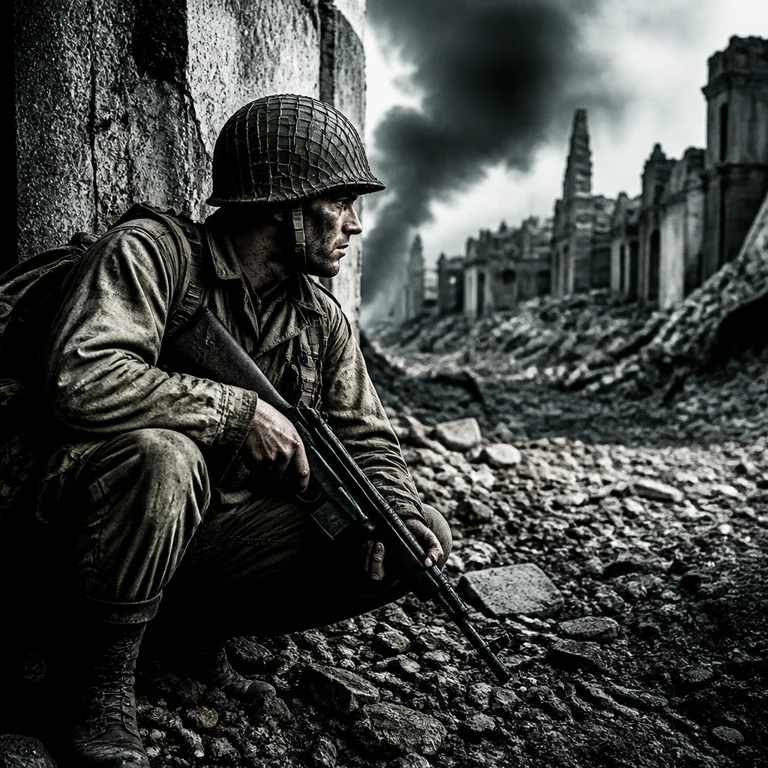
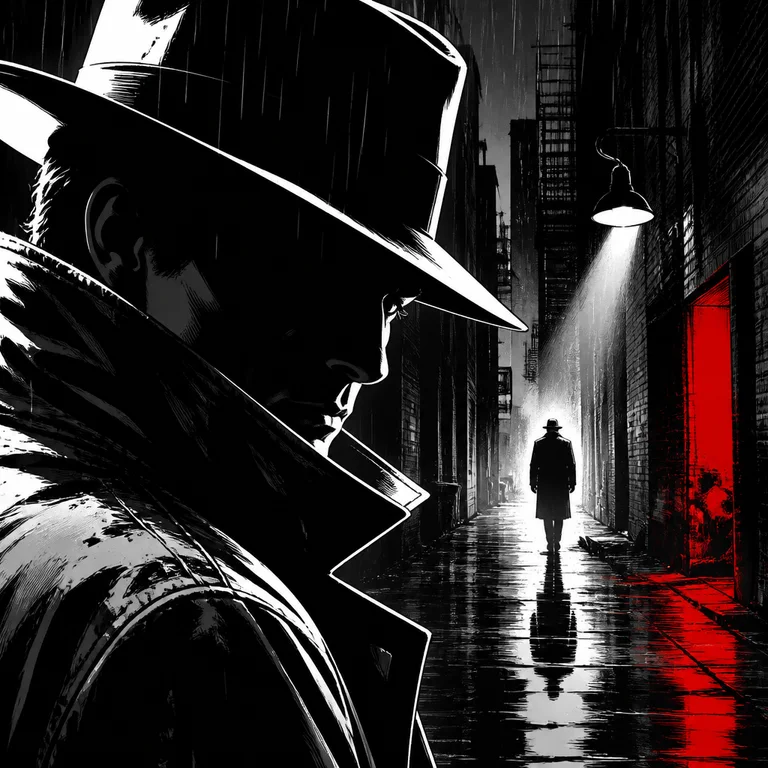
Film noir is not just "black and white." It is a specific photographic grammar built in 1940s Hollywood out of three constraints — German…
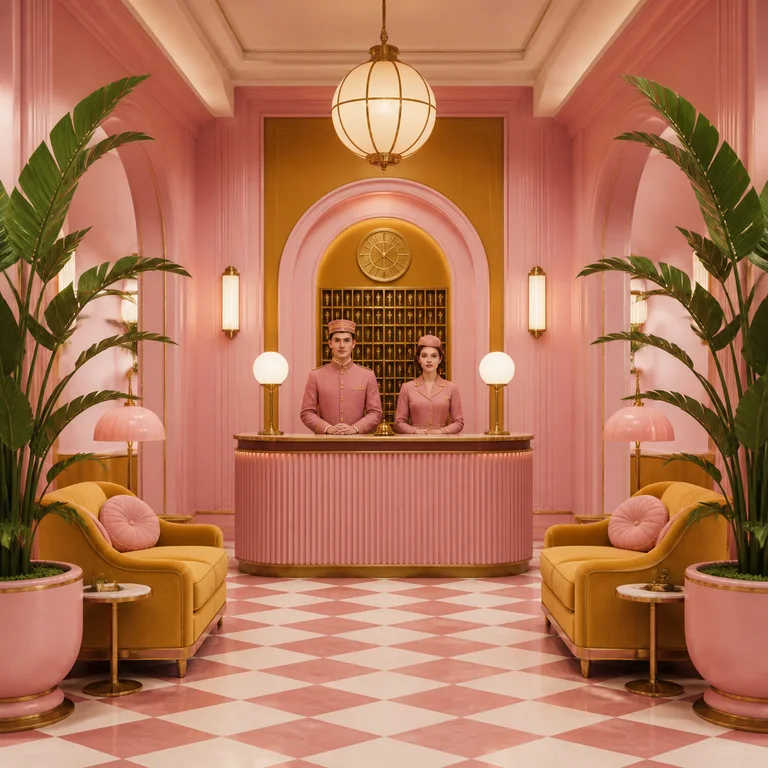
Open styleWes Anderson's visual language is the most imitated in contemporary cinema for a reason: it is rule-based and easy to identify. The rules…
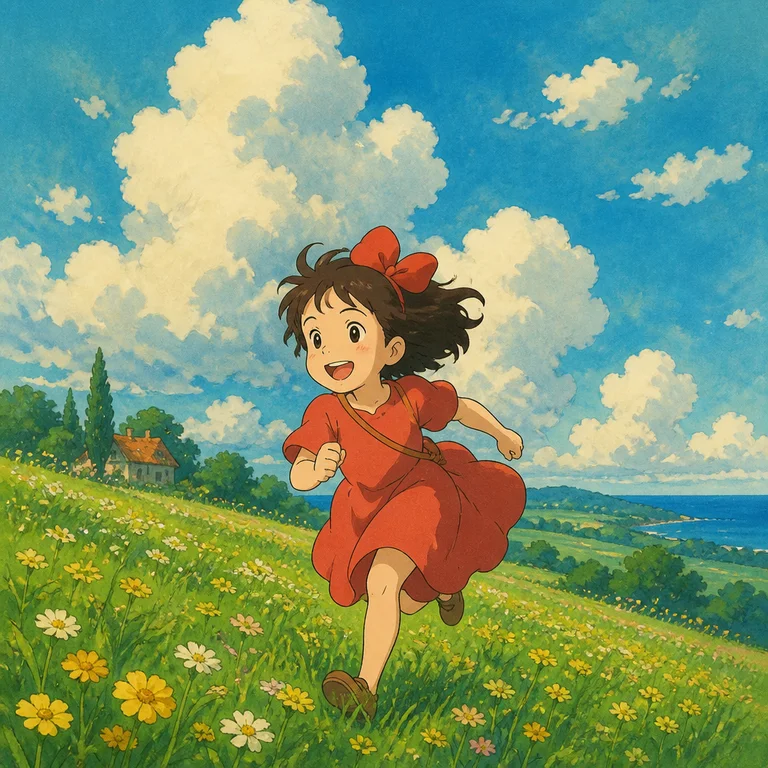
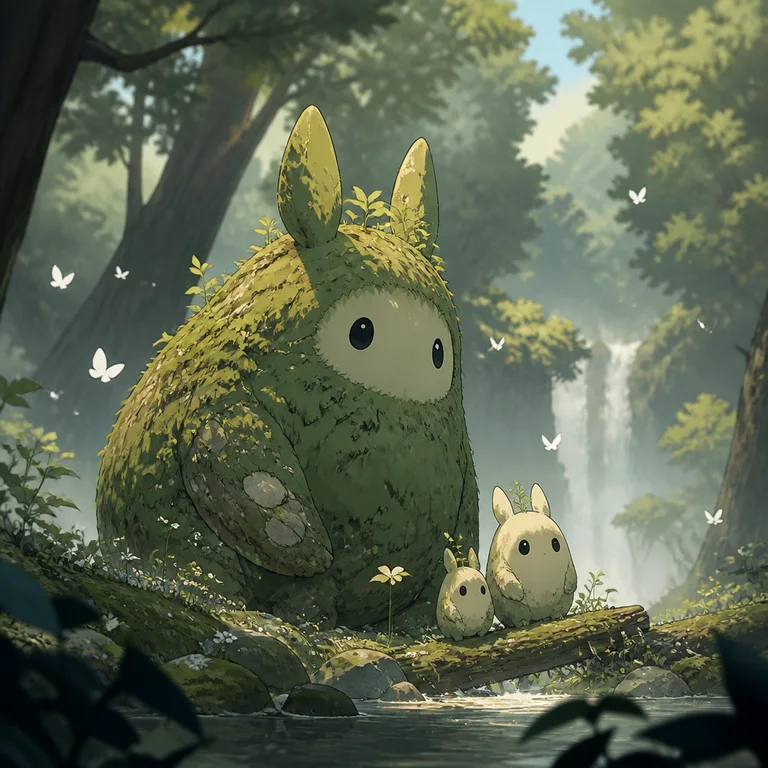
Open styleStudio Ghibli's films share a visual identity that has held remarkably steady from Castle in the Sky (1986) through The Boy and the Heron…
Open style35mm film photography is the look of the dominant consumer and editorial photographic format of the second half of the twentieth century.…
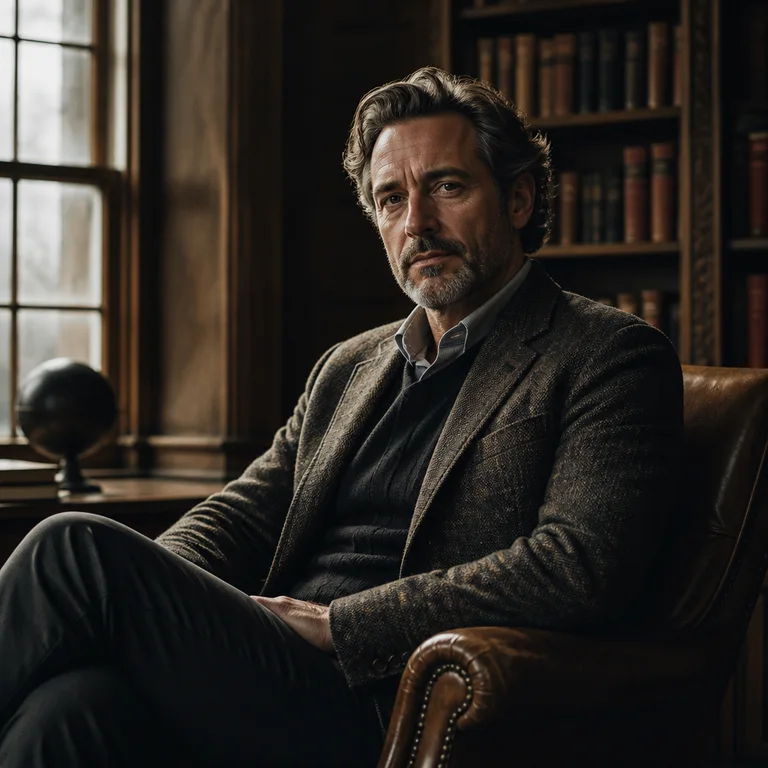
Open styleAnnie Leibovitz's portrait work for Rolling Stone (1970–1983) and Vanity Fair (1983–present) defined what a contemporary celebrity portra…
Open styleArchViz (architectural visualization) is the industry-standard 3D rendering style used by architecture firms, real-estate developers, and…
Open styleBleach bypass (also called skip-bleach or ENR after Technicolor's named process variant) is a film-chemistry technique where the bleachin…
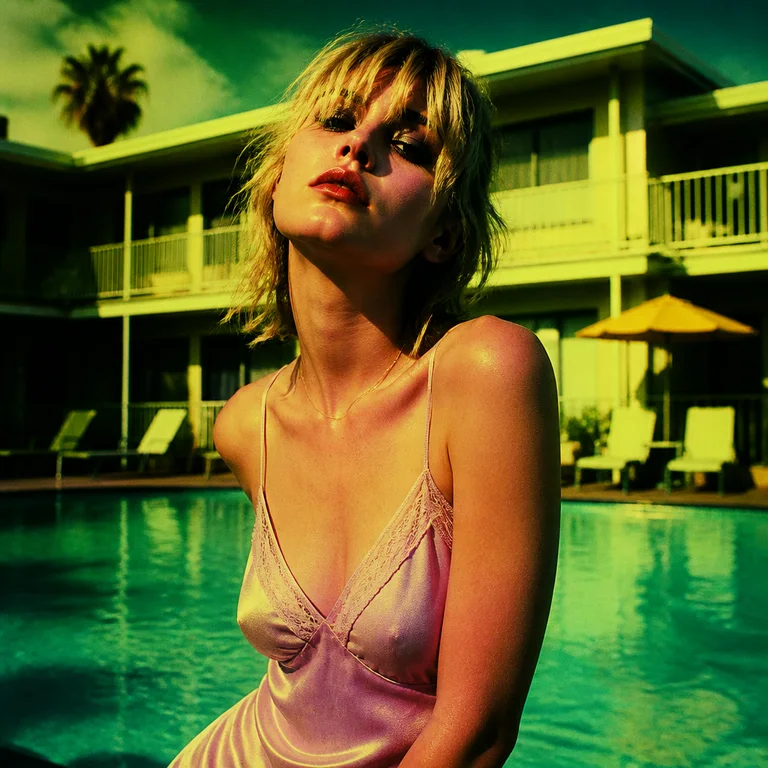
Open styleCross-processing is the deliberate misuse of film chemistry: developing color slide film (E-6 process) in negative-film chemistry (C-41)…
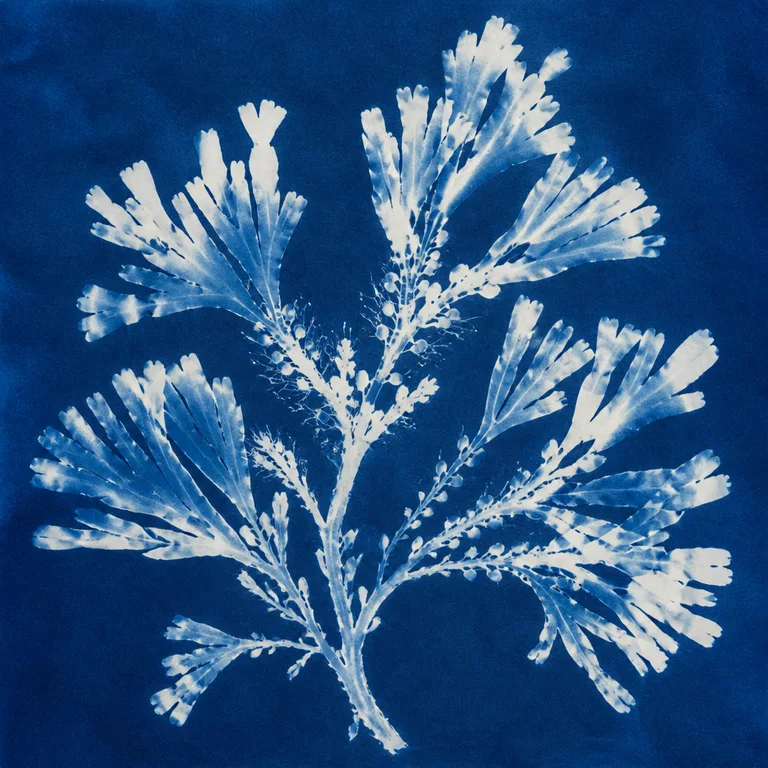
Open styleA cyanotype is a 19th-century photographic printing process — paper coated with ferric ammonium citrate and potassium ferricyanide, expos…
Open styleThe cyanotype process was invented by Sir John Herschel in 1842 and used almost immediately by the botanist Anna Atkins to produce Photog…
Open styleDaido Moriyama's photographs of postwar Tokyo are the most influential street photography to come out of Japan. The visual signature is e…
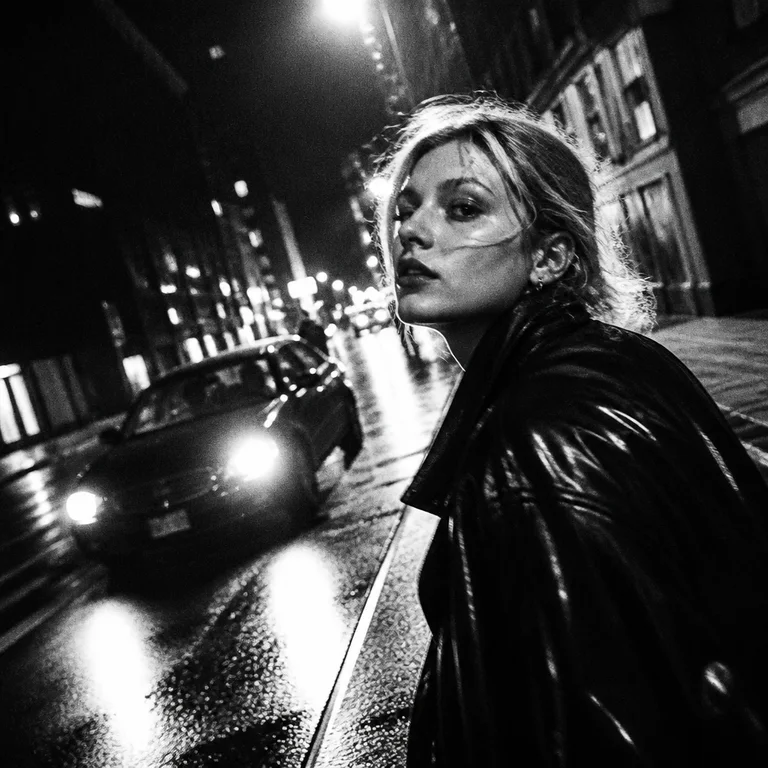
Open styleFilm noir is not just "black and white." It is a specific photographic grammar built in 1940s Hollywood out of three constraints — German…
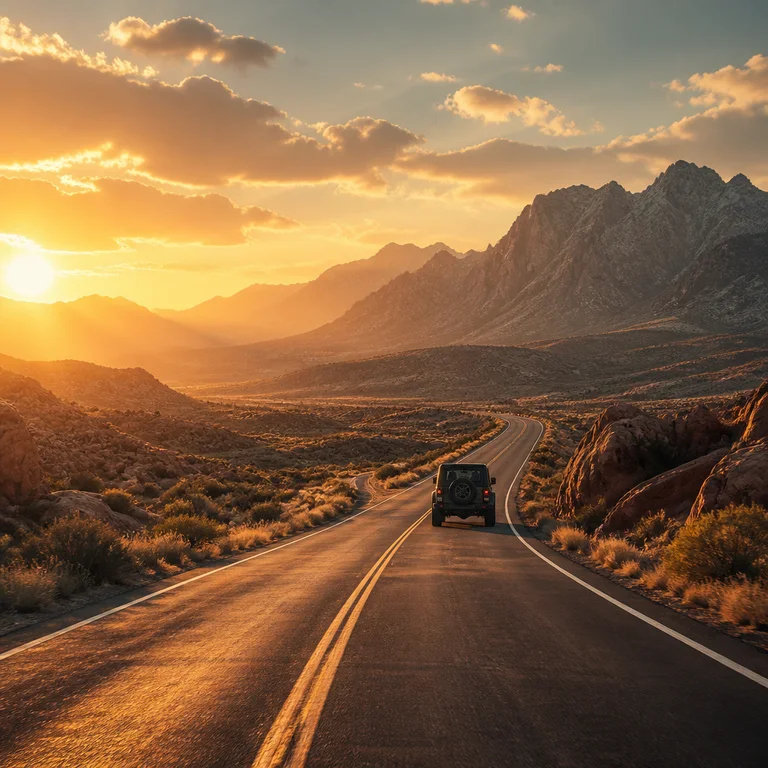
Open styleGolden hour is the roughly 60 minutes after sunrise and before sunset when the sun is low enough that its light passes through more atmos…
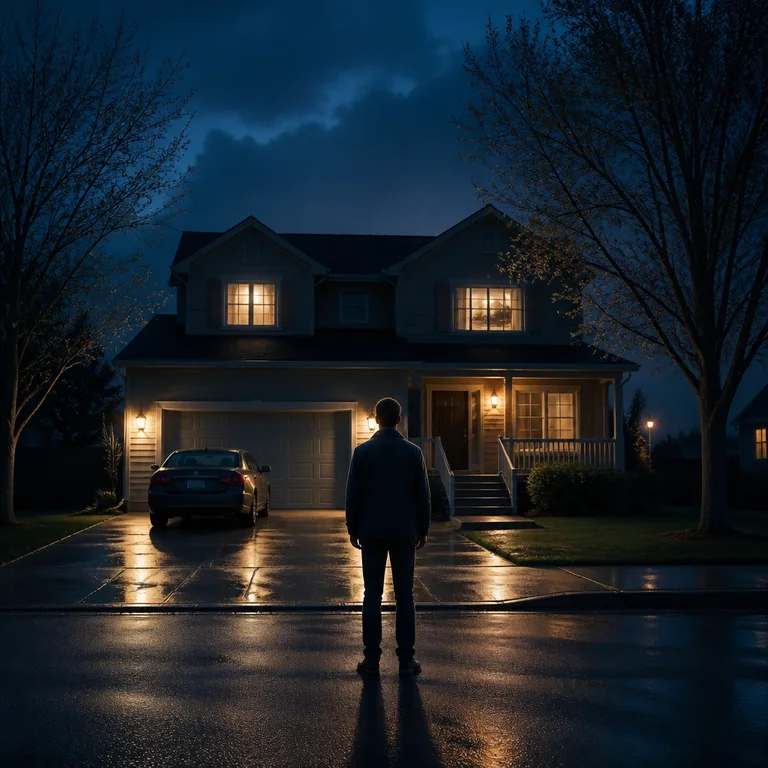
Open styleGregory Crewdson makes photographs that look like single frames from films that don't exist. Each image is shot on a soundstage or locati…
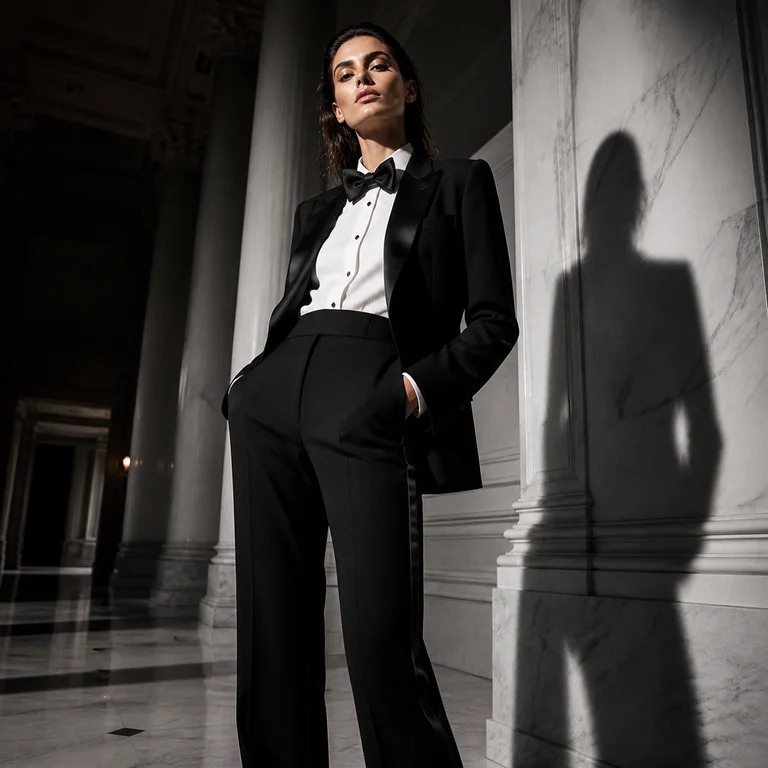
Open styleHelmut Newton shot fashion photography between roughly 1961 and his death in 2004 with a vocabulary borrowed from film noir, Surrealism,…
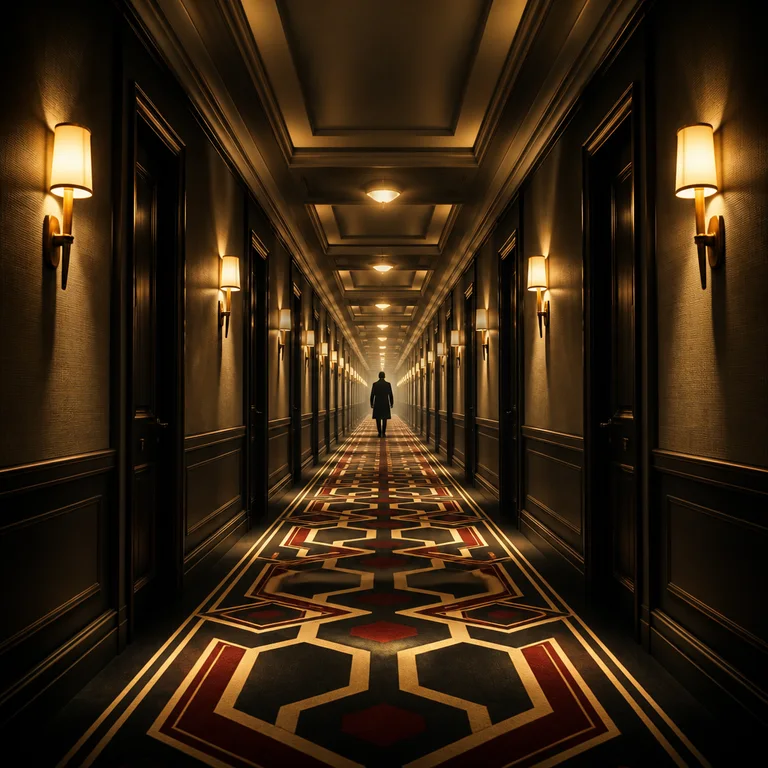
Open styleStanley Kubrick's visual signature is the most analyzed in cinema history and the most replicable in still imagery. The shorthand is "one…
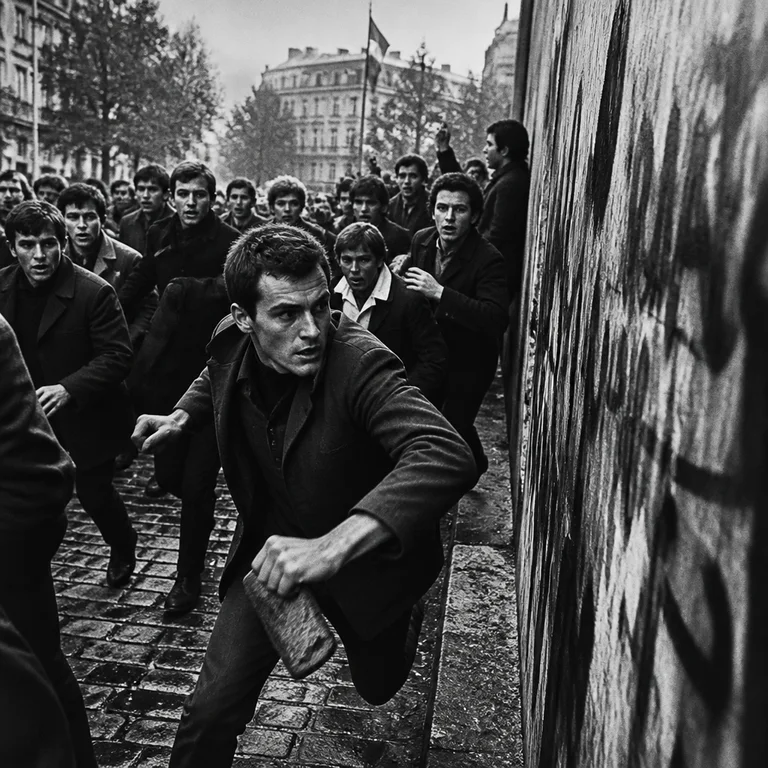
Open styleMagnum Photos was founded in 1947 by Henri Cartier-Bresson, Robert Capa, David "Chim" Seymour, and George Rodger as a photographer-owned…
Open styleNational Geographic's photographic identity formed roughly between Steve McCurry's 1985 Afghan Girl cover and Sebastião Salgado's Genesis…
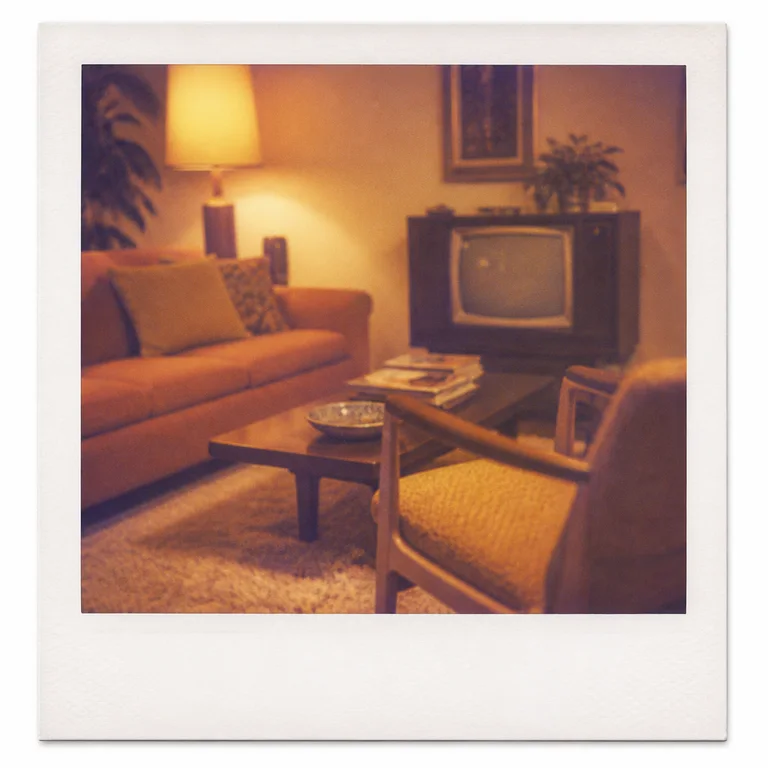
Open stylePolaroid and instant film share three properties no digital filter has fully reproduced: a chemical color cast that drifts toward magenta…
Open styleRoger Deakins is the most decorated living cinematographer (16 Oscar nominations, 2 wins for Blade Runner 2049 and 1917) and the most imi…
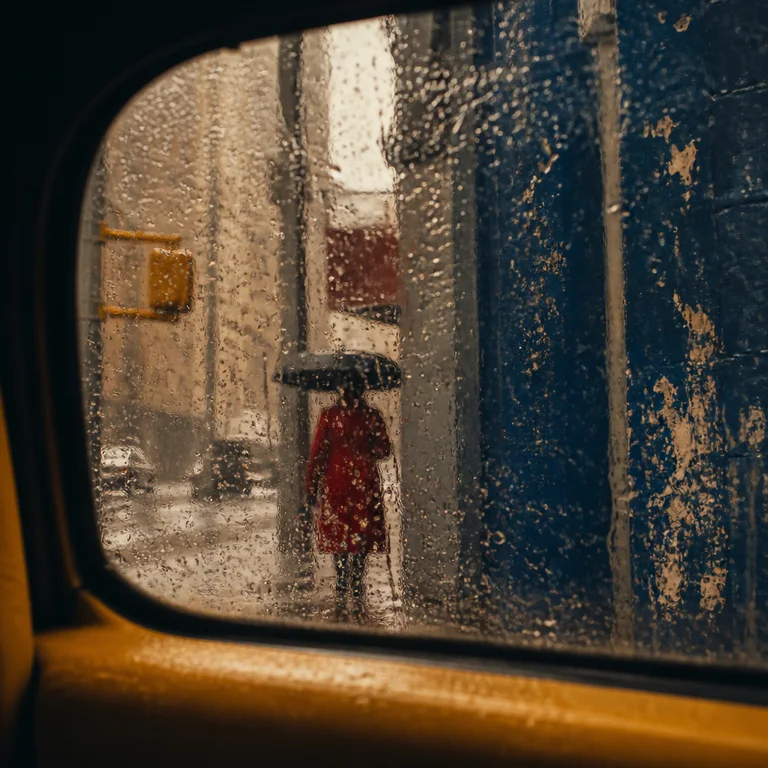
Open styleSaul Leiter shot color street photography in New York from the late 1940s through the 1970s while almost nobody else was — Walker Evans a…
Open styleSofia Coppola's visual signature across her eight feature films — The Virgin Suicides (1999), Lost in Translation (2003), Marie Antoinett…
Open styleSpike Lee's visual signature includes the most distinctive single shot in modern American cinema: the "double dolly," in which the camera…
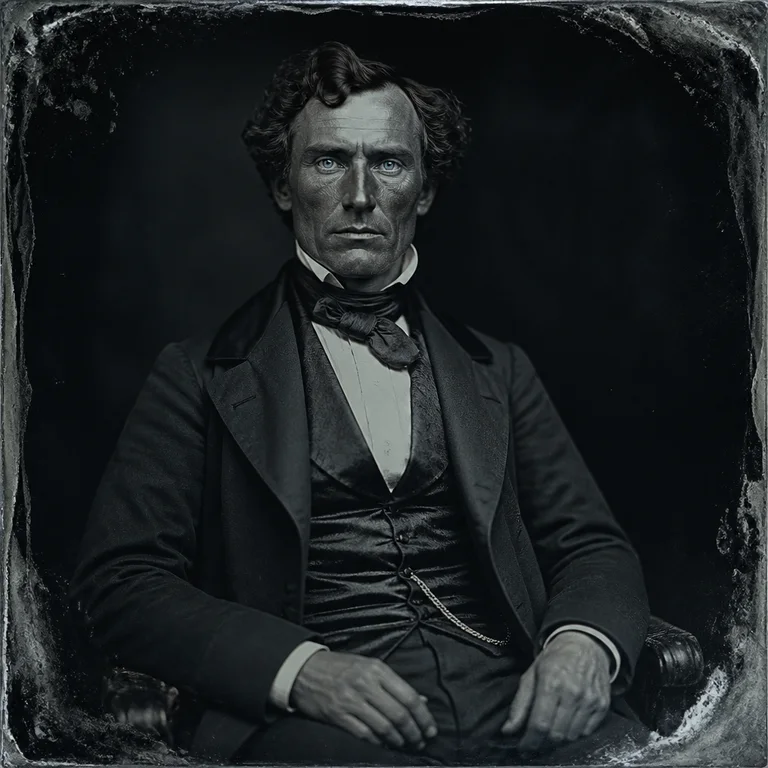
Open styleThe wet-plate collodion process was invented by Frederick Scott Archer in 1851 and was the dominant photographic process from roughly 185…
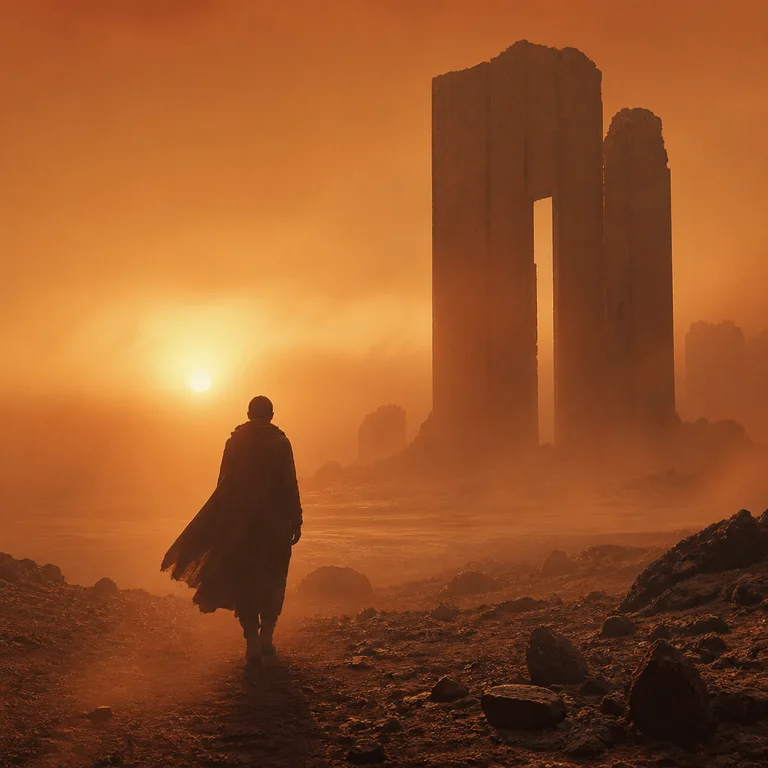
Open styleDenis Villeneuve's science fiction films — Arrival (2016), Blade Runner 2049 (2017), Dune (2021), Dune: Part Two (2024) — have establishe…
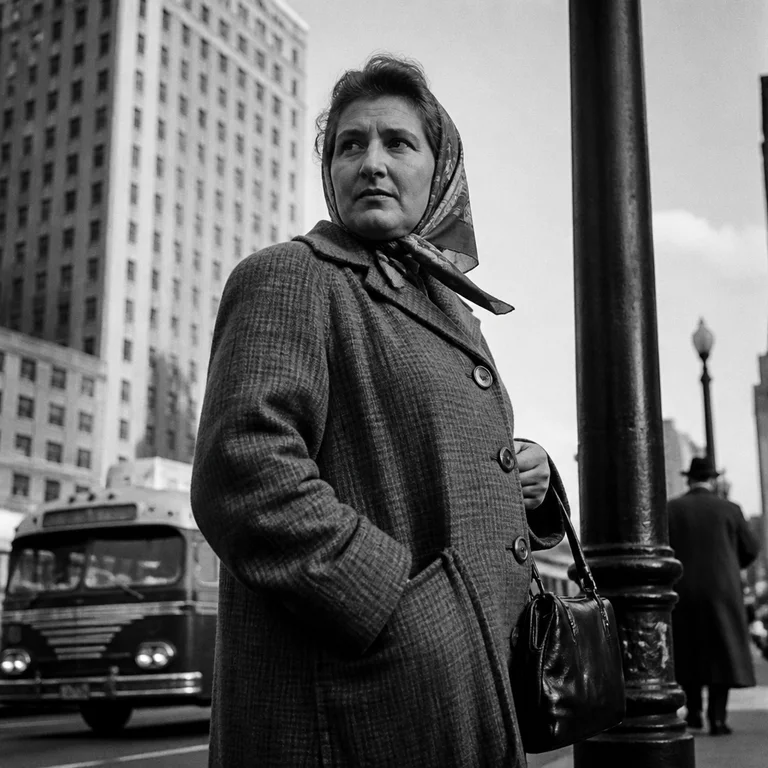
Open styleVivian Maier worked as a nanny in Chicago and New York from the 1950s through the 1990s and shot roughly 150,000 photographs that nobody…
Open styleWes Anderson's visual language is the most imitated in contemporary cinema for a reason: it is rule-based and easy to identify. The rules…
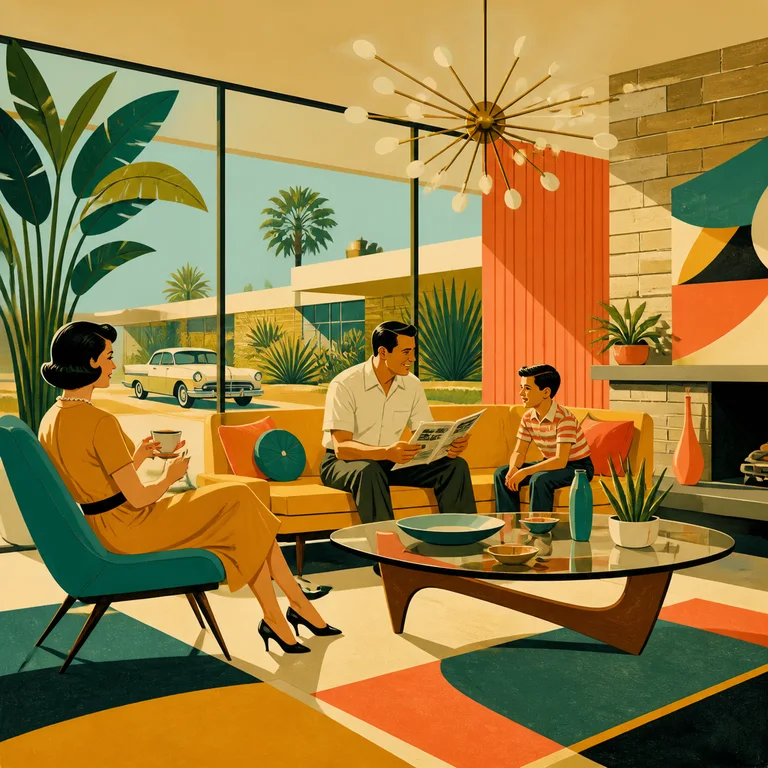
Open styleMid-century modern is the visual language of postwar American optimism, roughly 1947 to 1965, born in California, Scandinavia, and Italy…
Open styleBotanical scientific illustration is the four-century discipline of rendering a plant accurately enough to identify the species while mak…
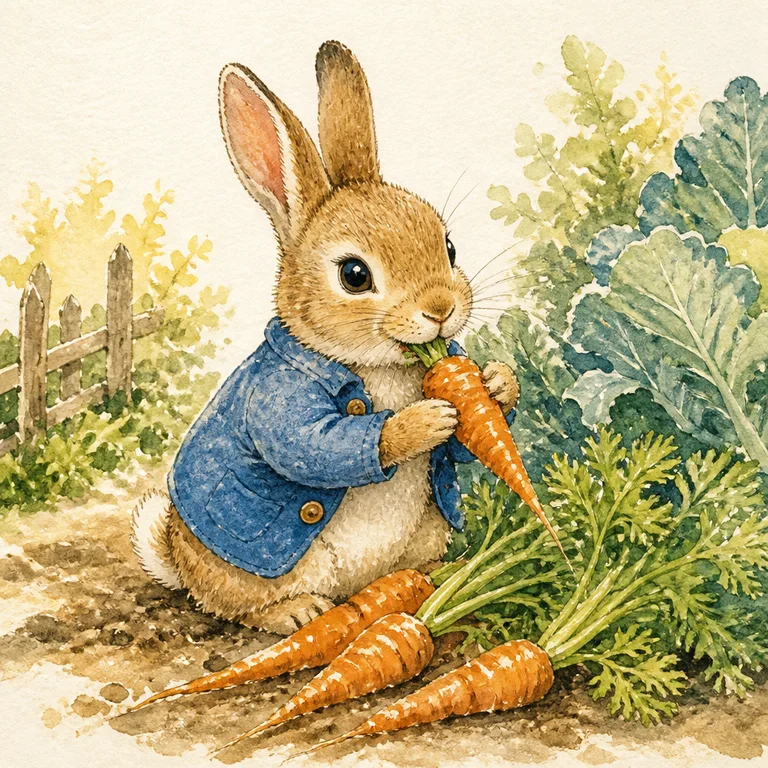
Open style"Children's book watercolor" is not one style — it is a continuous tradition stretching from Beatrix Potter's Peter Rabbit (1902) through…
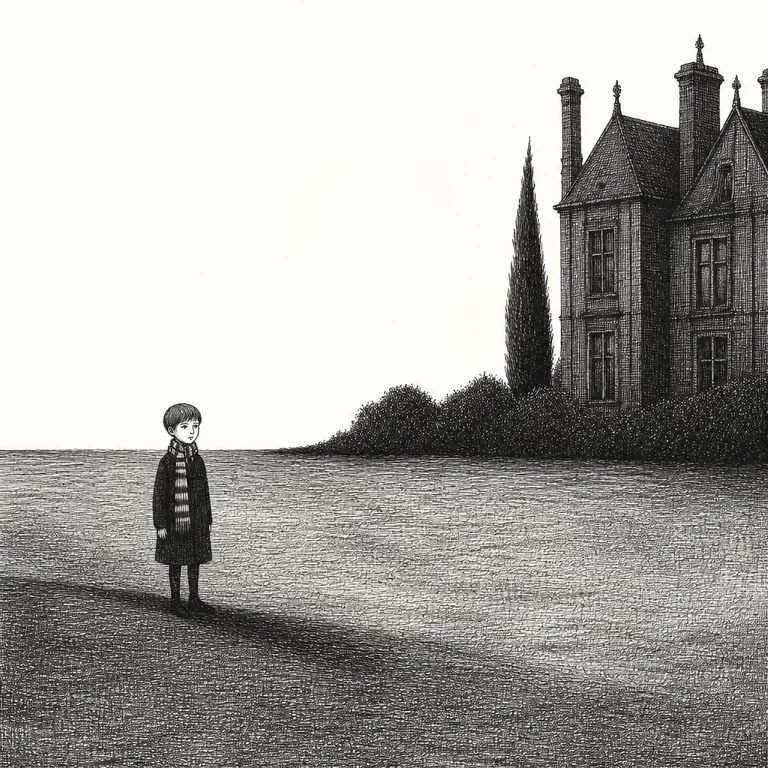
Open styleEdward Gorey produced more than 100 small books between 1953 and his death in 2000, each one set in a faintly Edwardian elsewhere and ren…
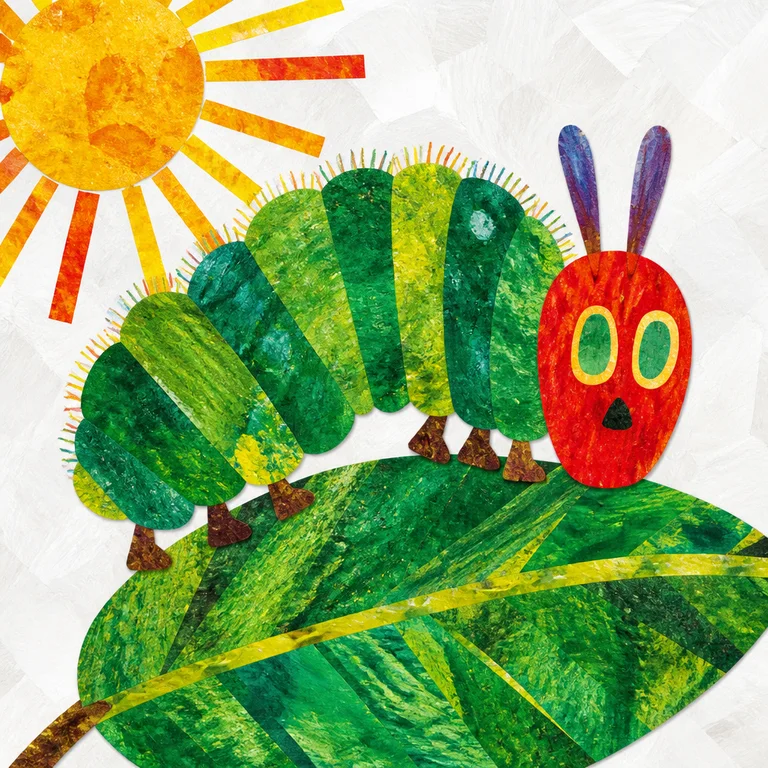
Open styleEric Carle's method was specific and physical: he painted large sheets of tissue paper by hand with acrylics — splatters, brushwork, fing…
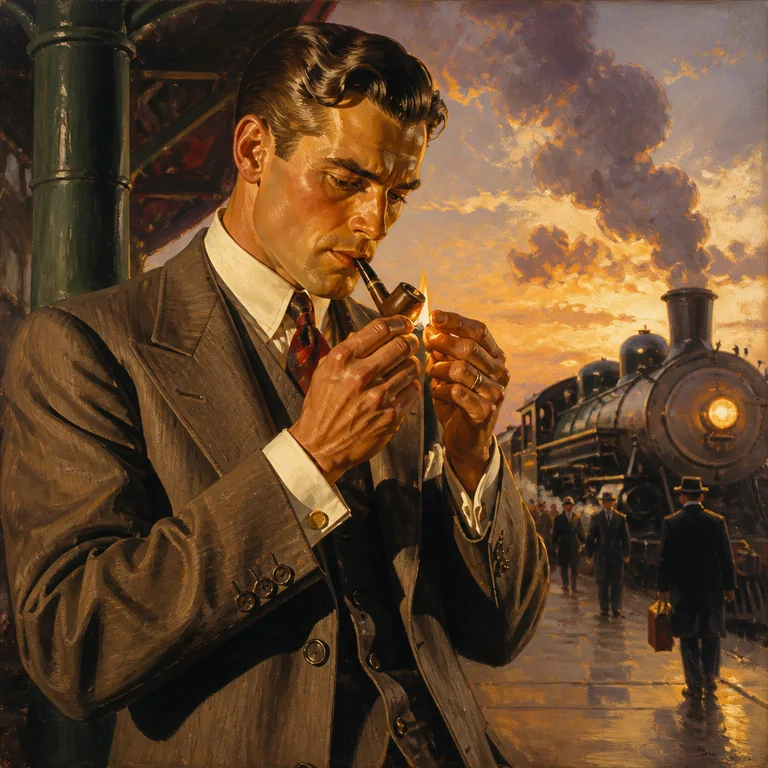
Open styleGolden Age illustration is the painted American narrative illustration that filled magazine covers, advertising, and book plates from rou…
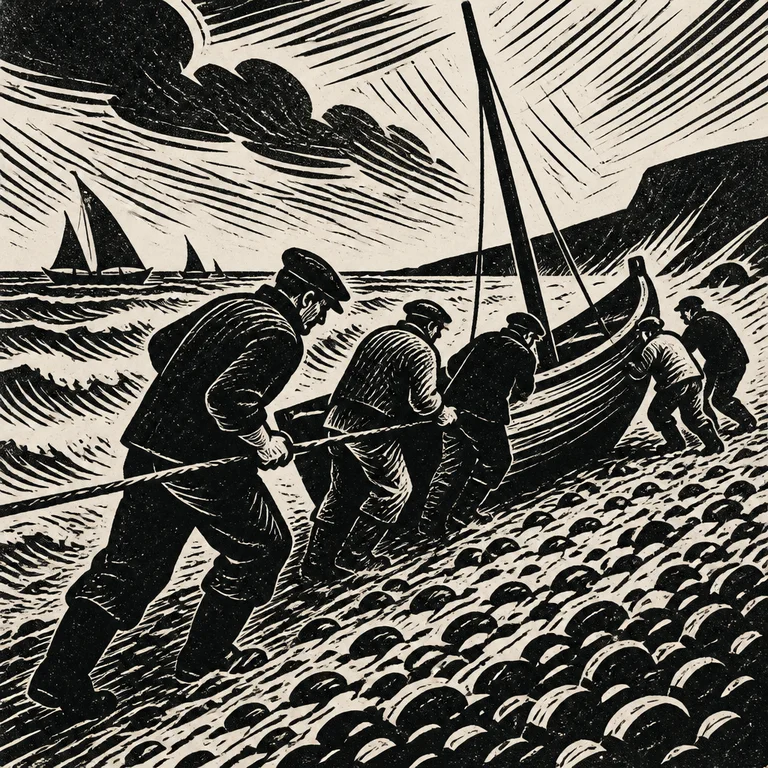
Open styleLinocut relief print is the look of an image cut into linoleum, inked, and pressed onto paper — a reductive medium where everything you s…
Open styleMary Blair's concept art for Disney between 1940 and 1965 — Cinderella, Alice in Wonderland, Peter Pan, and the It's a Small World ride —…
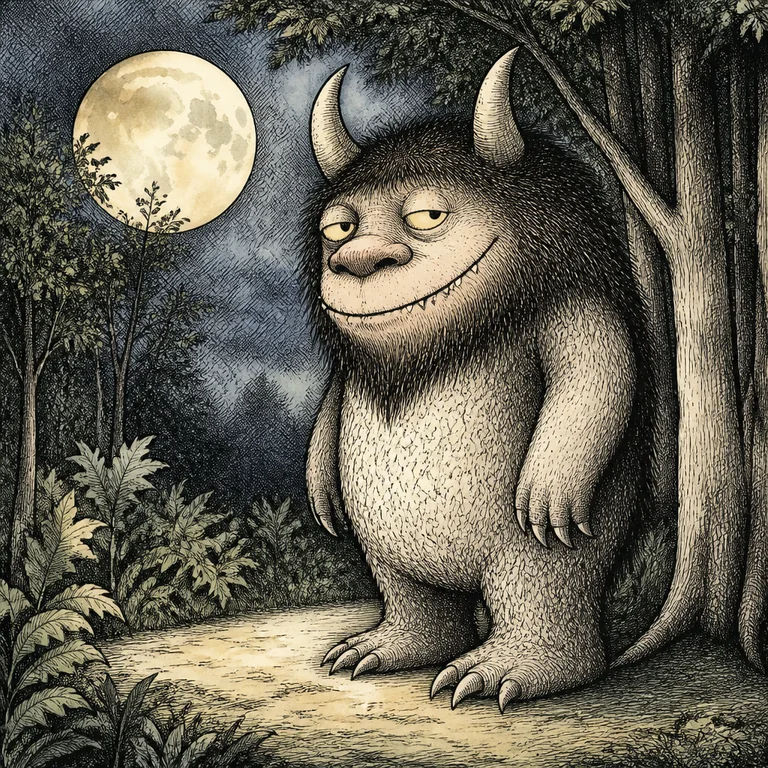
Open styleMaurice Sendak's mature style — Where the Wild Things Are (1963), In the Night Kitchen (1970), Outside Over There (1981) — is built on de…
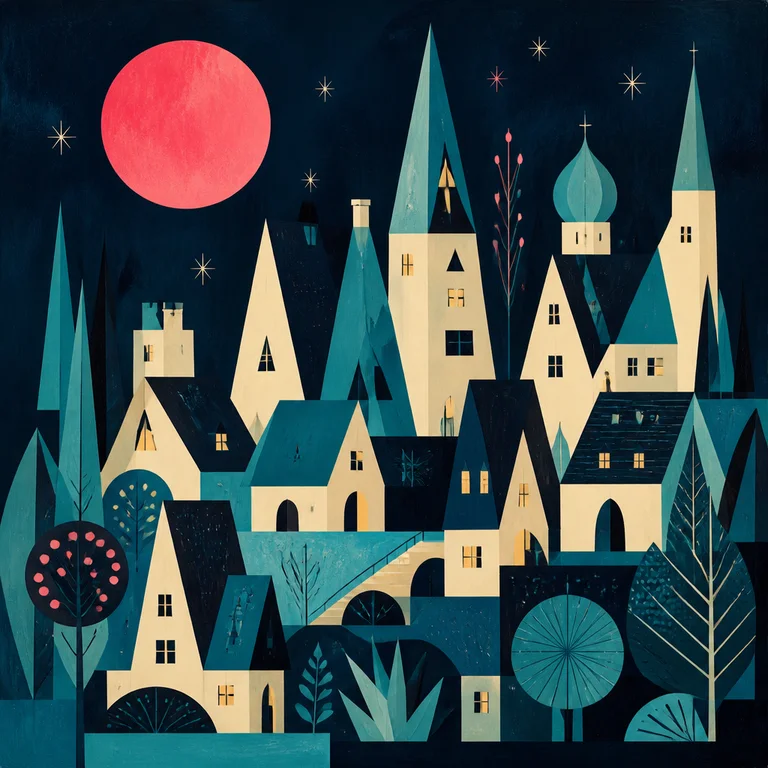
Open styleMid-Century Graphic Illustration is the flat, witty, geometry-driven American commercial illustration of roughly 1948–1965 — the look of…
Open styleMilton Glaser Pop is the warm, eclectic, idea-first American graphic illustration that came out of Push Pin Studios from 1954 onward — th…
Open styleMixed photography and sketch is the deliberate combination of photographic imagery with hand-drawn ink, graphite, watercolor, or marker o…
Open styleMoebius — Jean Giraud's pseudonym for his Métal Hurlant work from 1974 onward — is the single most influential European comics artist of…
Open styleThe New Yorker has run editorial illustration and cartoons in a coherent visual language for nearly a century. The style is not one artis…
Open styleQuentin Blake's illustrations for Roald Dahl — The BFG, Matilda, The Witches, James and the Giant Peach, Charlie and the Chocolate Factor…
Open styleRisograph is a Japanese stencil-duplication printing technology (Riso Kagaku, since 1986) that was originally designed for cheap school n…
Open styleStudio Ghibli's films share a visual identity that has held remarkably steady from Castle in the Sky (1986) through The Boy and the Heron…
Open styleTechnical cutaway illustration is the explanatory picture that slices a building, machine, or body open so you can see how it works — the…
Open styleUnderground comix (the "x" spelling is original to the movement, used to distinguish from mainstream Comics Code-approved comic books) em…
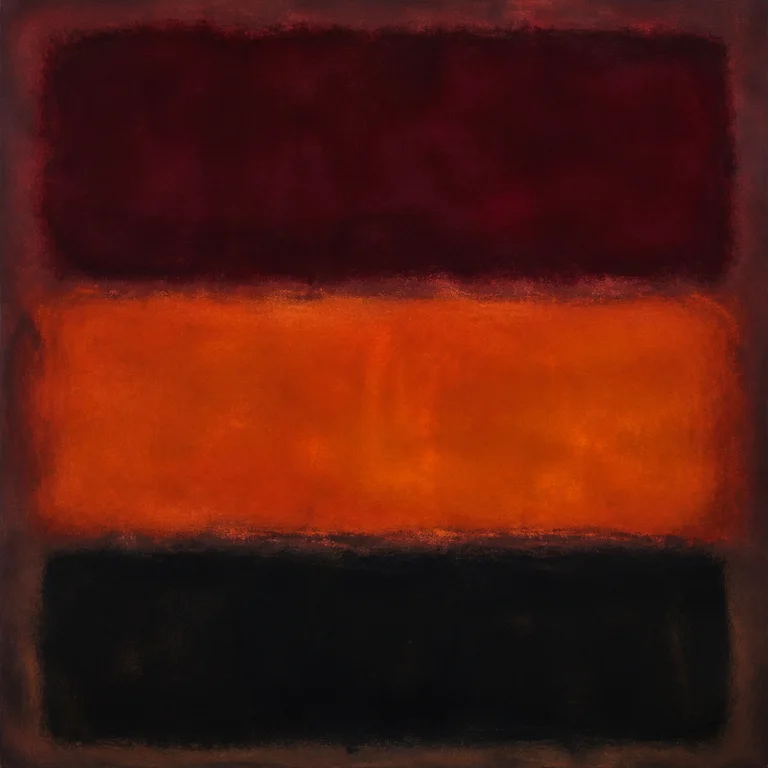
Open styleAbstract Expressionism was the first internationally dominant American art movement, centered in New York from roughly 1945 to 1960. It s…
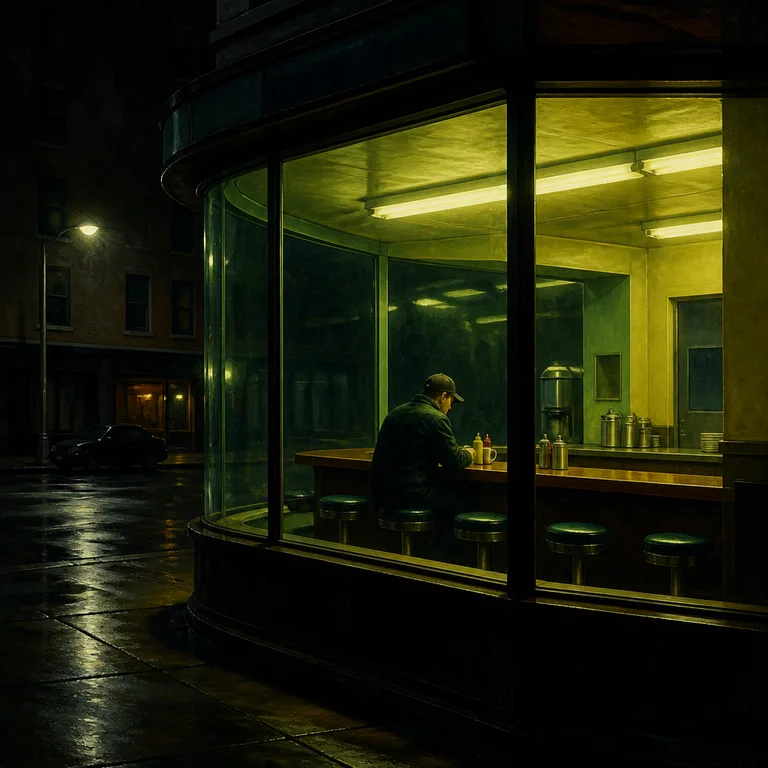
Open styleEdward Hopper is the canonical American Realist of the twentieth century, and his particular contribution is a vocabulary for painted lon…
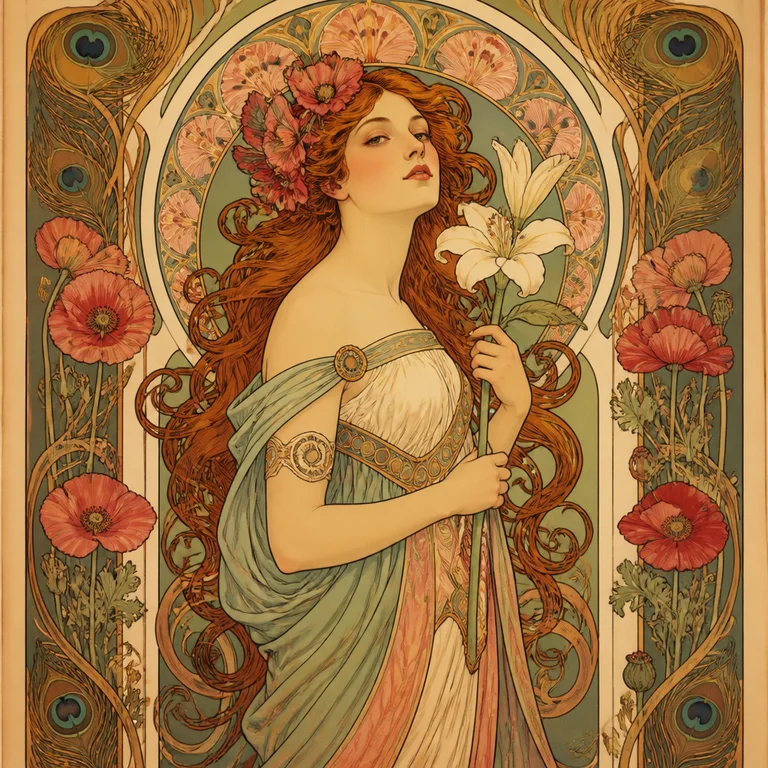
Open styleArt Nouveau was a decorative-arts movement that swept Europe and the United States between roughly 1890 and 1910. Within visual art, the…
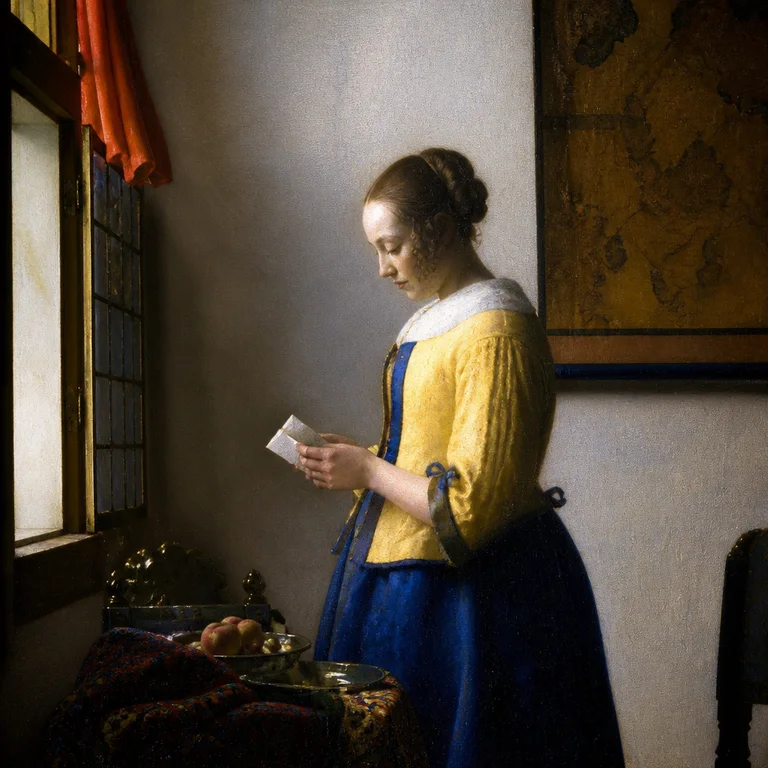
Open styleThe Dutch Golden Age (roughly 1620–1680) produced an unusually coherent body of small, intimate, light-driven paintings. Within that move…
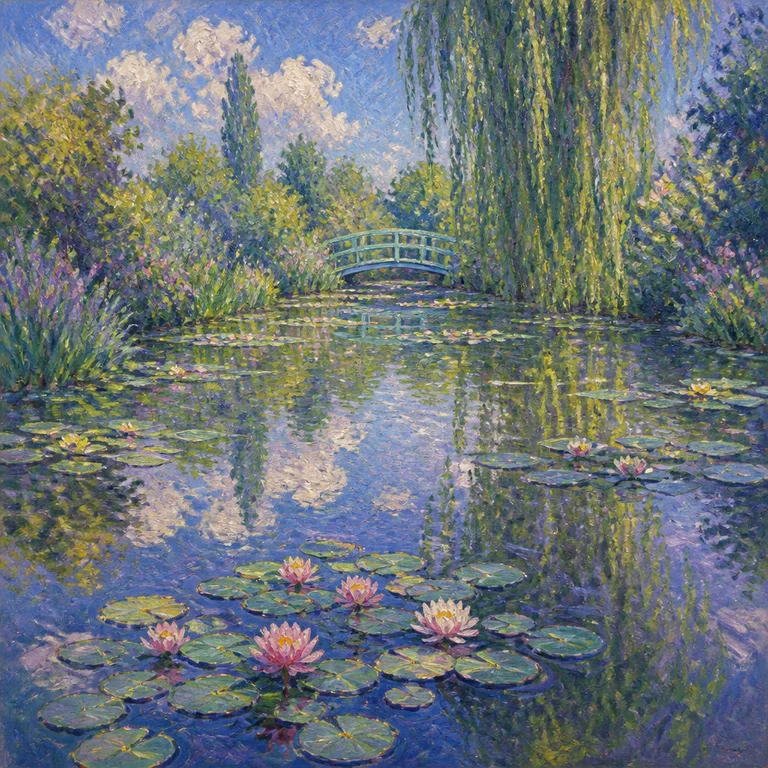
Open styleImpressionism (1872–1886, peak years) was the first movement to take painting outside the studio and treat the act of seeing — not the ac…
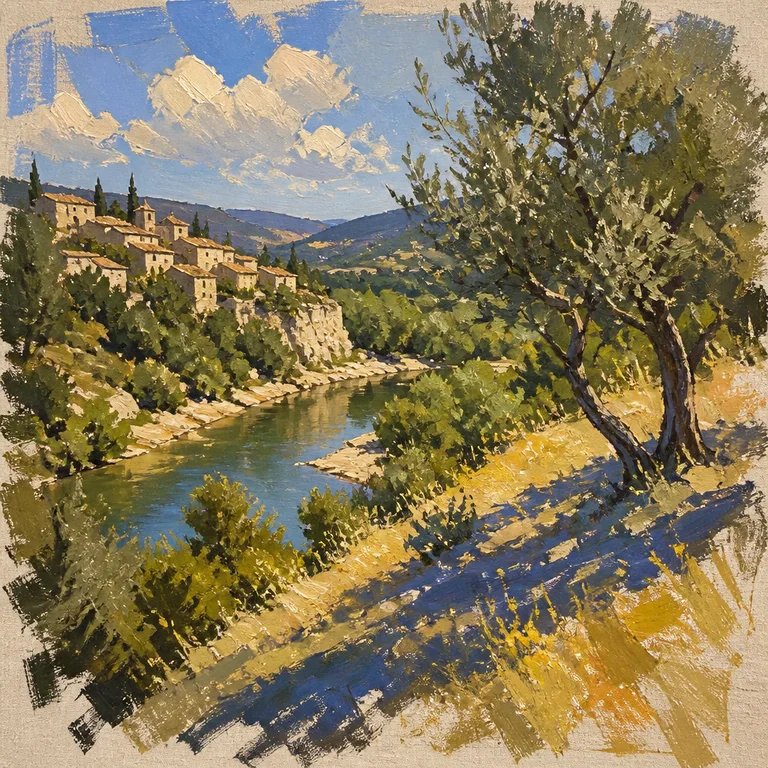
Open stylePlein air ("in the open air") painting is the practice of painting a landscape in front of the landscape — directly, in one or two sittin…
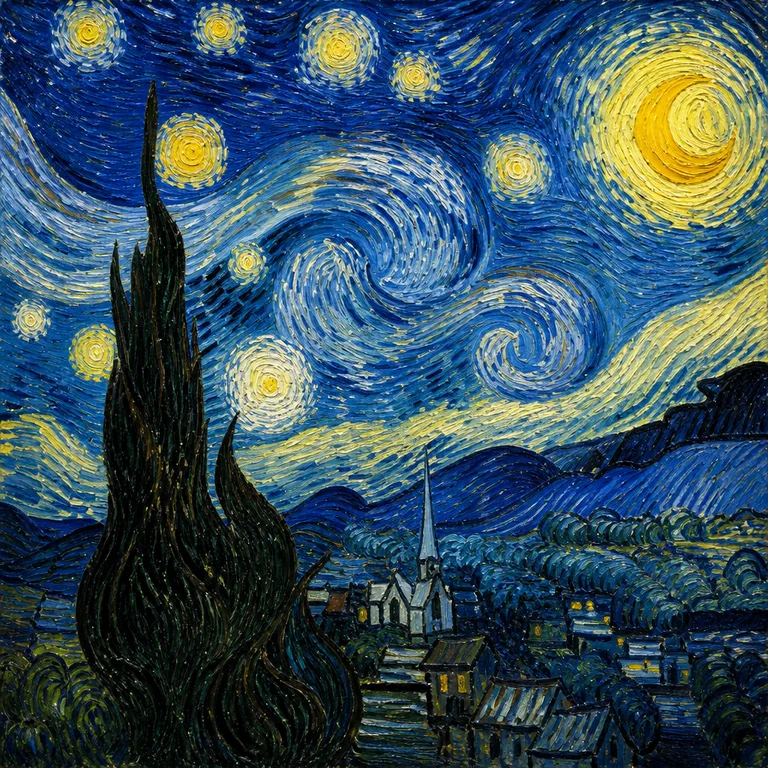
Open stylePost-Impressionism was the loose collection of painters (1886–1905) who accepted the Impressionists' premise — broken color, painted in t…
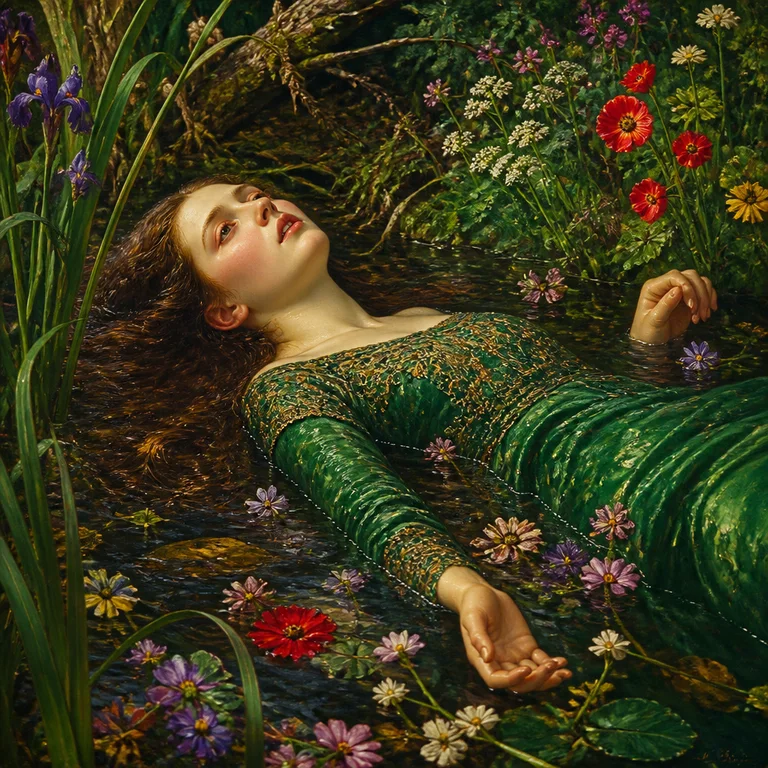
Open styleThe Pre-Raphaelite Brotherhood was a small group of British painters — initially Dante Gabriel Rossetti, John Everett Millais, and Willia…
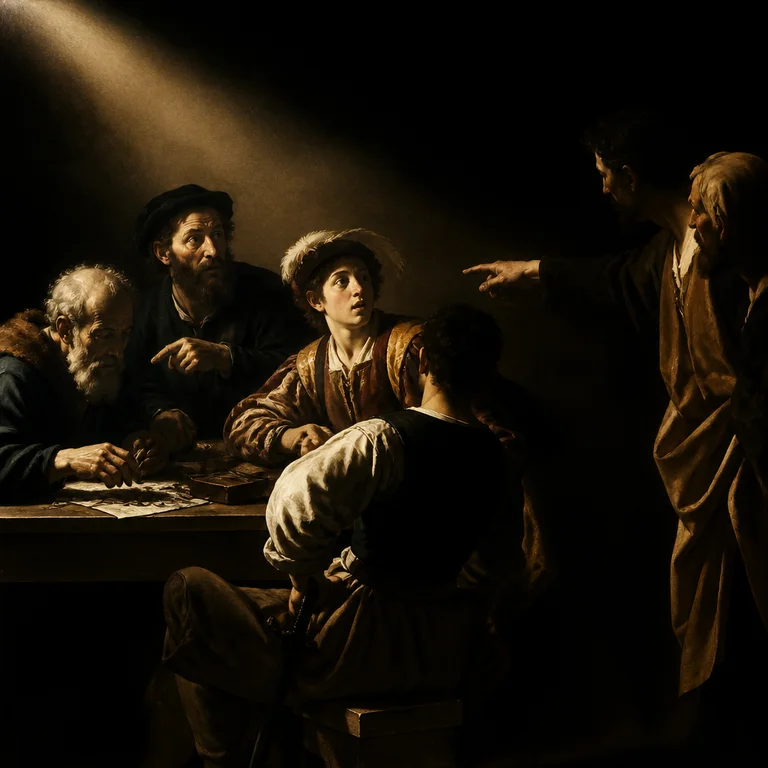
Open styleChiaroscuro — literally "light-dark" in Italian — names the late-Renaissance and Baroque practice of modeling figures with strong contras…
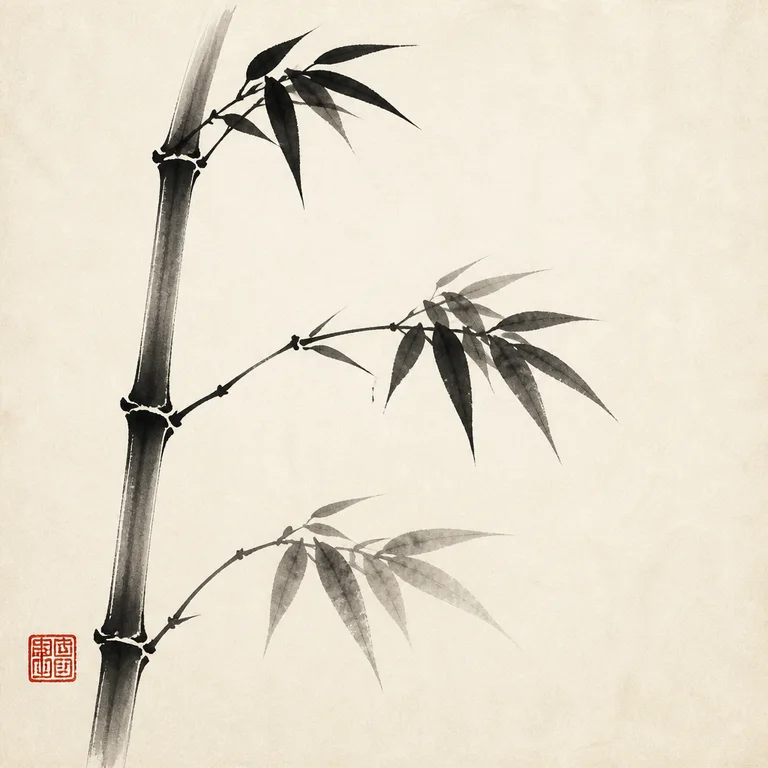
Open styleSumi-e ("ink picture") is the Japanese name for ink-wash painting introduced from China by Zen Buddhist monks in the 14th century. The pr…
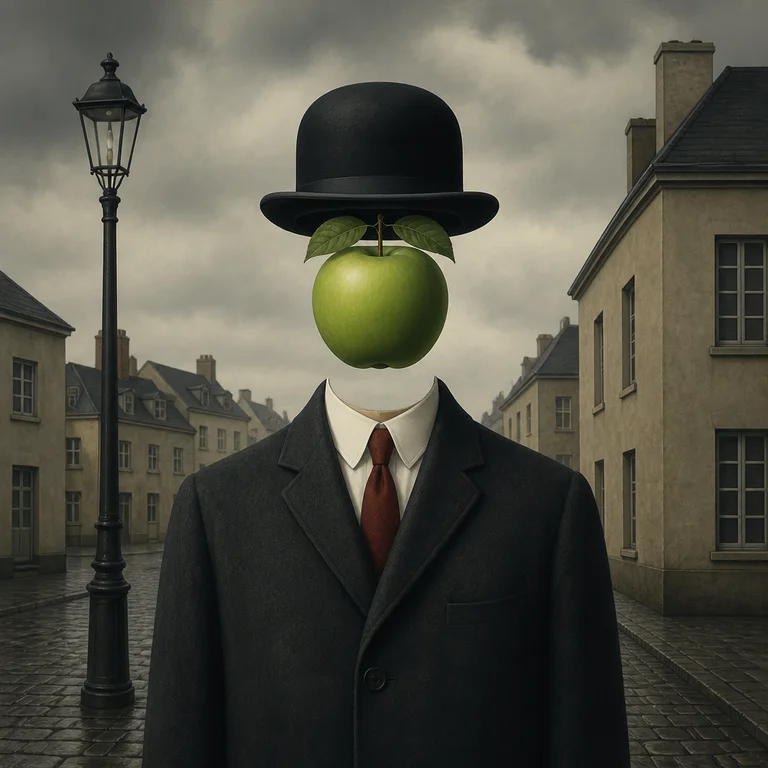
Open styleSurrealism, founded by André Breton's 1924 Manifesto, was a literary and visual movement built on Freud's unconscious — automatism, dream…
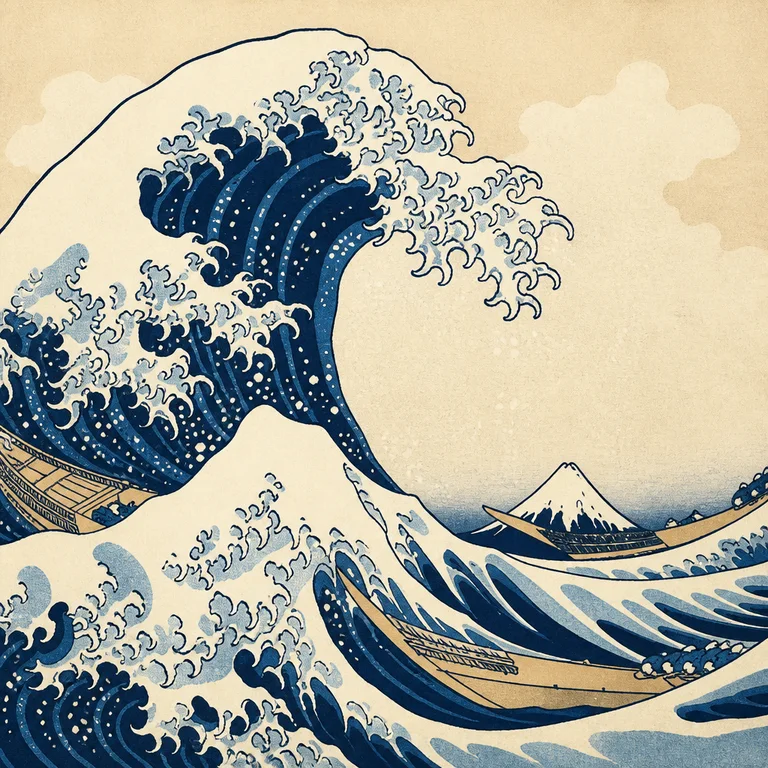
Open styleUkiyo-e — "pictures of the floating world" — is the dominant Japanese print tradition from roughly 1660 to 1900. The images were carved i…
Open styleArchViz (architectural visualization) is the industry-standard 3D rendering style used by architecture firms, real-estate developers, and…
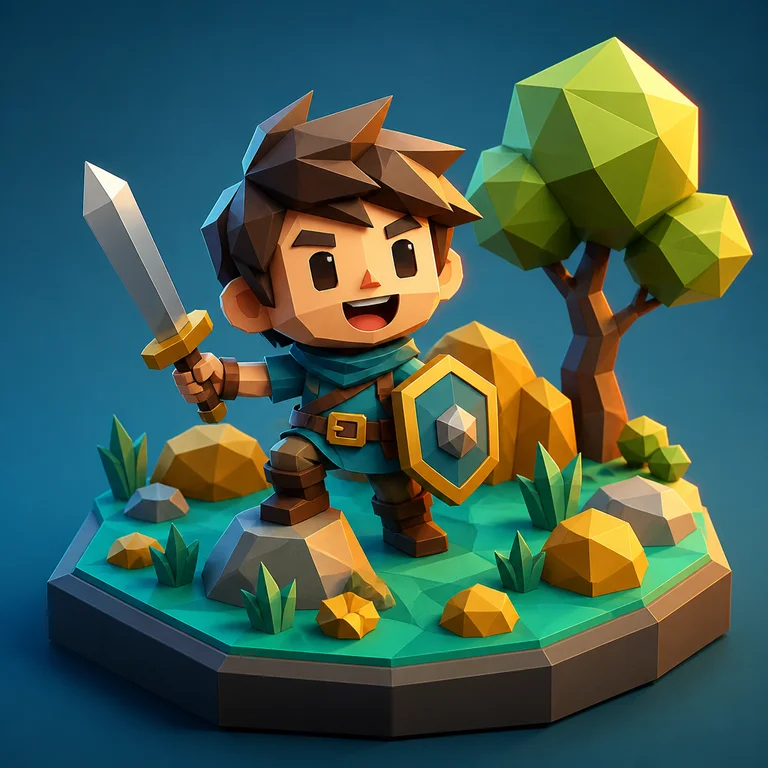
Open style"Stylized low-poly" is the open-source-toolchain idiom that emerged around Blender's 2.8 release (2019) and the broader indie-3D culture…
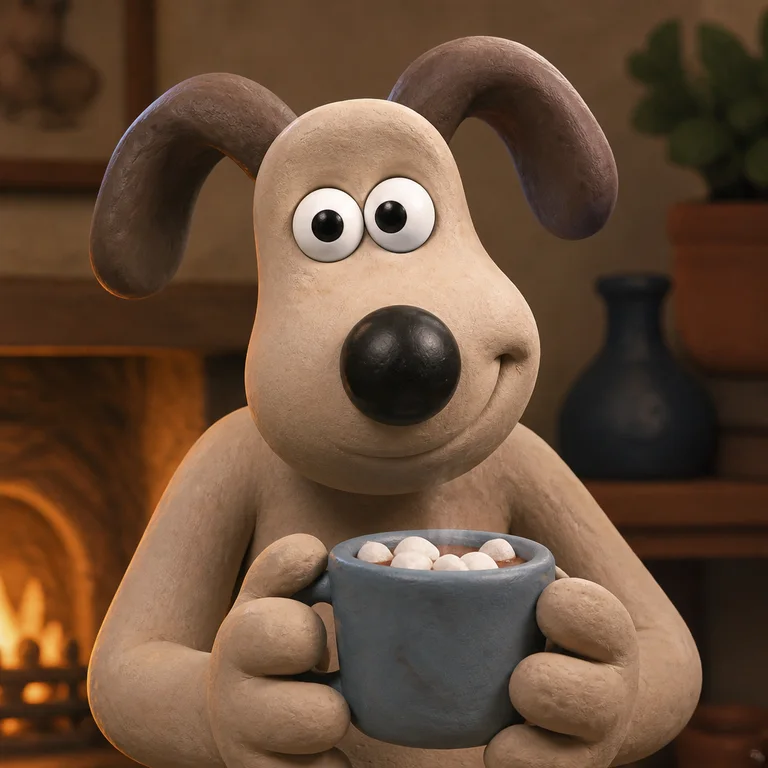
Open style"Clay render" is a 3D rendering technique that mimics the appearance of stop-motion clay animation (Aardman, Laika) but produced entirely…
Open style"Hard-surface" is a specific 3D modeling discipline distinct from organic / character modeling — vehicles, weapons, mechs, spacecraft, ro…
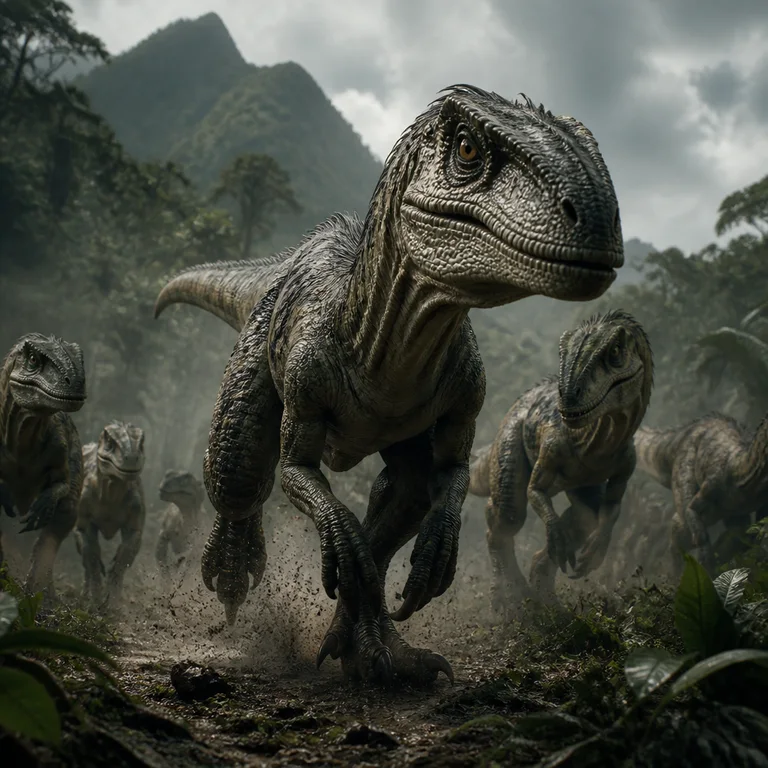
Open styleIndustrial Light & Magic's photoreal creature work — from the Jurassic Park dinosaurs (1993) through the Star Wars prequels' aliens, the…
Open style"Octane hyperreal product" describes the dominant idiom of contemporary product visualization — perfume bottles, watches, sneakers, headp…
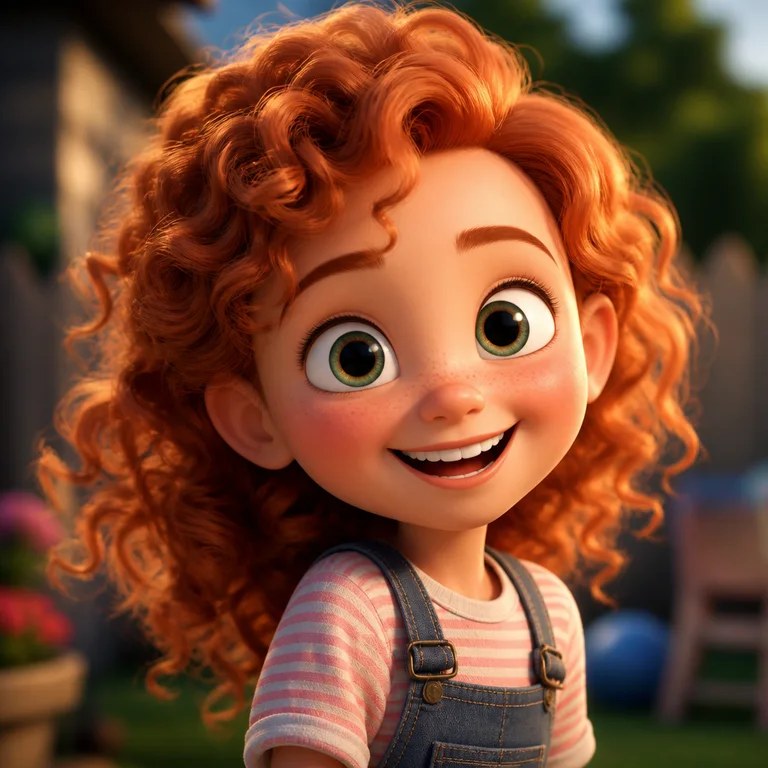
Open style"Pixar style" is shorthand for a coherent set of CG-character-animation conventions that Pixar Animation Studios has refined since Toy St…
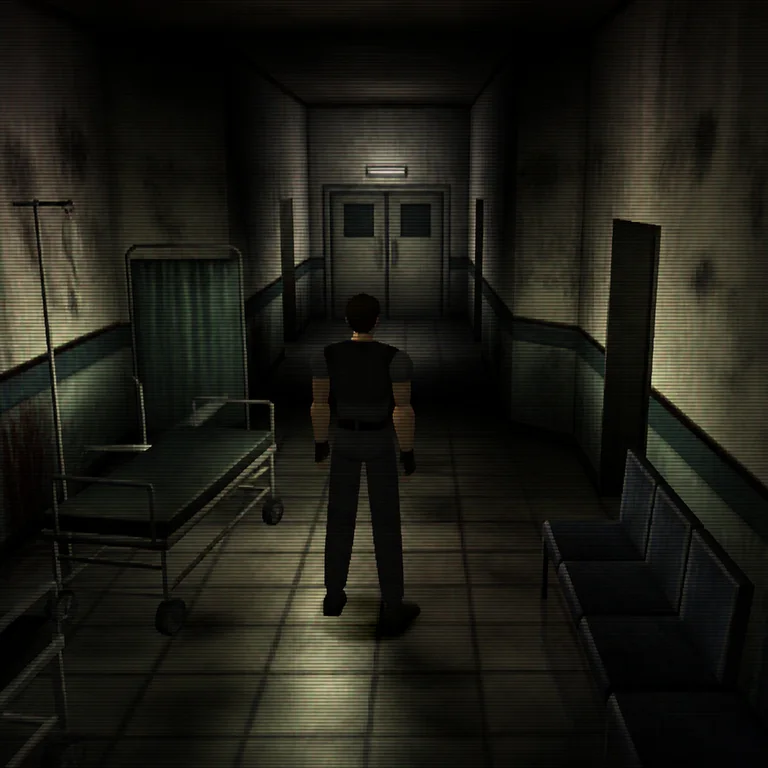
Open styleThe PlayStation 1 / Nintendo 64 era of 3D games (1995–2001) produced a now-iconic look defined by the technical constraints of the consol…
Open styleStudio Ghibli is famously a hand-drawn 2D animation house, but every Ghibli film from Princess Mononoke (1997) onward uses computer-gener…
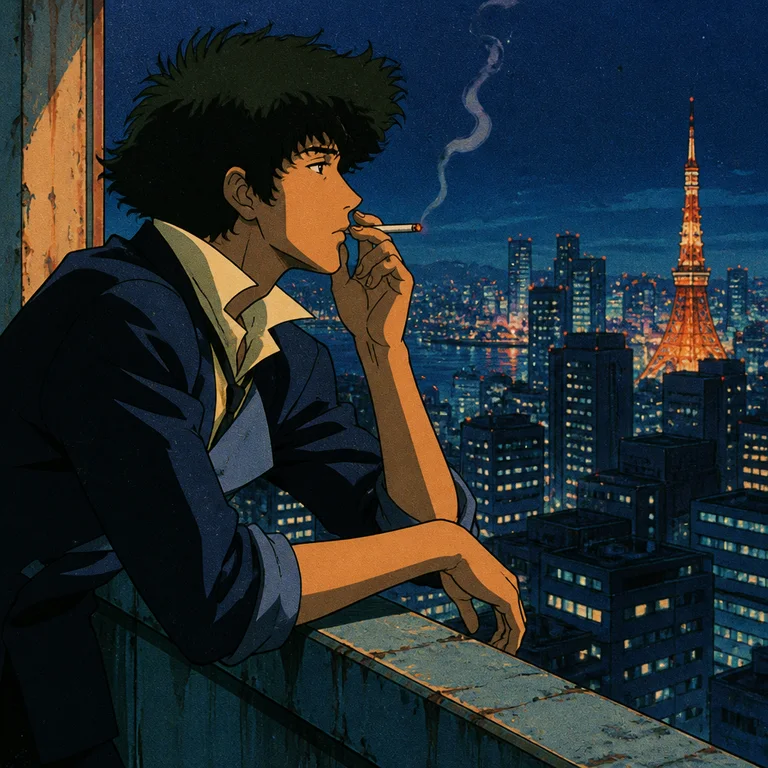
Open styleBetween roughly 1989 and 2001, almost all Japanese anime was animated on physical celluloid sheets and shot on 35mm film before being bro…
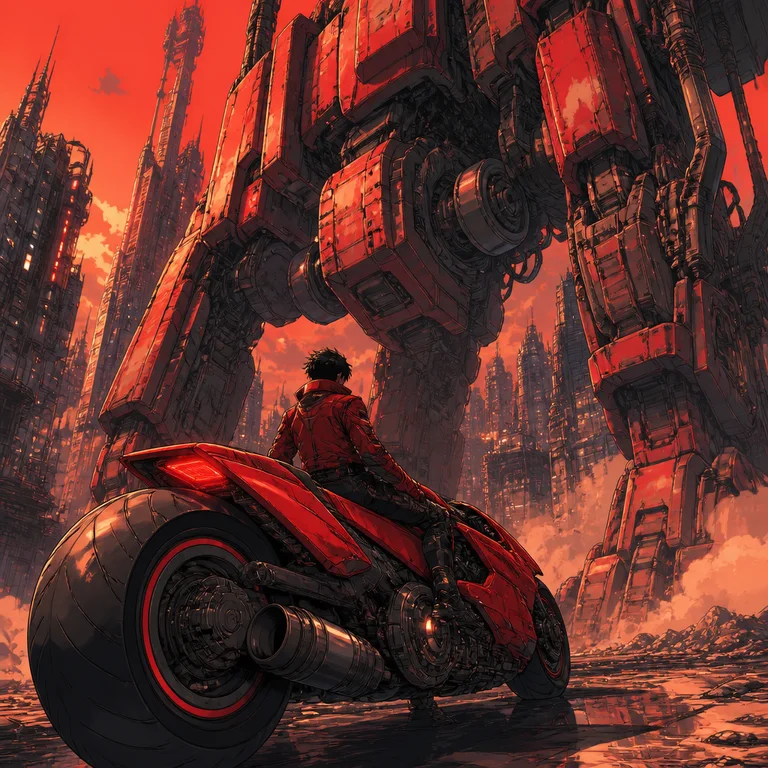
Open styleKatsuhiro Otomo's Akira (manga 1982–90, film 1988) established a specific cyberpunk-anime aesthetic that almost every subsequent grounded…
Open styleChibi (literally "short" in Japanese) and its near-synonym SD ("super-deformed") describe a stylistic mode where characters from a host a…
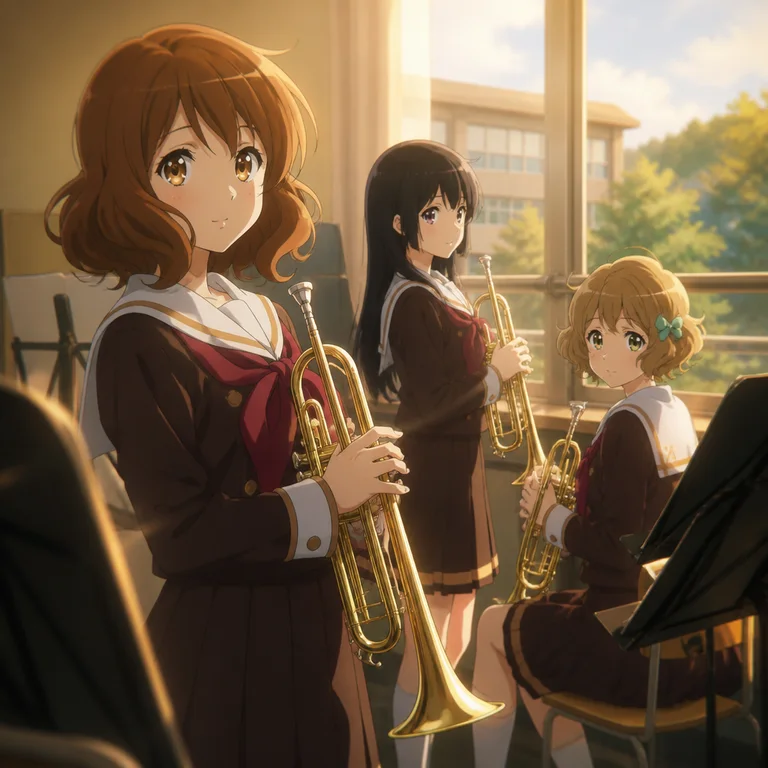
Open styleKyoto Animation (Kyoani, founded 1981) is the studio whose mature TV work — K-On! (2009), Hyouka (2012), Sound! Euphonium (2015–24), Viol…
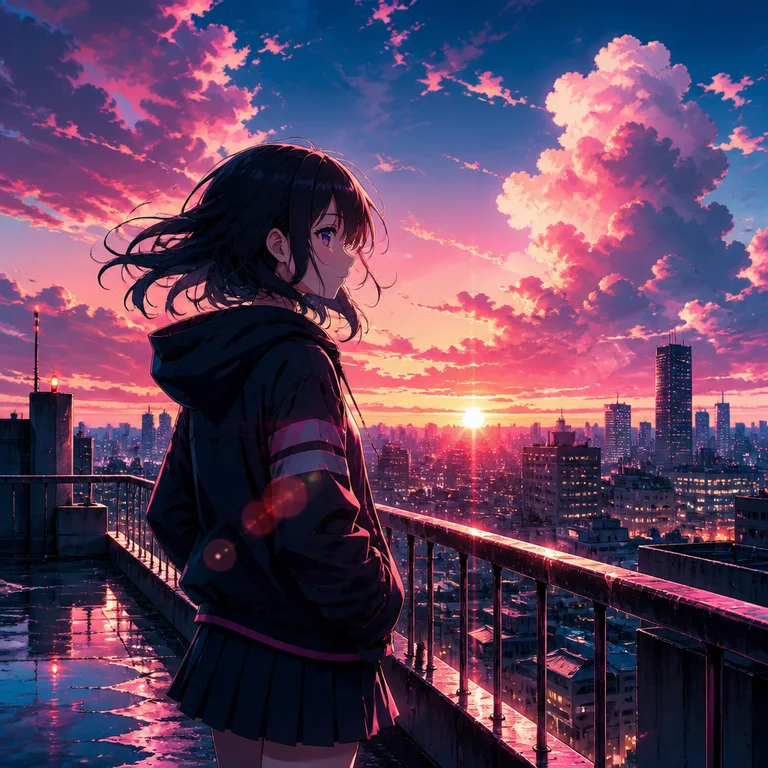
Open styleMakoto Shinkai's anime is visually distinct from Ghibli in three ways: he was an indie animator working in digital tools from the start,…
Open styleWebtoon is the Korean-originated vertical-scroll digital comic format that has, since roughly 2015, become the dominant comics format glo…
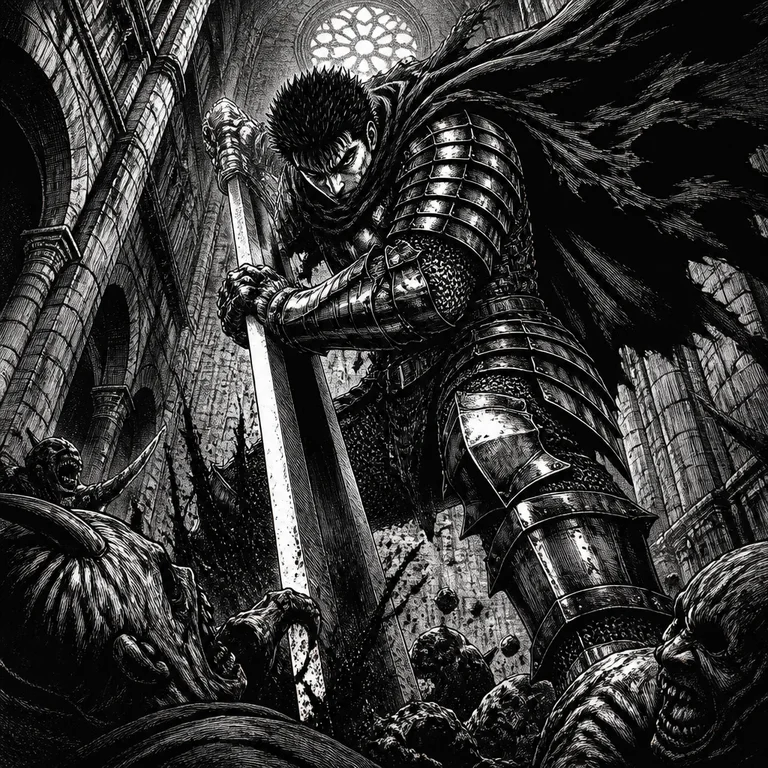
Open styleSeinen ("young man") manga is the Japanese category aimed at adult male readers, published in magazines like Young Magazine, Big Comic Sp…
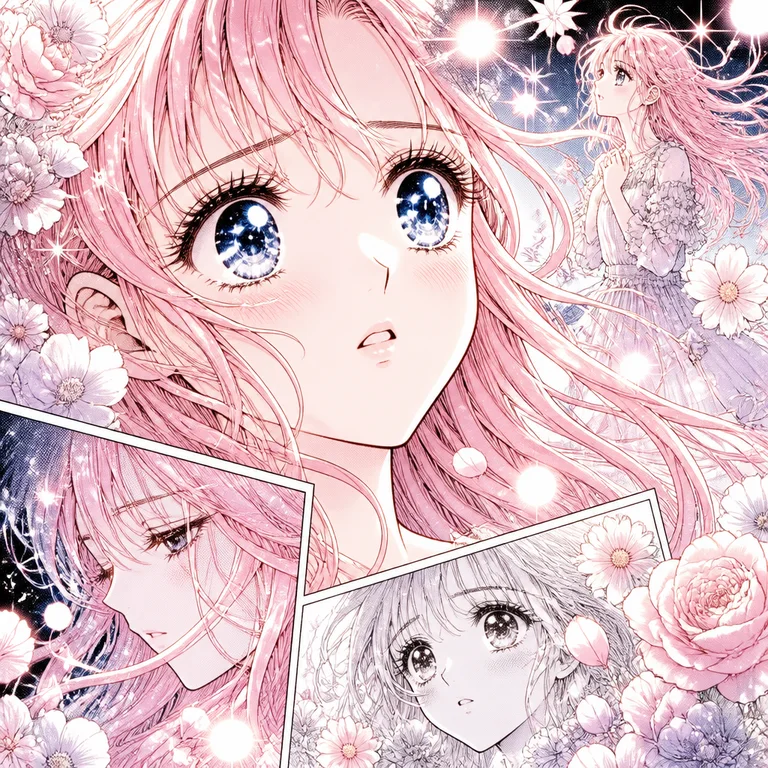
Open styleShōjo ("young woman") manga is the Japanese comics category aimed at teenage girls. The category formed around magazines like Nakayoshi (…
Open styleStudio Ghibli is famously a hand-drawn 2D animation house, but every Ghibli film from Princess Mononoke (1997) onward uses computer-gener…
Open styleStudio Ghibli's films share a visual identity that has held remarkably steady from Castle in the Sky (1986) through The Boy and the Heron…
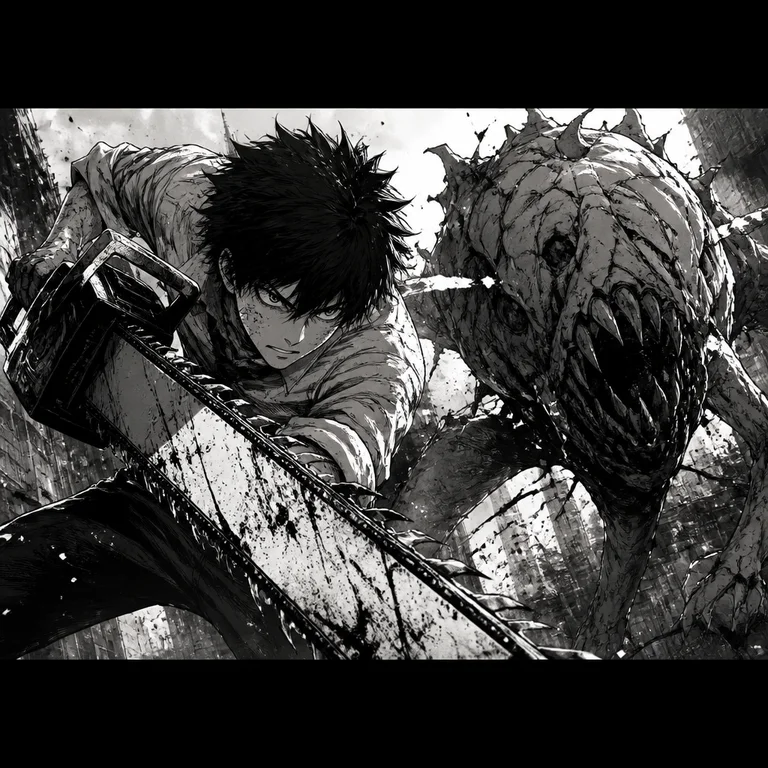
Open styleTatsuki Fujimoto (born 1992 or 1993, exact birthdate concealed) is the most discussed contemporary mangaka in the world. Fire Punch (2016…
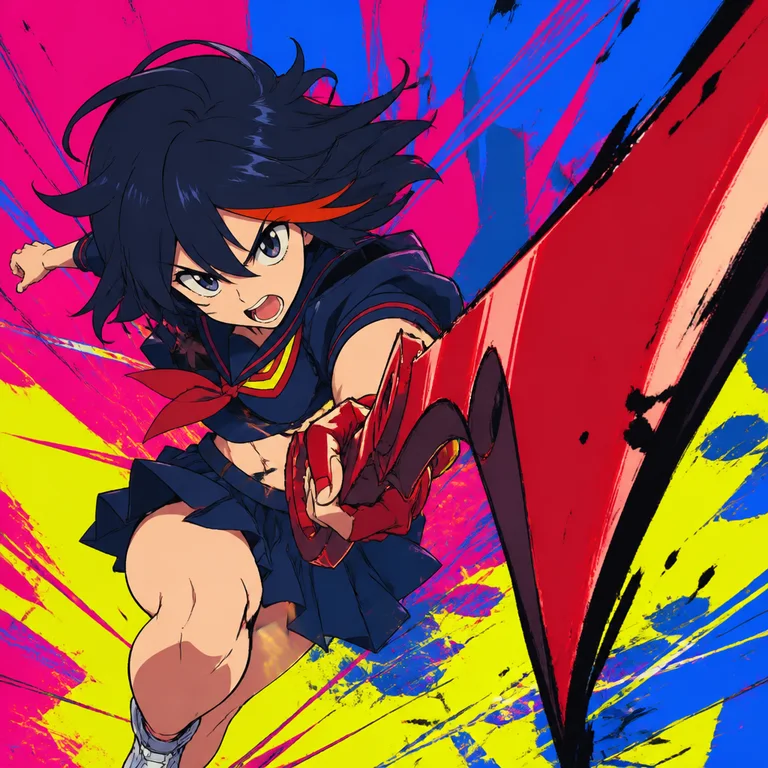
Open styleStudio Trigger (founded 2011) was formed by ex-Gainax staff who carried forward Gainax's high-energy, line-driven action animation tradit…
Open styleFrank Miller's Sin City (1991–present at Dark Horse) is the most influential black-and-white American comic of the post-1990 era. The vis…
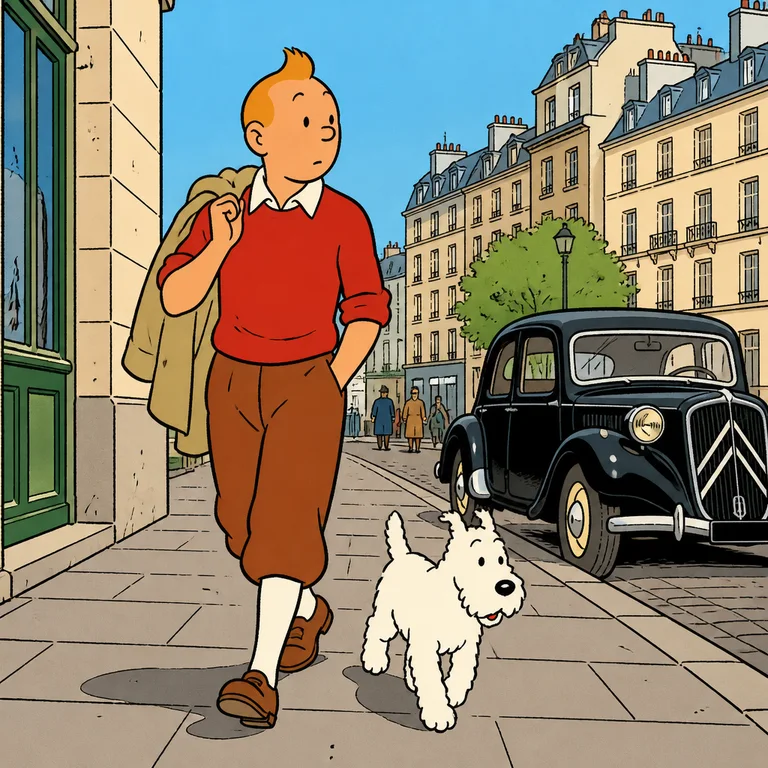
Open styleLigne claire ("clear line") is the Franco-Belgian comic style codified by Hergé in The Adventures of Tintin (1929–1976) and named by Joos…
Open styleMike Mignola's work on Hellboy (1994–present) and B.P.R.D. defined a recognizable, severely simplified, high-contrast comic-art idiom — a…
Open style"Image / indie comic" describes the visual mainstream of American creator-owned comics from roughly 1992 (Image Comics' founding) to the…
Open styleWebtoon is the Korean-originated vertical-scroll digital comic format that has, since roughly 2015, become the dominant comics format glo…
Open styleMoebius — Jean Giraud's pseudonym for his Métal Hurlant work from 1974 onward — is the single most influential European comics artist of…
Open styleSeinen ("young man") manga is the Japanese category aimed at adult male readers, published in magazines like Young Magazine, Big Comic Sp…
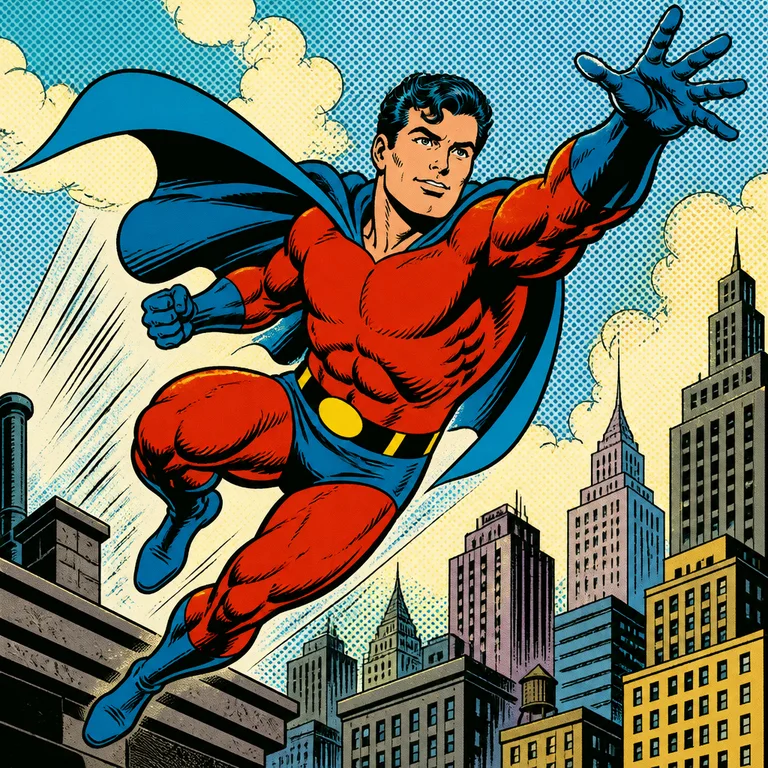
Open styleThe Silver Age of American superhero comics runs from roughly 1956 (DC's revival of The Flash in Showcase #4) to about 1970. The visual g…
Open styleTatsuki Fujimoto (born 1992 or 1993, exact birthdate concealed) is the most discussed contemporary mangaka in the world. Fire Punch (2016…
Open styleUnderground comix (the "x" spelling is original to the movement, used to distinguish from mainstream Comics Code-approved comic books) em…
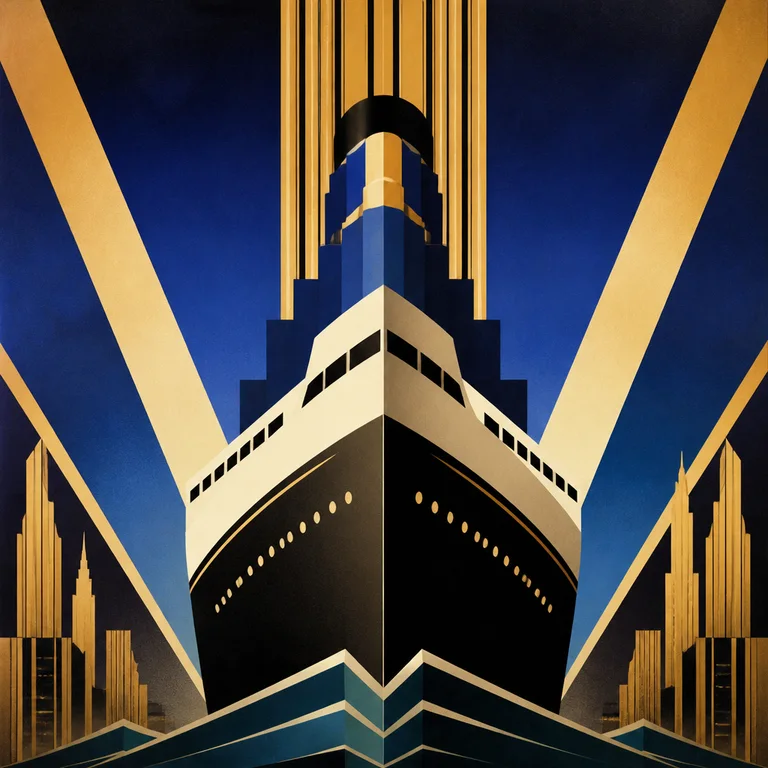
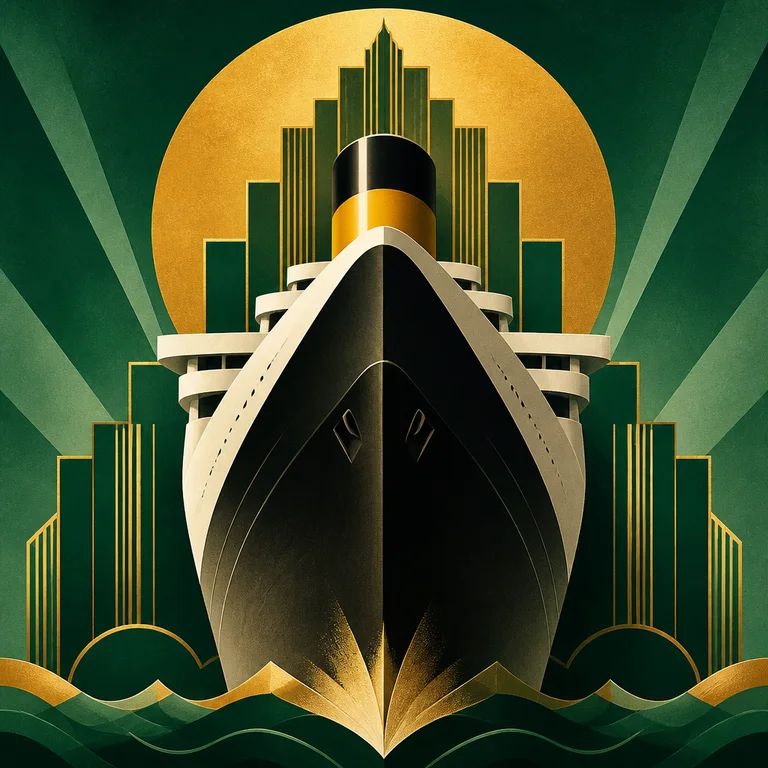
Open styleArt Deco was the dominant decorative style from roughly 1920 to 1939, born at the 1925 Paris Exposition Internationale des Arts Décoratif…
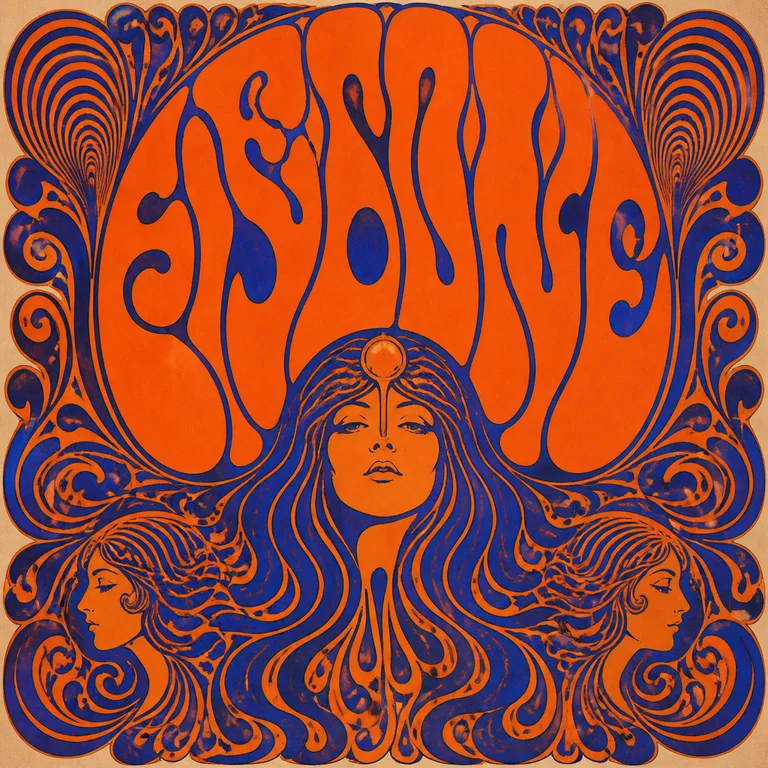
Open stylePsychedelic poster art is the visual language of San Francisco between 1965 and 1969 — the Fillmore, the Avalon Ballroom, the Family Dog…
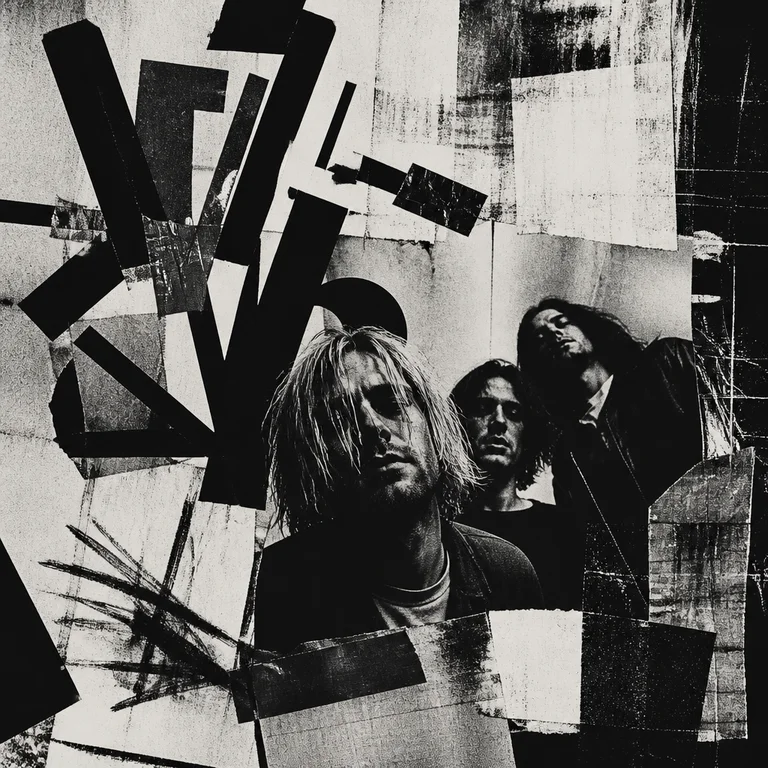
Open styleGrunge as a visual style is mostly David Carson's design language for Beach Culture (1990–91) and Ray Gun magazine (1992–95), plus the al…
Open styleArt Deco poster design — roughly 1910 to 1940, peaking in Paris between the 1925 Exposition Internationale and the early 1930s — has a vi…
Open styleArt Nouveau was a decorative-arts movement that swept Europe and the United States between roughly 1890 and 1910. Within visual art, the…
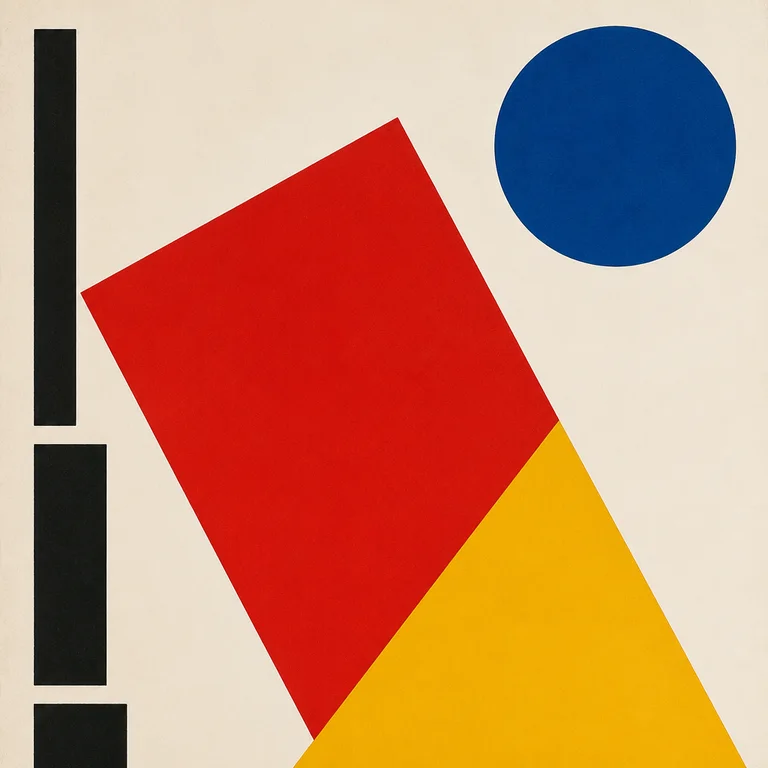
Open styleThe Bauhaus school operated for fourteen years (1919–1933) in three German cities before the Nazis shut it down — but the visual grammar…
Open styleLinocut relief print is the look of an image cut into linoleum, inked, and pressed onto paper — a reductive medium where everything you s…
Open styleThe Memphis Group was a Milan-based design collective founded by Ettore Sottsass in 1981. The name comes from the Bob Dylan song "Stuck I…
Open styleMilton Glaser Pop is the warm, eclectic, idea-first American graphic illustration that came out of Push Pin Studios from 1954 onward — th…
Open styleRisograph is a Japanese stencil-duplication printing technology (Riso Kagaku, since 1986) that was originally designed for cheap school n…
Open styleSaul Bass (1920–1996) redefined what film title sequences could be — he made them part of the film, not a list of names to skip — and the…
Open styleThe American screen-printed concert poster — also called the gig poster — has a continuous lineage from the 1965 Fillmore Auditorium post…
Open styleThe Swiss / International Typographic Style emerged in Zurich and Basel in the late 1940s and dominated corporate and editorial design fr…
Open styleUkiyo-e — "pictures of the floating world" — is the dominant Japanese print tradition from roughly 1660 to 1900. The images were carved i…
Open styleBetween 1936 and 1943 the Works Progress Administration's Federal Art Project produced over 2,000 silkscreened posters to promote nationa…
Open style"Clay render" is a 3D rendering technique that mimics the appearance of stop-motion clay animation (Aardman, Laika) but produced entirely…
Open styleA cyanotype is a 19th-century photographic printing process — paper coated with ferric ammonium citrate and potassium ferricyanide, expos…
Open styleThe cyanotype process was invented by Sir John Herschel in 1842 and used almost immediately by the botanist Anna Atkins to produce Photog…
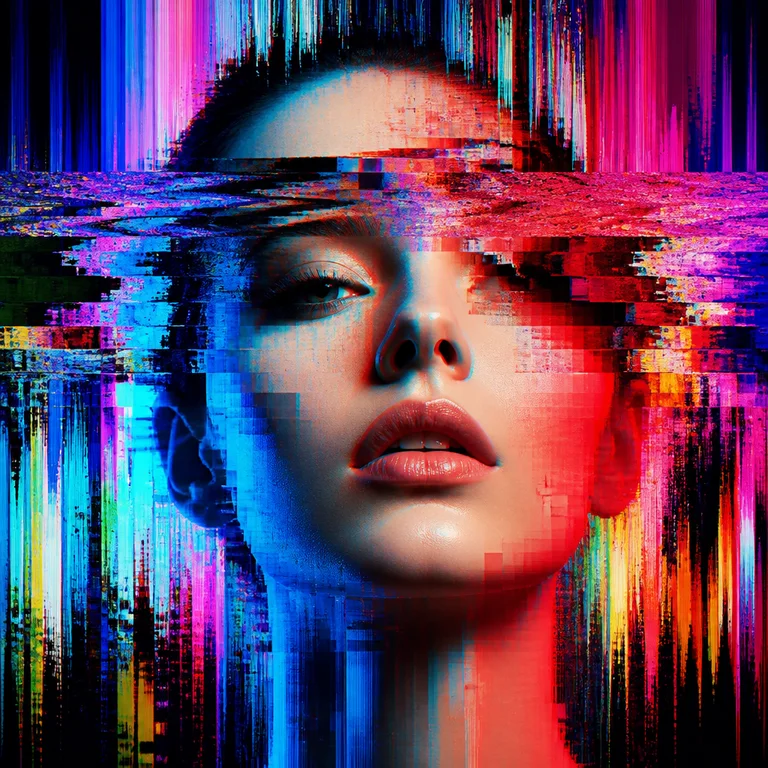
Open styleGlitch and databending describe a family of techniques that produce intentional image corruption — usually by editing the binary or compr…
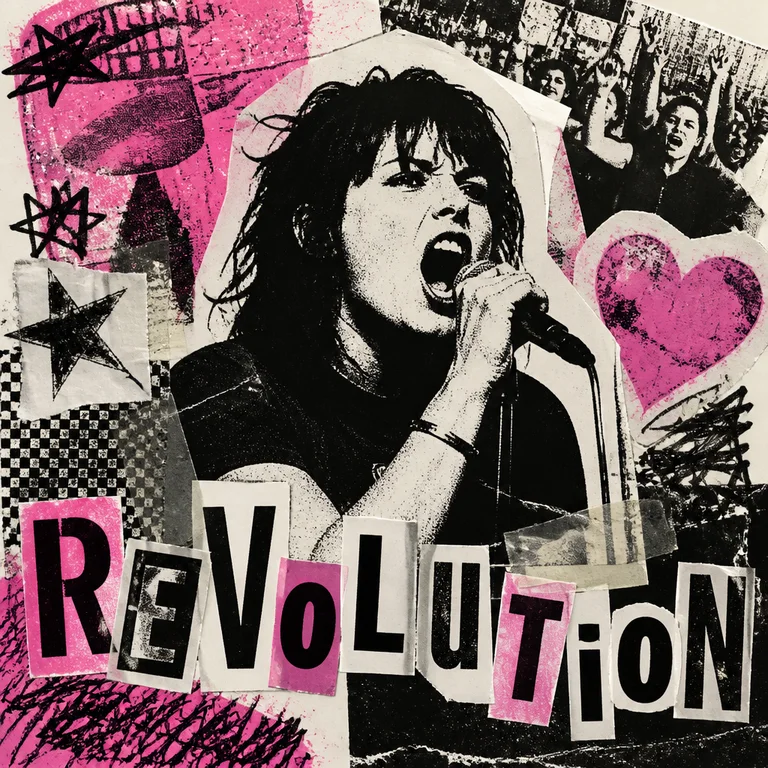
Open styleThe lo-fi zine aesthetic — photocopied, hand-assembled, deliberately rough printed matter — emerged from the late-1970s punk scene (Sniff…
Open styleMixed photography and sketch is the deliberate combination of photographic imagery with hand-drawn ink, graphite, watercolor, or marker o…
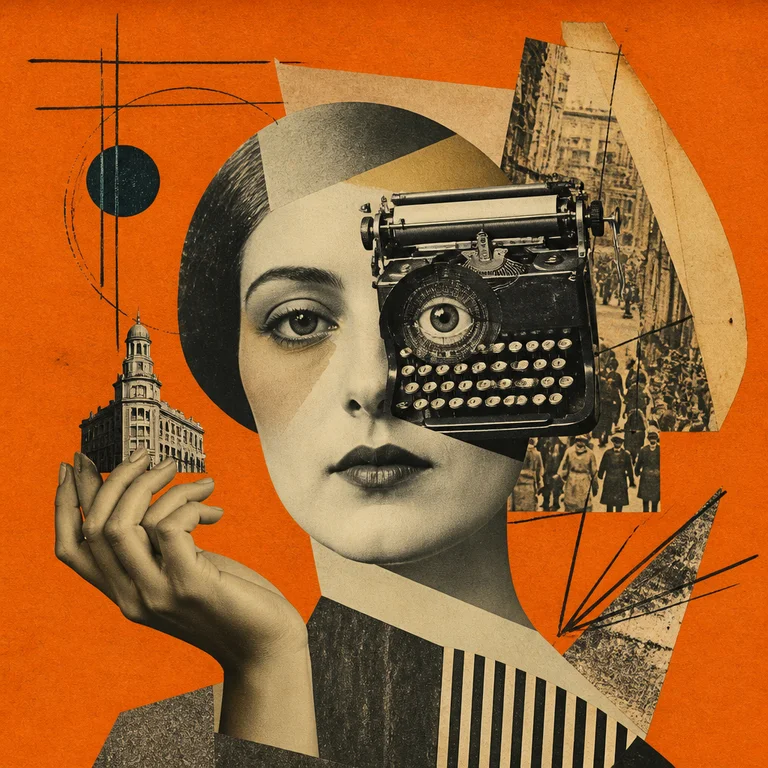
Open stylePhotographic collage as a fine-art form has a continuous lineage from Berlin Dada in the 1910s — where Hannah Höch coined what she called…
Open styleArt Deco was the dominant decorative style from roughly 1920 to 1939, born at the 1925 Paris Exposition Internationale des Arts Décoratif…
Open styleMid-century modern is the visual language of postwar American optimism, roughly 1947 to 1965, born in California, Scandinavia, and Italy…
Open stylePsychedelic poster art is the visual language of San Francisco between 1965 and 1969 — the Fillmore, the Avalon Ballroom, the Family Dog…
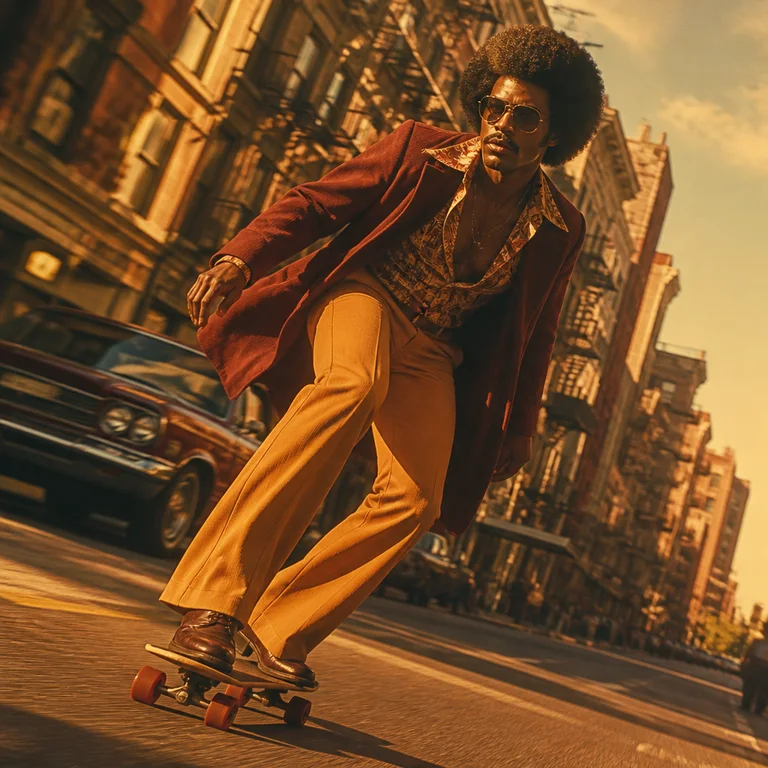
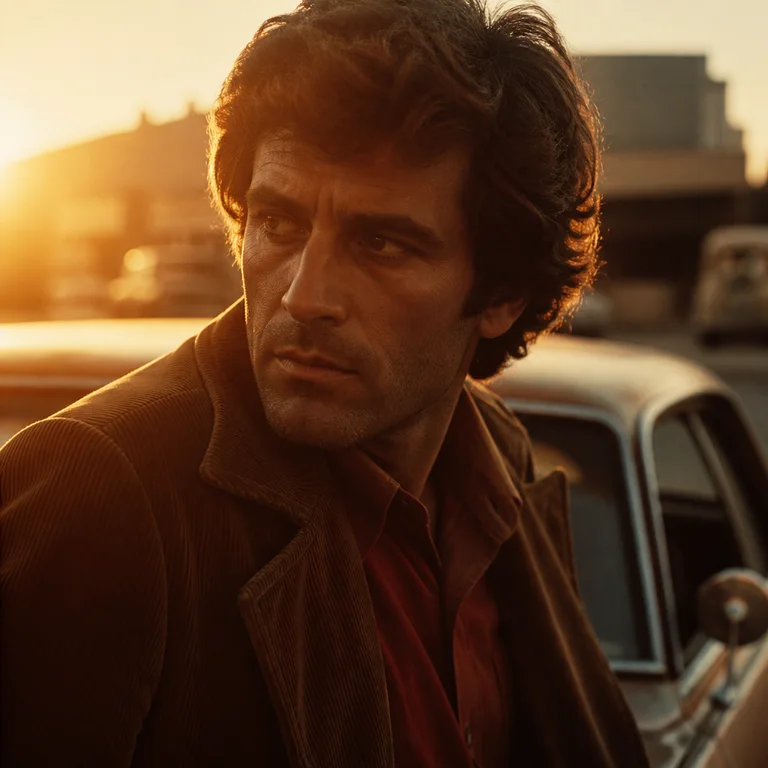
Open styleThe New Hollywood look is the photographic and cinematographic language of American films roughly 1967 to 1980 — Bonnie and Clyde, Easy R…
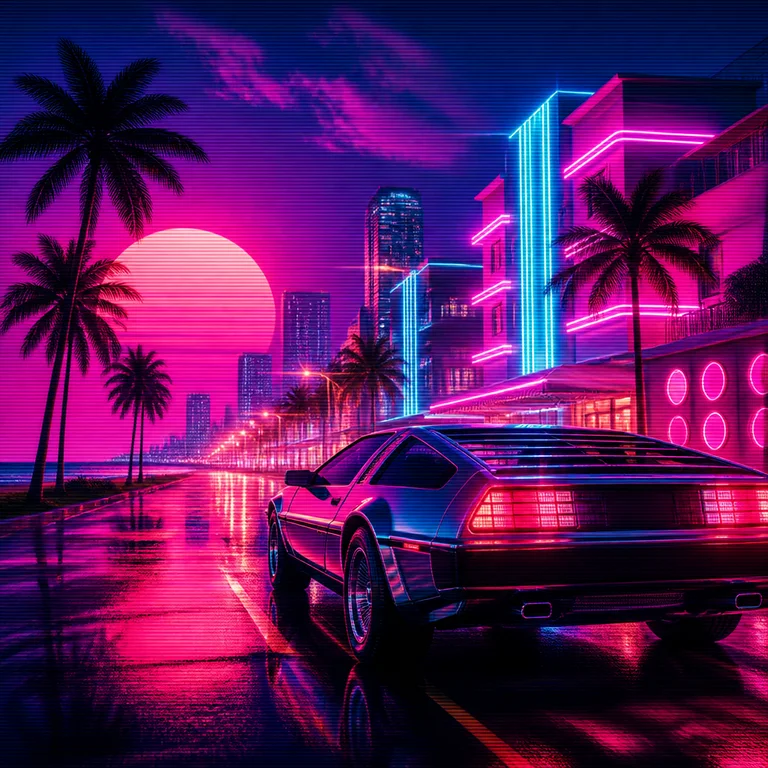
Open styleSynthwave (the music) and the 80s-neon visual aesthetic (the look) are two halves of the same retro-future revival. The visual rules are…
Open styleGrunge as a visual style is mostly David Carson's design language for Beach Culture (1990–91) and Ray Gun magazine (1992–95), plus the al…
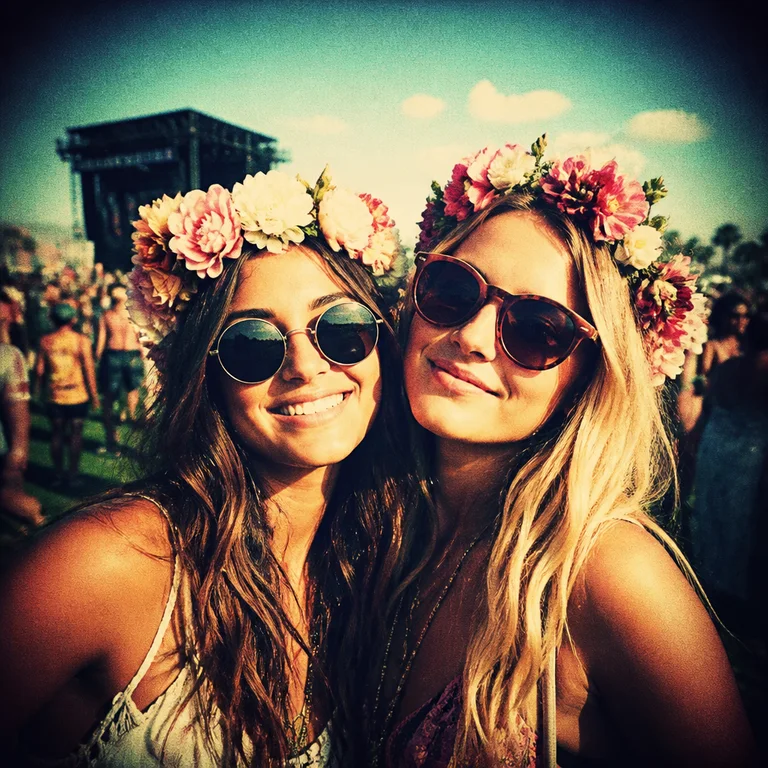
Open styleThis is a real period look, not a joke. Between Instagram's launch in October 2010 and roughly 2015, hundreds of millions of photographs…
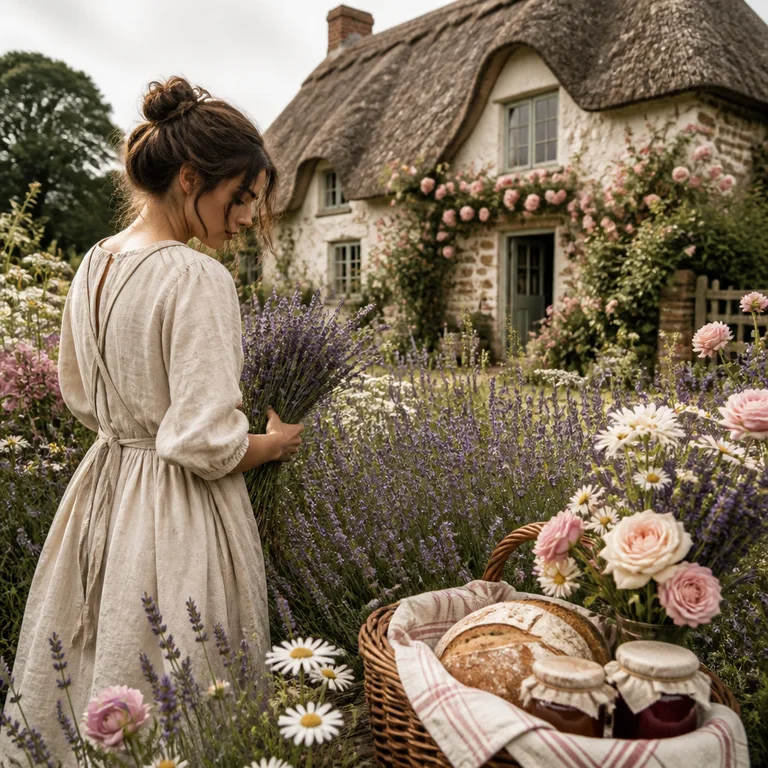
Open styleCottagecore is the 2017–present internet aesthetic that romanticizes pre-industrial European rural life. The visual rules are not histori…
Open styleThe Memphis Group was a Milan-based design collective founded by Ettore Sottsass in 1981. The name comes from the Bob Dylan song "Stuck I…
Open styleThe PlayStation 1 / Nintendo 64 era of 3D games (1995–2001) produced a now-iconic look defined by the technical constraints of the consol…
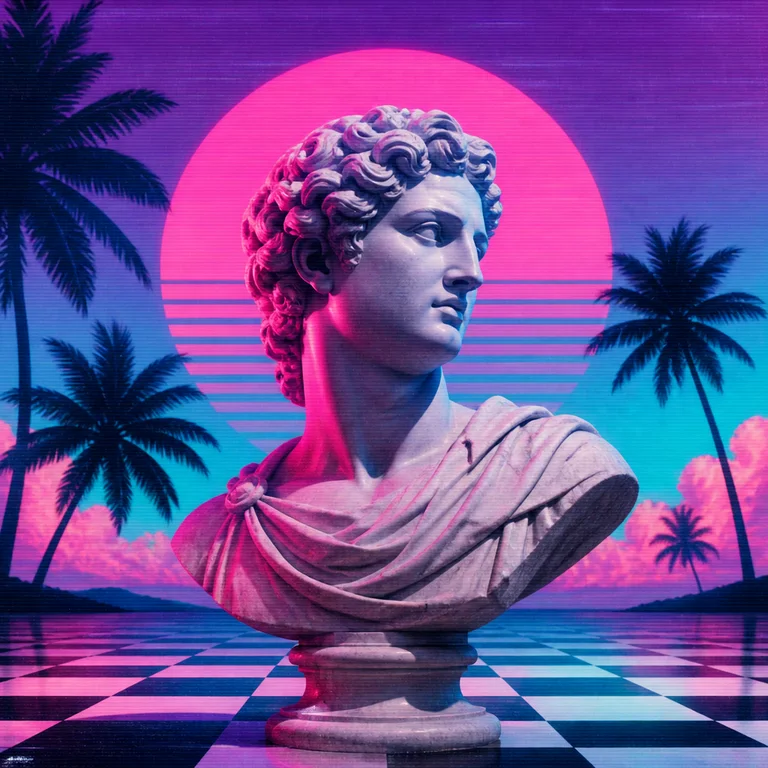
Open styleVaporwave is the internet-native aesthetic that emerged around 2010–2012 from chopped-and-screwed remixes of 1980s muzak, smooth jazz, an…
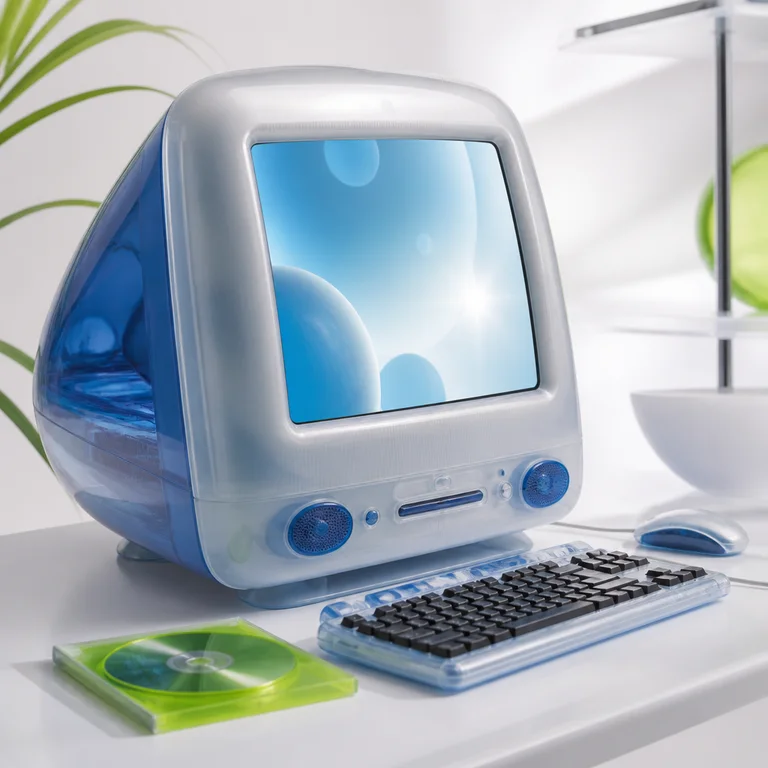
Open styleY2K (roughly 1998–2003) is the consumer-electronics-and-fashion aesthetic of the late dot-com era. The visual rules: translucent and fros…
Open styleThe New Hollywood look is the photographic and cinematographic language of American films roughly 1967 to 1980 — Bonnie and Clyde, Easy R…
Open styleSynthwave (the music) and the 80s-neon visual aesthetic (the look) are two halves of the same retro-future revival. The visual rules are…
Open styleBleach bypass (also called skip-bleach or ENR after Technicolor's named process variant) is a film-chemistry technique where the bleachin…
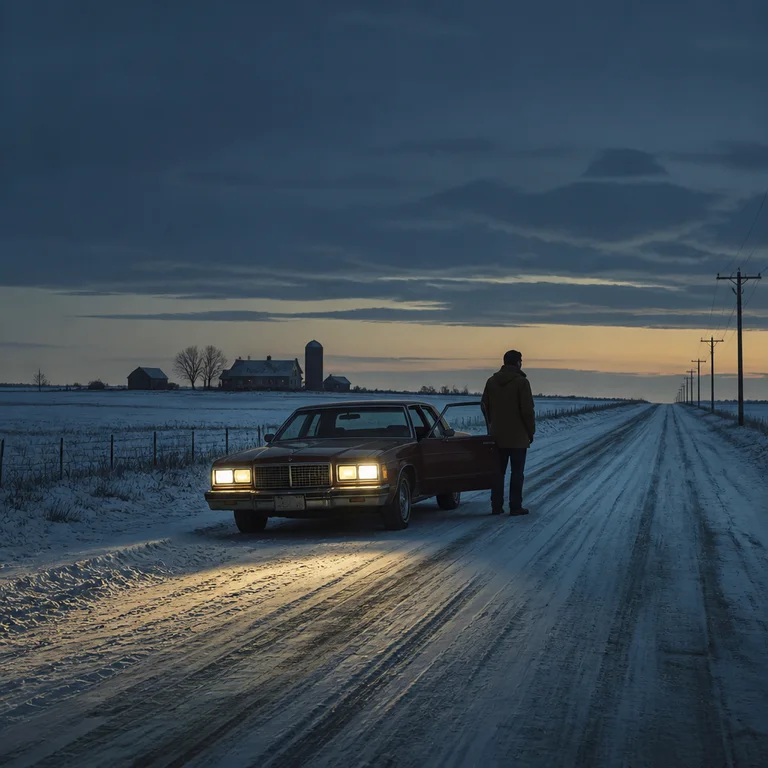
Open styleJoel and Ethan Coen's cinematography across Fargo (1996), No Country for Old Men (2007), Inside Llewyn Davis (2013), The Ballad of Buster…
Open styleFilm noir is not just "black and white." It is a specific photographic grammar built in 1940s Hollywood out of three constraints — German…
Open styleGregory Crewdson makes photographs that look like single frames from films that don't exist. Each image is shot on a soundstage or locati…
Open styleStanley Kubrick's visual signature is the most analyzed in cinema history and the most replicable in still imagery. The shorthand is "one…
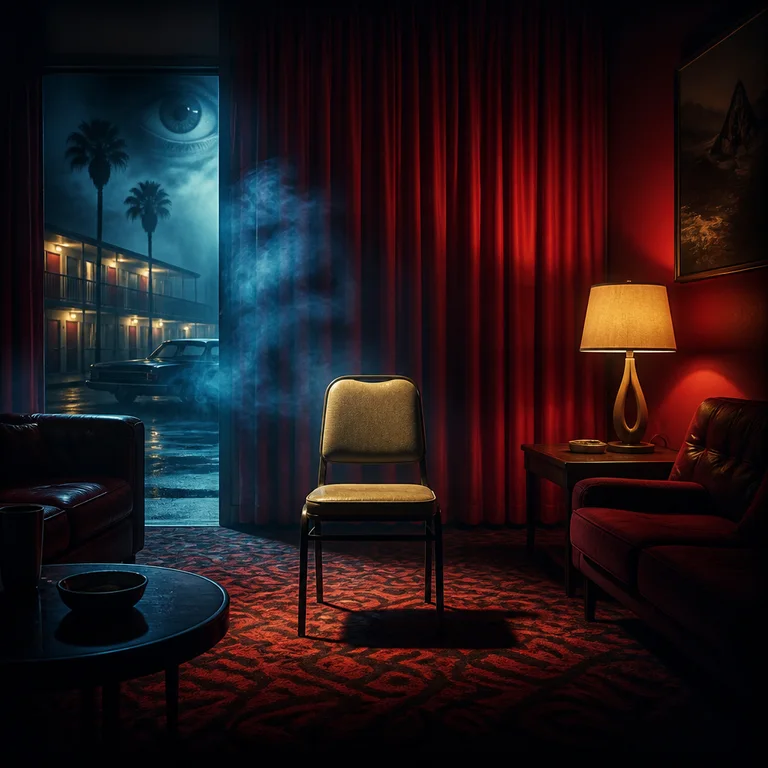
Open styleDavid Lynch's visual language across Blue Velvet (1986), Twin Peaks (1990–91, 2017), Mulholland Drive (2001), and INLAND EMPIRE (2006) is…
Open styleRoger Deakins is the most decorated living cinematographer (16 Oscar nominations, 2 wins for Blade Runner 2049 and 1917) and the most imi…
Open styleSaul Bass (1920–1996) redefined what film title sequences could be — he made them part of the film, not a list of names to skip — and the…
Open styleSofia Coppola's visual signature across her eight feature films — The Virgin Suicides (1999), Lost in Translation (2003), Marie Antoinett…
Open styleSpike Lee's visual signature includes the most distinctive single shot in modern American cinema: the "double dolly," in which the camera…
Open styleAndrei Tarkovsky directed seven feature films between 1962 and 1986 and is the canonical reference for slow, image-driven, philosophicall…
Open styleDenis Villeneuve's science fiction films — Arrival (2016), Blade Runner 2049 (2017), Dune (2021), Dune: Part Two (2024) — have establishe…
Open styleWes Anderson's visual language is the most imitated in contemporary cinema for a reason: it is rule-based and easy to identify. The rules…
Open style