Category · Cinematic Looks
Cinematic Looks
Cinematic Looks are director- and DP-named visual languages — Wes Anderson's symmetric tableaux, Villeneuve and Deakins's monolithic sci-fi, Lynch's dreamlike sodium-light, Tarkovsky's long take, Coen Brothers Americana. Each entry is anchored to a body of work (the director's filmography) and a current revival (Dune: Part Two, The Killer, Asteroid City, Mare of Easttown). We avoided "cinematic" as a generic adjective — that lives in the tag system. Each style here is one director's, or one cinematographer's, specific grammar.
Tags in this category
Styles in this category
15 styles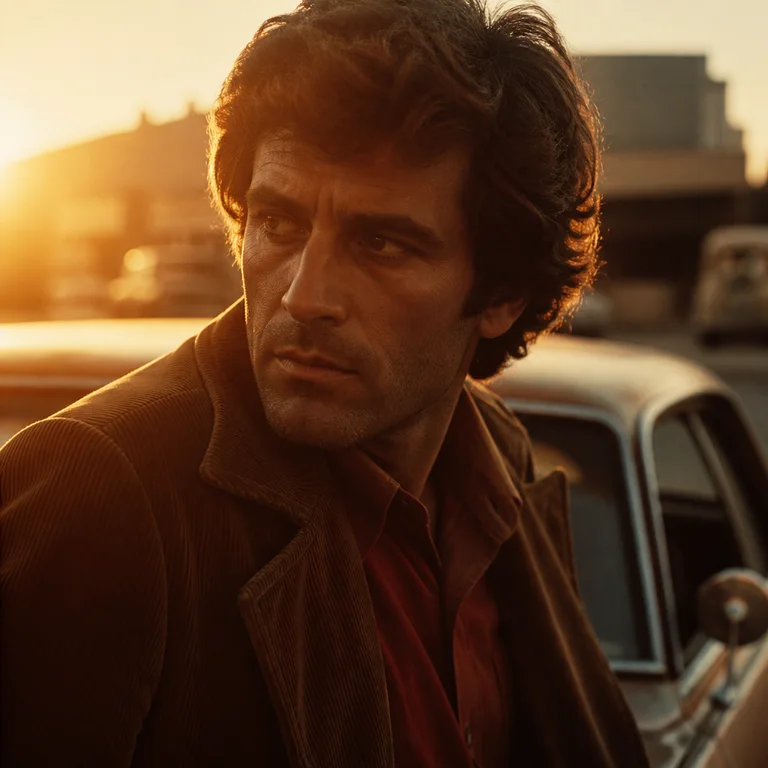
1970s New Hollywood
The New Hollywood look is the photographic and cinematographic language of American films roughly 1967 to 1980 — Bonnie and Clyde, Easy R…
Open style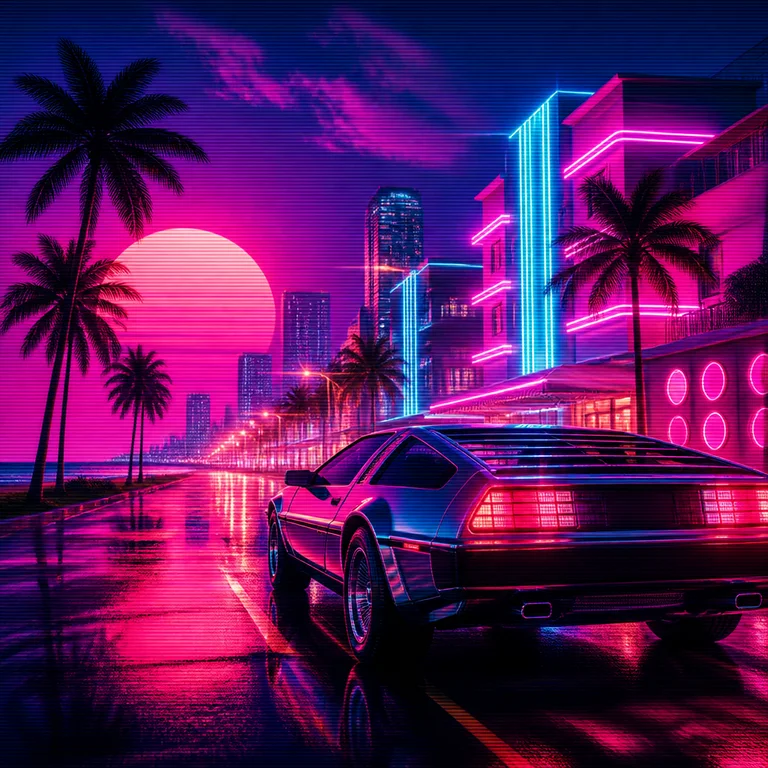
1980s Neon / Synthwave
Synthwave (the music) and the 80s-neon visual aesthetic (the look) are two halves of the same retro-future revival. The visual rules are…
Open style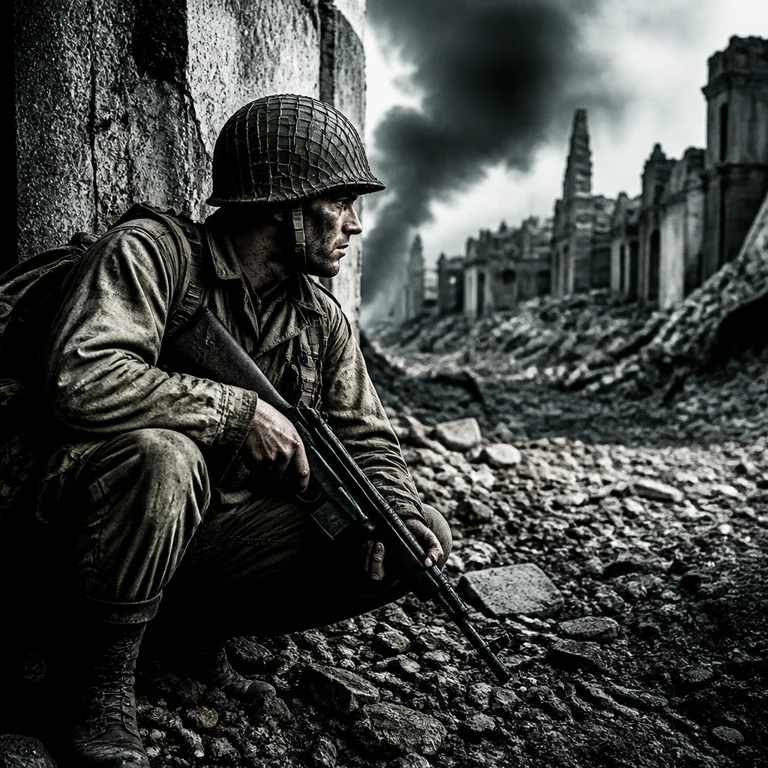
Bleach Bypass
Bleach bypass (also called skip-bleach or ENR after Technicolor's named process variant) is a film-chemistry technique where the bleachin…
Open style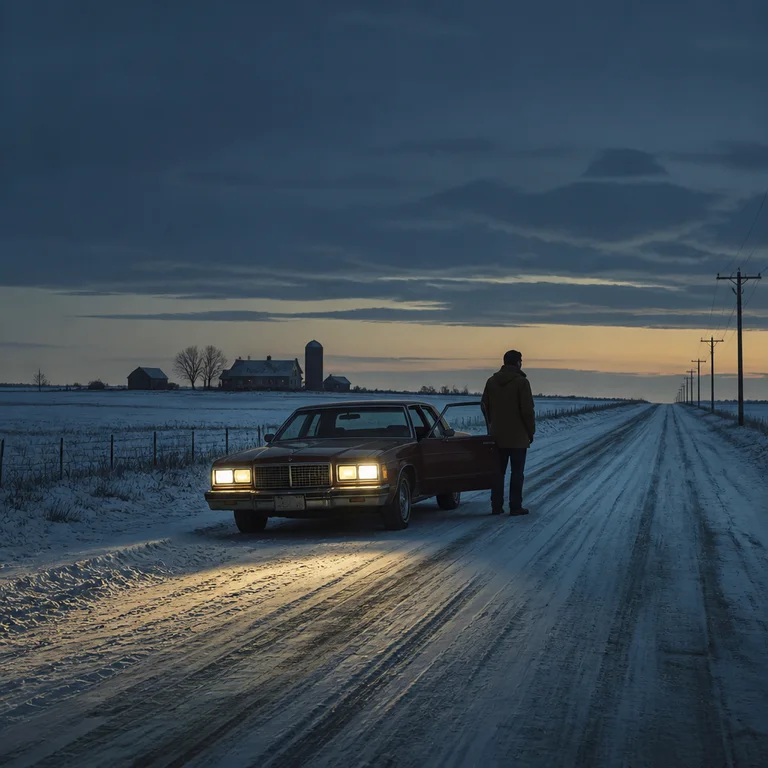
Coen Brothers Americana
Joel and Ethan Coen's cinematography across Fargo (1996), No Country for Old Men (2007), Inside Llewyn Davis (2013), The Ballad of Buster…
Open style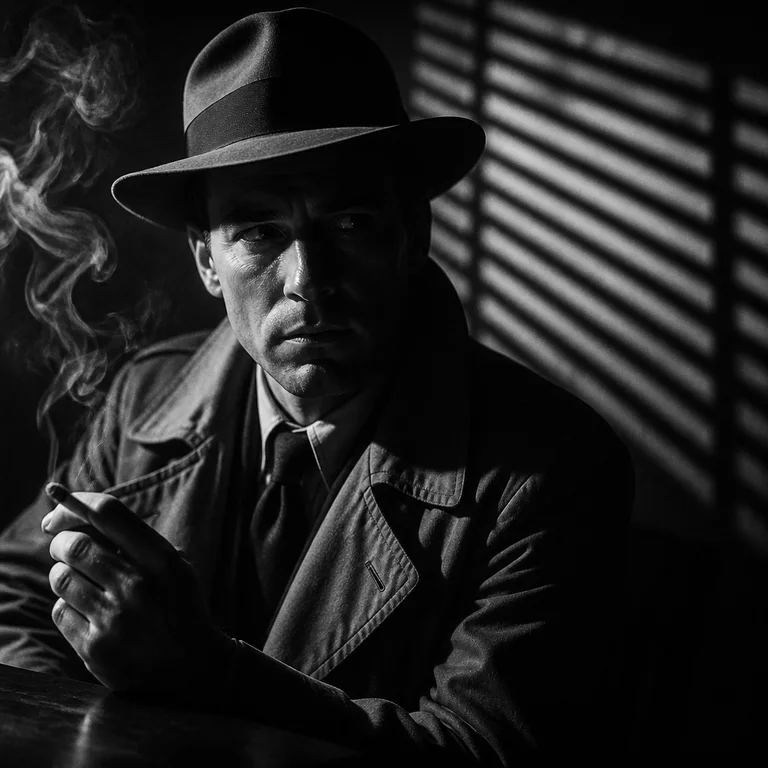
Film Noir
Film noir is not just "black and white." It is a specific photographic grammar built in 1940s Hollywood out of three constraints — German…
Open style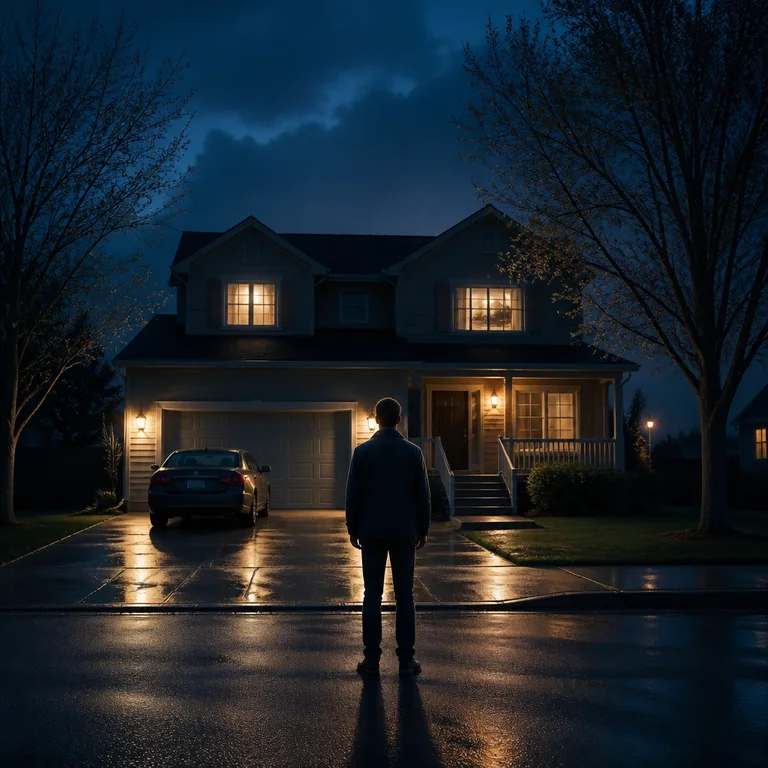
Gregory Crewdson Cinematic Still
Gregory Crewdson makes photographs that look like single frames from films that don't exist. Each image is shot on a soundstage or locati…
Open style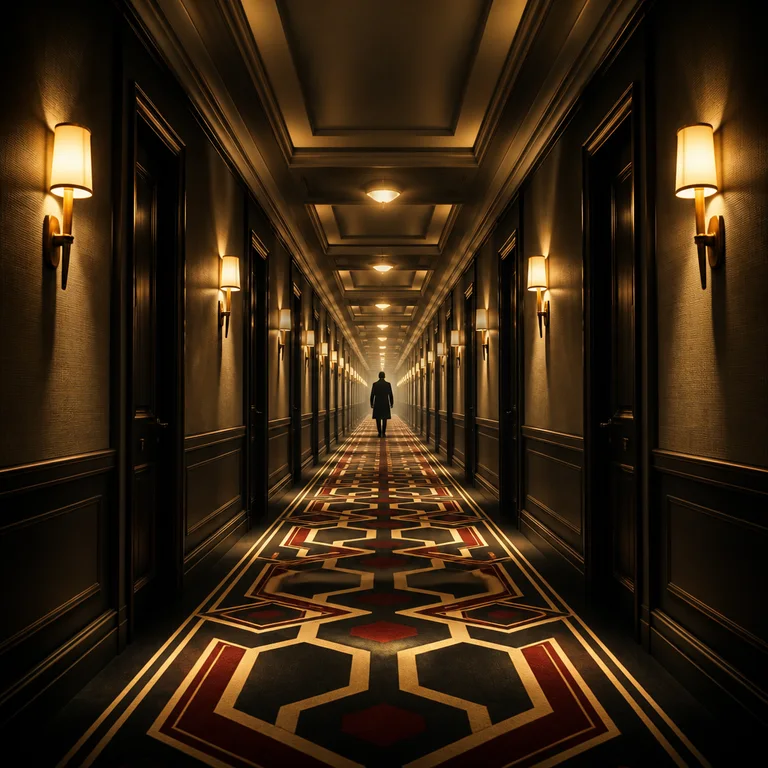
Kubrick Symmetric Wide
Stanley Kubrick's visual signature is the most analyzed in cinema history and the most replicable in still imagery. The shorthand is "one…
Open style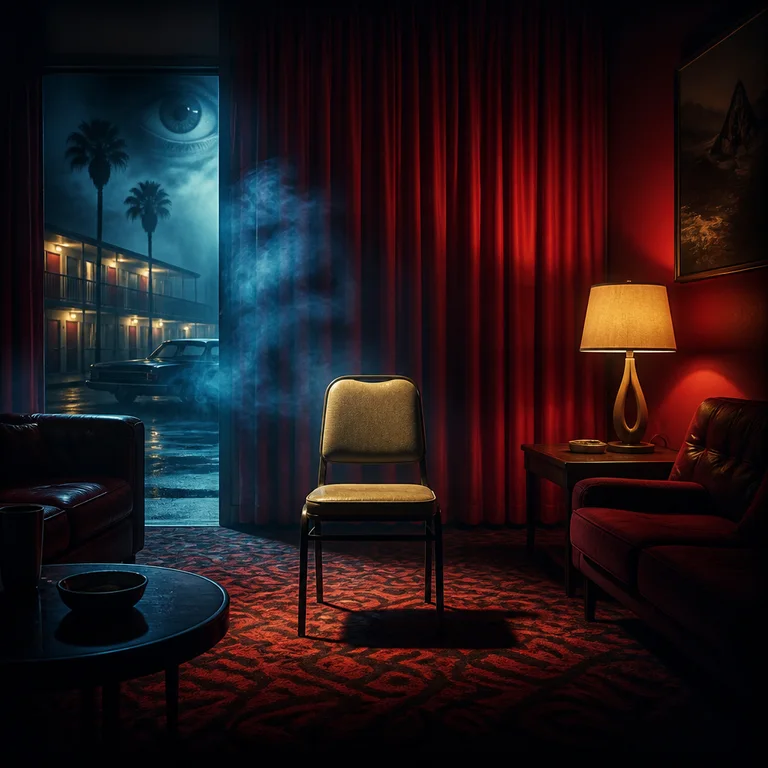
Lynch Dreamlike
David Lynch's visual language across Blue Velvet (1986), Twin Peaks (1990–91, 2017), Mulholland Drive (2001), and INLAND EMPIRE (2006) is…
Open style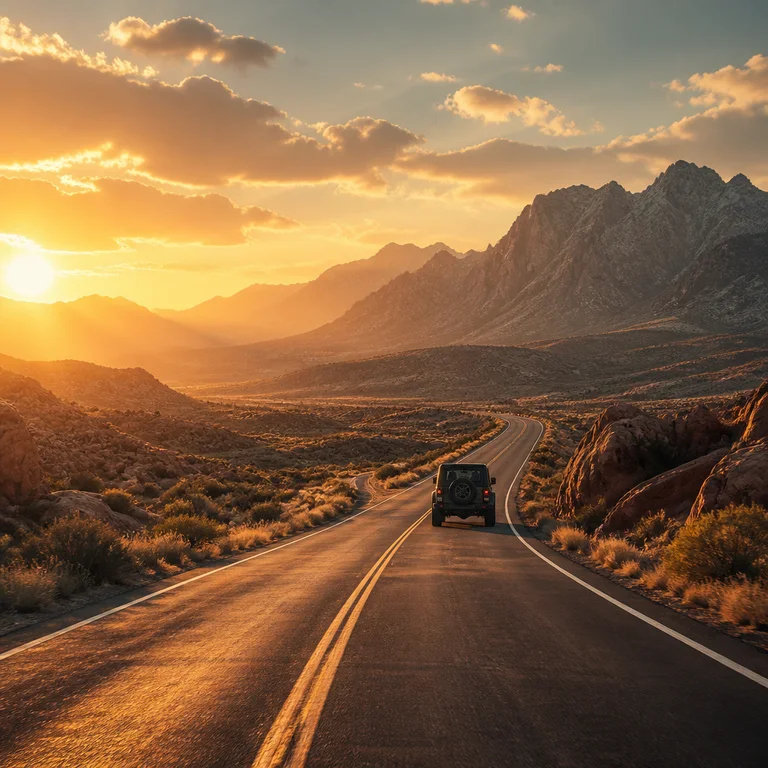
Roger Deakins Naturalism
Roger Deakins is the most decorated living cinematographer (16 Oscar nominations, 2 wins for Blade Runner 2049 and 1917) and the most imi…
Open style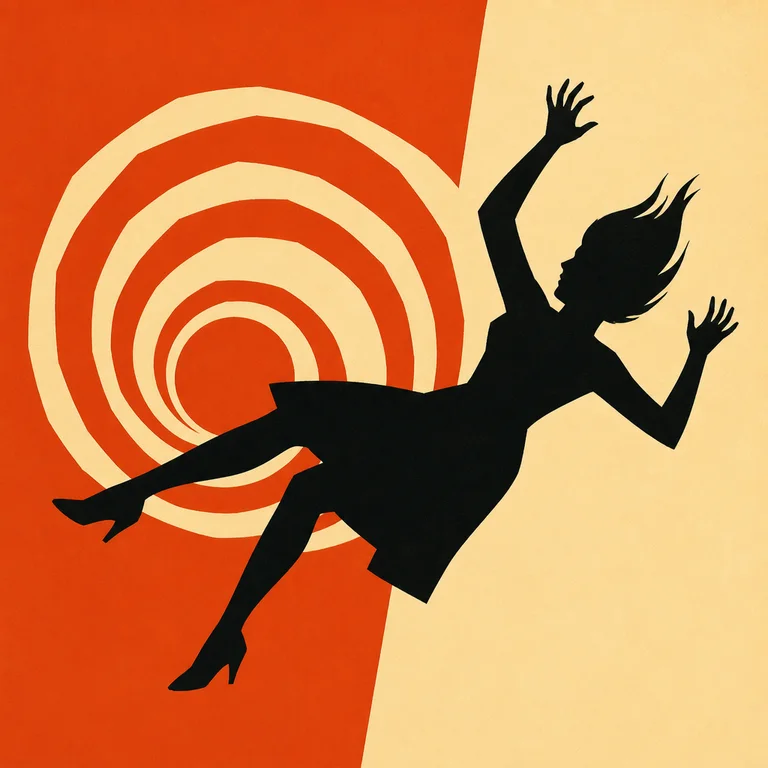
Saul Bass Title Card
Saul Bass (1920–1996) redefined what film title sequences could be — he made them part of the film, not a list of names to skip — and the…
Open style
Sofia Coppola Soft Pastel
Sofia Coppola's visual signature across her eight feature films — The Virgin Suicides (1999), Lost in Translation (2003), Marie Antoinett…
Open style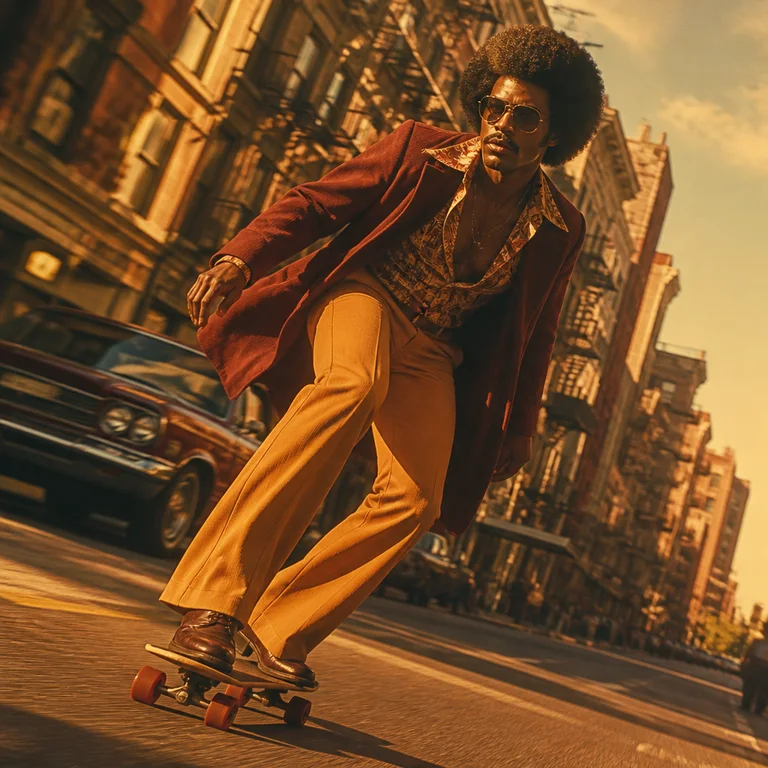
Spike Lee Double Dolly
Spike Lee's visual signature includes the most distinctive single shot in modern American cinema: the "double dolly," in which the camera…
Open style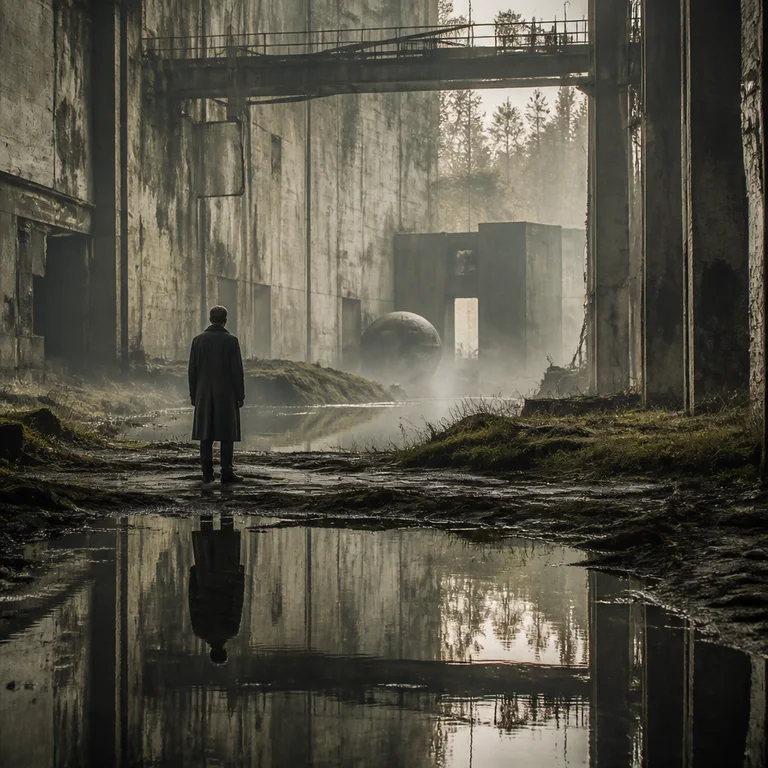
Tarkovsky Long-Take Naturalism
Andrei Tarkovsky directed seven feature films between 1962 and 1986 and is the canonical reference for slow, image-driven, philosophicall…
Open style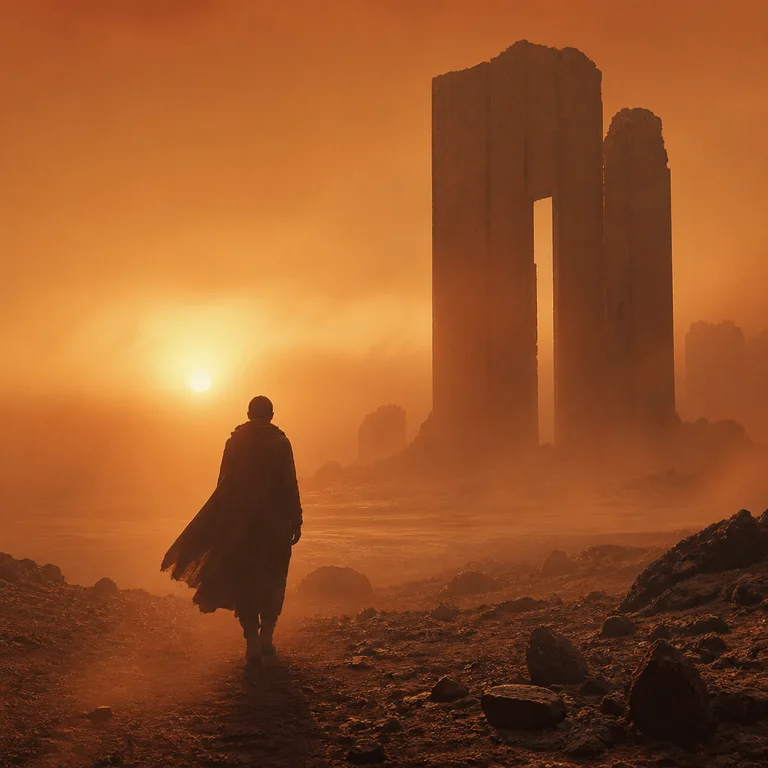
Villeneuve Monolithic Sci-Fi
Denis Villeneuve's science fiction films — Arrival (2016), Blade Runner 2049 (2017), Dune (2021), Dune: Part Two (2024) — have establishe…
Open style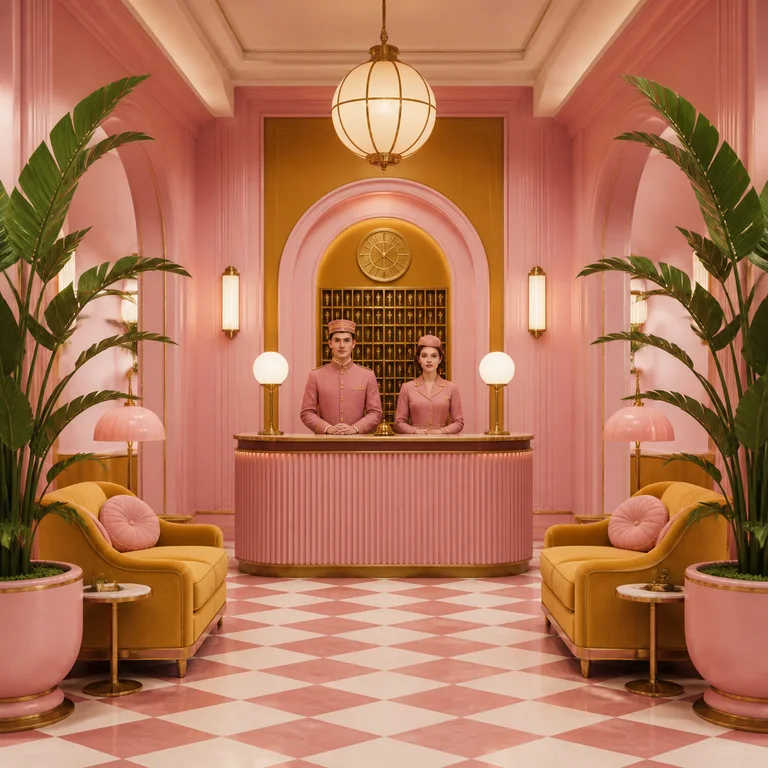
Wes Anderson Symmetric
Wes Anderson's visual language is the most imitated in contemporary cinema for a reason: it is rule-based and easy to identify. The rules…
Open style