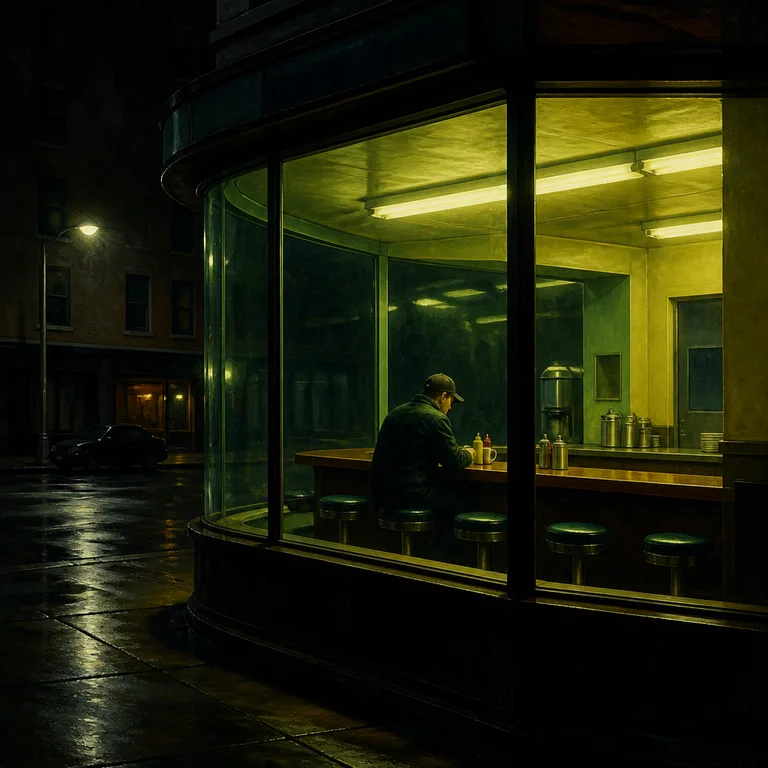
Description
Edward Hopper is the canonical American Realist of the twentieth century, and his particular contribution is a vocabulary for painted loneliness. The components are specific: large flat planes of architectural color (yellow walls, green roofs, red brick); strong directional sunlight or strong artificial interior light, almost never both balanced; one or two figures, always physically separated from each other within the frame; and an interest in the spaces between things — the empty stretch of bar, the long diner counter, the gas station at the edge of town. Hopper's compositions feel cropped, like a glance from a passing car. The architectural detail is selective — he simplifies, drops ornament, paints the building as a shape. Use it for moody interiors, urban or rural exteriors with a single figure, gas stations, diners, motels, theater scenes, and any image that should imply solitude and time. Closely related to Gregory Crewdson's photographic work and to film noir's compositional language. Limitations: not for crowds, not for action, not for warmth or intimacy. Specify "Hopper composition, single figure isolated in frame, large flat planes of color, strong directional light from one source."
Three pioneers
Every style in this catalog names three verifiable pioneers. This is the part of the drop test that takes the longest to write and is the easiest to spot when it's missing.
-
Edward Hopper
American painter, 1882–1967. Nighthawks (1942), Gas (1940), Office at Night (1940), and Early Sunday Morning (1930) are the canonical references.
-
Andrew Wyeth
American painter, 1917–2009. Christina's World (1948) and the long body of tempera-on-panel work continued and tightened Hopper's lonely-rural-America project.
-
Charles Sheeler
American Precisionist painter and photographer, 1883–1965. The clean, hard-edged, industrial-American architectural paintings (River Rouge series) sit alongside Hopper's quieter scenes as the other arm of American realism.
Contemporary revival
The 2022–23 Edward Hopper's New York exhibition at the Whitney (over 200,000 visitors), persistent Hopper references in television and film cinematography
The Whitney's Hopper retrospective was its most-attended show since 2017. During 2020 lockdowns, Nighthawks went viral as 'the painting that predicted social distancing' and was widely re-shared. Hopper imagery appears across the visual language of films like Days of Heaven, The Shawshank Redemption, and Mad Men.
Working prompts
Three prompts we've tested against current FairStack models. Copy and run.
-
all-night diner interior, three patrons at counter and one server, strong yellow-green fluorescent light, dark deserted street outside large plate-glass window, flat planes of color, Edward Hopper
-
rural gas station at dusk, single attendant, red pumps, white building, single light bulb above pumps, road disappearing into pine woods, painted simplification of architecture
-
morning sunlight slanting into empty motel room, single woman seated on bed in slip, white walls, geometric shadows on floor, painted not photographic
Recommended models
Models from FairStack's catalog that handle this style best. Sorted by price.
Related styles
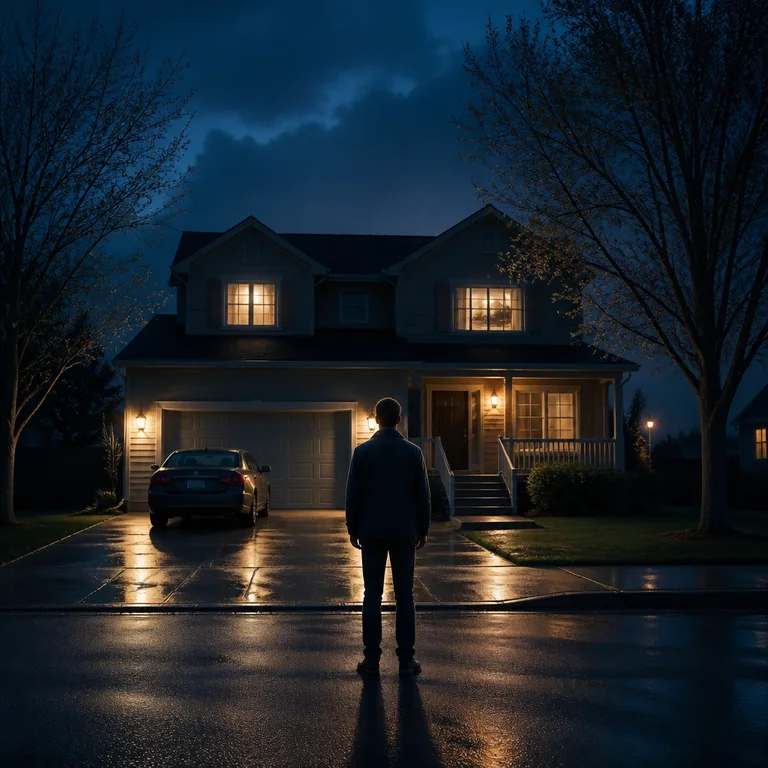
Gregory Crewdson Cinematic Still
Gregory Crewdson makes photographs that look like single frames from films that don't exist. Each image is shot on a soundstage or locati…
Open style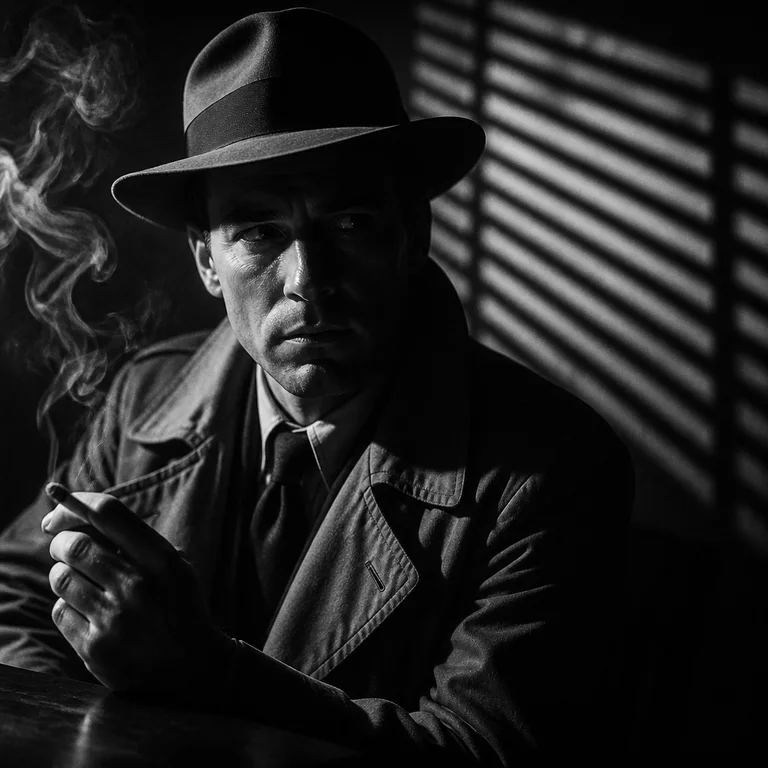
Film Noir
Film noir is not just "black and white." It is a specific photographic grammar built in 1940s Hollywood out of three constraints — German…
Open style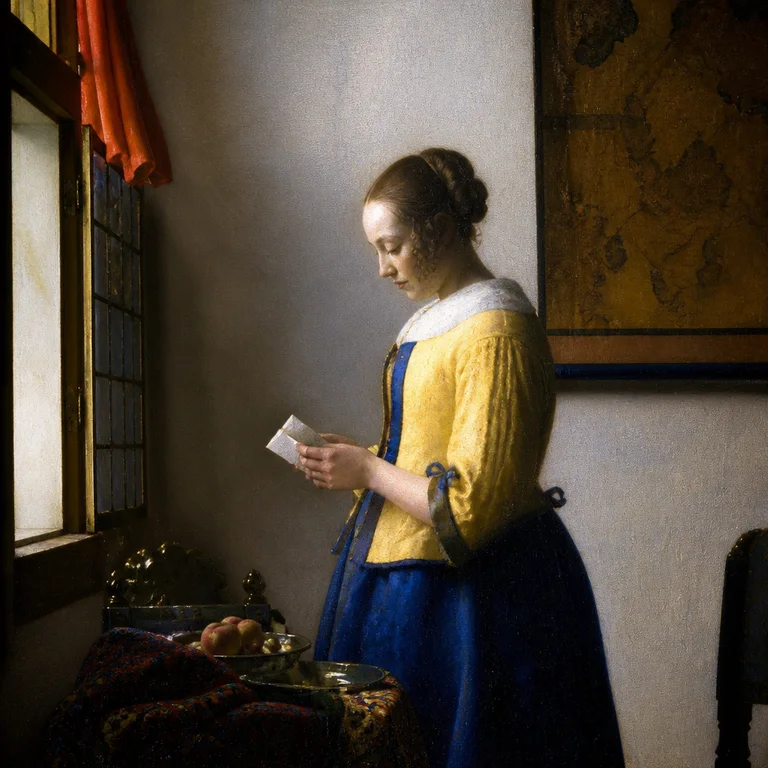
Dutch Golden Age (Vermeer)
The Dutch Golden Age (roughly 1620–1680) produced an unusually coherent body of small, intimate, light-driven paintings. Within that move…
Open style