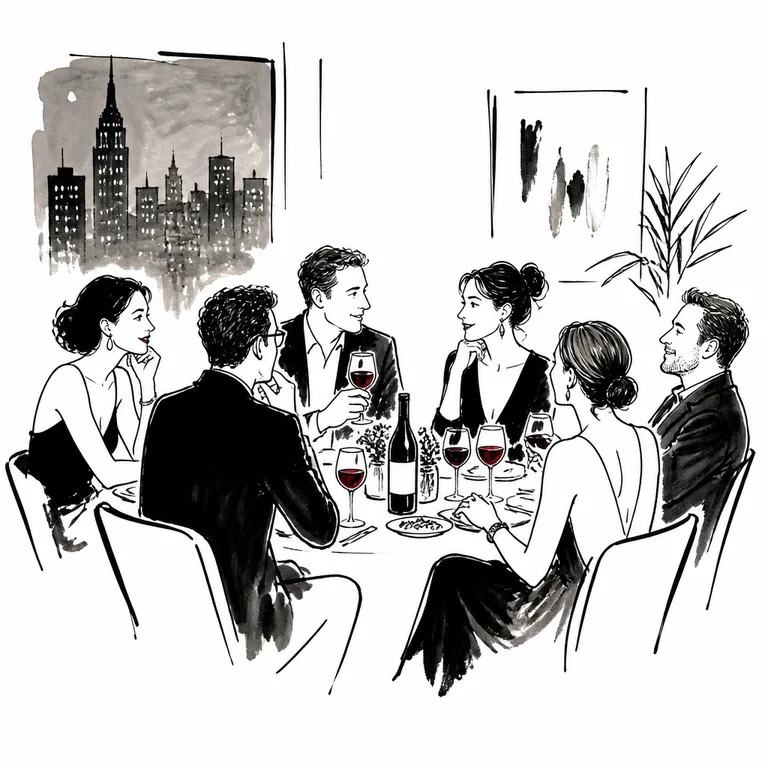
Description
The New Yorker has run editorial illustration and cartoons in a coherent visual language for nearly a century. The style is not one artist — it is a curatorial filter — but the recurring traits are specific: ink-based linework with visible drawing rhythm (not vector-clean); restrained color, often single-spot or a tight three-color palette; observational rather than fantastical subjects (urban life, dinner parties, dogs, professions); a slightly elevated, slightly weary point of view; and a willingness to leave large areas of paper empty. Within that house style there are recognizable individual voices — Saul Steinberg's labyrinthine lines, Roz Chast's anxious crowded panels, Edward Sorel's caricatured grotesques, Maira Kalman's gouache-and-hand-lettering — but they all sit inside the same recognizable editorial frame. Use it for sophisticated editorial illustration, opinion pieces, urban observation, single-panel concept gags, and any image that should read as a wry comment rather than a depiction. Limitations: not for action, not for high color, not for fantasy. Specify the artist if you have one in mind (Steinberg crowd, Chast anxiety, Kalman gouache), and prompt for "ink line with visible drawing rhythm, single-spot color, restrained editorial composition."
Three pioneers
Every style in this catalog names three verifiable pioneers. This is the part of the drop test that takes the longest to write and is the easiest to spot when it's missing.
-
Saul Steinberg
Romanian-American artist, 1914–1999. View of the World from 9th Avenue (1976 New Yorker cover) is one of the most-reproduced magazine covers in history. Set the visual rules for the entire post-war New Yorker style.
-
Roz Chast
American cartoonist. New Yorker contributor since 1978; over 1,400 cartoons published. Codified the anxious-crowded-panel grammar that defines contemporary editorial cartooning.
-
Maira Kalman
American illustrator and author. New Yorker covers and editorial since the 1990s. Her gouache-with-hand-lettering approach defines the contemporary 'soft' end of New Yorker editorial style.
Contemporary revival
Sustained relevance of The New Yorker brand and the broader 2020s 'literary illustration' revival, including Adrian Tomine's editorial work and the success of David Sedaris–illustrated audiobooks
The New Yorker remains one of the most-subscribed weekly magazines in North America (over 1.2M print + digital subscribers). New Yorker covers consistently go viral on social media. Roz Chast's Can't We Talk About Something More Pleasant (2014) was a #1 NYT bestseller.
Working prompts
Three prompts we've tested against current FairStack models. Copy and run.
-
urban dinner party with six guests around a small table, ink line with visible drawing rhythm, single spot of red wine color, large areas of white space, observational not realistic, New Yorker editorial style
-
small dog looking up at very tall human in city sidewalk, ink hatching, restrained two-color palette of black and warm sage, white background, Roz Chast anxious detail
-
view of Manhattan from West Side at dusk, Steinberg-style elongated buildings, hand-drawn ink, spot of yellow taxi-cab color, no figures
Recommended models
Models from FairStack's catalog that handle this style best. Sorted by price.
Related styles
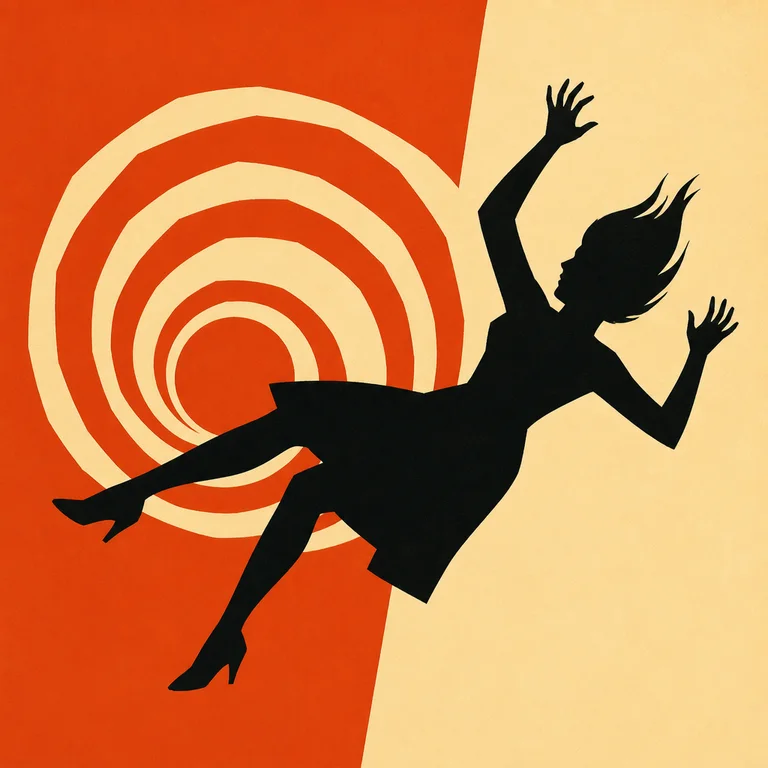
Saul Bass Title Card
Saul Bass (1920–1996) redefined what film title sequences could be — he made them part of the film, not a list of names to skip — and the…
Open style
Modern Webtoon
Webtoon is the Korean-originated vertical-scroll digital comic format that has, since roughly 2015, become the dominant comics format glo…
Open style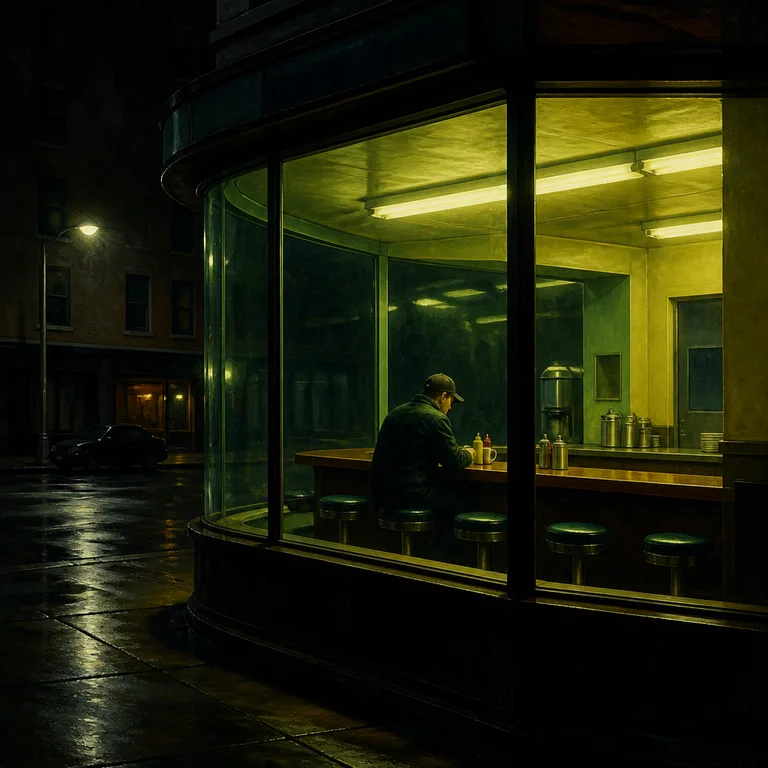
American Realism (Hopper)
Edward Hopper is the canonical American Realist of the twentieth century, and his particular contribution is a vocabulary for painted lon…
Open style
Cottagecore
Cottagecore is the 2017–present internet aesthetic that romanticizes pre-industrial European rural life. The visual rules are not histori…
Open style