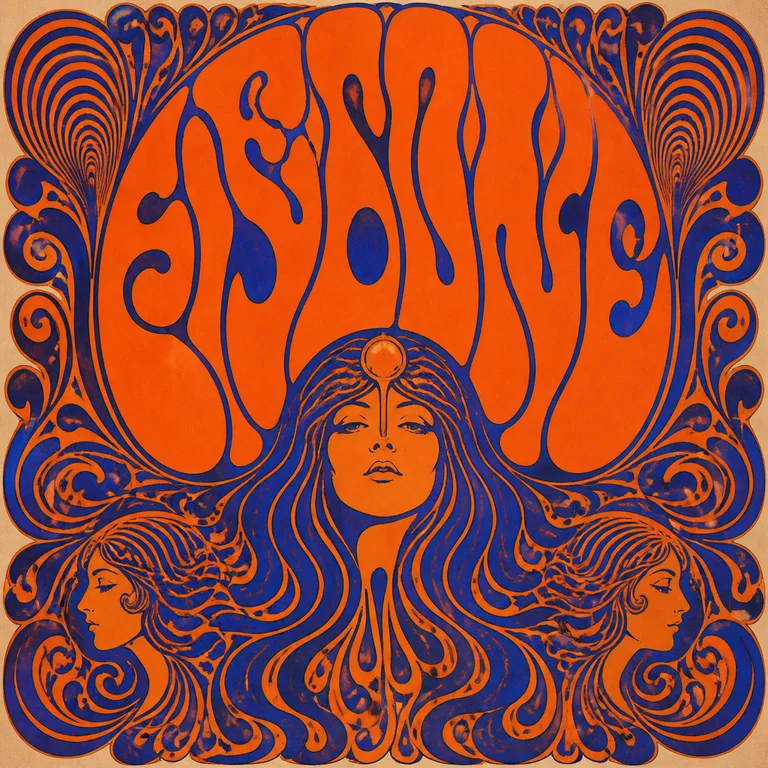
Description
Psychedelic poster art is the visual language of San Francisco between 1965 and 1969 — the Fillmore, the Avalon Ballroom, the Family Dog dance halls, and the Haight-Ashbury counterculture. The look is contained and specific despite its reputation for chaos. It runs on five rules. One — vibrating complementary color pairs (orange against electric blue, magenta against lime green) tuned to almost-equal luminance, which makes the edges shimmer when you look at them. Two — hand-drawn lettering that bends and warps to fill every available space, often barely legible (intentionally — you have to work for it). Three — Art Nouveau-derived organic curves (Mucha is the direct ancestor) carrying ornamental detail across every surface. Four — Beardsley-influenced and Eastern-religious motifs — mandalas, lotus, eyes, gurus, paisley. Five — printing on cheap paper with hand-mixed inks and intentional registration shift to add visual noise. Use it for music posters, festival graphics, counterculture period work, album art, and any image meant to feel hand-made, dense, and slightly unsettling. It does not do clean, minimal, or readable. Models default to a generic "trippy gradient" if asked vaguely — specify "1960s Fillmore poster, Wes Wilson hand-drawn lettering, vibrating complementary colors, Mucha-derived organic curves, dense ornamental composition."
Three pioneers
Every style in this catalog names three verifiable pioneers. This is the part of the drop test that takes the longest to write and is the easiest to spot when it's missing.
-
Wes Wilson
American designer, 1937–2020. The Fillmore Auditorium house poster artist 1966–1967 (BG-1 through BG-90 series). His warped, hand-drawn lettering defined what 'psychedelic typography' means.
-
Victor Moscoso
Cuban-American designer, born 1936. Posters for the Avalon Ballroom and Family Dog (1966–67). Introduced the vibrating-complementary-color technique he learned from Josef Albers at Yale.
-
Stanley Mouse and Alton Kelley
American design partnership. Grateful Dead skeleton-and-roses poster (1966), Mouse & Kelley Studios posters for the Family Dog. Their Mucha-derived ornamental work is the canonical 'San Francisco poster' look.
Contemporary revival
Tame Impala's visual identity (Currents 2015, The Slow Rush 2020), the persistent festival-poster tradition at Coachella / Outside Lands, and the 2023 Beyond the Streets 'Art in the Streets: West Coast' exhibition
Tame Impala's psychedelic-revival aesthetic has driven 5B+ Spotify streams and a cycle of festival headliner-poster commissions. #psychedelicart on Instagram exceeds 4M posts; #fillmoreposter sits around 200K. Music-poster artists like Emek, Tyler Stout, and Chuck Sperry sell limited-edition silk-screen prints for $100–$500 with regular sellouts in minutes. The Mouse & Kelley estate and Wes Wilson archives have major museum representation (SF MOMA, Smithsonian).
Working prompts
Three prompts we've tested against current FairStack models. Copy and run.
-
1960s Fillmore Auditorium psychedelic poster, Wes Wilson hand-drawn lettering bending to fill every space, vibrating complementary orange and electric blue, dense organic Mucha-derived curves, music band name barely legible, cheap paper texture
-
psychedelic rock poster 1967, Mouse and Kelley style, skeleton garlanded with roses, magenta and lime green vibration, ornamental paisley border, hand-mixed silk-screen ink, registration shift
-
Avalon Ballroom poster, Victor Moscoso style, vibrating complementary color pairs at equal luminance, dense lettering filling poster, optical-art ornamental composition, 1967 counterculture
Recommended models
Models from FairStack's catalog that handle this style best. Sorted by price.
Related styles
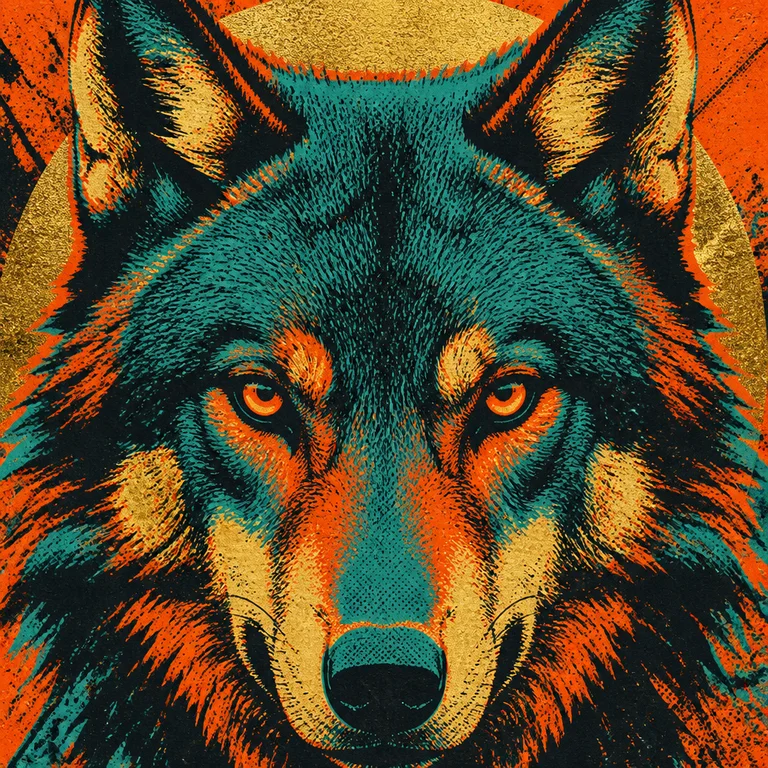
Screen-Printed Concert Poster
The American screen-printed concert poster — also called the gig poster — has a continuous lineage from the 1965 Fillmore Auditorium post…
Open style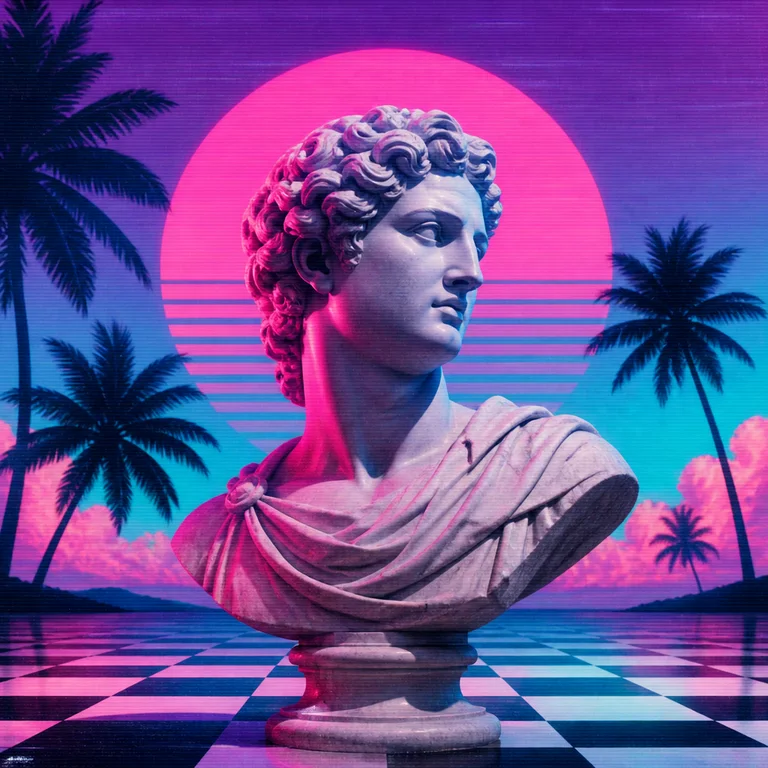
Vaporwave
Vaporwave is the internet-native aesthetic that emerged around 2010–2012 from chopped-and-screwed remixes of 1980s muzak, smooth jazz, an…
Open style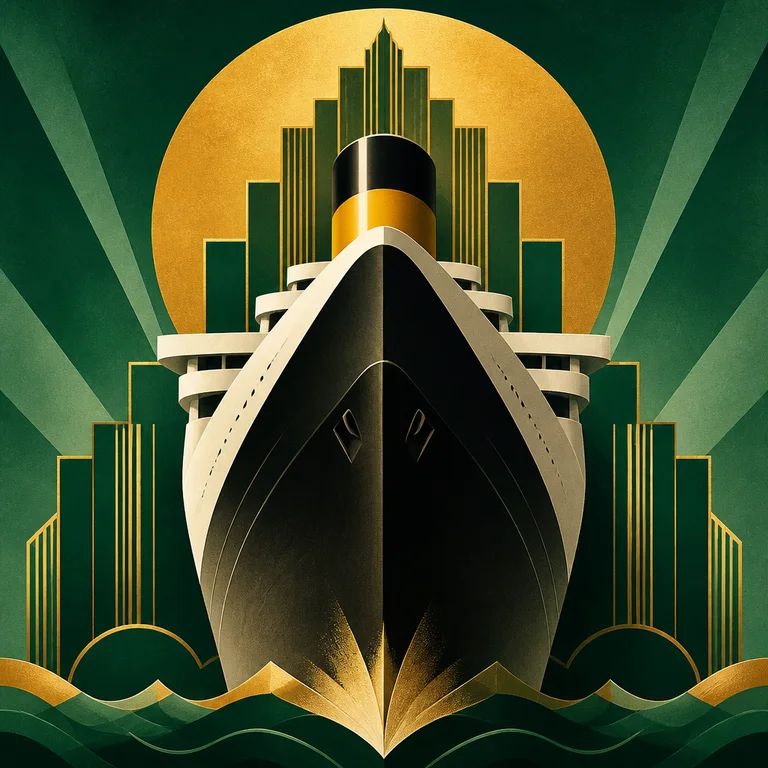
Art Deco Poster
Art Deco poster design — roughly 1910 to 1940, peaking in Paris between the 1925 Exposition Internationale and the early 1930s — has a vi…
Open style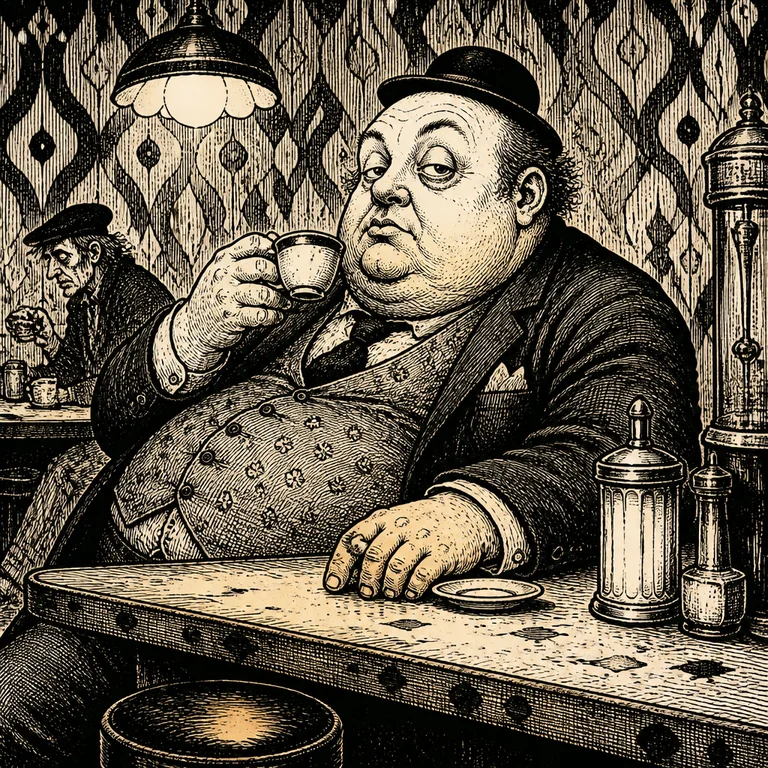
Underground Comix (R. Crumb)
Underground comix (the "x" spelling is original to the movement, used to distinguish from mainstream Comics Code-approved comic books) em…
Open style