Category · Painting
Painting
Painting is grouped by movement, not by medium — the question "is this oil or acrylic" is less useful than "is this Rothko or Hopper". Western, Japanese, and Dutch traditions all sit here when the work is painted. We chose pioneers whose work is documentably the canonical reference for that movement — Vermeer for Dutch Golden Age, Monet for Impressionism, Van Gogh for Post-Impressionism — and named the actual movement-defining pieces in each. A request for "oil painting" is too broad to be a style; a request for "Hokusai's wave" is exact.
Tags in this category
Styles in this category
12 styles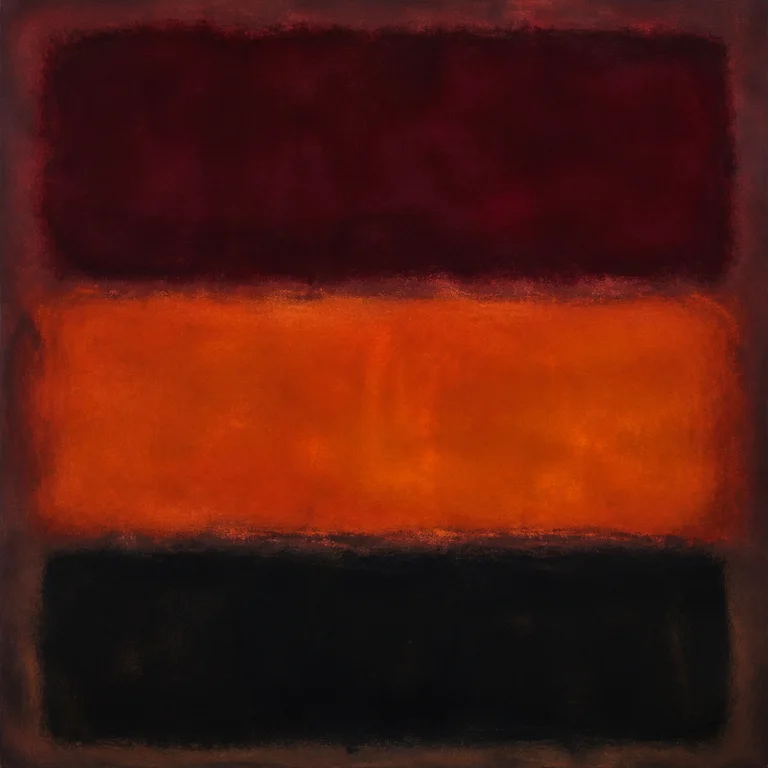
Abstract Expressionism (Rothko)
Abstract Expressionism was the first internationally dominant American art movement, centered in New York from roughly 1945 to 1960. It s…
Open style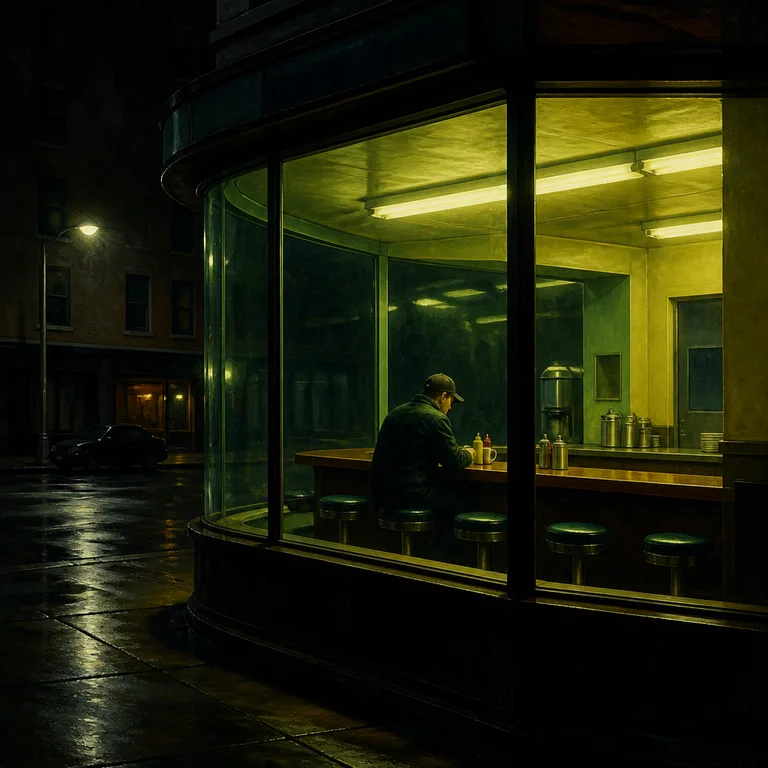
American Realism (Hopper)
Edward Hopper is the canonical American Realist of the twentieth century, and his particular contribution is a vocabulary for painted lon…
Open style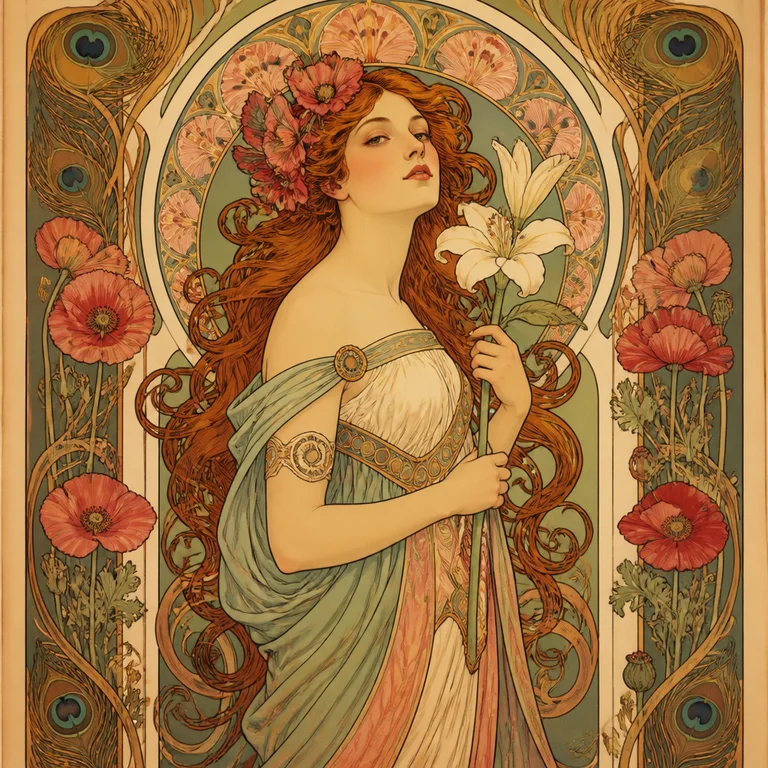
Art Nouveau (Mucha)
Art Nouveau was a decorative-arts movement that swept Europe and the United States between roughly 1890 and 1910. Within visual art, the…
Open style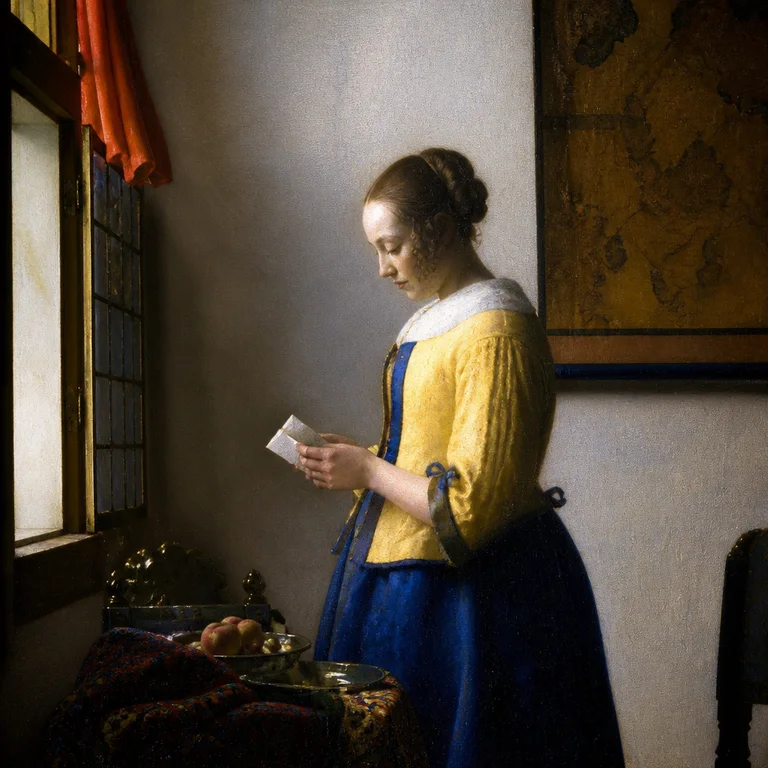
Dutch Golden Age (Vermeer)
The Dutch Golden Age (roughly 1620–1680) produced an unusually coherent body of small, intimate, light-driven paintings. Within that move…
Open style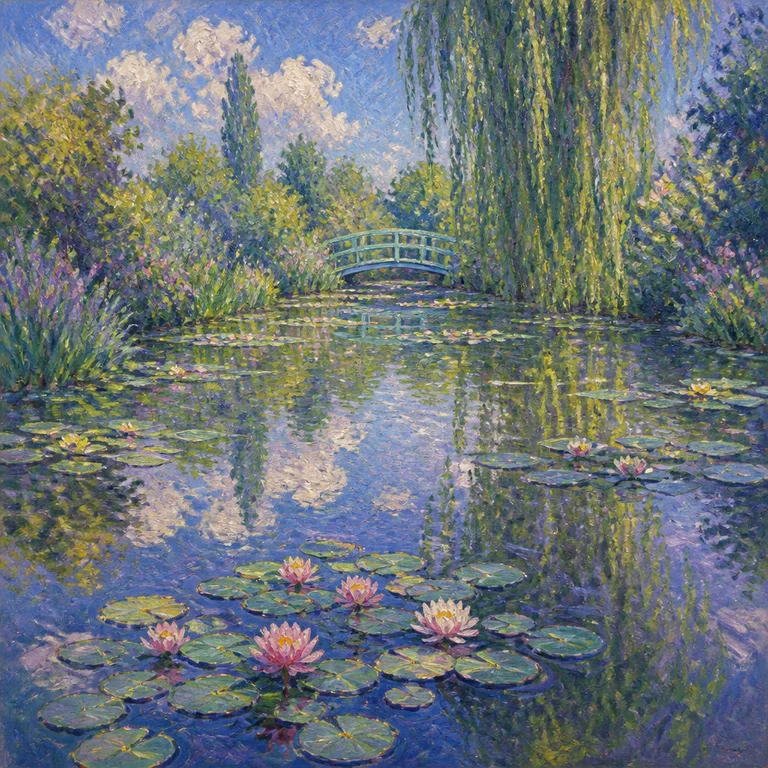
Impressionism (Monet)
Impressionism (1872–1886, peak years) was the first movement to take painting outside the studio and treat the act of seeing — not the ac…
Open style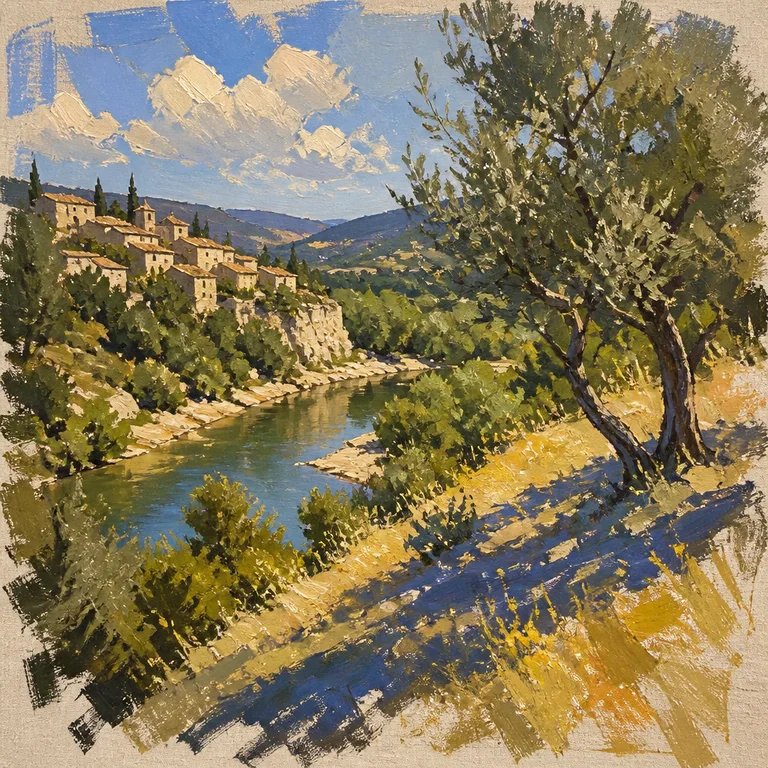
Plein Air Landscape
Plein air ("in the open air") painting is the practice of painting a landscape in front of the landscape — directly, in one or two sittin…
Open style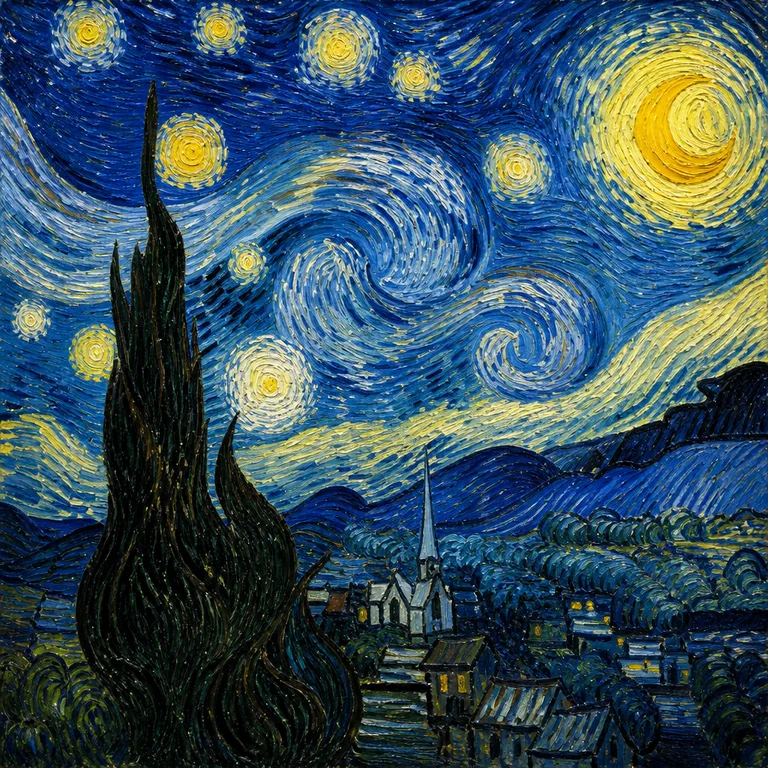
Post-Impressionism (Van Gogh)
Post-Impressionism was the loose collection of painters (1886–1905) who accepted the Impressionists' premise — broken color, painted in t…
Open style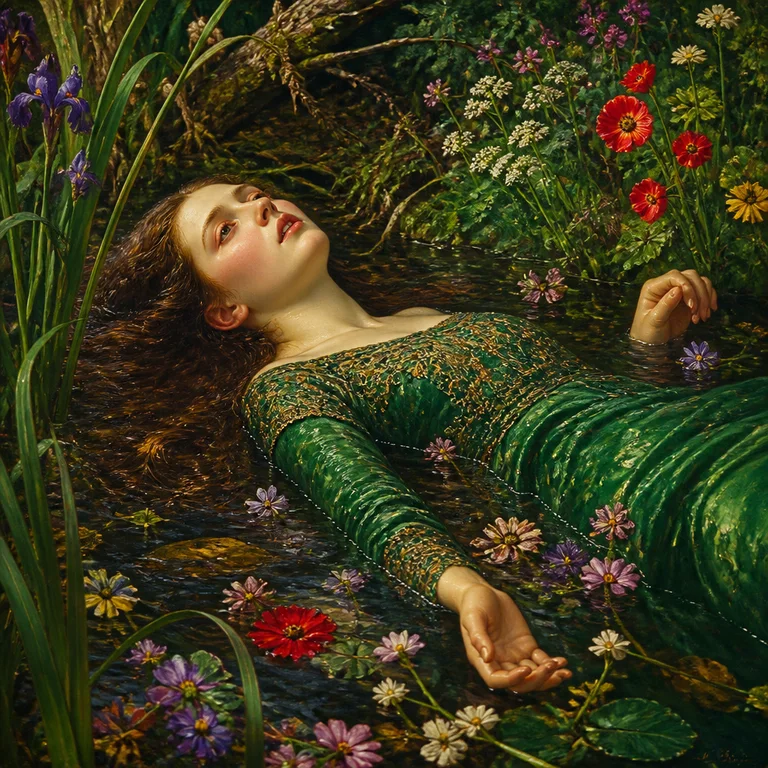
Pre-Raphaelite
The Pre-Raphaelite Brotherhood was a small group of British painters — initially Dante Gabriel Rossetti, John Everett Millais, and Willia…
Open style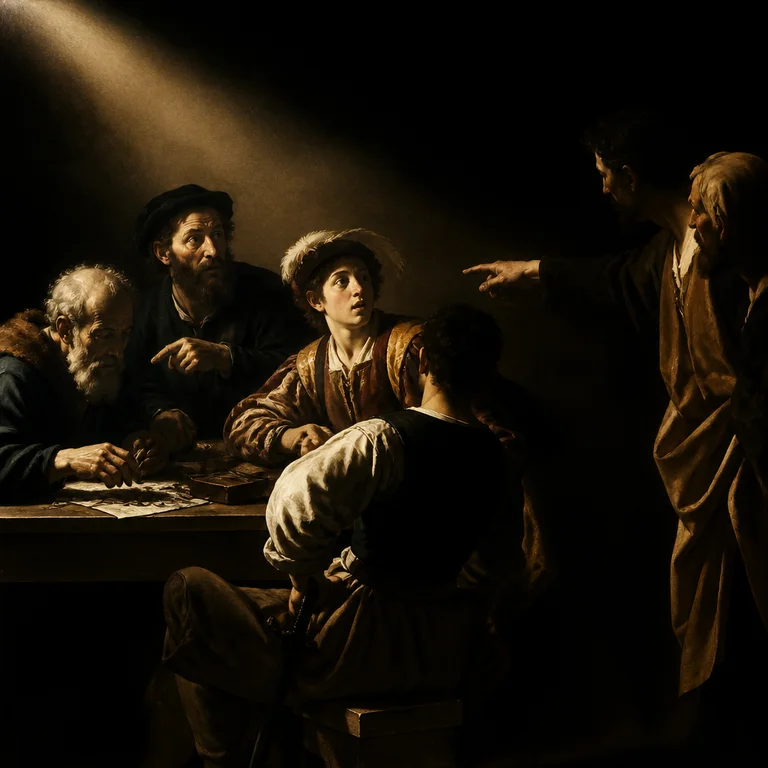
Renaissance Chiaroscuro
Chiaroscuro — literally "light-dark" in Italian — names the late-Renaissance and Baroque practice of modeling figures with strong contras…
Open style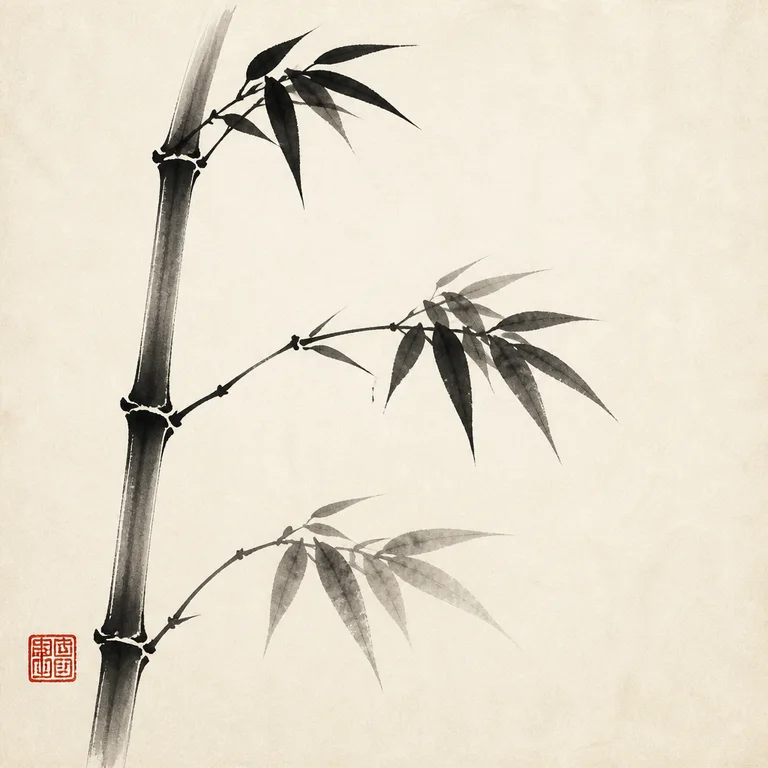
Sumi-e Ink Wash
Sumi-e ("ink picture") is the Japanese name for ink-wash painting introduced from China by Zen Buddhist monks in the 14th century. The pr…
Open style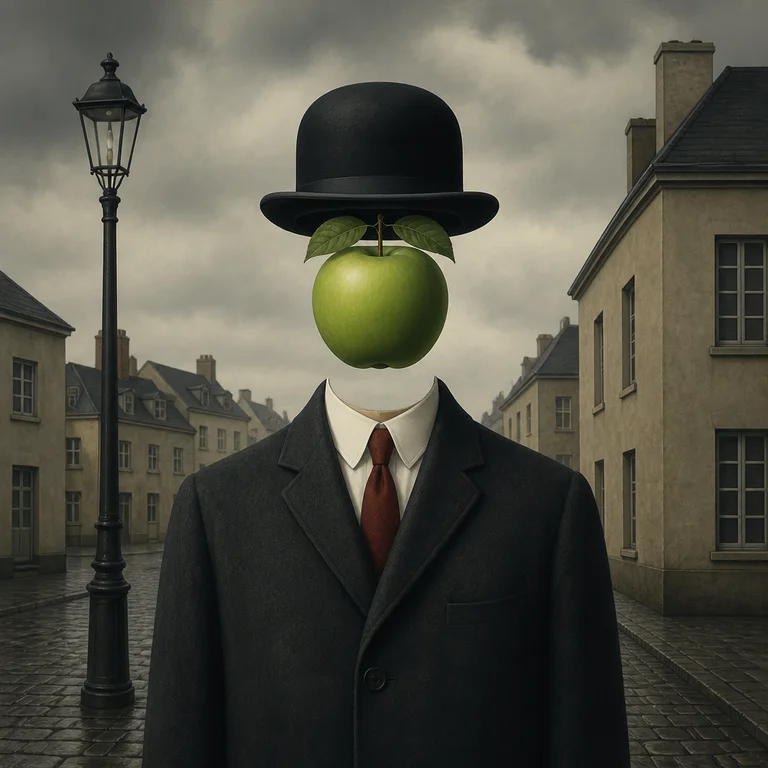
Surrealism (Magritte)
Surrealism, founded by André Breton's 1924 Manifesto, was a literary and visual movement built on Freud's unconscious — automatism, dream…
Open style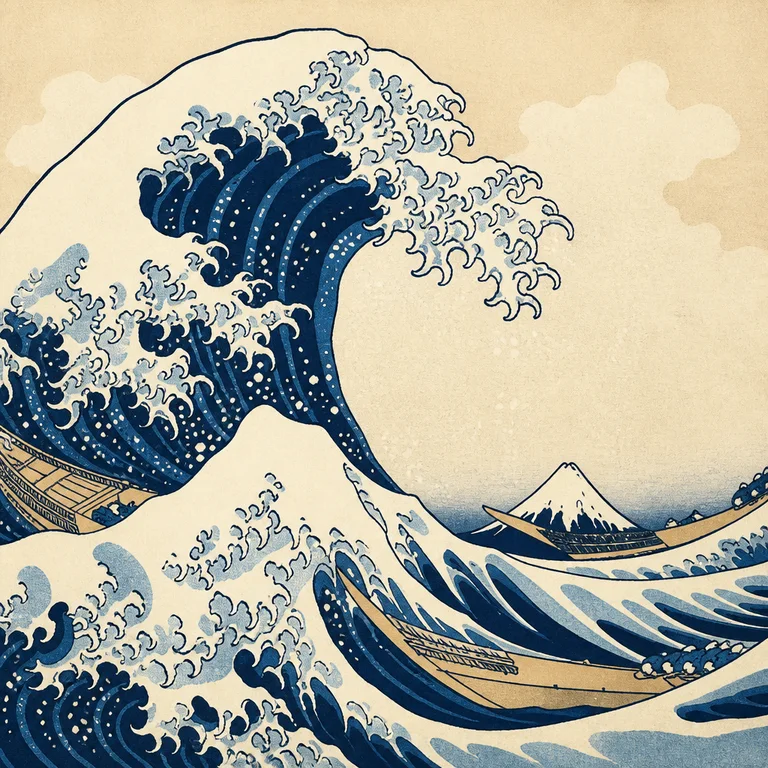
Ukiyo-e Woodblock
Ukiyo-e — "pictures of the floating world" — is the dominant Japanese print tradition from roughly 1660 to 1900. The images were carved i…
Open style