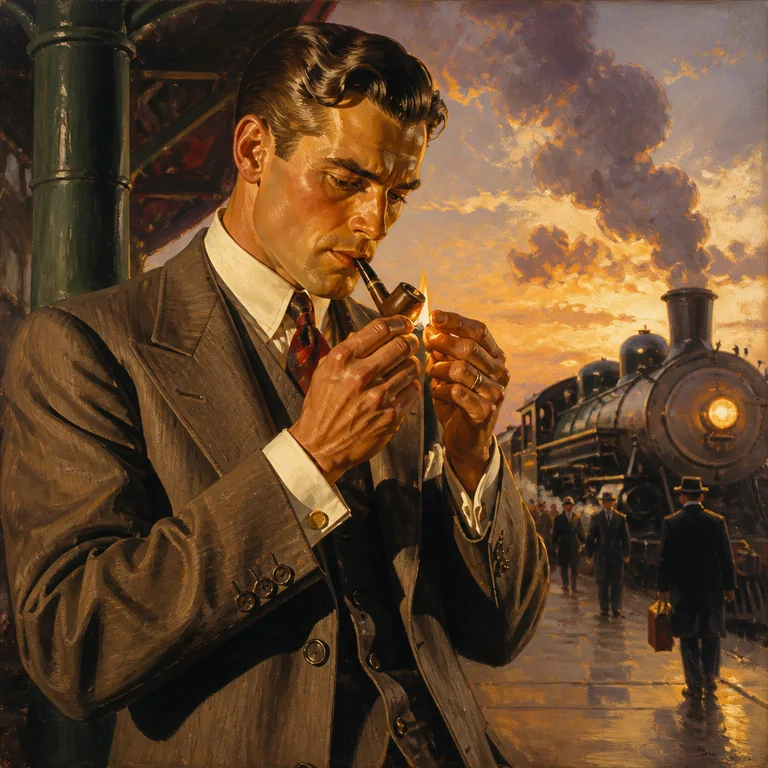
Description
Golden Age illustration is the painted American narrative illustration that filled magazine covers, advertising, and book plates from roughly 1880 to 1950, before photography displaced it. It is oil and gouache picture-making with academic draughtsmanship behind it — the opposite of flat graphic design — and it has a specific, identifiable look that "vintage poster" does not capture. Visual rules: fully rendered, painterly realism with confident anatomy and drapery; a single staged dramatic or sentimental moment with a clear narrative read, composed like a stage scene; warm, controlled palette with a strong key light and deliberate edge control — sharp focal edges, softened transitions elsewhere; idealised but specific faces and gestures; a defined ground and atmosphere rather than isolated subjects; visible but disciplined brushwork; period American subject matter and clothing. Leyendecker's particular tell is the crisp, sculptural "puzzle-piece" facet of light on cloth and skin. Use it for nostalgic Americana, premium product and packaging, narrative editorial covers, movie-poster-lineage work, and any image that should feel like a 1920s magazine cover painting. It does not do flat colour, minimalism, or photographic literalism — it is interpretive painting with academic bones. Models give generic "vintage illustration." Specify "Golden Age American illustration, painterly oil rendering, single staged narrative moment, strong warm key light with disciplined edge control, idealised specific faces, period American subject, Leyendecker or Rockwell Saturday Evening Post lineage."
Three pioneers
Every style in this catalog names three verifiable pioneers. This is the part of the drop test that takes the longest to write and is the easiest to spot when it's missing.
-
J.C. Leyendecker
German-American illustrator, 1874–1951. Created the Arrow Collar Man and painted 322 Saturday Evening Post covers — more than anyone except Rockwell, who idolised him. Defined the crisp, sculptural facet-of-light rendering that is the era's most imitated tell.
-
Norman Rockwell
American illustrator, 1894–1978. 321 Saturday Evening Post covers (1916–1963); the Four Freedoms (1943). The defining narrative-Americana storyteller of the period, working from staged photographic reference into fully painted scenes.
-
Howard Pyle
American illustrator and teacher, 1853–1911. Founded the Brandywine School and taught the generation that followed (N.C. Wyeth, Frank Schoonover); his dramatic pirate and historical plates set the narrative-illustration teaching tradition the Golden Age ran on.
Contemporary revival
The Norman Rockwell Museum, the documented Leyendecker rediscovery of 2024, and the Drew Struzan movie-poster lineage
The Norman Rockwell Museum in Stockbridge, Massachusetts is a permanent institution with continuous touring exhibitions and the largest Rockwell archive in the world. The Leyendecker rediscovery is concrete and recent: Taschen reissued the definitive J.C. Leyendecker monograph and the National Museum of American Illustration (Newport) holds the largest Leyendecker collection and has run dedicated exhibitions; coverage of his commercial and personal story climbed sharply through 2023–2024. The lineage is explicitly traced through Drew Struzan — the Star Wars, Indiana Jones, and Back to the Future poster painter — whose 2013 documentary Drew: The Man Behind the Poster and continued print/Mondo-poster market keep painted narrative illustration in active demand. #goldenageillustration and the broader 'painted poster vs. Photoshop' debate are a standing reference point in illustration discourse.
Working prompts
Three prompts we've tested against current FairStack models. Copy and run.
-
Golden Age American magazine cover painting, a man in a 1920s tailored suit lighting a pipe on a station platform at dusk, fully rendered painterly oil, strong warm key light with crisp sculptural facet-of-light on the cloth, disciplined edge control, idealised specific face, Leyendecker Saturday Evening Post lineage
-
Rockwell-style narrative scene, a small-town barber shop with three figures mid-anecdote, staged like a stage set, warm controlled palette, gentle humour, fully painted atmosphere
-
Brandywine School historical plate, a cloaked figure on a storm-lit clifftop, dramatic single moment, painterly realism, confident anatomy, Howard Pyle composition
Recommended models
Models from FairStack's catalog that handle this style best. Sorted by price.
Related styles
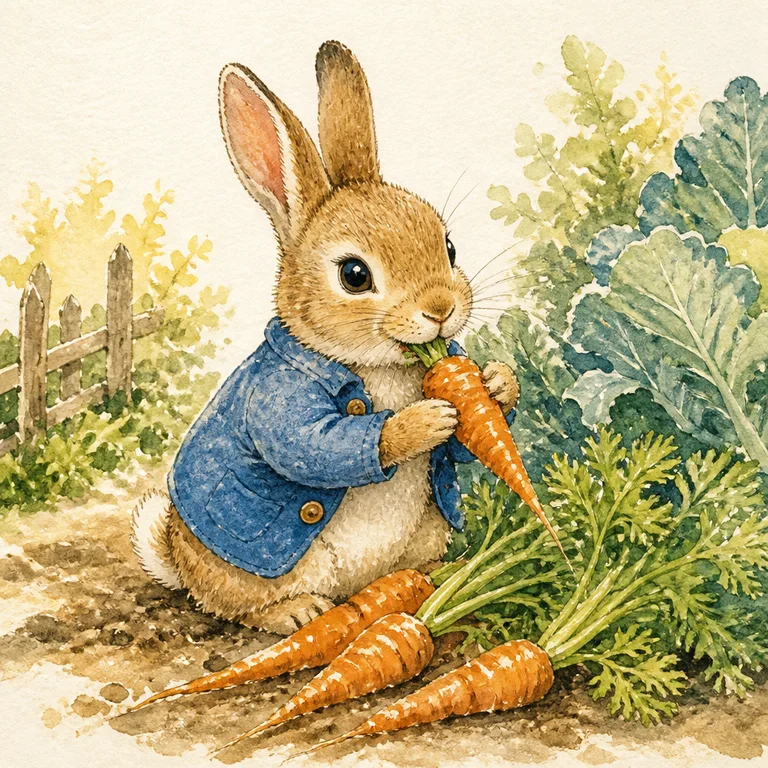
Children's Book Watercolor
"Children's book watercolor" is not one style — it is a continuous tradition stretching from Beatrix Potter's Peter Rabbit (1902) through…
Open style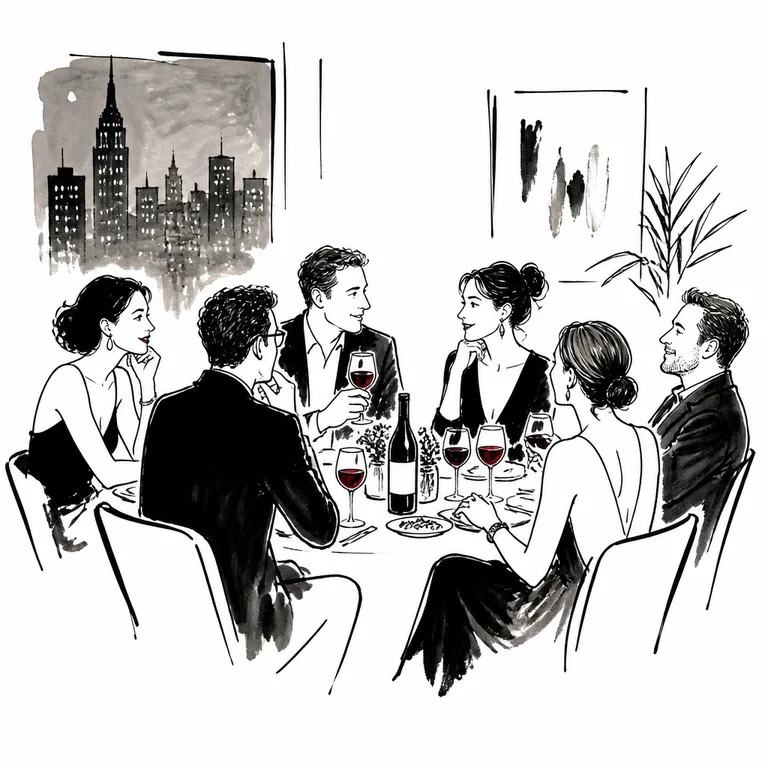
New Yorker Editorial Ink
The New Yorker has run editorial illustration and cartoons in a coherent visual language for nearly a century. The style is not one artis…
Open style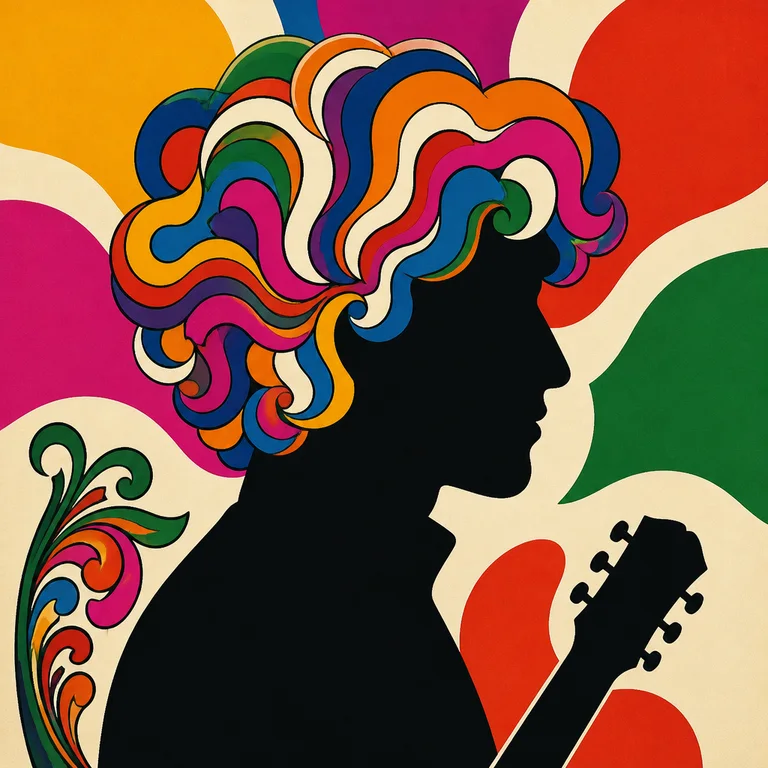
Milton Glaser Pop
Milton Glaser Pop is the warm, eclectic, idea-first American graphic illustration that came out of Push Pin Studios from 1954 onward — th…
Open style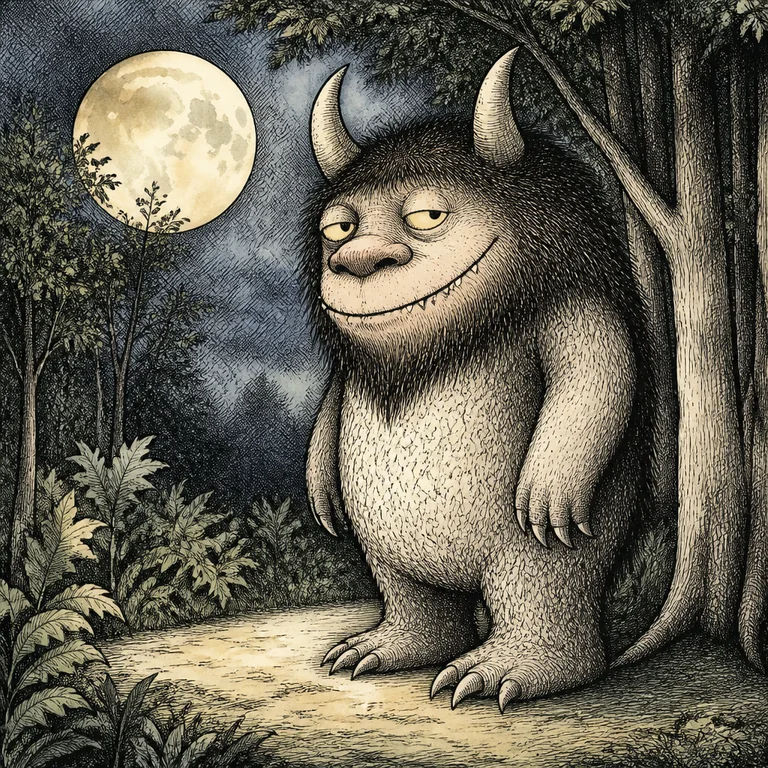
Maurice Sendak Crosshatch
Maurice Sendak's mature style — Where the Wild Things Are (1963), In the Night Kitchen (1970), Outside Over There (1981) — is built on de…
Open style