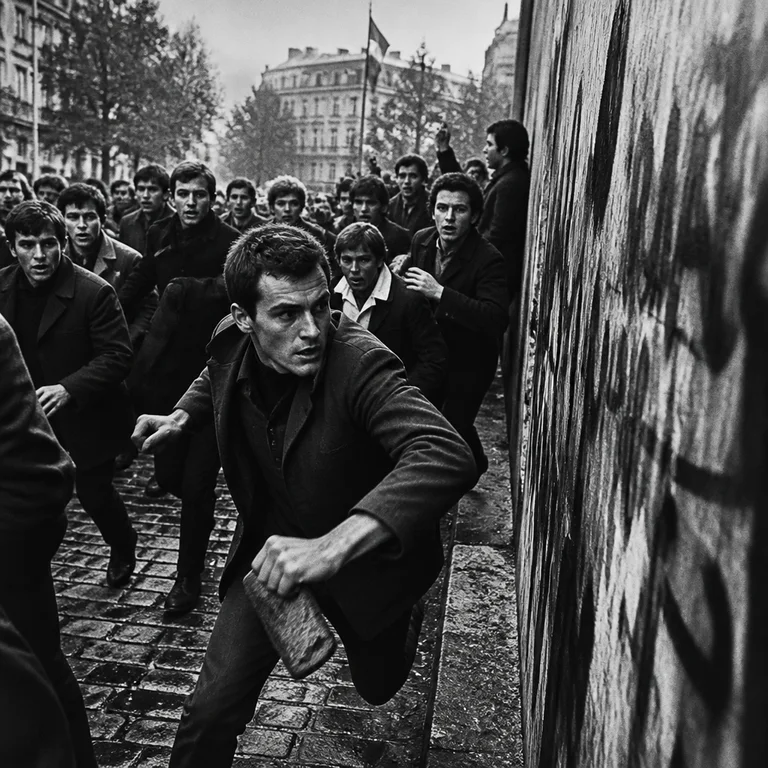
Description
Magnum Photos was founded in 1947 by Henri Cartier-Bresson, Robert Capa, David "Chim" Seymour, and George Rodger as a photographer-owned cooperative — the first agency where photographers controlled their own negatives, captions, and assignments. The agency's seven-plus decades of work define what "documentary photography" looks like in the Western tradition. Visual rules are technical and ethical at once. 35mm rangefinder cameras (Leica M-series predominantly), available light, fast lenses (35mm and 50mm primes), high-ISO film pushed when necessary; black-and-white throughout most of the agency's history with color admitted reluctantly from the late 1960s on; the "decisive moment" — Cartier-Bresson's term for the geometric coincidence of subject, light, and composition that can only be caught, not arranged; a strong refusal of staging, retouching, or composite imagery; captions that name the subject and place rather than ascribing emotion. Use it for documentary photography, photojournalism, humanitarian and conflict imagery, longform editorial, and any image that should read as witnessed rather than constructed. Generative models default to "vintage photojournalism" cliché. Specify "Magnum-school documentary, 35mm rangefinder Leica, available light, 1960s or 1970s assignment, single decisive geometric moment, no staging, black-and-white film with visible grain, Cartier-Bresson or Eve Arnold reference."
Three pioneers
Every style in this catalog names three verifiable pioneers. This is the part of the drop test that takes the longest to write and is the easiest to spot when it's missing.
-
Henri Cartier-Bresson
French photographer, 1908–2004. Co-founded Magnum 1947. The Decisive Moment (1952, originally Images à la sauvette) is the foundational text. His Leica-and-50mm available-light approach set the agency's working method.
-
Robert Capa
Hungarian-American photographer, 1913–1954. Magnum co-founder; defined modern war photography (Spanish Civil War, D-Day landings 1944). Killed by a landmine in Indochina at 40. Capa's 'if your pictures aren't good enough, you aren't close enough' is the agency's working ethic.
-
Eve Arnold
American photographer, 1912–2012. First woman to join Magnum (1957). Documented Marilyn Monroe, Malcolm X, and rural China; widened the agency's project beyond European male photojournalism. Worked into her nineties.
Contemporary revival
Magnum's ongoing print-sales programs (Magnum Square Prints, launched 2014, runs multiple times per year), the agency's 75th anniversary 2022 retrospective programming, and the persistent dominance of Magnum as the gold standard for documentary education and grants
Magnum Square Print Sales now run several times annually and sell thousands of affordable prints per round per agency reporting. The 2022 75th-anniversary exhibitions in Paris, London, and New York were widely covered. Magnum's online learning platform (Magnum Learn) launched 2019 and runs continuous courses with photographers including Alex Webb, Susan Meiselas, and Mark Power. #magnumphotos on Instagram exceeds 1.2M posts. Aperture, Phaidon, and Thames & Hudson Magnum monographs are bestselling photo titles year after year; the agency remains the primary reference whenever a major news outlet hires documentary work.
Working prompts
Three prompts we've tested against current FairStack models. Copy and run.
-
Magnum-school documentary photograph, 1968 protest in Paris, 35mm rangefinder Leica with 50mm lens, available daylight, single decisive geometric moment as crowd surges past graffiti'd wall, black-and-white film with visible grain, no staging, witness perspective
-
Magnum-style assignment in 1970s rural India, woman drawing water from well, single available-light frame, full mid-tonal range, Cartier-Bresson compositional geometry
-
documentary photograph of fishing port at dawn, 35mm black-and-white, three figures unaware of camera, deep depth of field, Magnum cooperative aesthetic
Recommended models
Models from FairStack's catalog that handle this style best. Sorted by price.
Related styles

35mm Film Photography
35mm film photography is the look of the dominant consumer and editorial photographic format of the second half of the twentieth century.…
Open style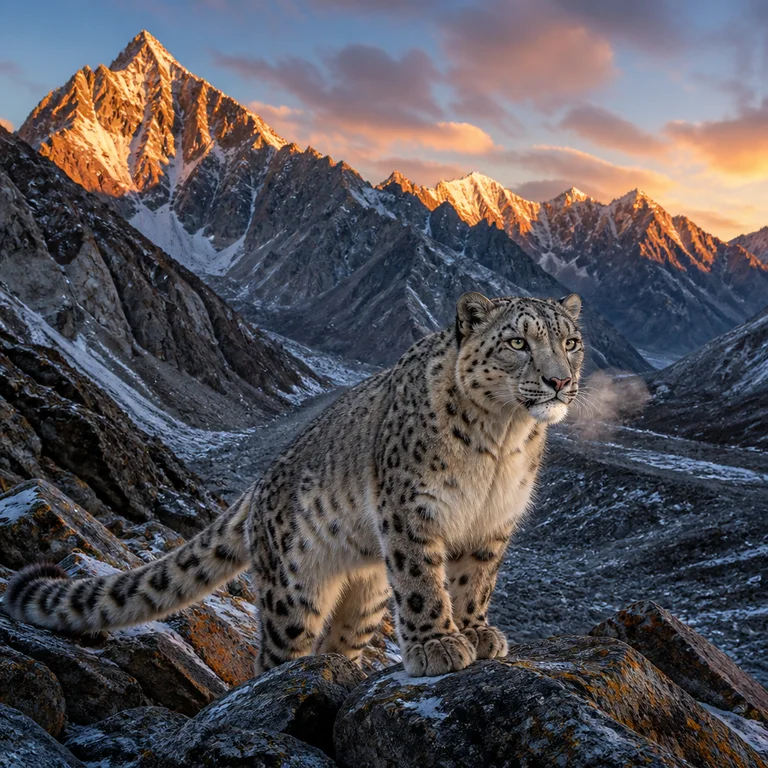
National Geographic Editorial
National Geographic's photographic identity formed roughly between Steve McCurry's 1985 Afghan Girl cover and Sebastião Salgado's Genesis…
Open style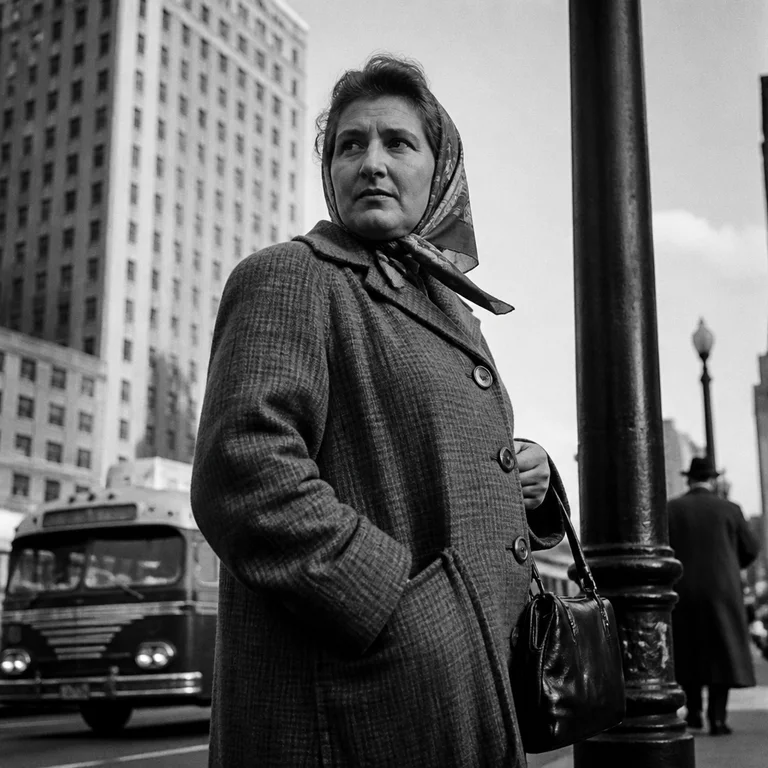
Vivian Maier Mid-Century Street
Vivian Maier worked as a nanny in Chicago and New York from the 1950s through the 1990s and shot roughly 150,000 photographs that nobody…
Open style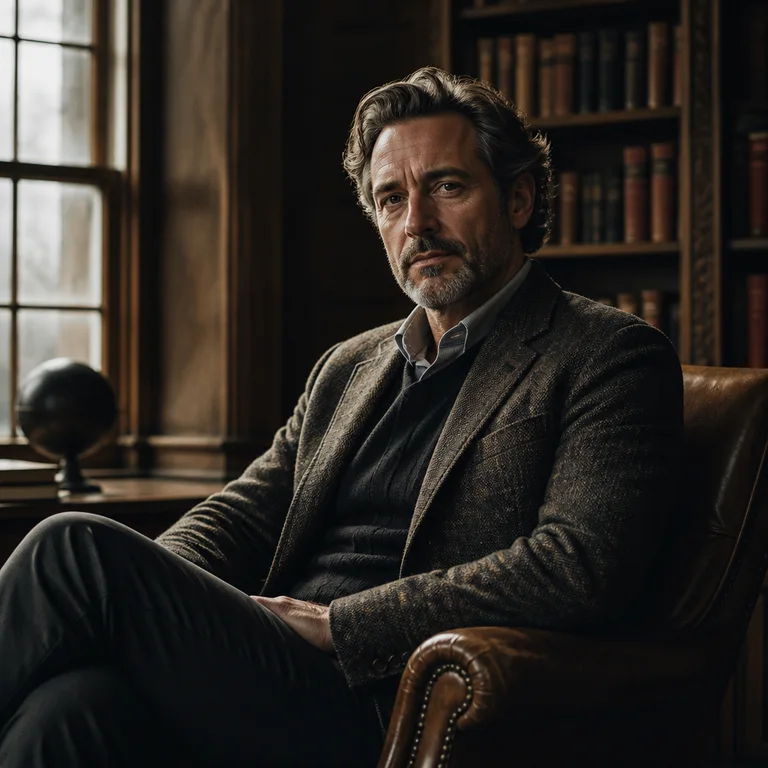
Annie Leibovitz Portrait
Annie Leibovitz's portrait work for Rolling Stone (1970–1983) and Vanity Fair (1983–present) defined what a contemporary celebrity portra…
Open style