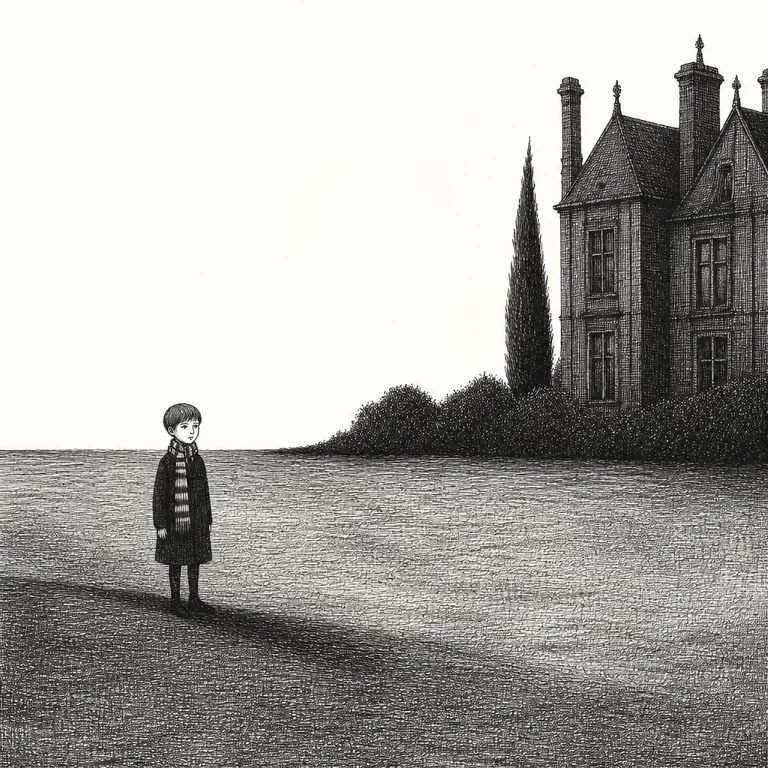
Description
Edward Gorey produced more than 100 small books between 1953 and his death in 2000, each one set in a faintly Edwardian elsewhere and rendered in obsessive pen-and-ink crosshatch. The technique is unusual — he worked small (usually under 6×9 inches), in pure black line on white paper, with cross-hatching that gets denser as he describes shadow, and almost never used color. Visual rules: tightly disciplined parallel-line and crosshatch shading; thin nibs (he used a crow-quill); Edwardian and Victorian costume, architecture, and bric-a-brac; vast empty negative space around small figures; dry, deadpan, faintly menacing scene-building (a child being kidnapped by an urn); hand-lettered titling integrated with the image. Characters are stoic, unsurprised by the horror around them — the comedy is in the flat affect. Use it for gothic editorial, Halloween, mystery and horror promo (PBS Mystery! opening titles are Gorey), literary book covers, Victorian-period scenes, and anything that should feel funny-uneasy. Limitations: not for color, not for warmth, not for photoreal, not for action. Models will overshoot into generic "Tim Burton" — specify "Edward Gorey crosshatch ink, crow-quill nib, dense parallel-line shading, white paper showing, Edwardian costume, small figure in vast negative space, deadpan composition."
Three pioneers
Every style in this catalog names three verifiable pioneers. This is the part of the drop test that takes the longest to write and is the easiest to spot when it's missing.
-
Edward Gorey
American writer-illustrator, 1925–2000. The Doubtful Guest (1957), The Gashlycrumb Tinies (1963), and the PBS Mystery! titles (1980–) are the canonical works. Was a costume and set designer (Tony Award for Dracula, 1978).
-
John Tenniel
British illustrator, 1820–1914. Original illustrator for Alice's Adventures in Wonderland (1865) and Through the Looking-Glass (1871). His engraved crosshatch technique on Victorian subjects is Gorey's most direct visual ancestor.
-
Aubrey Beardsley
British illustrator, 1872–1898. The aestheticist black-and-white work for Salomé (1893) and The Yellow Book established the high-contrast ink-only book illustration tradition that Gorey worked inside.
Contemporary revival
The Edward Gorey House museum (Yarmouth Port, MA), the Cape Cod Times's annual Gorey Days, the ongoing PBS Mystery! / Masterpiece Mystery! title-sequence presence (running since 1980 and parodied widely in 2022–2024), and the steady influence on Tim Burton, Neil Gaiman, and contemporary illustrators like Edwin Fotheringham
The Edward Gorey House attracts 12,000+ visitors per year and runs a robust annual program. PBS Masterpiece Mystery! title sequences are still used in promo material on every new season — a 45-year run. The Gashlycrumb Tinies has stayed in print continuously since 1963. #edwardgorey on Instagram exceeds 130K posts; #goreyaesthetic trends every Halloween. Penguin's gothic-classics covers in the early 2020s explicitly used Gorey-style hatching. Neil Gaiman has named Gorey as a primary influence in interviews repeatedly.
Working prompts
Three prompts we've tested against current FairStack models. Copy and run.
-
Edward Gorey crosshatch ink illustration, small Edwardian child in striped scarf standing alone on enormous empty lawn, vast white negative space, dense crow-quill crosshatch shading where shadow falls, deadpan composition
-
Gorey-style black and white ink, Victorian parlor interior with patterned wallpaper, two stoic figures in mourning clothes, single black cat, hand-lettered title in margin, obsessive parallel-line shading
-
pen-and-ink gothic illustration, small figure being pursued by enormous urn down a stone staircase, dense crosshatched shadows, Edwardian costume, white paper showing in margins
Recommended models
Models from FairStack's catalog that handle this style best. Sorted by price.
Related styles
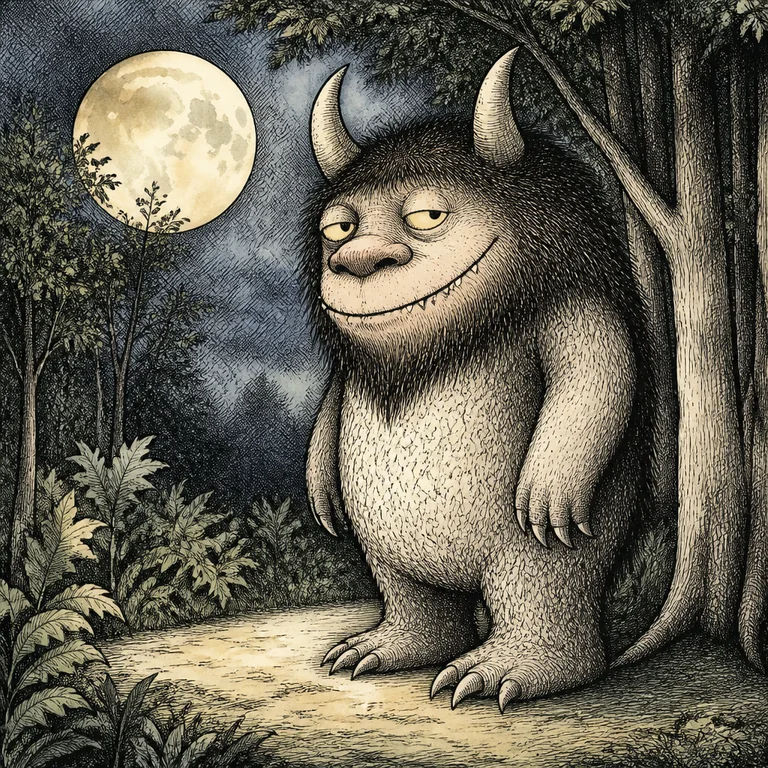
Maurice Sendak Crosshatch
Maurice Sendak's mature style — Where the Wild Things Are (1963), In the Night Kitchen (1970), Outside Over There (1981) — is built on de…
Open style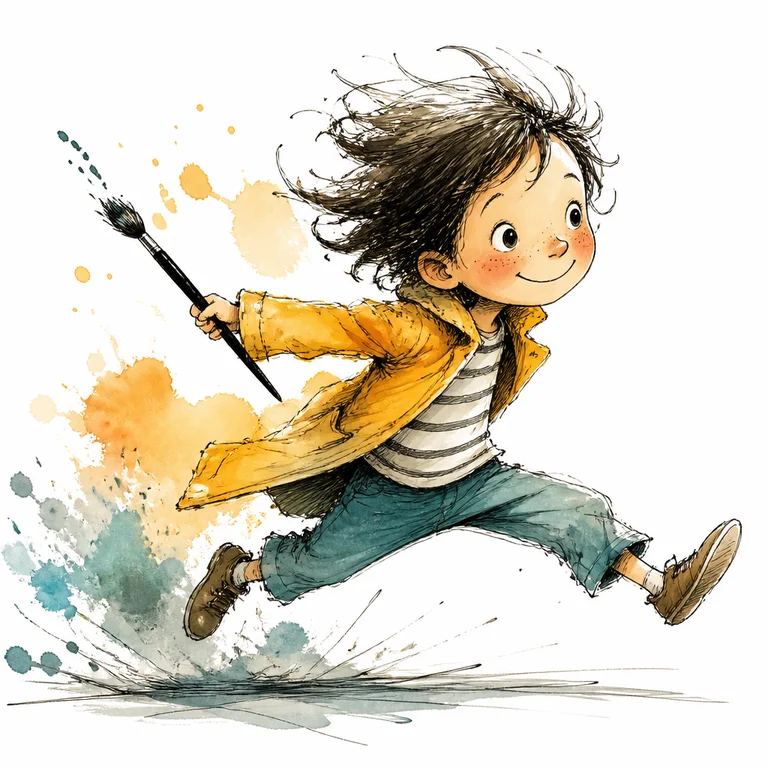
Quentin Blake Loose Line
Quentin Blake's illustrations for Roald Dahl — The BFG, Matilda, The Witches, James and the Giant Peach, Charlie and the Chocolate Factor…
Open style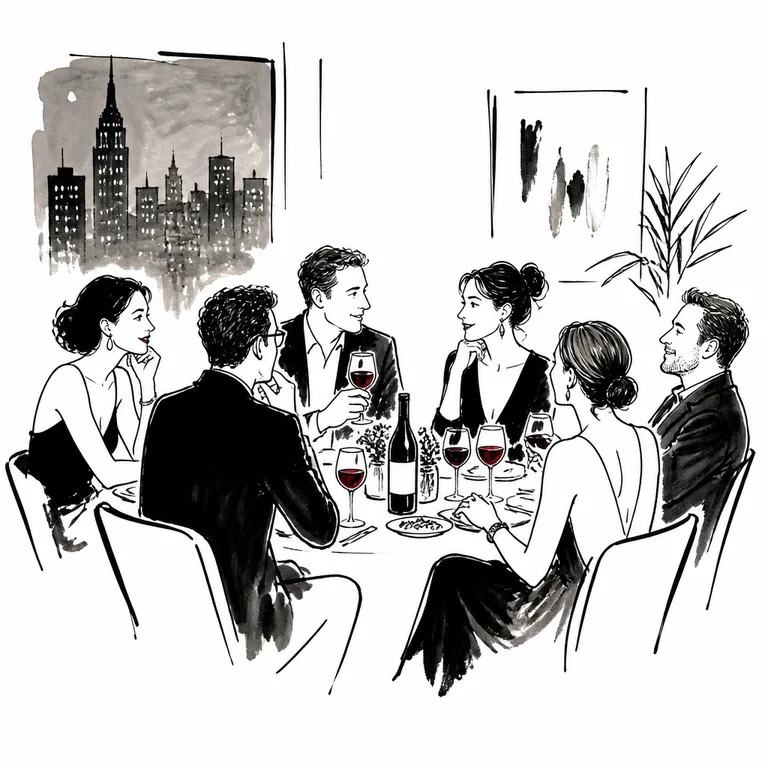
New Yorker Editorial Ink
The New Yorker has run editorial illustration and cartoons in a coherent visual language for nearly a century. The style is not one artis…
Open style
Frank Miller Sin City
Frank Miller's Sin City (1991–present at Dark Horse) is the most influential black-and-white American comic of the post-1990 era. The vis…
Open style