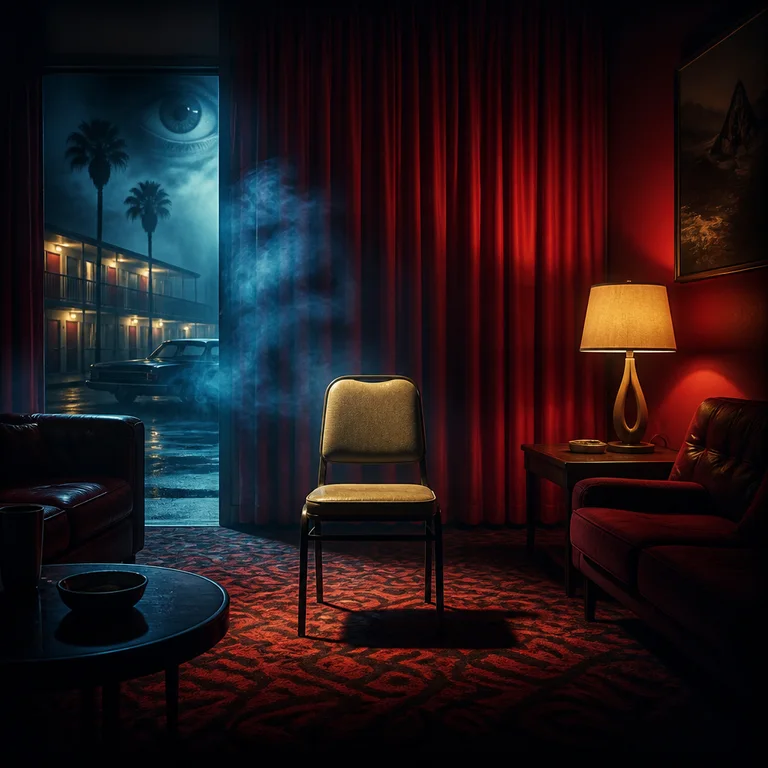
Description
David Lynch's visual language across Blue Velvet (1986), Twin Peaks (1990–91, 2017), Mulholland Drive (2001), and INLAND EMPIRE (2006) is the most identifiable in late-20th-century American cinema. It is not "weird" — it is rule-based and reproducible. Visual signatures: red curtains, zigzag chevron floors, and pure-black voids as recurring iconography; dual-source lighting where a single warm practical (lamp, neon sign) is set against deep blue or black ambient void with no fill light filling the space between; the camera is patient — long, often static takes that let the image become uncanny; faces lit from below, often with a small specular catch in the eye; sound design and image are inseparable, so the cinematographic logic includes ambient hum and reverb as visual cues; production design heavy on mid-century Americana objects (pies, coffee, formica diners, single-bulb interrogation rooms) defamiliarized. Use it for dreamlike, unsettling, mid-century-noir-adjacent imagery, music videos, psychological horror, slow-burn mystery, and anything that should feel familiar but wrong. Limitations: not for action, not for bright, not for crowded. Models default to either "horror movie still" or "vaporwave." Specify "David Lynch-style cinematography, single warm practical light against deep black or blue void, no fill, red curtains or zigzag chevron floor element, mid-century American object defamiliarized, face lit from below, Blue Velvet or Twin Peaks reference."
Three pioneers
Every style in this catalog names three verifiable pioneers. This is the part of the drop test that takes the longest to write and is the easiest to spot when it's missing.
-
David Lynch
American director, 1946–2025. Eraserhead (1977), Blue Velvet (1986), Twin Peaks (1990–91), Mulholland Drive (2001), INLAND EMPIRE (2006), Twin Peaks: The Return (2017). Defined the dreamlike-Americana visual genre; named his lineage after himself ('Lynchian' is in the OED as of 2018).
-
Frederick Elmes
American cinematographer. Shot Eraserhead, Blue Velvet, and Wild at Heart for Lynch. The single-source-against-black-void lighting logic was largely his execution. Also shot for Ang Lee, Jim Jarmusch.
-
Peter Deming
American cinematographer. Shot Lost Highway (1997), Mulholland Drive (2001), and Twin Peaks: The Return (2017) for Lynch. Inherited and extended Elmes's lighting language for the digital era and the long Return episodes.
Contemporary revival
David Lynch's death in January 2025 and the wave of programming and tribute that followed, plus the persistent influence on contemporary television (True Detective, Severance, The Curse) and the durable 'Lynchian' descriptor in critical and casual discourse
Lynch's death in January 2025 generated weeks of tribute coverage, sold-out retrospectives at Lincoln Center, IFC Center, and the BFI, and pushed Twin Peaks: The Return back to top of streaming charts in February 2025. Severance (Apple TV+, season 2 in 2025) was widely covered as the most overtly Lynchian-influenced television in years. The Curse (Showtime, 2023) credited Lynch directly. #lynchian on Instagram exceeds 400K posts. 'Lynchian' is a continuously-trending search term in pop-cinema discourse. Twin Peaks Blu-ray box sets sold out at Criterion in February 2025.
Working prompts
Three prompts we've tested against current FairStack models. Copy and run.
-
David Lynch-style cinematography, 1950s American diner booth at night, single warm tungsten table lamp casting hot pool of light, deep black void surrounding, woman facing camera lit from below with small catch in eye, red curtain visible at frame edge, Twin Peaks reference
-
Lynchian dreamlike still, empty motel corridor with zigzag chevron-pattern floor, single flickering wall sconce, deep blue ambient void in distance, long static composition, ominous
-
Blue Velvet-style suburban Americana, white picket fence at dusk lit by single warm streetlamp, deep blue sky and black grass beneath, dreamlike defamiliarized mood
Recommended models
Models from FairStack's catalog that handle this style best. Sorted by price.
Related styles
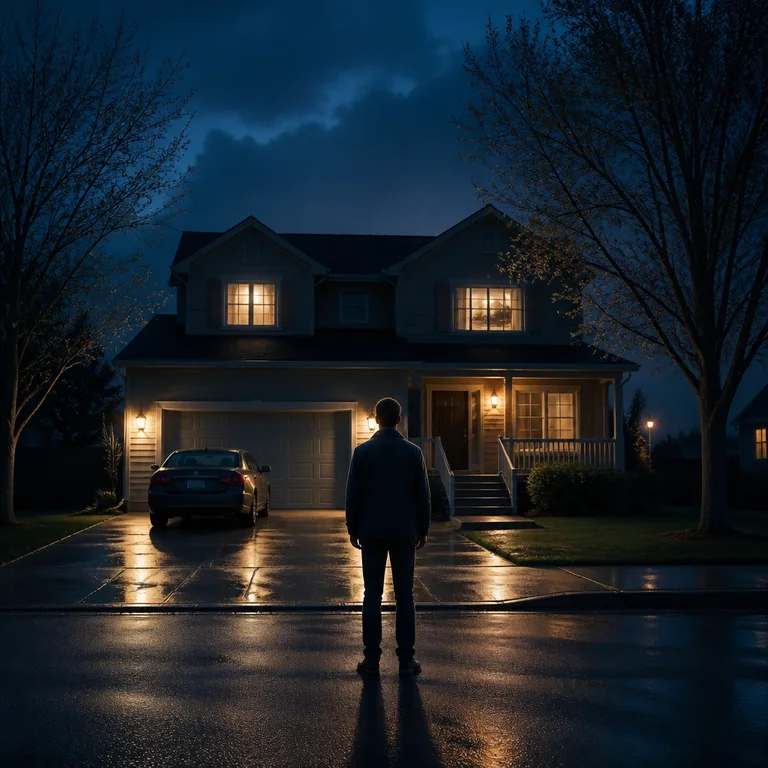
Gregory Crewdson Cinematic Still
Gregory Crewdson makes photographs that look like single frames from films that don't exist. Each image is shot on a soundstage or locati…
Open style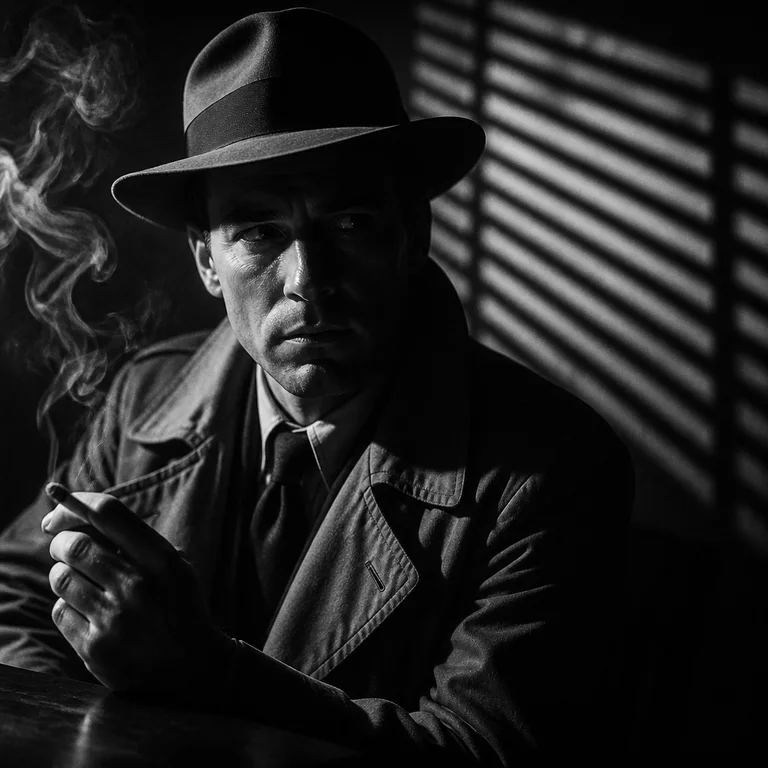
Film Noir
Film noir is not just "black and white." It is a specific photographic grammar built in 1940s Hollywood out of three constraints — German…
Open style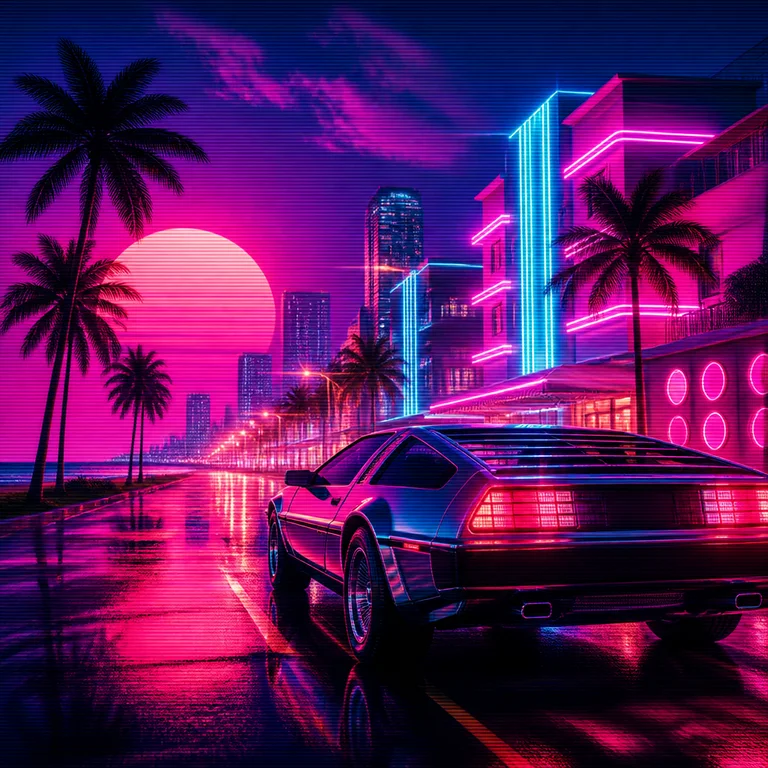
1980s Neon / Synthwave
Synthwave (the music) and the 80s-neon visual aesthetic (the look) are two halves of the same retro-future revival. The visual rules are…
Open style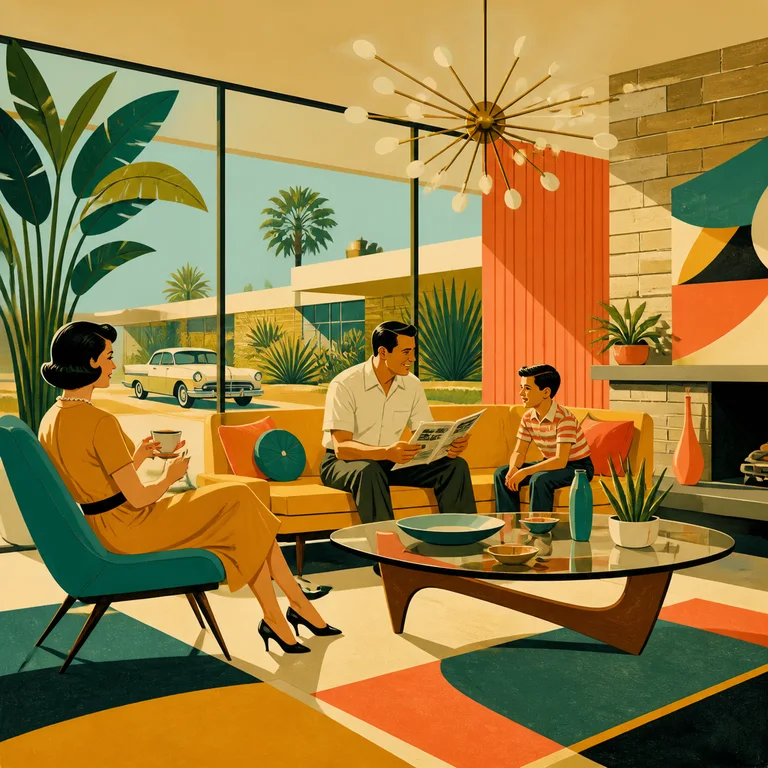
1950s Mid-Century Modern
Mid-century modern is the visual language of postwar American optimism, roughly 1947 to 1965, born in California, Scandinavia, and Italy…
Open style