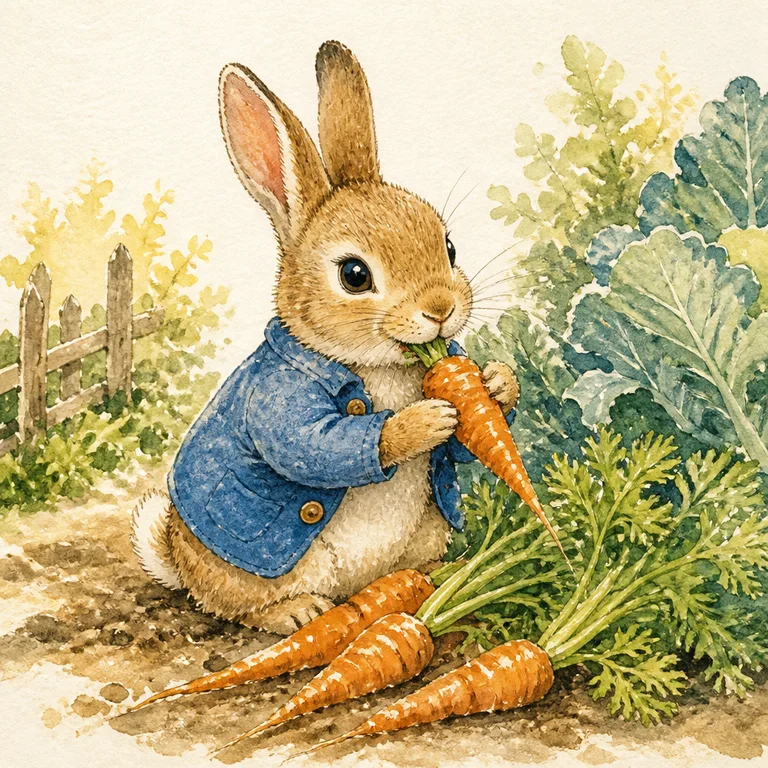
Description
"Children's book watercolor" is not one style — it is a continuous tradition stretching from Beatrix Potter's Peter Rabbit (1902) through contemporary picture-book illustrators like Jon Klassen, Sophie Blackall, Carson Ellis, and Christian Robinson. What makes the tradition coherent is a shared technical vocabulary: transparent watercolor washes over light pencil underdrawing, often combined with pen-line, gouache for opacity in key spots, and paper texture allowed to show through. Visual signatures: granulating washes where pigment settles into paper texture; soft wet-on-wet edges in atmospheric areas (skies, grass) paired with crisp wet-on-dry edges on subjects; restrained palettes of 4–6 colors per spread; warm cream paper, not bright white; consistent friendly proportions on characters (animals slightly anthropomorphized, children with slightly larger heads); double-page spreads composed for left-to-right reading flow. Use it for picture books, gentle product packaging (especially for babies and gifts), nursery art, gift-card illustration, and any image that should feel hand-made and warm without being saccharine. Generative models default to either "stock cartoon" or "fantasy watercolor concept art." Specify "transparent watercolor over light pencil, granulation visible in washes, wet-on-dry crisp edges on subject, warm cream paper, picture-book composition, 5-color palette."
Three pioneers
Every style in this catalog names three verifiable pioneers. This is the part of the drop test that takes the longest to write and is the easiest to spot when it's missing.
-
Beatrix Potter
British author-illustrator, 1866–1943. The Tale of Peter Rabbit (1902) sold 20,000 copies in its first year and is the foundational text of modern English-language picture-book illustration. Trained as a scientific watercolorist; that fidelity is why her animals work.
-
Garth Williams
American illustrator, 1912–1996. Illustrated Charlotte's Web (1952), Stuart Little (1945), Little House on the Prairie (1953 reissue). Established the warm-watercolor-and-pencil American picture-book look that dominated the mid-20th century.
-
Jerry Pinkney
American illustrator, 1939–2021. Five Caldecott Honors and the 2010 Caldecott Medal for The Lion & the Mouse. His detailed pencil-and-watercolor approach to animal subjects shaped two generations of contemporary picture-book artists.
Contemporary revival
The persistent commercial dominance of watercolor in the picture-book market — Caldecott Medal recipients 2018, 2020, 2021, 2024 were all watercolor or watercolor-adjacent — and the explosive growth of 'cottagecore'-adjacent watercolor on Instagram and Etsy (2020–present)
Picture book is a ~$650M annual category in the US per the Association of American Publishers; watercolor remains the dominant medium per Publishers Weekly market surveys. Sophie Blackall (Caldecott 2016, 2019), Jon Klassen, Christian Robinson, and Carson Ellis all use watercolor and dominate bestseller and prize lists. Etsy's 'watercolor nursery print' search returns over 200K listings; the category is one of Etsy's most consistent sellers. #watercolorillustration on Instagram exceeds 6M posts.
Working prompts
Three prompts we've tested against current FairStack models. Copy and run.
-
children's book watercolor illustration, small rabbit in blue jacket eating carrots in a vegetable garden, transparent watercolor over light pencil, granulating washes, wet-on-dry crisp edges on subject, warm cream paper, restrained 5-color palette
-
picture book double-page spread, child and dog walking under autumn trees, transparent watercolor wash with visible paper texture, soft pencil underdrawing showing through, gentle palette
-
watercolor nursery illustration, baby fox curled asleep among forest mushrooms, granulation in washes, wet-on-wet sky, warm cream paper showing in margins
Recommended models
Models from FairStack's catalog that handle this style best. Sorted by price.
Related styles
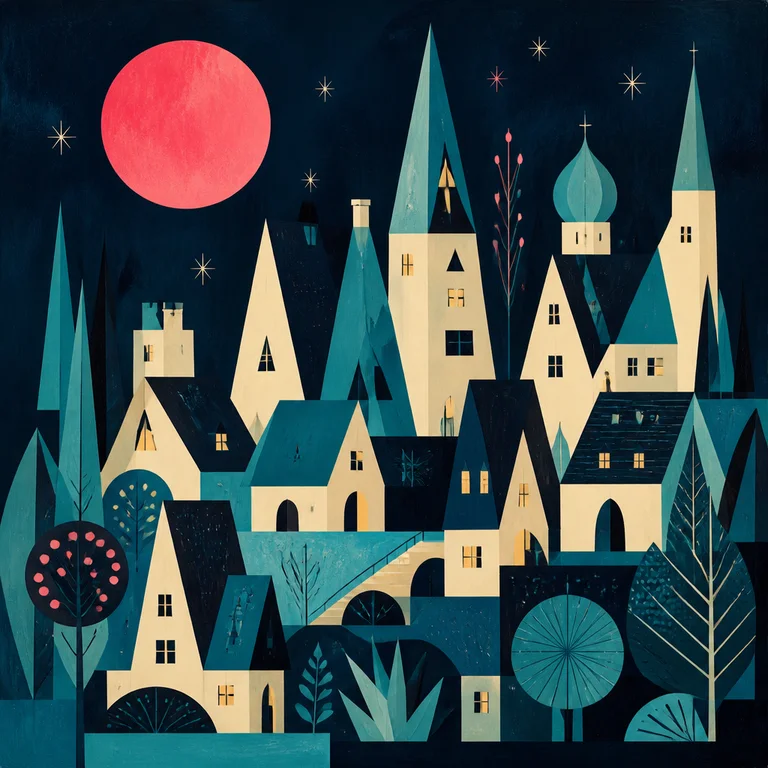
Mary Blair Mid-Century
Mary Blair's concept art for Disney between 1940 and 1965 — Cinderella, Alice in Wonderland, Peter Pan, and the It's a Small World ride —…
Open style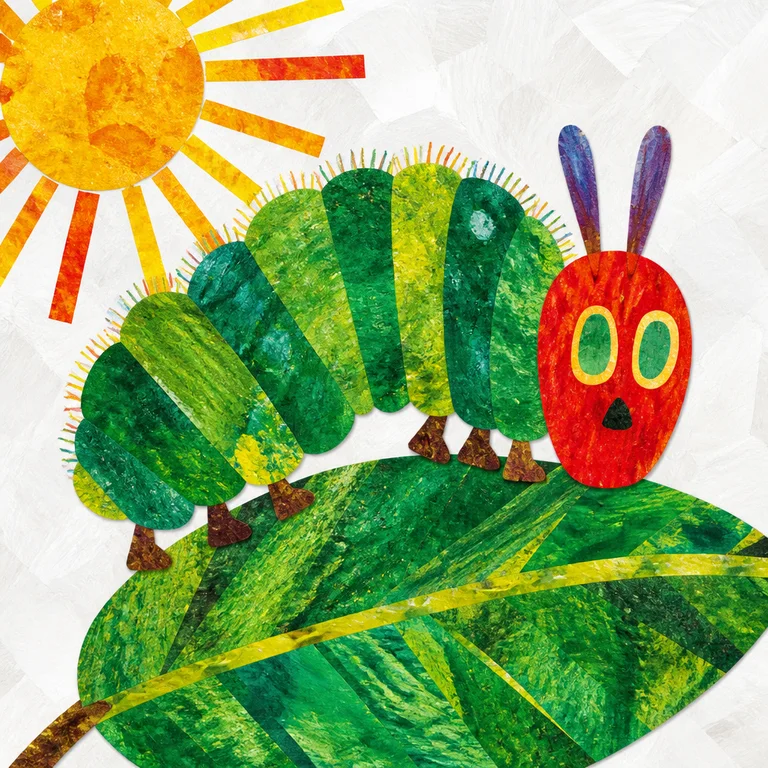
Eric Carle Collage
Eric Carle's method was specific and physical: he painted large sheets of tissue paper by hand with acrylics — splatters, brushwork, fing…
Open style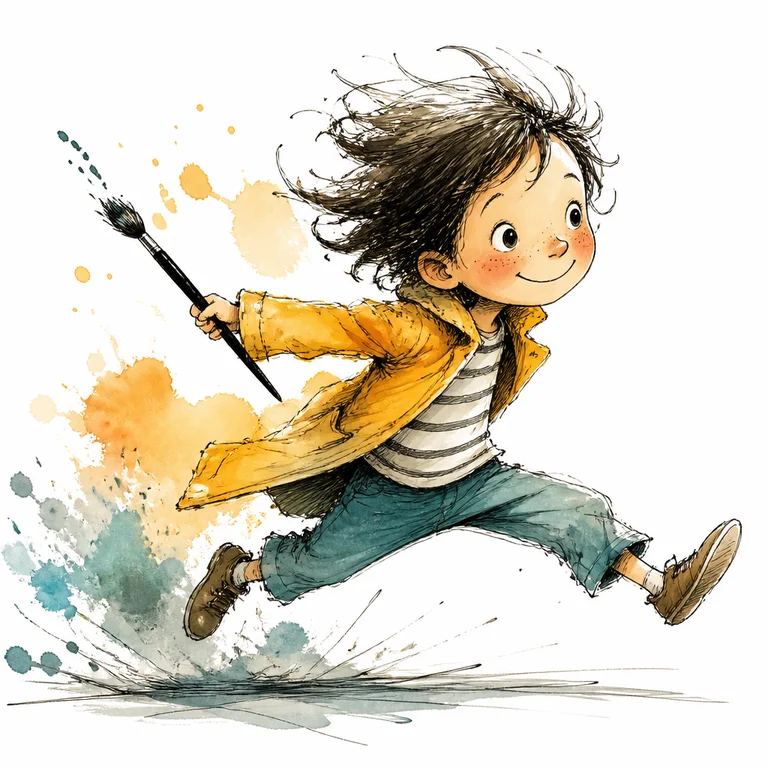
Quentin Blake Loose Line
Quentin Blake's illustrations for Roald Dahl — The BFG, Matilda, The Witches, James and the Giant Peach, Charlie and the Chocolate Factor…
Open style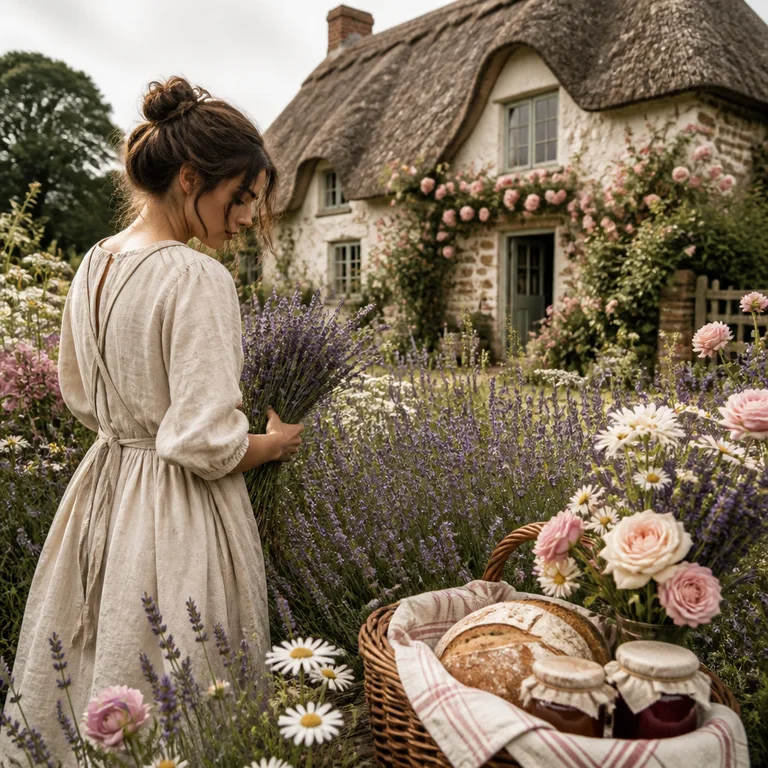
Cottagecore
Cottagecore is the 2017–present internet aesthetic that romanticizes pre-industrial European rural life. The visual rules are not histori…
Open style