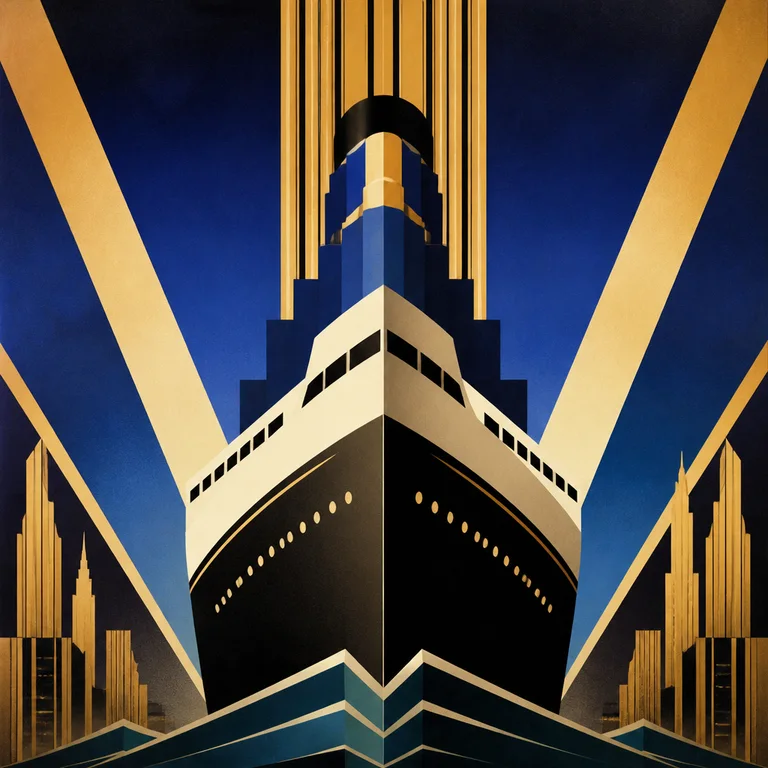
Description
Art Deco was the dominant decorative style from roughly 1920 to 1939, born at the 1925 Paris Exposition Internationale des Arts Décoratifs et Industriels Modernes (which gave the movement its retroactive name). It is the visual language of the inter-war period — Chrysler Building, Empire State, Normandie liner, Cassandre's posters, Erté's fashion plates, and the entire iconography of skyscraper-age optimism. The rules are tight. Stepped geometric forms — ziggurats, fans, sunbursts, chevrons — replace organic curves. Symmetry along a vertical axis dominates. Materials read as luxurious — chrome, polished brass, lacquer, exotic veneers, black marble, mother-of-pearl inlay. Typography is high-contrast geometric sans-serif with elongated proportions (Broadway, Bifur, Peignot). Palettes pair black and gold; or jade green, coral, and ivory; or cobalt and chrome. Stylized human figures are elongated, in profile, often in motion (athletes, dancers, ocean liners). Use it for luxury branding, theater and concert posters, 1920s period work, hotel and travel illustration, jazz-age portraits, anything that should read aspirational and machine-age. It does not do soft, organic, or humble. Models confuse Art Deco with Art Nouveau constantly — specify "geometric Art Deco, 1925 Paris Exposition style, stepped ziggurat forms, chrome and gold, NOT Art Nouveau organic curves" to keep them separate.
Three pioneers
Every style in this catalog names three verifiable pioneers. This is the part of the drop test that takes the longest to write and is the easiest to spot when it's missing.
-
A. M. Cassandre
French-Ukrainian poster designer. Étoile du Nord (1927), Normandie (1935), and Dubonnet (1932) are the canonical Deco poster trilogy — airbrushed gradients, geometric reduction, hand-drawn typography integrated as image.
-
Tamara de Lempicka
Polish-French painter, active 1920s–1930s. Her hard-edged portraits of duchesses and athletes — Autoportrait dans la Bugatti Verte (1929), Young Girl in Green (c. 1930) — defined Deco figurative painting.
-
William Van Alen
American architect. The Chrysler Building (1928–1930) is Deco's three-dimensional masterpiece — stepped stainless-steel crown, hubcap-ornament eagles, lobby in red African marble and chrome.
Contemporary revival
The Great Gatsby (Baz Luhrmann, 2013), continuous luxury-hotel and cruise-line brand work, and the 2024 Frieze Masters Art Deco focus exhibition
Luhrmann's Gatsby grossed $353M and drove a measurable spike in 'Art Deco' search interest that has held a higher baseline ever since per Google Trends. Hotel brands (Park Hyatt, Rosewood, Pullman) and cruise lines (Cunard) lean Deco for premium positioning. #artdeco on Instagram exceeds 12M posts. Wes Anderson's Grand Budapest Hotel (2014) shares Deco DNA. The 2024 'Art Deco at 100' museum cycle — Cooper Hewitt, Wolfsonian-FIU, V&A Dundee — kept the centennial in critical conversation.
Working prompts
Three prompts we've tested against current FairStack models. Copy and run.
-
1920s Art Deco poster, A. M. Cassandre style, ocean liner viewed head-on with stepped geometric ziggurat funnels, palette of black gold and cobalt, hand-drawn geometric sans-serif title in elongated proportions, symmetric composition
-
Art Deco hotel lobby interior, polished chrome and black marble, sunburst chandelier overhead, jade green and coral accents, stepped geometric architecture, elongated figures in evening wear
-
Tamara de Lempicka style portrait, hard-edged stylized woman in profile, chrome and gold palette, geometric reduction of facial planes, 1930s couture, machine-age aesthetic
Recommended models
Models from FairStack's catalog that handle this style best. Sorted by price.
Related styles
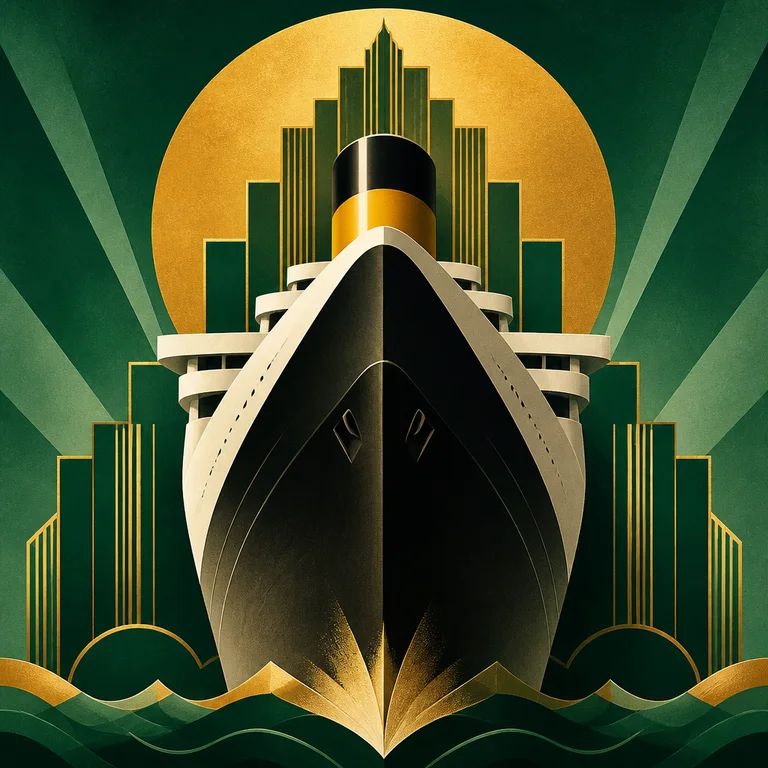
Art Deco Poster
Art Deco poster design — roughly 1910 to 1940, peaking in Paris between the 1925 Exposition Internationale and the early 1930s — has a vi…
Open style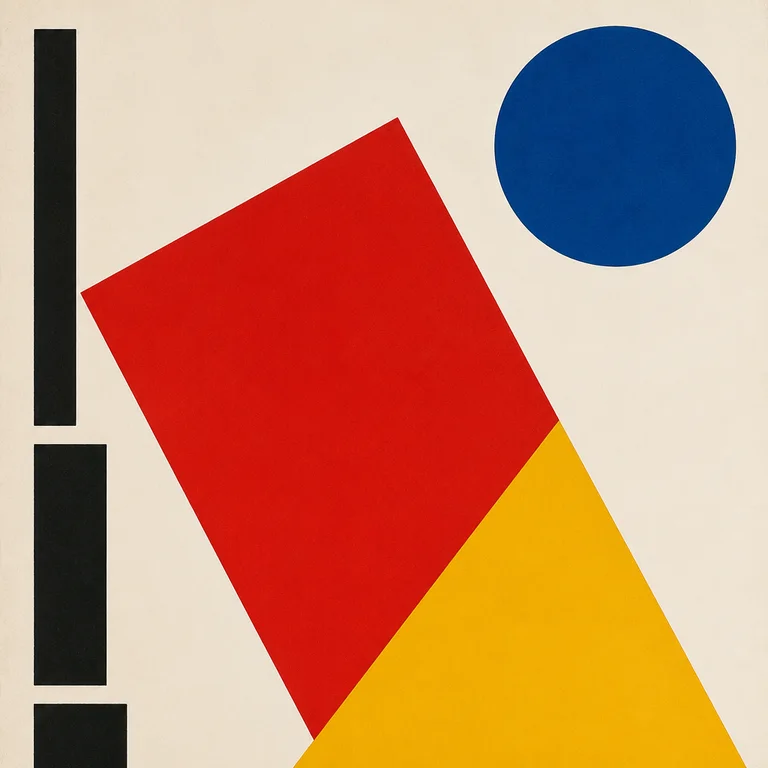
Bauhaus
The Bauhaus school operated for fourteen years (1919–1933) in three German cities before the Nazis shut it down — but the visual grammar…
Open style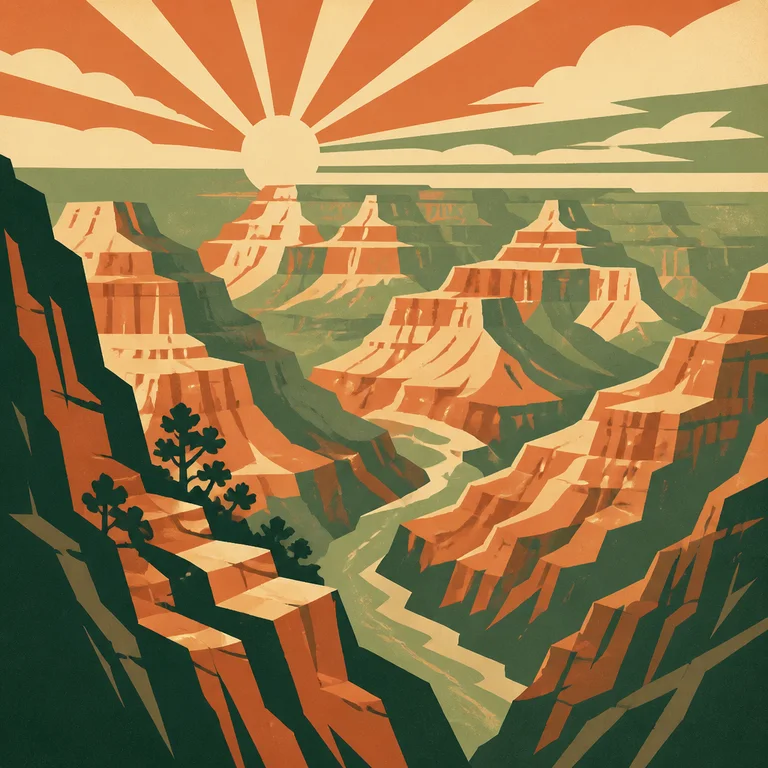
WPA Travel Poster
Between 1936 and 1943 the Works Progress Administration's Federal Art Project produced over 2,000 silkscreened posters to promote nationa…
Open style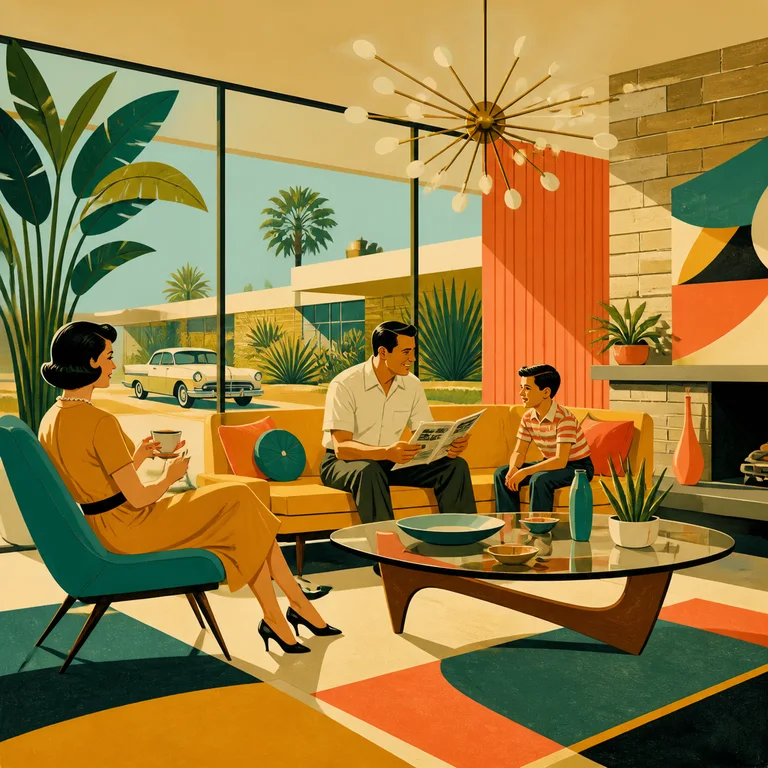
1950s Mid-Century Modern
Mid-century modern is the visual language of postwar American optimism, roughly 1947 to 1965, born in California, Scandinavia, and Italy…
Open style