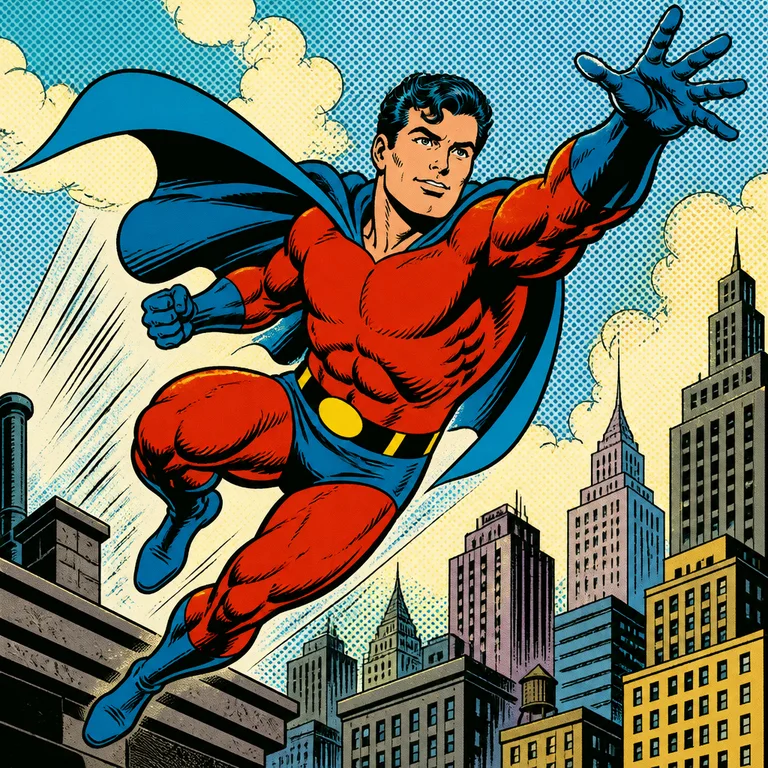
Description
The Silver Age of American superhero comics runs from roughly 1956 (DC's revival of The Flash in Showcase #4) to about 1970. The visual grammar is distinct enough that 65 years later it still reads instantly as "old comic book." Rules: hand-inked outlines with bold, even-weight contours; Ben Day dot tints simulating gradients on the cheap printing presses of the era; a four-color limited CMYK process where colors blow out at saturation; muscular figure work in stylized but anatomically-attempted poses; static action — even fights are composed as held tableaux, not motion lines; bold all-caps lettering in word balloons and rectangular yellow caption boxes ("MEANWHILE…"); dramatic flat color skies (red, purple, electric blue) used as mood signals. Use it for retro comic-book covers, action posters, vintage hero imagery, parody and homage, board-game and tabletop art, and any composition that should read as classic American comic. Limitations: not for photoreal, painterly, or modern comic styles. Generative models will smear toward "generic comic" — specify "Silver Age comic book, 1960s four-color CMYK print, Ben Day dot tints, bold even-weight ink outlines, dramatic flat color sky, yellow rectangular caption box, Jack Kirby or Curt Swan school."
Three pioneers
Every style in this catalog names three verifiable pioneers. This is the part of the drop test that takes the longest to write and is the easiest to spot when it's missing.
-
Jack Kirby
American comics artist, 1917–1994. Co-created (with Stan Lee) Fantastic Four (1961), X-Men (1963), Hulk (1962), Thor, and most of the Marvel Silver Age. His dynamic 'Kirby crackle' energy effects and architectural figure poses define one half of the Silver Age look.
-
Curt Swan
American comics artist, 1920–1996. DC's house Superman artist from 1955 to 1986. His clean, classically-proportioned figures and grounded compositions define the DC side of the Silver Age idiom.
-
Steve Ditko
American comics artist, 1927–2018. Co-created Spider-Man (1962) and Doctor Strange (1963). The angular, surreal, slightly off-kilter figure work — especially the Doctor Strange dimensional planes — is the third major Silver Age vocabulary.
Contemporary revival
The MCU's deliberate referencing of Silver Age cover compositions in promotional posters (2008–present), the persistent comic-book reprint market, and Tom King and Chip Zdarsky's Silver Age-homage runs at DC and Marvel (2022–2025)
Marvel Studios' promotional artwork for the Avengers films, Loki, What If…?, and the upcoming Doctor Doom film explicitly references Silver Age covers. Tom King's Strange Adventures (2020) and Chip Zdarsky's Daredevil (2022–) were widely covered for their Silver Age homages. #silveragecomics on Instagram exceeds 90K posts. CGC-graded Silver Age books are one of the strongest collectibles categories — a 9.6 Fantastic Four #1 sold for $1.5M in 2022. Heritage Auctions reports Silver Age as their consistent top comics category.
Working prompts
Three prompts we've tested against current FairStack models. Copy and run.
-
Silver Age superhero comic book cover, muscular hero in red and blue costume leaping from rooftop, 1960s four-color CMYK print, Ben Day dot tints in sky, bold even-weight ink outlines, yellow rectangular caption box reading MEANWHILE..., Jack Kirby style
-
1960s DC Silver Age comic page, classic Superman flying over Metropolis, clean Curt Swan figure work, dramatic flat purple sky, halftone dot shading, bold all-caps speech balloon
-
Steve Ditko-style Silver Age cover, surreal angular Doctor Strange in mystic dimensional plane, jagged crystalline shapes, flat purple and orange palette, four-color print
Recommended models
Models from FairStack's catalog that handle this style best. Sorted by price.
Related styles
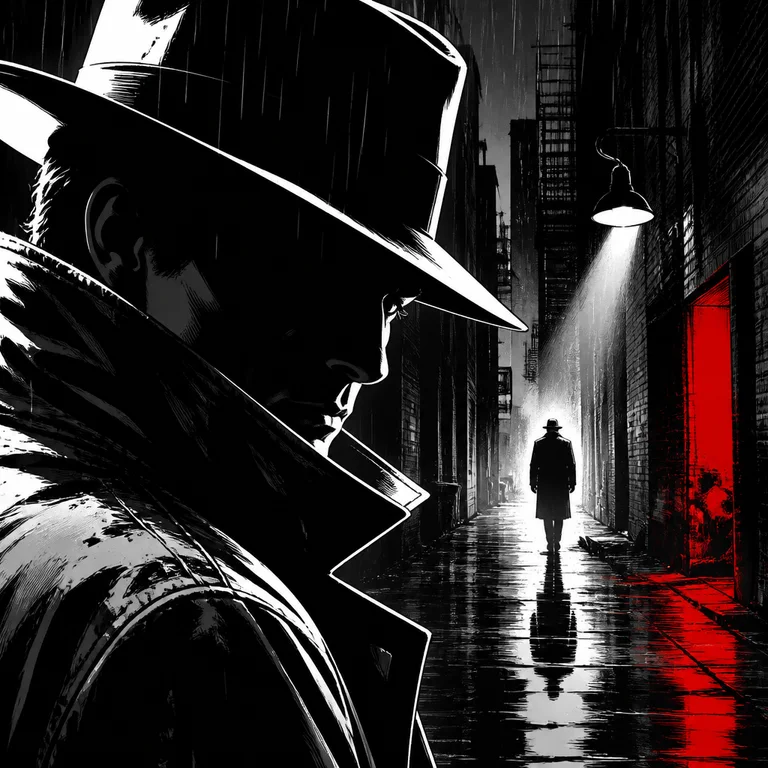
Frank Miller Sin City
Frank Miller's Sin City (1991–present at Dark Horse) is the most influential black-and-white American comic of the post-1990 era. The vis…
Open style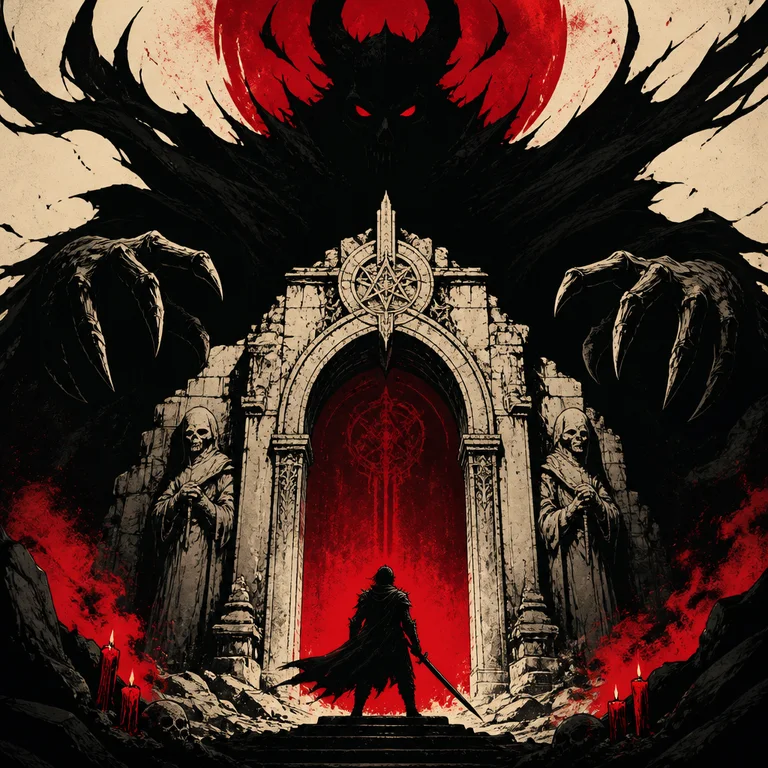
Mike Mignola High-Contrast
Mike Mignola's work on Hellboy (1994–present) and B.P.R.D. defined a recognizable, severely simplified, high-contrast comic-art idiom — a…
Open style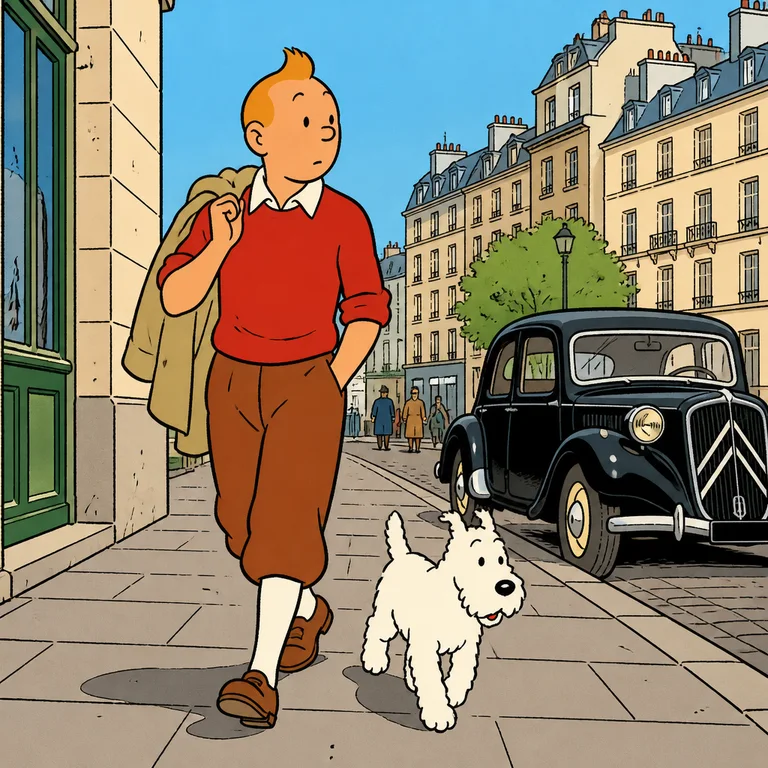
Hergé Ligne Claire
Ligne claire ("clear line") is the Franco-Belgian comic style codified by Hergé in The Adventures of Tintin (1929–1976) and named by Joos…
Open style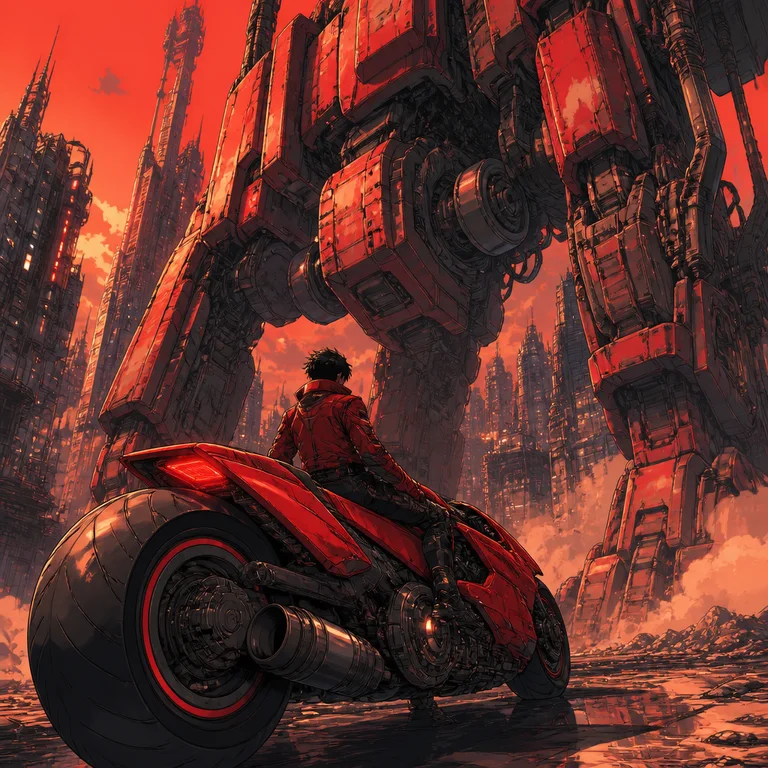
Akira / Otomo Mecha
Katsuhiro Otomo's Akira (manga 1982–90, film 1988) established a specific cyberpunk-anime aesthetic that almost every subsequent grounded…
Open style