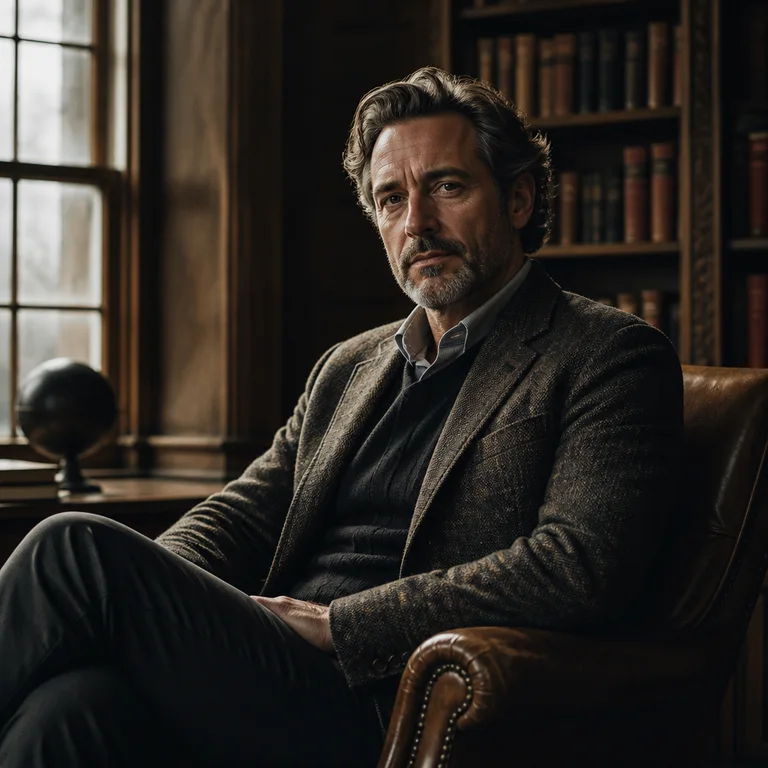
Description
Annie Leibovitz's portrait work for Rolling Stone (1970–1983) and Vanity Fair (1983–present) defined what a contemporary celebrity portrait looks like. Her style sits between editorial photojournalism and produced narrative tableau — closer to Crewdson than to traditional portrait studio work, but always foregrounding the subject's identity rather than swallowing them in atmosphere. Visual rules: large-format or medium-format quality with a painterly negative — she shoots digital now but the rendering retains the depth and dimensionality of her Mamiya RZ years; environmental portraiture where the location does narrative work (a writer in their library, a basketball player on a court, John Lennon nude curled against Yoko Ono — her most famous frame, taken hours before his death); single dominant light source, often a large soft window or a single key with a big diffusion frame; restrained, slightly desaturated color with skin rendered warmly but not pushed; subjects posed but not stiff, the body language carrying a specific idea about who they are. Use it for celebrity portraits, environmental portraits, character-driven editorial, magazine covers, and any image where the person must read as themselves rather than as a type. Models will produce generic "magazine portrait" output. Specify "Annie Leibovitz Vanity Fair-style environmental portrait, large soft single-source light, painterly medium-format rendering, restrained desaturated color, location doing narrative work, subject posed but specific."
Three pioneers
Every style in this catalog names three verifiable pioneers. This is the part of the drop test that takes the longest to write and is the easiest to spot when it's missing.
-
Annie Leibovitz
American photographer, born 1949. Chief Photographer at Rolling Stone (1973–1983), then Vanity Fair from 1983. Her John Lennon and Yoko Ono cover (December 8, 1980) is the most famous American magazine cover of the 20th century.
-
Richard Avedon
American photographer, 1923–2004. The Vogue and Harper's Bazaar studio-portrait tradition (white seamless, direct, large-format) is the strain Leibovitz both descends from and reacted against by moving the camera into location.
-
Arnold Newman
American photographer, 1918–2006. Invented modern environmental portraiture (Igor Stravinsky at the piano, 1946; the Lyndon Johnson family in the Oval Office). Leibovitz has named him as the model for putting the subject in their own world.
Contemporary revival
Leibovitz's continuing dominance of Vanity Fair, Vogue, and Pirelli Calendar (she shot the 2016 calendar), and the rolling 'Leibovitz portrait of [celebrity]' viral cycle on Instagram and Twitter/X
Leibovitz's Vanity Fair Hollywood Issue covers remain a yearly media event; the 2024 cover (the 30th anniversary) drew over 50M social impressions. Her 2008 Disney Dream Portraits campaign (Beyoncé as Alice, Penelope Cruz as Belle) is one of the most-pinned image series on Pinterest with continuous engagement. The HBO documentary Annie Leibovitz: Life Through a Lens (2008) and the 2022 Netflix Leibovitz: Wonderland series are widely streamed. #annieleibovitz on Instagram exceeds 200K posts; her aesthetic is the default reference when an art director says 'magazine cover.'
Working prompts
Three prompts we've tested against current FairStack models. Copy and run.
-
Annie Leibovitz Vanity Fair environmental portrait, novelist seated in their wood-paneled library, single large soft window light from camera left, restrained slightly desaturated color, painterly medium-format rendering, book-lined depth behind subject, location doing narrative work
-
Leibovitz-style celebrity cover, dancer in studio with mirrors and barres, single key light through silk diffusion, body language specific to identity, magazine-cover composition
-
environmental portrait of a chef in their restaurant kitchen at service, large soft light from open back door, warm skin tones, restrained color, Leibovitz Vanity Fair aesthetic
Recommended models
Models from FairStack's catalog that handle this style best. Sorted by price.
Related styles
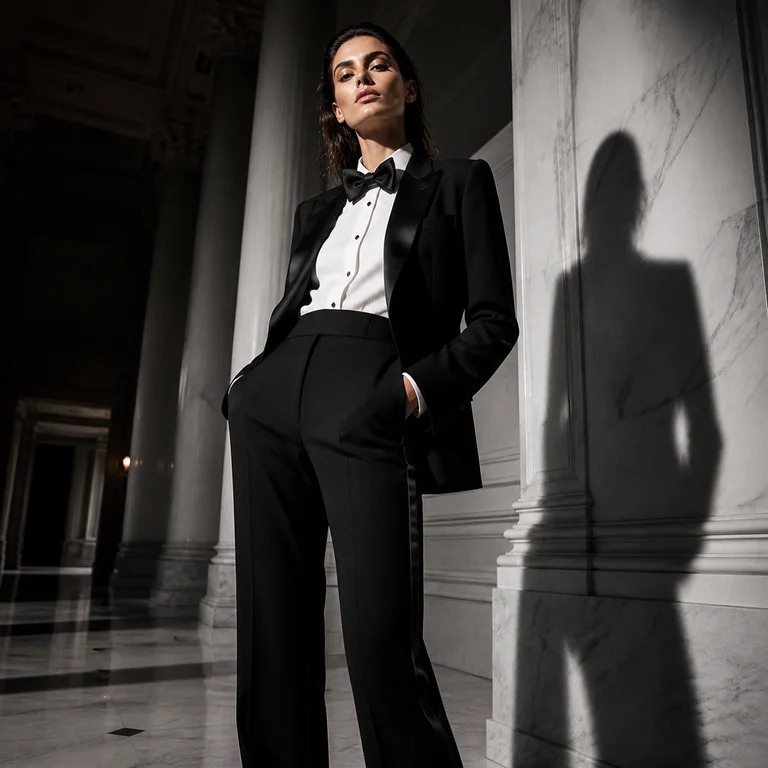
Helmut Newton Fashion
Helmut Newton shot fashion photography between roughly 1961 and his death in 2004 with a vocabulary borrowed from film noir, Surrealism,…
Open style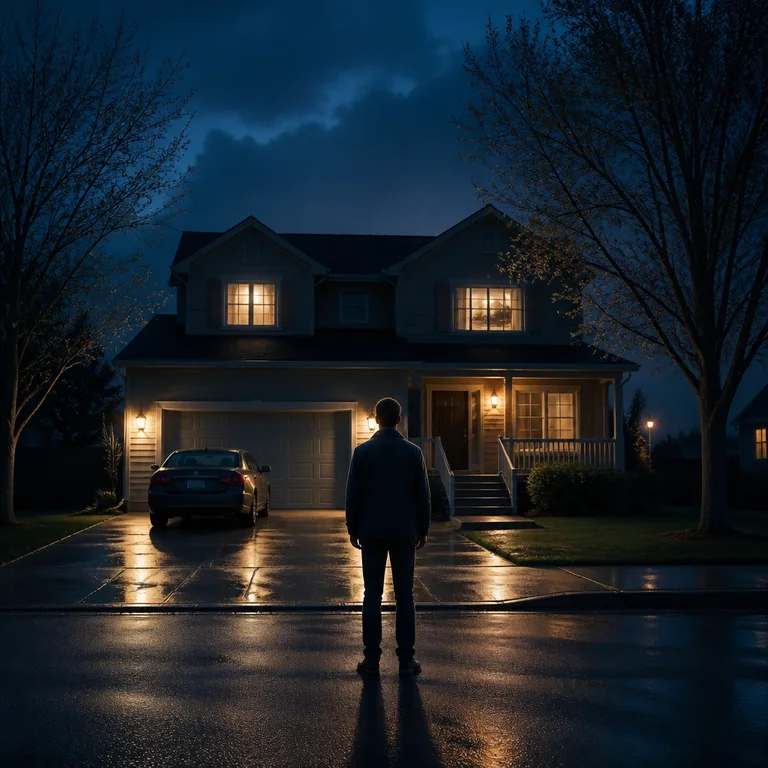
Gregory Crewdson Cinematic Still
Gregory Crewdson makes photographs that look like single frames from films that don't exist. Each image is shot on a soundstage or locati…
Open style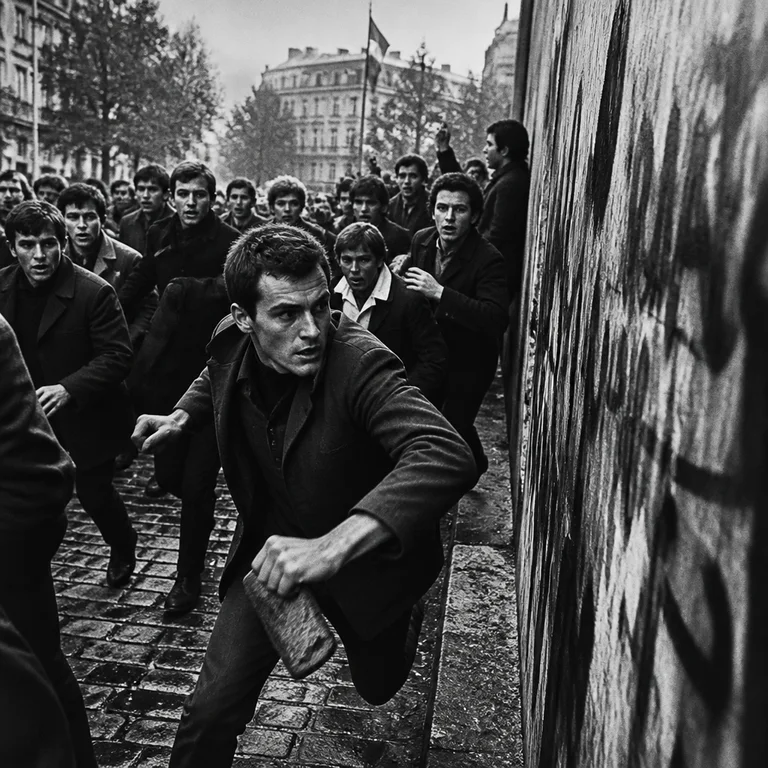
Magnum Documentary
Magnum Photos was founded in 1947 by Henri Cartier-Bresson, Robert Capa, David "Chim" Seymour, and George Rodger as a photographer-owned…
Open style
Roger Deakins Naturalism
Roger Deakins is the most decorated living cinematographer (16 Oscar nominations, 2 wins for Blade Runner 2049 and 1917) and the most imi…
Open style