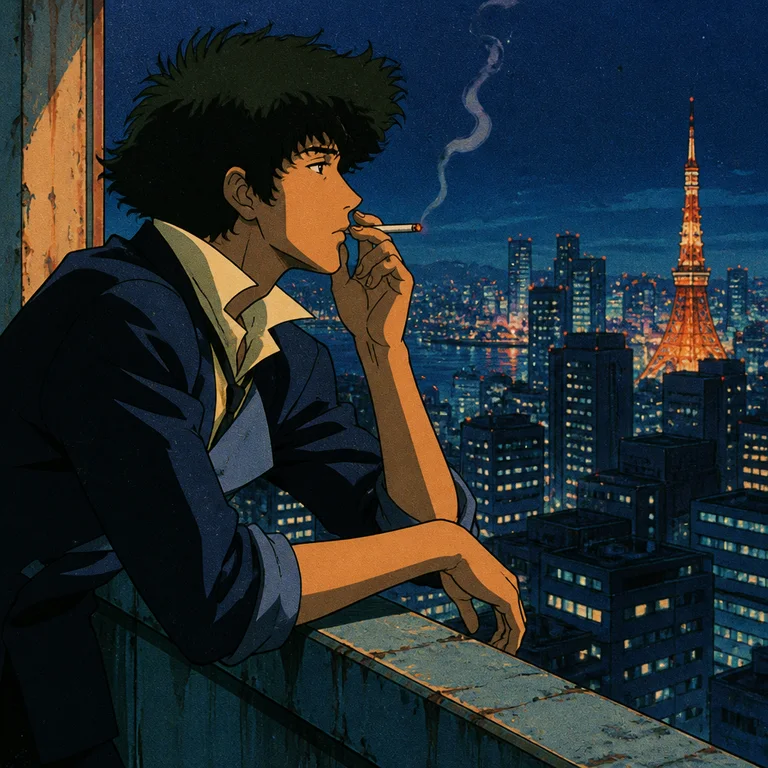
Description
Between roughly 1989 and 2001, almost all Japanese anime was animated on physical celluloid sheets and shot on 35mm film before being broadcast or projected. The visual qualities of that production pipeline — limited color count from physical paint, slight cel-edge artifacts, film grain on the composited image, color bleed between layers — are now widely sought as a distinct aesthetic from contemporary digital anime. The window closed around 2000–2003 as studios moved to digital ink-and-paint, but the look of titles like Cowboy Bebop (1998), Neon Genesis Evangelion (1995–96), Perfect Blue (1997), and Ghost in the Shell (1995) has come back into demand. Visual rules: limited palettes constrained by physical cel paint (a few hundred named colors per production); slightly imperfect line registration between cel layers; visible film grain across the entire composite frame; warm color cast from incandescent or fluorescent transfer lighting; soft, slightly diffused composited highlights (no sharp digital glow); slightly desaturated dark mid-tones characteristic of physical paint mixes; bold, confident line art with hand-drawn slight inconsistencies; backgrounds painted in gouache or acrylic with visible brushwork. Use it for nostalgic 1990s anime imagery, lo-fi-anime music-video aesthetics, retro genre callback (cyberpunk, mecha, late-Cold-War sci-fi), zine and Tumblr-revival illustration, and any image that should feel pre-digital and analog-warm. Models default to "anime style." Specify "1990s cel anime aesthetic, physical-paint limited palette, slight cel-edge registration imperfections, visible 35mm film grain across composite, warm transfer-lighting cast, hand-painted gouache backgrounds with visible brushwork, Cowboy Bebop or Evangelion or Perfect Blue reference, pre-digital anime production."
Three pioneers
Every style in this catalog names three verifiable pioneers. This is the part of the drop test that takes the longest to write and is the easiest to spot when it's missing.
-
Shinichirō Watanabe
Japanese director, born 1965. Directed Cowboy Bebop (1998) and Samurai Champloo (2004). Bebop is the canonical reference for late-1990s cel-anime visual identity; the production pipeline straddled the digital transition and the show captures both.
-
Satoshi Kon
Japanese director, 1963–2010. Directed Perfect Blue (1997), Millennium Actress (2001), Paprika (2006). Kon's tightly controlled compositions, layered editing logic, and use of physical cel painting set the standard for psychological-thriller anime in the era.
-
Hideaki Anno (Eva-era)
Japanese director, born 1960. Directed Neon Genesis Evangelion (1995–96) and the End of Evangelion film (1997). The series' use of physical cel painting, abstract limited-palette sequences, and 35mm grain is one of the most-studied anime visual languages.
Contemporary revival
The persistent dominance of '90s anime aesthetic' on lo-fi music YouTube channels (Lofi Girl and adjacent), the 2021 4K restoration and re-release of Cowboy Bebop and the Netflix live-action attempt the same year, and the steady stream of contemporary anime — Lycoris Recoil (2022), Trigun Stampede (2023), Pluto (2023) — explicitly emulating the 90s palette
Lofi Girl ('lofi hip hop radio') YouTube live stream — using 1990s anime visuals throughout — has run continuously since 2017 and is among YouTube's most-watched live streams ever. The 2021 Cowboy Bebop Blu-ray 4K release sold out in major markets per Funimation reporting. The Bebop live-action Netflix series in 2021 (a critical and commercial failure) ironically drove 90s anime aesthetic searches up 40%+ per Google Trends. #90sanime on Instagram exceeds 600K posts; #vintageanime exceeds 400K. The 2024 Perfect Blue 4K theatrical re-release sold out in major markets globally. Vaporwave and synthwave music videos have used 90s anime visuals as their dominant idiom since 2014.
Working prompts
Three prompts we've tested against current FairStack models. Copy and run.
-
1990s cel anime aesthetic, urban Tokyo skyline at night from a high apartment balcony, single figure smoking in foreground, physical-paint limited palette of teal and warm orange and night-blue, visible 35mm film grain across composite, slight cel-edge registration imperfection on figure outline, hand-painted gouache cityscape background with visible brushwork, Cowboy Bebop reference
-
Perfect Blue-style 1997 cel anime, single character in front of a desktop computer at midnight, warm tungsten lamp glow, physical cel paint mid-tones, Satoshi Kon psychological framing
-
Evangelion-era 1995 cel anime, school corridor in afternoon sun, single uniformed figure walking, slight desaturation from physical paint, soft grain, hand-painted gouache wall and floor
Recommended models
Models from FairStack's catalog that handle this style best. Sorted by price.
Related styles
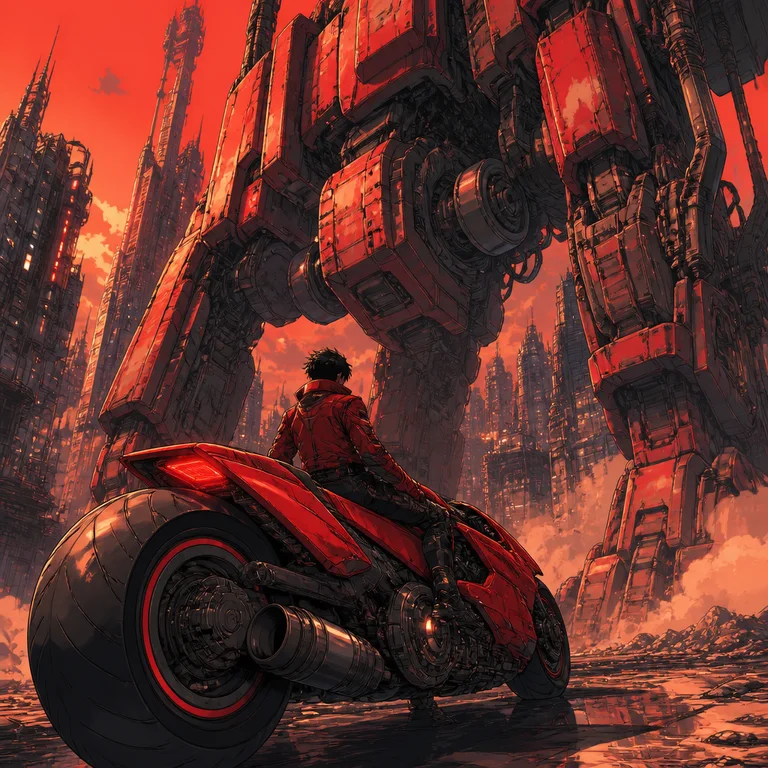
Akira / Otomo Mecha
Katsuhiro Otomo's Akira (manga 1982–90, film 1988) established a specific cyberpunk-anime aesthetic that almost every subsequent grounded…
Open style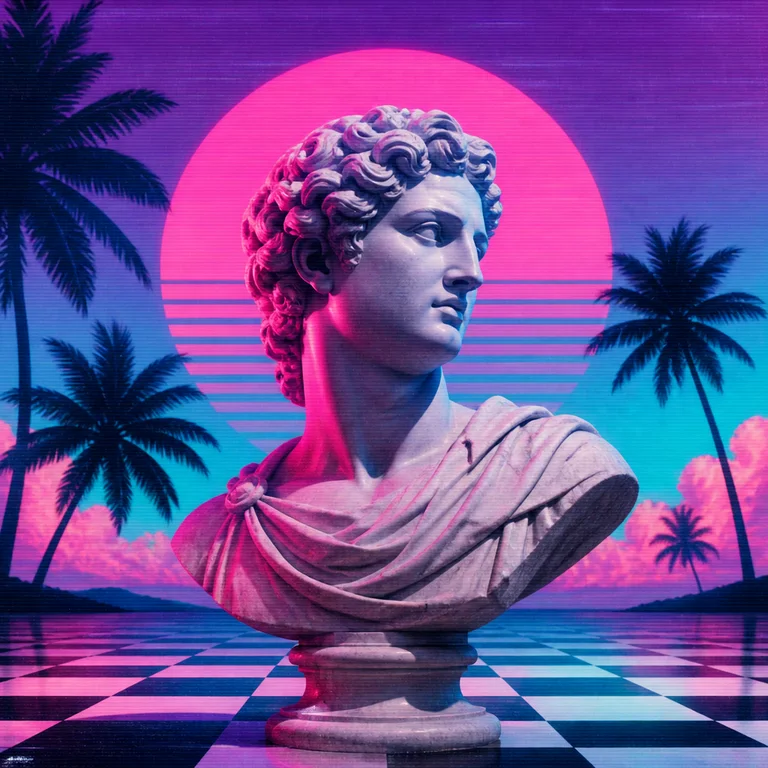
Vaporwave
Vaporwave is the internet-native aesthetic that emerged around 2010–2012 from chopped-and-screwed remixes of 1980s muzak, smooth jazz, an…
Open style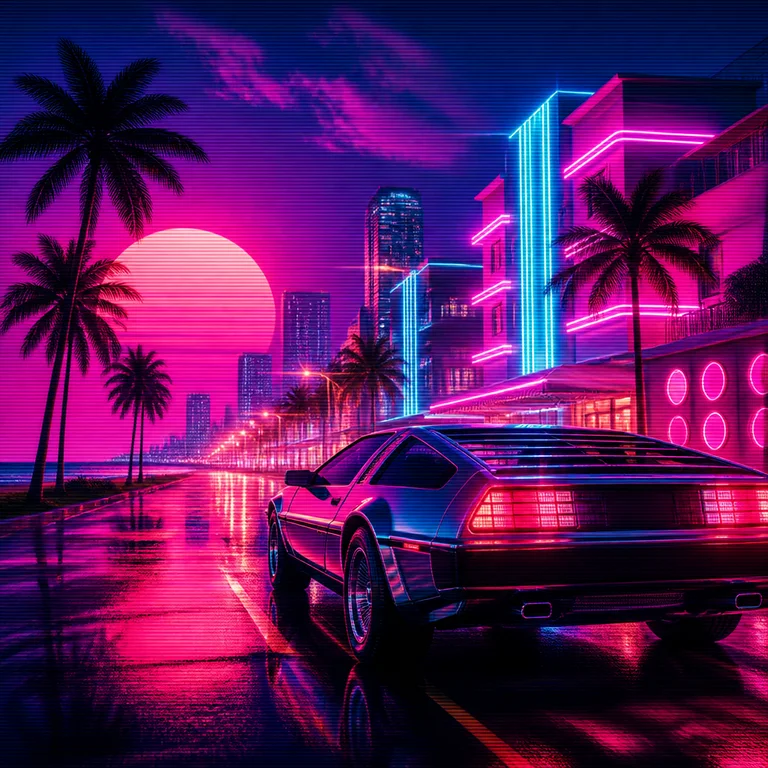
1980s Neon / Synthwave
Synthwave (the music) and the 80s-neon visual aesthetic (the look) are two halves of the same retro-future revival. The visual rules are…
Open style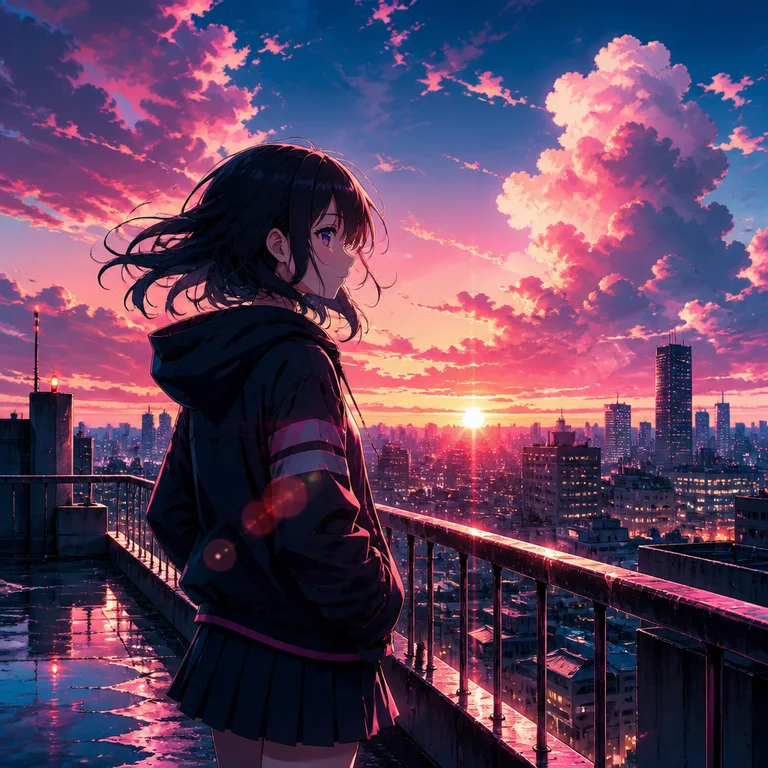
Makoto Shinkai
Makoto Shinkai's anime is visually distinct from Ghibli in three ways: he was an indie animator working in digital tools from the start,…
Open style