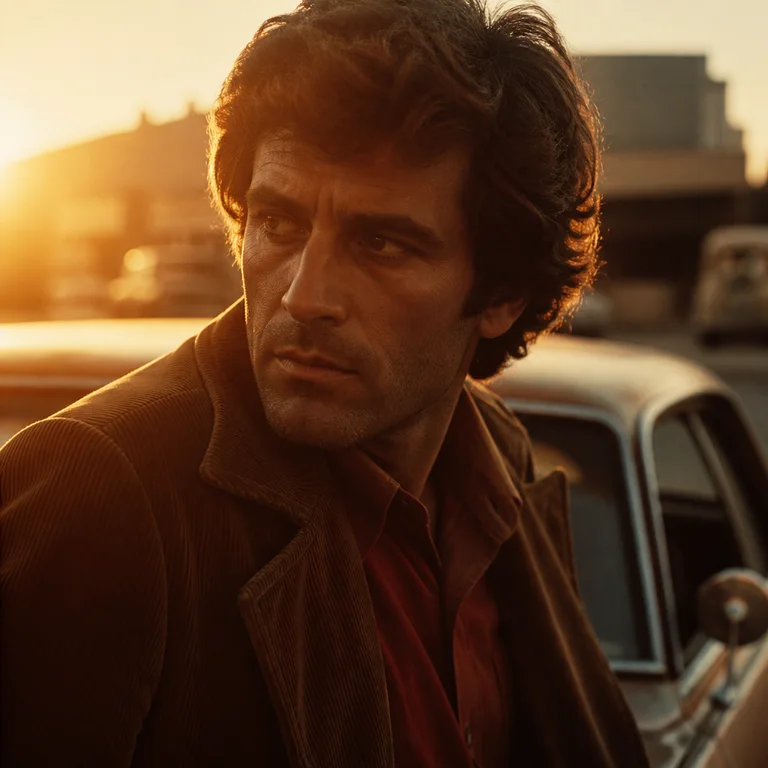
Description
The New Hollywood look is the photographic and cinematographic language of American films roughly 1967 to 1980 — Bonnie and Clyde, Easy Rider, The Godfather, Chinatown, Taxi Driver, Three Days of the Condor, Days of Heaven, Apocalypse Now. It is not a single style but a converging set of choices that the generation of directors trained at UCLA and AFI made in revolt against studio-era polish. The rules: shoot on Kodak 5247 or 5254 stock with warm golden-amber color shift; expose for highlights and let shadows go deep; use long zooms and telephoto compression to flatten compositions; favor practical locations over soundstages; embrace lens flares from low-sun shooting; allow visible grain (250–500 ASA negative pushed); muted, dusty palettes — ochre, oxblood, mustard, olive, taupe — that come partly from the chemistry and partly from production designers like Dean Tavoularis (Godfather) and Richard Sylbert (Chinatown). Use it for 1970s period work, character drama, crime, road movies, journalist and political thrillers, and any image that should feel observed rather than composed. It does not do clean, bright, or futuristic. Models confuse this with generic "retro" — specify "1970s Kodak 5247 film stock, warm amber color shift, telephoto compression, dusty ochre palette, deep shadows, lens flare, Vilmos Zsigmond cinematography."
Three pioneers
Every style in this catalog names three verifiable pioneers. This is the part of the drop test that takes the longest to write and is the easiest to spot when it's missing.
-
Gordon Willis
American cinematographer, 1931–2014. The Godfather Parts I and II (1972, 1974), Manhattan (1979), Klute (1971). His underexposed, top-lit 'Prince of Darkness' style defined New Hollywood drama cinematography.
-
Vilmos Zsigmond
Hungarian-American cinematographer, 1930–2016. McCabe and Mrs. Miller (1971), Deliverance (1972), Close Encounters (1977). His flashing technique (pre-exposing negative to muted color) created the period's signature soft golden palette.
-
Néstor Almendros
Spanish-Cuban cinematographer, 1930–1992. Days of Heaven (1978) — magic-hour-only shooting on Texas wheat fields — set the canonical natural-light look that every modern 'painterly cinematography' homage references.
Contemporary revival
Killers of the Flower Moon (Scorsese, 2023), Licorice Pizza (Anderson, 2021), and the broader Paul Thomas Anderson / Tarantino / Safdie Brothers period-recreation cycle
Killers of the Flower Moon grossed $158M and was deliberately shot to invoke 1970s naturalism — Rodrigo Prieto cited Zsigmond and Almendros directly in interviews. Licorice Pizza's $33M box office on a 70s-set film is unusual and signals demand. #1970sfilm and #newhollywood on TikTok / Instagram show consistent engagement around film-school accounts and cinematography breakdown channels (StudioBinder, Every Frame a Painting reuploads). Kodak's continued production of 5219 negative stock is driven by directors specifically chasing this look.
Working prompts
Three prompts we've tested against current FairStack models. Copy and run.
-
1970s New Hollywood photograph, Kodak 5247 film stock, warm amber color shift, telephoto compression, dusty ochre and oxblood palette, character in worn corduroy jacket, deep shadows on side of face, late-afternoon lens flare
-
Days of Heaven style magic hour landscape, golden Texas wheat field at sunset, single figure in middle distance, Néstor Almendros natural light only, painterly soft palette, slight grain
-
1970s street scene, New York Taxi Driver mood, sodium-vapor street light, telephoto compression, character at distance, warm grain, oxblood-and-olive color palette, observed not composed
Recommended models
Models from FairStack's catalog that handle this style best. Sorted by price.
Related styles
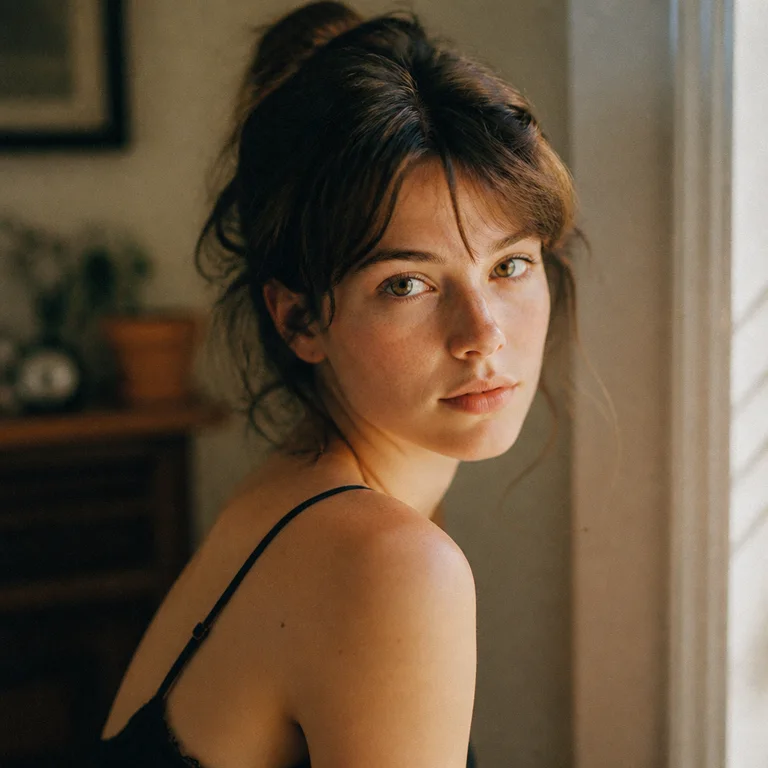
35mm Film Photography
35mm film photography is the look of the dominant consumer and editorial photographic format of the second half of the twentieth century.…
Open style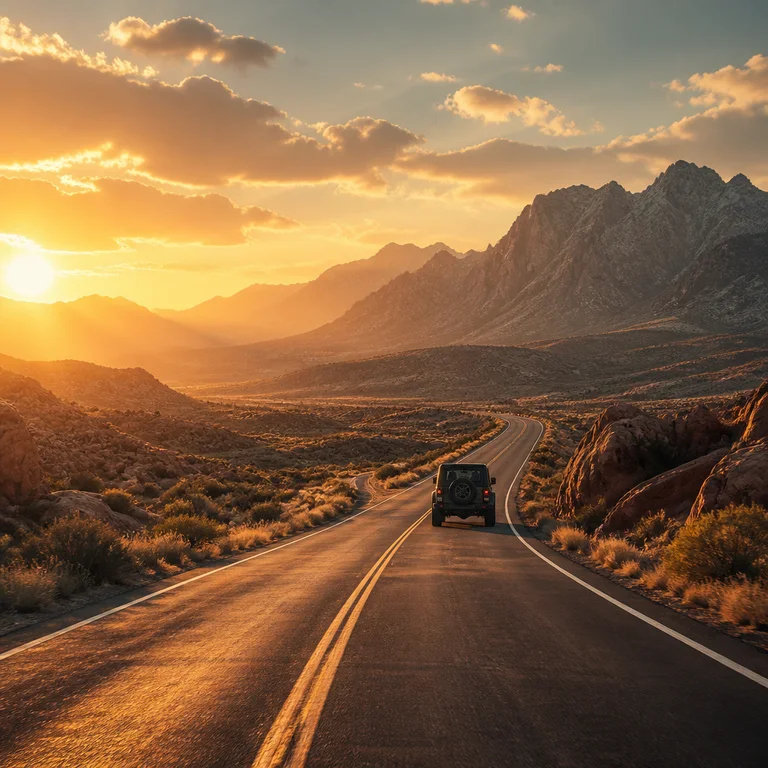
Roger Deakins Naturalism
Roger Deakins is the most decorated living cinematographer (16 Oscar nominations, 2 wins for Blade Runner 2049 and 1917) and the most imi…
Open style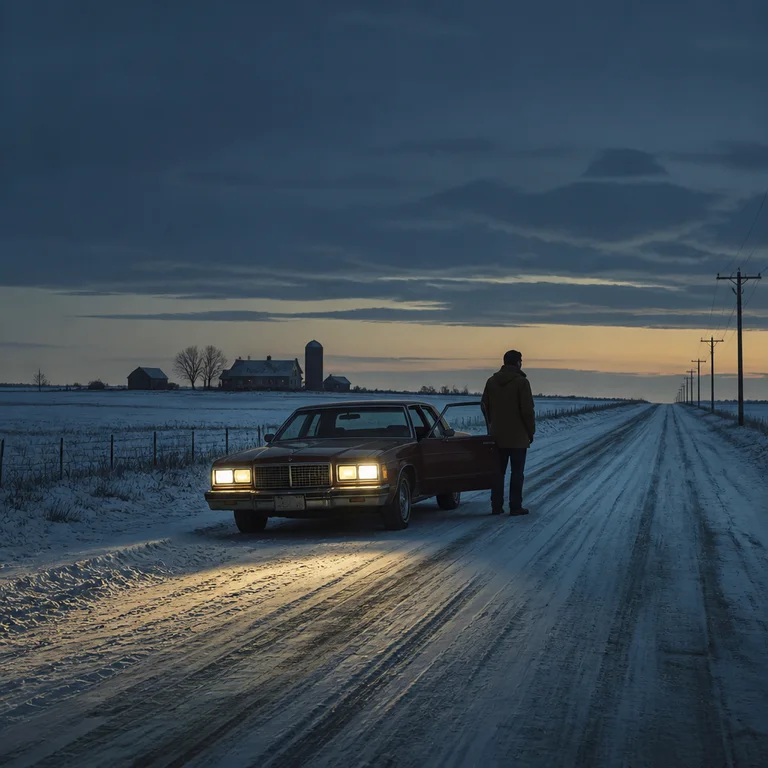
Coen Brothers Americana
Joel and Ethan Coen's cinematography across Fargo (1996), No Country for Old Men (2007), Inside Llewyn Davis (2013), The Ballad of Buster…
Open style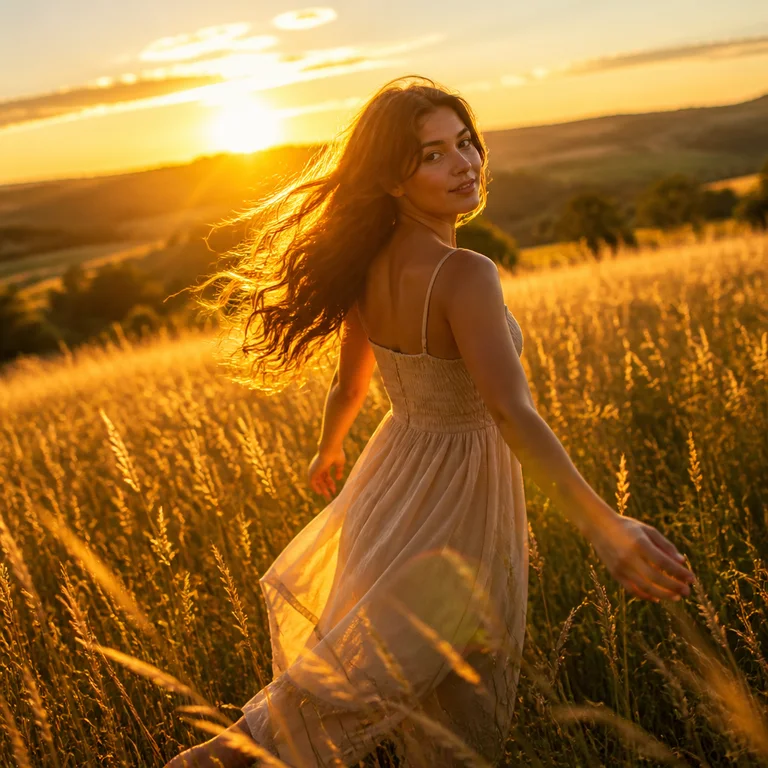
Golden Hour Naturalism
Golden hour is the roughly 60 minutes after sunrise and before sunset when the sun is low enough that its light passes through more atmos…
Open style