Description
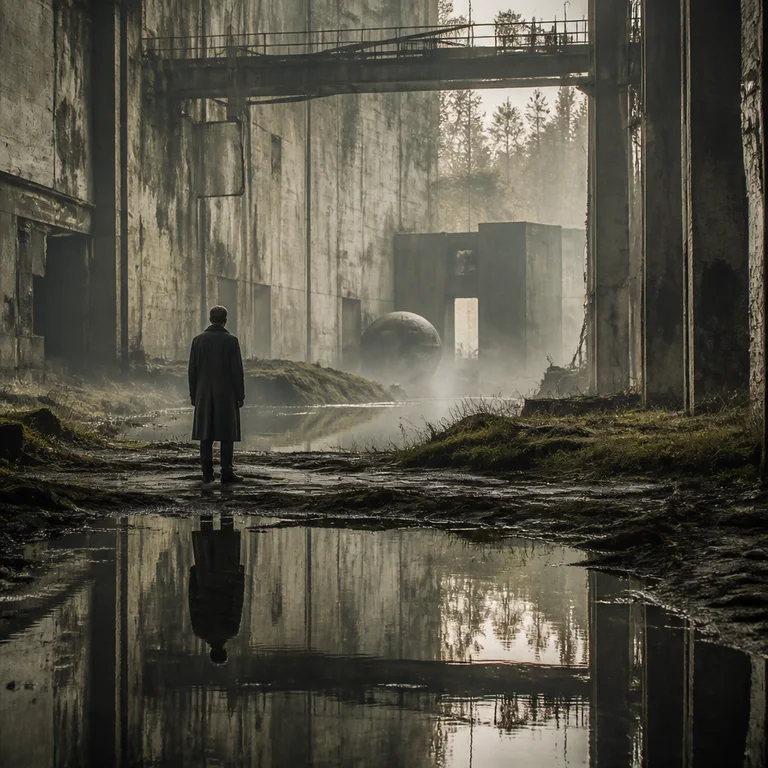
Andrei Tarkovsky directed seven feature films between 1962 and 1986 and is the canonical reference for slow, image-driven, philosophically loaded cinema. The visual language is specific enough to be reproducible and severe enough that nothing accidentally lands on it. Rules: long takes (often 90+ seconds, sometimes minutes); slow lateral or push-in camera moves, rarely cuts; landscapes are damp — water, mist, mud, snow, peat — and the image is meant to read as wet; restrained desaturated palette with sepia and silver-gelatin influence, dominated by browns, greens, and grays; mirrored or pooled water as recurring motif; objects float, fall, or burn — Tarkovsky used real fire and real water for their physical presence; architectural ruin and natural landscape treated with equal weight; cinematography by Vadim Yusov (Andrei Rublev, Solaris) and Sven Nykvist (The Sacrifice). Use it for slow narrative imagery, nature with melancholic weight, philosophical or religious subjects, post-apocalyptic landscapes, contemplative editorial, and any image that should feel patient and physical. Limitations: not for energy, color, or any kind of brightness. Models will give you generic "European art film" — specify "Tarkovsky long-take cinematography, damp landscape with mist or pooled water, desaturated brown-green-gray palette, slow lateral camera, single floating object, mirrored reflection, Stalker or Andrei Rublev reference."
Three pioneers
Every style in this catalog names three verifiable pioneers. This is the part of the drop test that takes the longest to write and is the easiest to spot when it's missing.
-
Andrei Tarkovsky
Russian director, 1932–1986. Ivan's Childhood (1962), Andrei Rublev (1966), Solaris (1972), Mirror (1975), Stalker (1979), Nostalghia (1983), The Sacrifice (1986). Author of Sculpting in Time (1986), the foundational text on long-take, image-as-time cinema.
-
Vadim Yusov
Soviet cinematographer, 1929–2013. Shot Tarkovsky's first four features (Ivan's Childhood through Solaris) and established the long-take, lateral-tracking, damp-landscape grammar that the later films extended.
-
Sven Nykvist
Swedish cinematographer, 1922–2006 (Bergman's primary collaborator). Shot Tarkovsky's final film The Sacrifice (1986). His Nordic naturalist light and patient compositions set the model for Tarkovsky's late style and influenced the entire art-cinema tradition that descends from it.
Contemporary revival
The 2022 Cannes 4K restoration of Andrei Rublev and the broader Tarkovsky restoration cycle, the persistent influence on contemporary art cinema (Pedro Costa, Lav Diaz, Béla Tarr, Apichatpong Weerasethakul), and the continuous Letterboxd / academic engagement with Stalker as one of the most-discussed films online
The Mosfilm 4K restorations of Tarkovsky's films (2022–2024) toured Cannes, NYFF, and the BFI. Criterion Collection's Tarkovsky box set (2023) was one of the year's bestselling Blu-ray releases. Stalker (1979) routinely ranks in Sight & Sound's Greatest Films Ever Made (2022 critics' poll #43). #tarkovsky on Instagram exceeds 230K posts. 'Tarkovsky-inspired' is one of the most common reference points in slow-cinema discourse; Béla Tarr's masterclasses and Apichatpong's recent films are critically framed as Tarkovsky's lineage.
Working prompts
Three prompts we've tested against current FairStack models. Copy and run.
-
Tarkovsky-style long-take cinematography, damp post-industrial landscape with mist rising from pooled water, single figure standing in foreground, desaturated brown-green-gray palette, slow lateral camera, mirrored reflection in foreground puddle, Stalker reference
-
Andrei Rublev-style medieval Russian scene, snow falling on muddy field, single horse and rider in middle distance, sepia-leaning desaturated palette, patient wide composition, naturalist light
-
The Sacrifice-style Nordic landscape, lone wooden house at edge of misty lake at dawn, gray-green palette, single floating object on water, contemplative slow tableau
Recommended models
Models from FairStack's catalog that handle this style best. Sorted by price.
Related styles
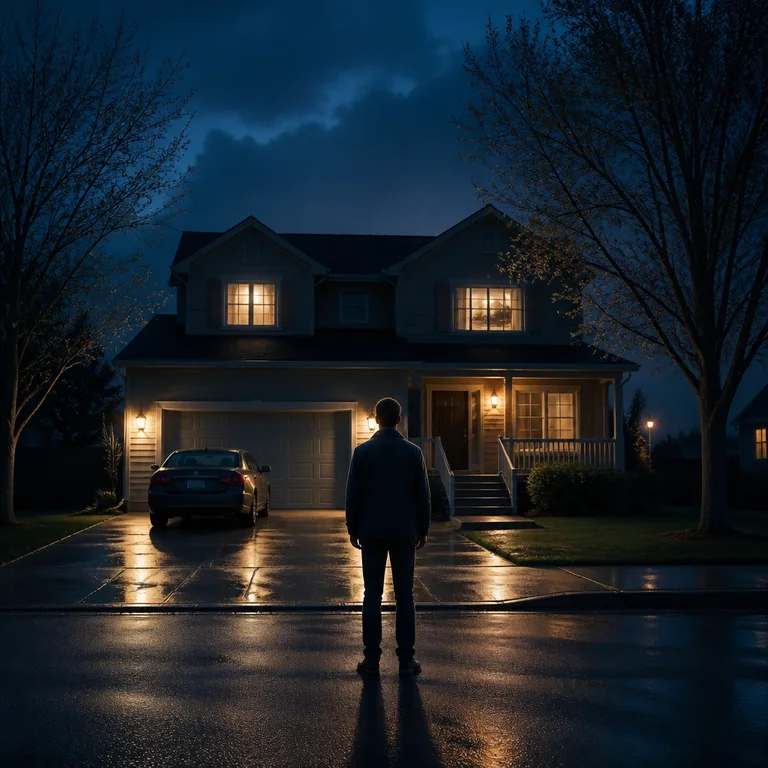
Gregory Crewdson Cinematic Still
Gregory Crewdson makes photographs that look like single frames from films that don't exist. Each image is shot on a soundstage or locati…
Open style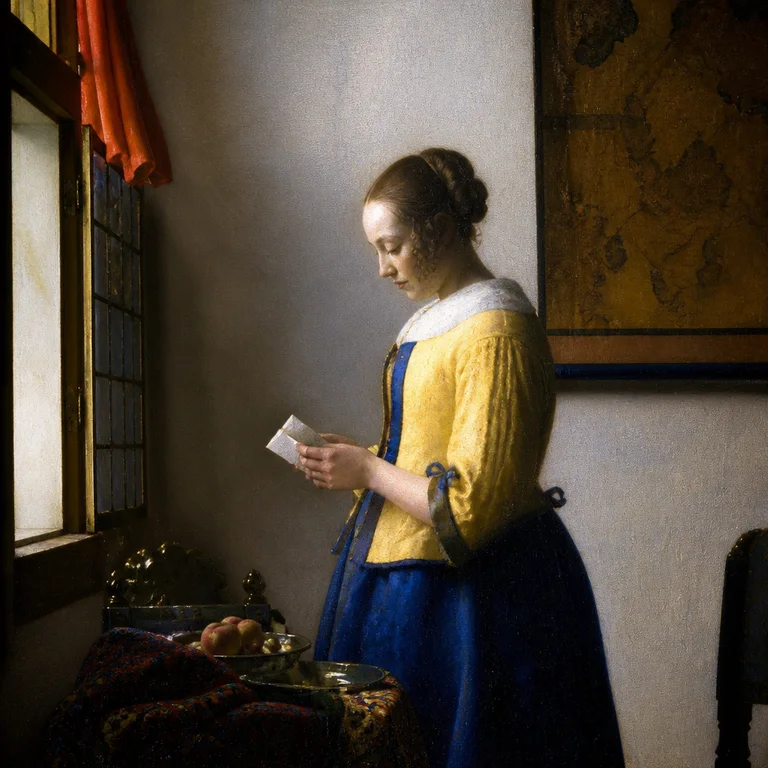
Dutch Golden Age (Vermeer)
The Dutch Golden Age (roughly 1620–1680) produced an unusually coherent body of small, intimate, light-driven paintings. Within that move…
Open style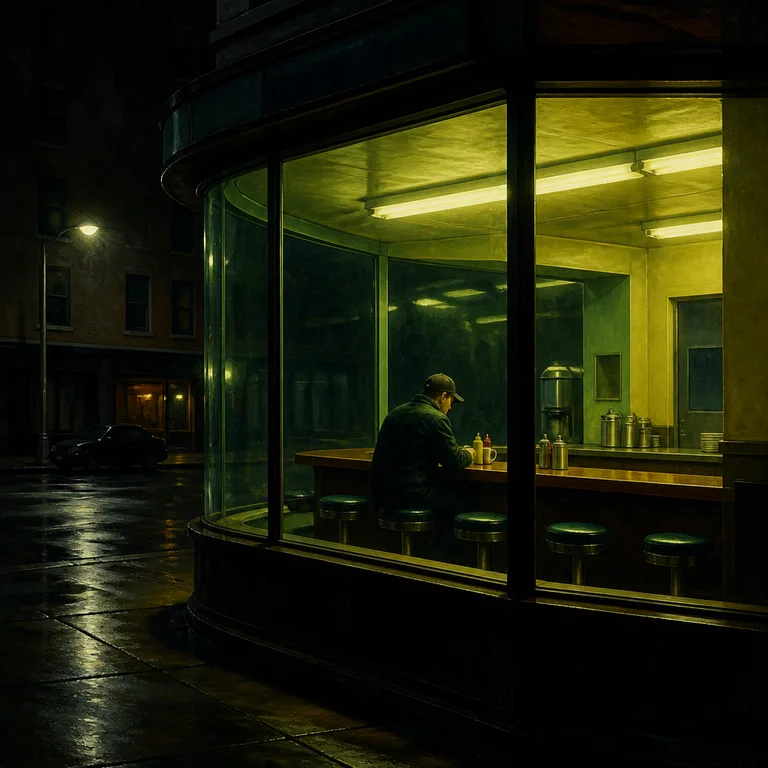
American Realism (Hopper)
Edward Hopper is the canonical American Realist of the twentieth century, and his particular contribution is a vocabulary for painted lon…
Open style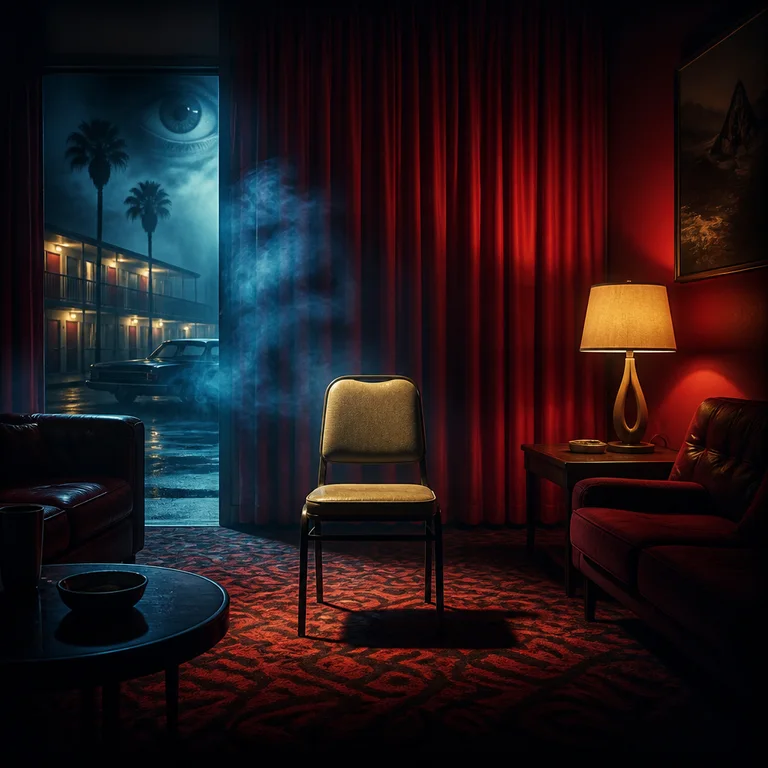
Lynch Dreamlike
David Lynch's visual language across Blue Velvet (1986), Twin Peaks (1990–91, 2017), Mulholland Drive (2001), and INLAND EMPIRE (2006) is…
Open style