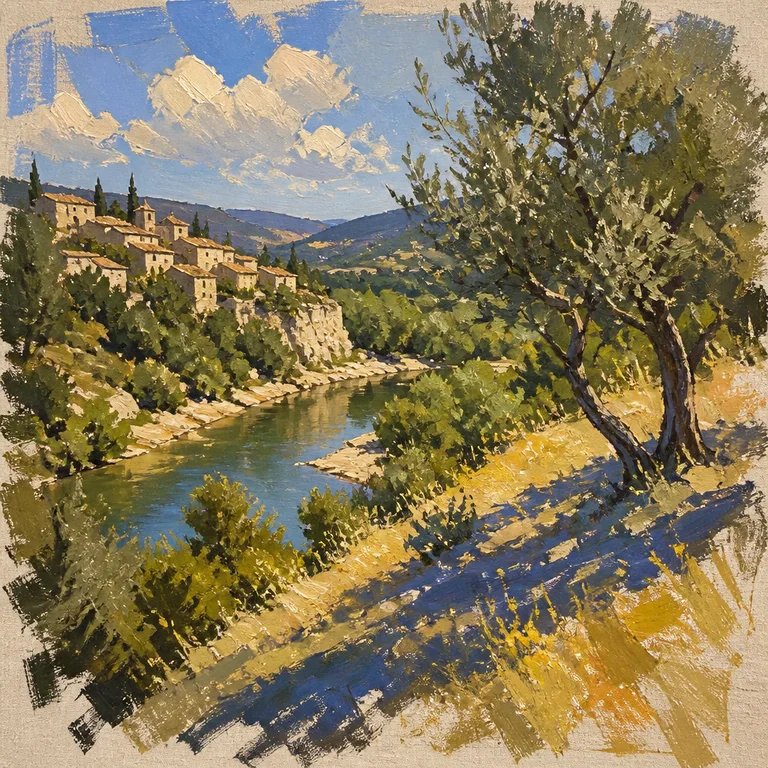
Description
Plein air ("in the open air") painting is the practice of painting a landscape in front of the landscape — directly, in one or two sittings, with the weather and light changing while the painter works. It became possible in the 1840s when paint manufacturers introduced collapsible metal tubes (John Goffe Rand, 1841) that let painters carry oils outdoors. The Barbizon School and the Impressionists used the technique to overturn studio landscape painting. Today it is both a continuous tradition (Plein Air magazine, the Plein Air Convention, and a network of regional festivals) and a living technical practice for landscape painters. Visual rules: oil or gouache on small-to-medium boards or canvases (8×10, 9×12, 11×14 are standard "pochade" sizes); rapid execution dictated by the changing light — usually 1–3 hours; visible directional brushwork because there is no time to blend smoothly; high-key palette with shadow color drawn from observation rather than invented (cool-blue shadows on a sunny day, warm violet on overcast); subjects drawn from the immediate environment (river bend, hillside town, harbor, picnic site); fresh, slightly unfinished surface — the painter stops when the light changes, not when the canvas is "done." Use it for landscape painting, travel illustration with painted feel, retro outdoor lifestyle imagery, painted plein-air portraits, and any image that should feel hand-made and observed-from-life. Models will produce "impressionist landscape" cliché. Specify "plein air oil sketch on small board, rapid 90-minute execution, visible directional brushwork without blending, observed shadow color (cool-blue on sunny day or warm violet on overcast), high-key palette, slightly unfinished surface, contemporary plein-air tradition or Barbizon school reference."
Three pioneers
Every style in this catalog names three verifiable pioneers. This is the part of the drop test that takes the longest to write and is the easiest to spot when it's missing.
-
Camille Corot
French painter, 1796–1875. Patriarch of the Barbizon School and a founding plein air landscape painter. His Italian oil sketches of the 1820s (Rome studies) are the early canonical plein air work. Bridge figure between Neoclassicism and Impressionism.
-
John Constable
British painter, 1776–1837. His cloud studies (Hampstead, 1820–22) and Wivenhoe Park (1816) were painted outdoors decades before the Barbizon school and the Impressionists. Argued for landscape as a serious genre based on direct observation.
-
Edgar Payne
American painter, 1883–1947. The leading early-20th-century California plein-air painter and author of Composition of Outdoor Painting (1941) — the foundational instructional text for the contemporary American plein-air revival.
Contemporary revival
The contemporary plein-air movement — the Plein Air Convention & Expo (PACE, annual since 2011, 1,500+ painters), Plein Air magazine, the Laguna Plein Air Painters Association centennial (2018), and a national network of regional plein-air festivals
Plein Air Magazine has run continuously since 2011 and reports a paid subscriber base in the tens of thousands. The Plein Air Convention & Expo has run annually since 2011 and routinely sells out at 1,500+ painter attendees per Streamline Publishing reporting. Over 250 regional plein-air festivals operate annually in the US, UK, and Australia per Outdoor Painters Society listings. Eric Rhoads's PleinAir Today daily newsletter has over 90,000 subscribers. #pleinair on Instagram exceeds 4M posts; #pleinairpainting exceeds 2M. The Hudson River Fellowship and the Atelier-school revival have made plein-air practice central to contemporary representational painting education.
Working prompts
Three prompts we've tested against current FairStack models. Copy and run.
-
plein air oil sketch on 11x14 board, river bend in Provence at 11am, rapid 90-minute execution, visible directional brushwork without blending, observed cool-blue shadows on sunny grass, warm olive and ochre and cobalt sky palette, slightly unfinished edges, contemporary Barbizon-tradition feel
-
California plein-air landscape, eucalyptus grove on coastal hillside at golden hour, Edgar Payne school, confident brushwork, warm violet shadows, high-key palette, oil on linen panel
-
Constable-style cloud study, fast oil sketch of cumulus over English meadow, observed sky from direct life, visible brush ridges, unfinished foreground, 1820s plein-air precedent
Recommended models
Models from FairStack's catalog that handle this style best. Sorted by price.
Related styles
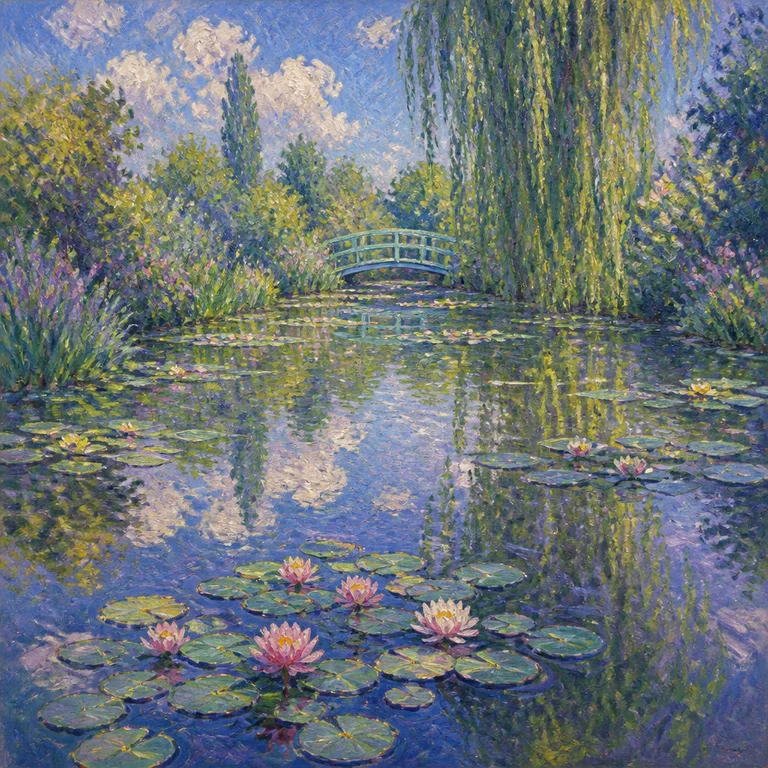
Impressionism (Monet)
Impressionism (1872–1886, peak years) was the first movement to take painting outside the studio and treat the act of seeing — not the ac…
Open style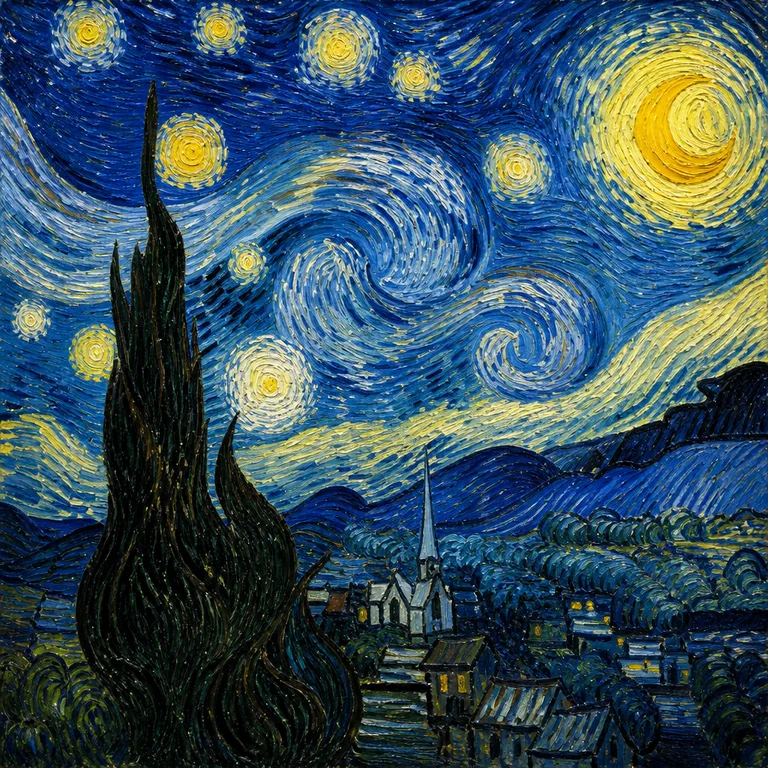
Post-Impressionism (Van Gogh)
Post-Impressionism was the loose collection of painters (1886–1905) who accepted the Impressionists' premise — broken color, painted in t…
Open style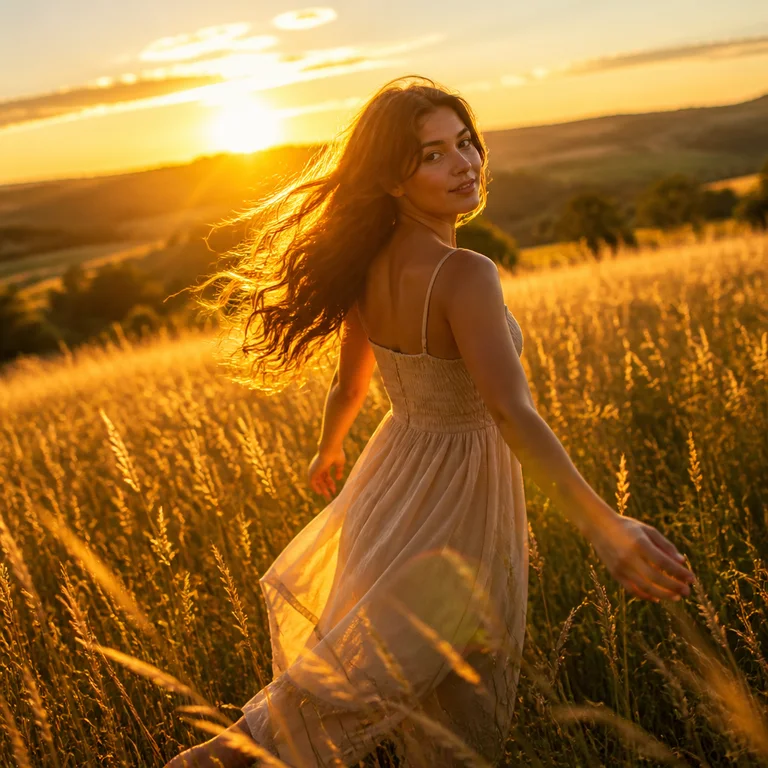
Golden Hour Naturalism
Golden hour is the roughly 60 minutes after sunrise and before sunset when the sun is low enough that its light passes through more atmos…
Open style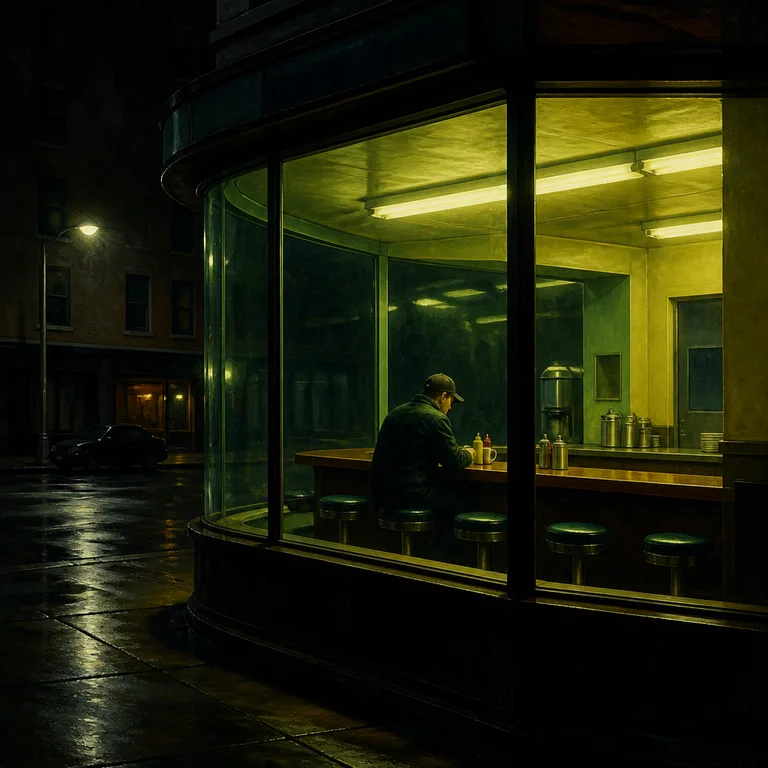
American Realism (Hopper)
Edward Hopper is the canonical American Realist of the twentieth century, and his particular contribution is a vocabulary for painted lon…
Open style