Category · Illustration
Illustration
Illustration is where named hands matter most. We grouped this category by the illustrator's lineage rather than by technique — a Mary Blair mid-century watercolor is its own page from an Eric Carle collage, even though both are children's-book traditions. The styles here can each be defended through three specific pioneers and a contemporary revival people actually search for. Editorial illustration, indie zines, children's books, and screen-print traditions all live here. Vector-only flat illustration and stock-art looks are deliberately excluded — they're filters, not styles.
Tags in this category
Styles in this category
19 styles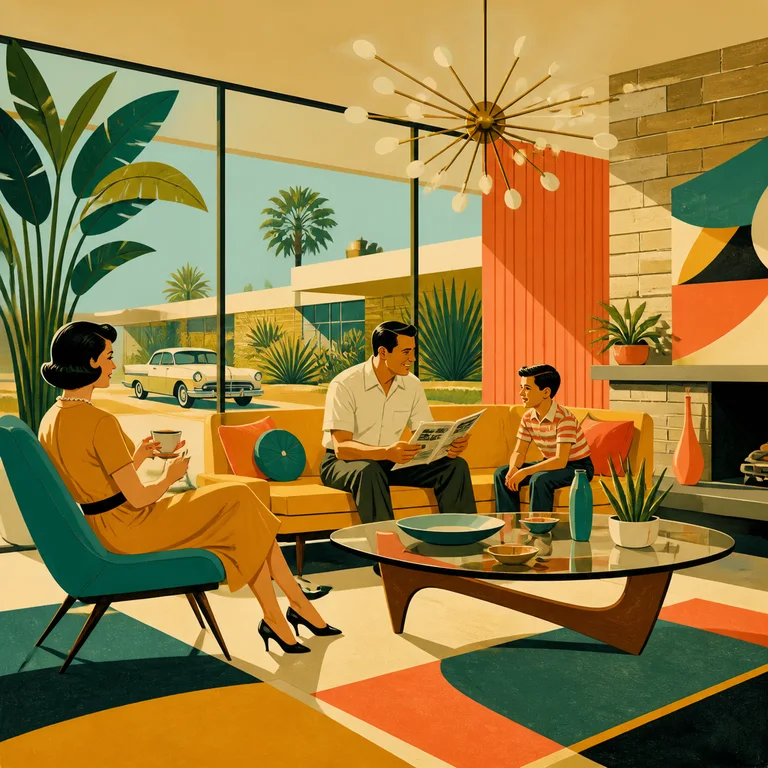
1950s Mid-Century Modern
Mid-century modern is the visual language of postwar American optimism, roughly 1947 to 1965, born in California, Scandinavia, and Italy…
Open style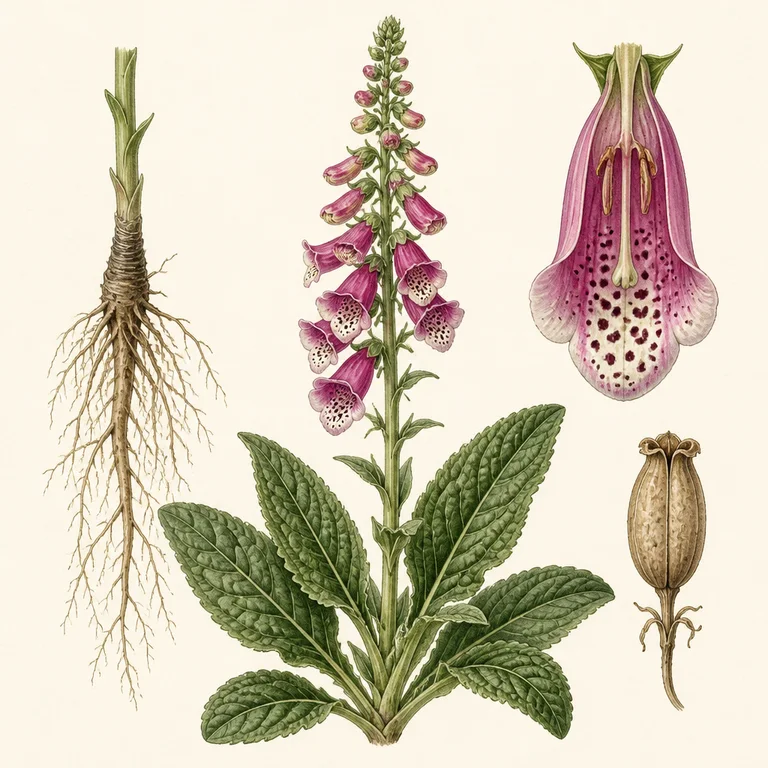
Botanical Scientific Illustration
Botanical scientific illustration is the four-century discipline of rendering a plant accurately enough to identify the species while mak…
Open style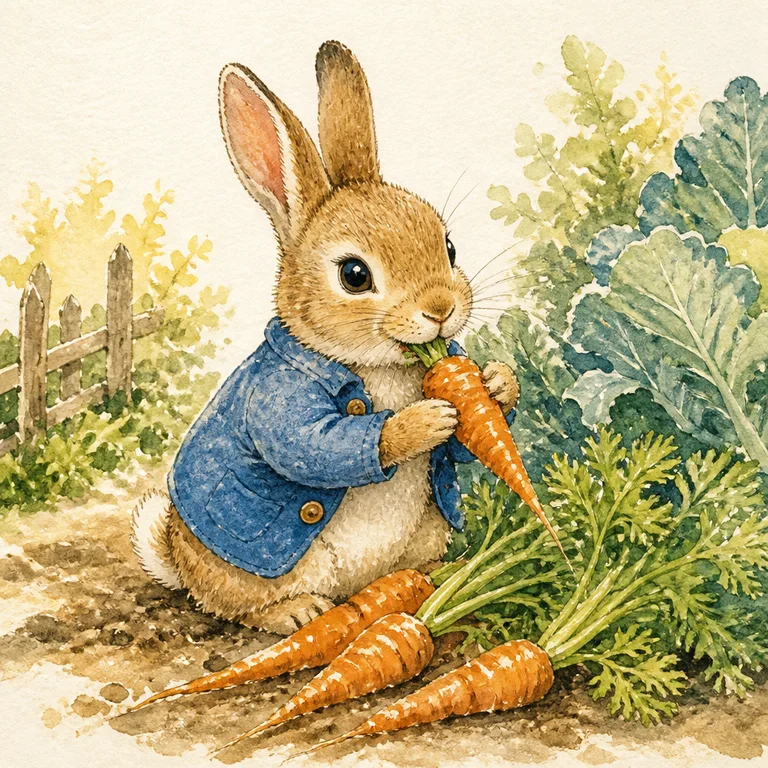
Children's Book Watercolor
"Children's book watercolor" is not one style — it is a continuous tradition stretching from Beatrix Potter's Peter Rabbit (1902) through…
Open style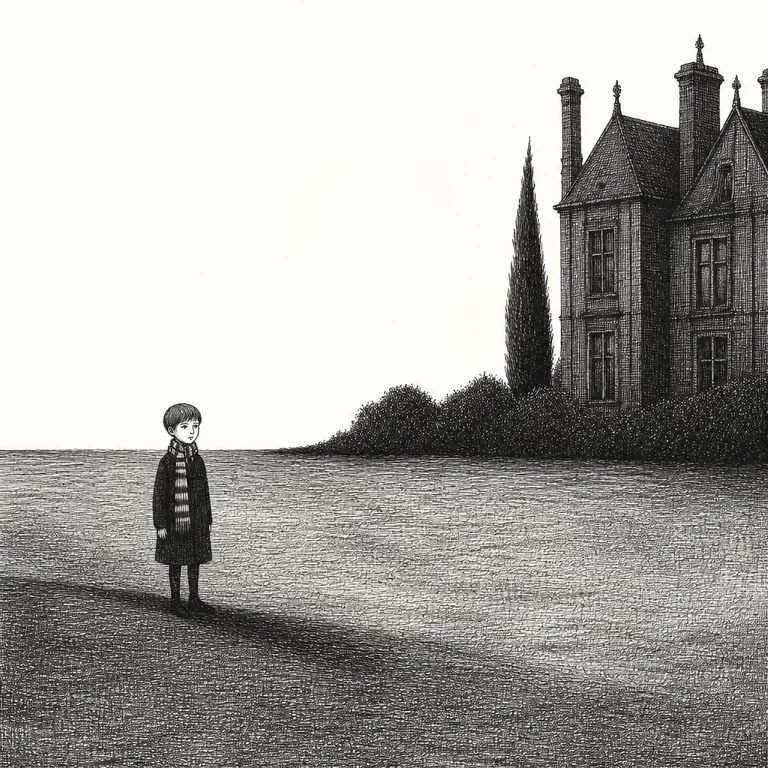
Edward Gorey Crosshatched Gothic
Edward Gorey produced more than 100 small books between 1953 and his death in 2000, each one set in a faintly Edwardian elsewhere and ren…
Open style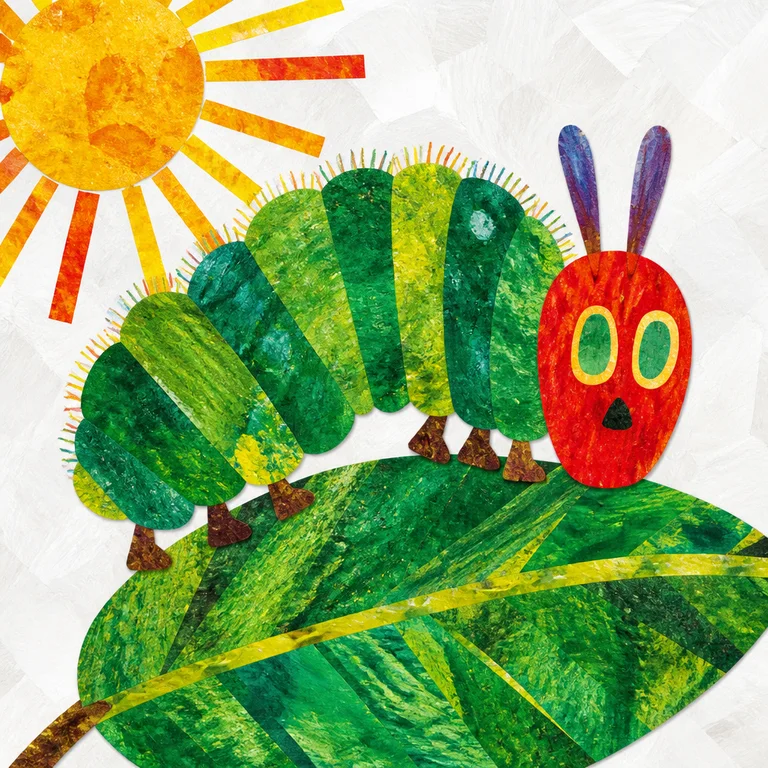
Eric Carle Collage
Eric Carle's method was specific and physical: he painted large sheets of tissue paper by hand with acrylics — splatters, brushwork, fing…
Open style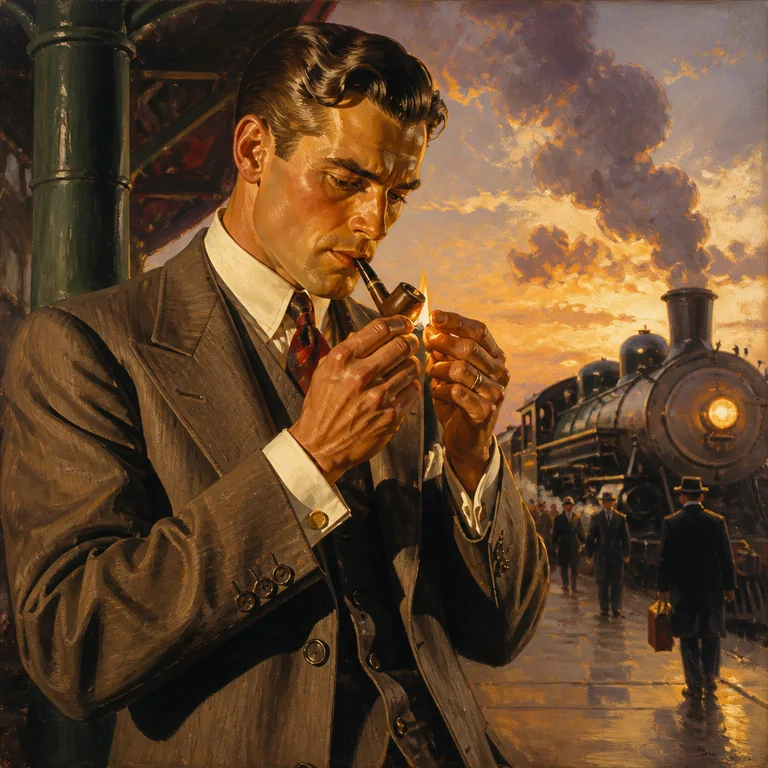
Golden Age Illustration
Golden Age illustration is the painted American narrative illustration that filled magazine covers, advertising, and book plates from rou…
Open style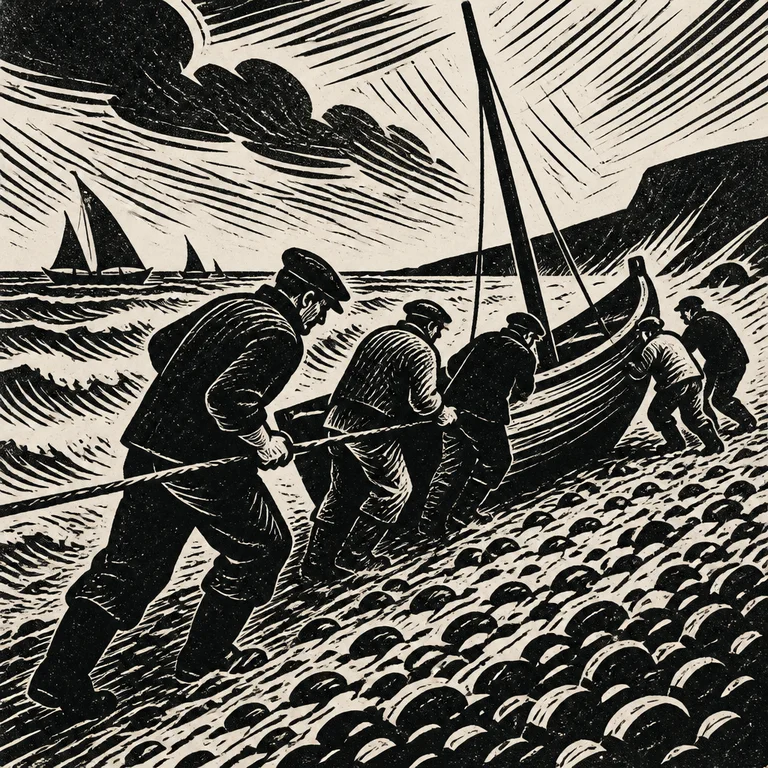
Linocut Relief Print
Linocut relief print is the look of an image cut into linoleum, inked, and pressed onto paper — a reductive medium where everything you s…
Open style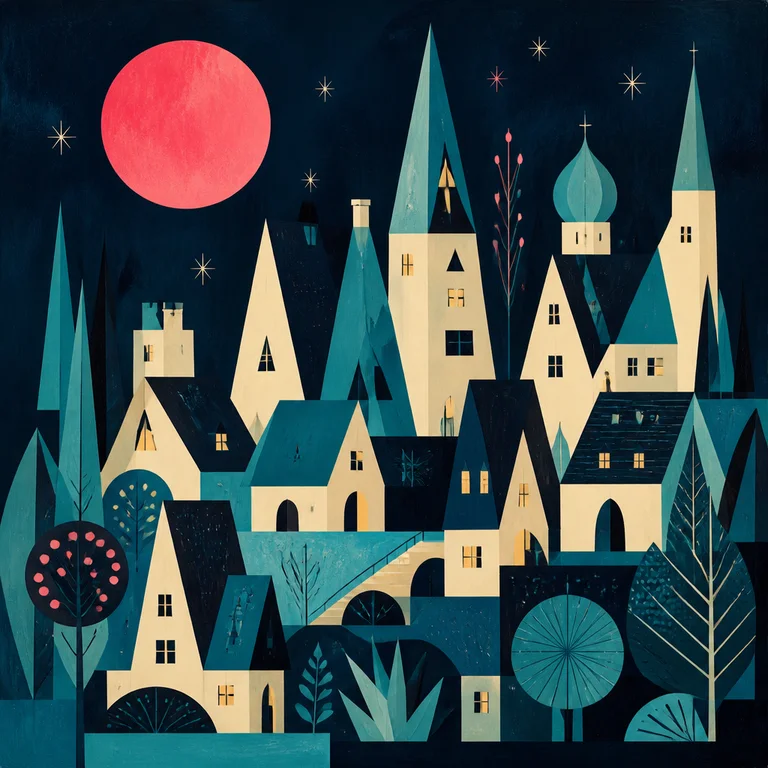
Mary Blair Mid-Century
Mary Blair's concept art for Disney between 1940 and 1965 — Cinderella, Alice in Wonderland, Peter Pan, and the It's a Small World ride —…
Open style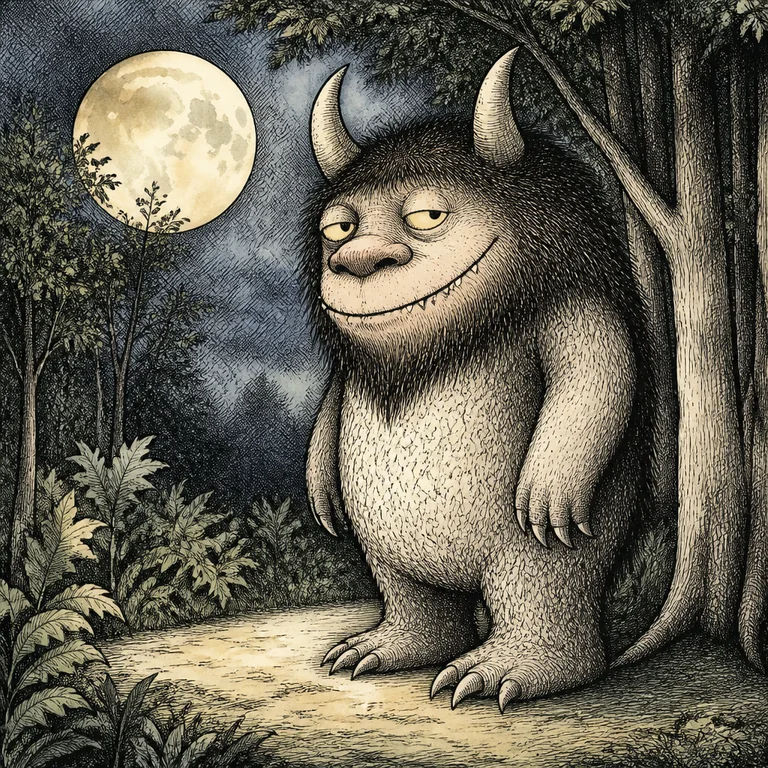
Maurice Sendak Crosshatch
Maurice Sendak's mature style — Where the Wild Things Are (1963), In the Night Kitchen (1970), Outside Over There (1981) — is built on de…
Open style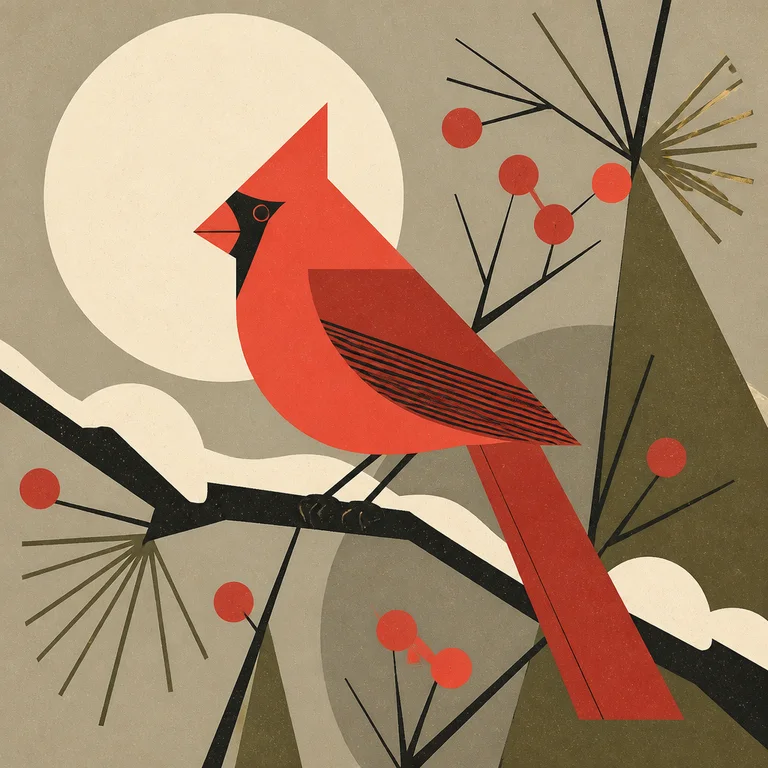
Mid-Century Graphic Illustration
Mid-Century Graphic Illustration is the flat, witty, geometry-driven American commercial illustration of roughly 1948–1965 — the look of…
Open style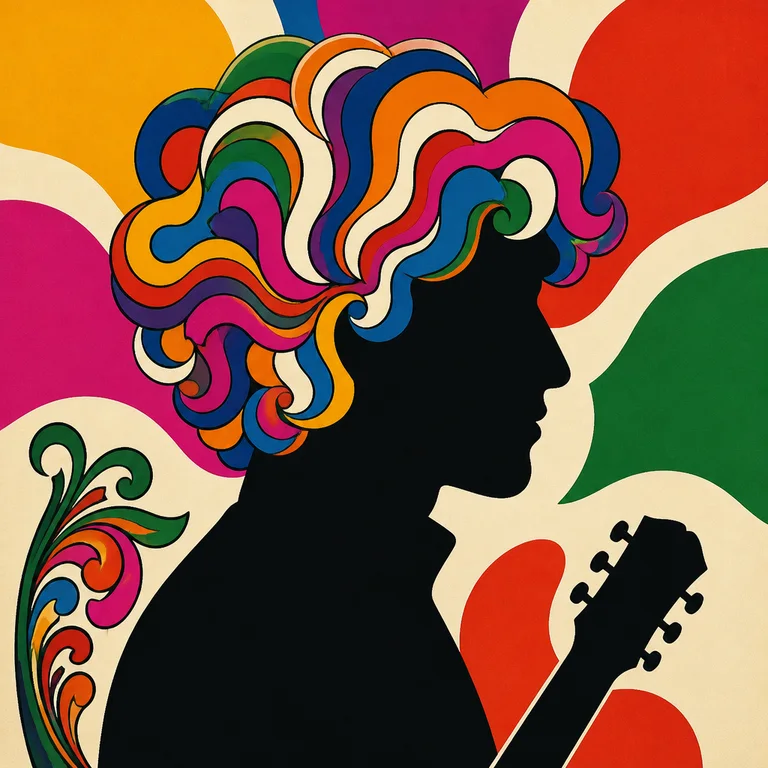
Milton Glaser Pop
Milton Glaser Pop is the warm, eclectic, idea-first American graphic illustration that came out of Push Pin Studios from 1954 onward — th…
Open style
Mixed Photography and Sketch
Mixed photography and sketch is the deliberate combination of photographic imagery with hand-drawn ink, graphite, watercolor, or marker o…
Open style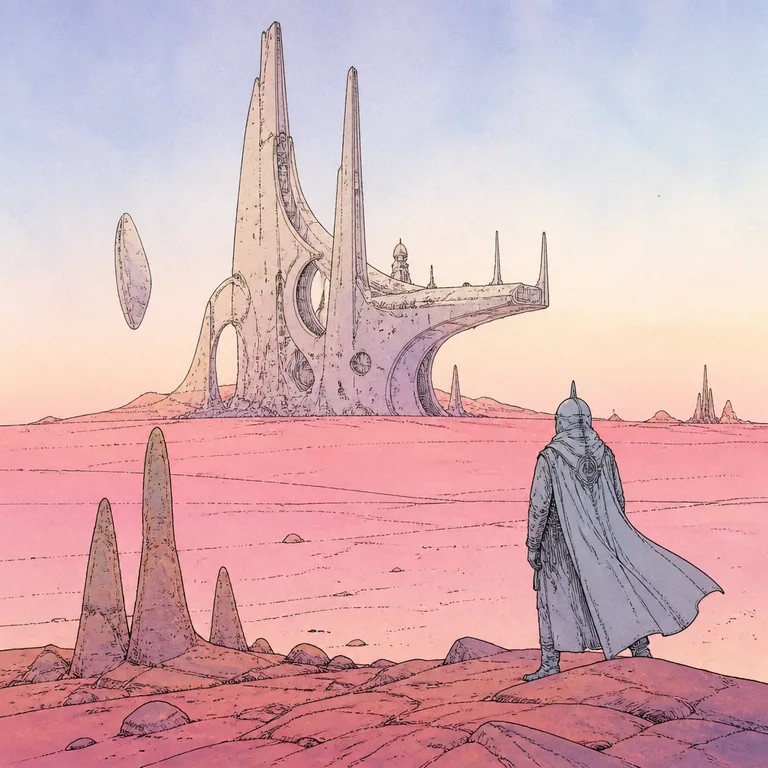
Moebius / European Bande Dessinée
Moebius — Jean Giraud's pseudonym for his Métal Hurlant work from 1974 onward — is the single most influential European comics artist of…
Open style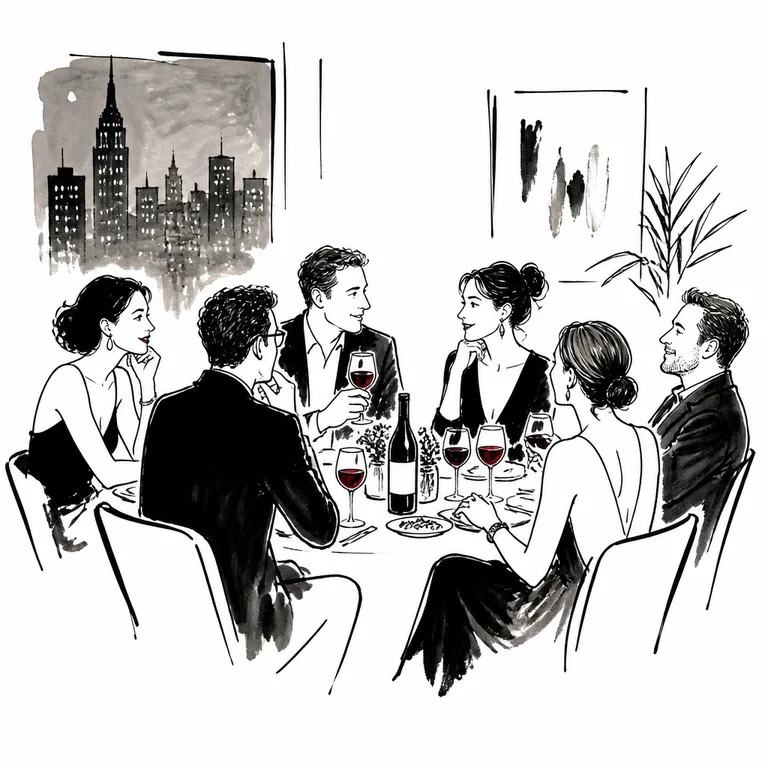
New Yorker Editorial Ink
The New Yorker has run editorial illustration and cartoons in a coherent visual language for nearly a century. The style is not one artis…
Open style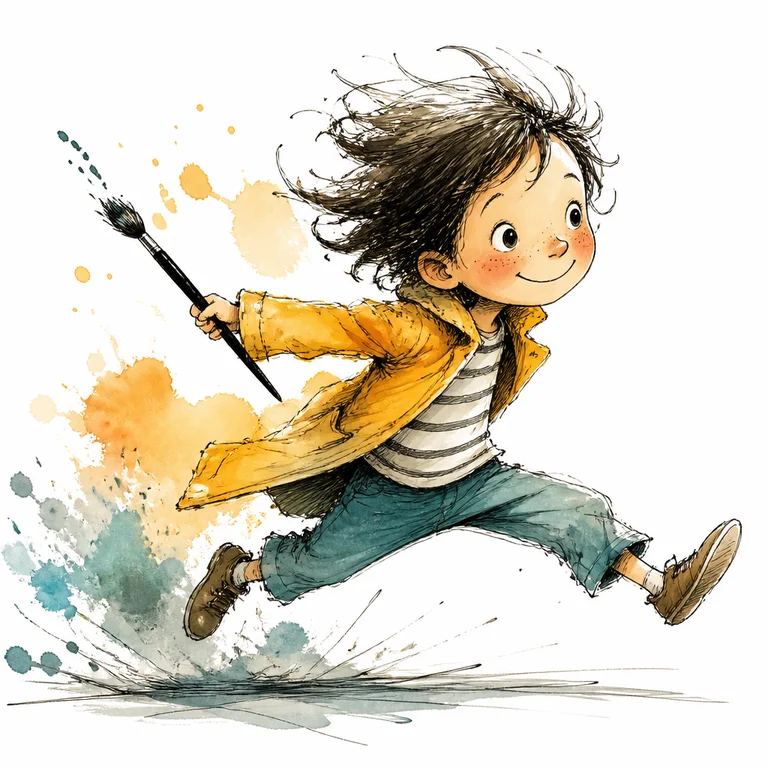
Quentin Blake Loose Line
Quentin Blake's illustrations for Roald Dahl — The BFG, Matilda, The Witches, James and the Giant Peach, Charlie and the Chocolate Factor…
Open style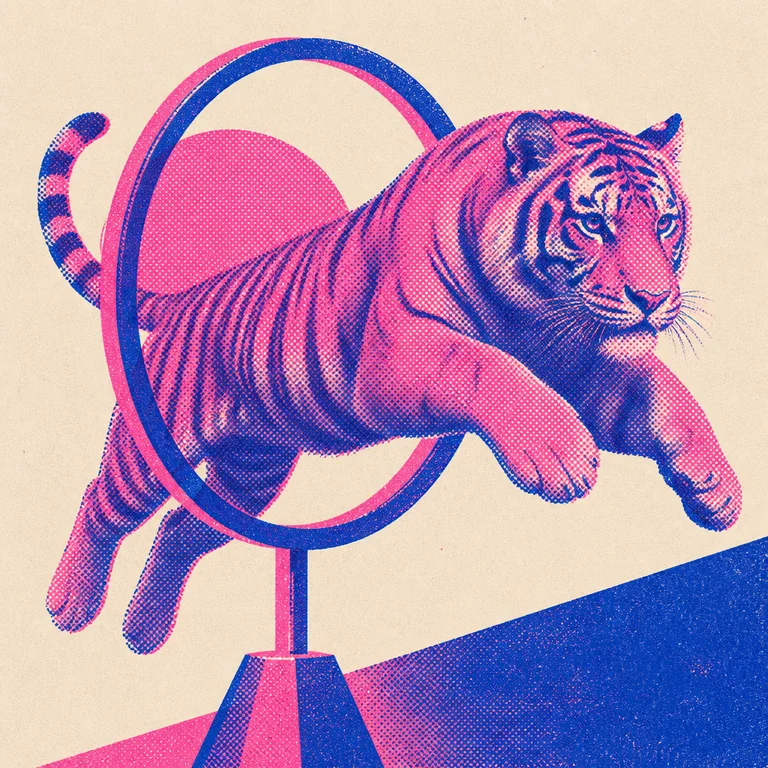
Risograph
Risograph is a Japanese stencil-duplication printing technology (Riso Kagaku, since 1986) that was originally designed for cheap school n…
Open style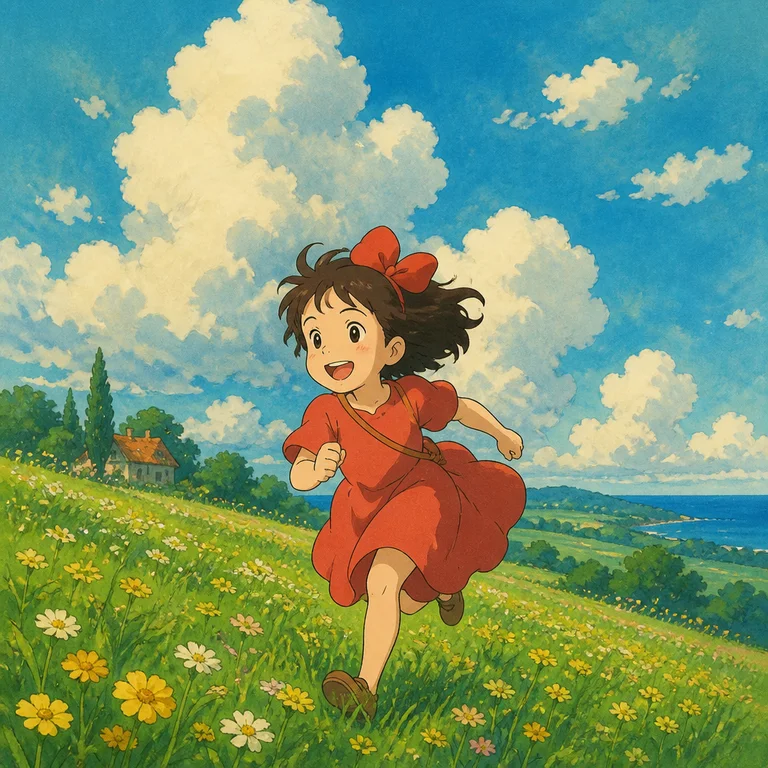
Studio Ghibli
Studio Ghibli's films share a visual identity that has held remarkably steady from Castle in the Sky (1986) through The Boy and the Heron…
Open style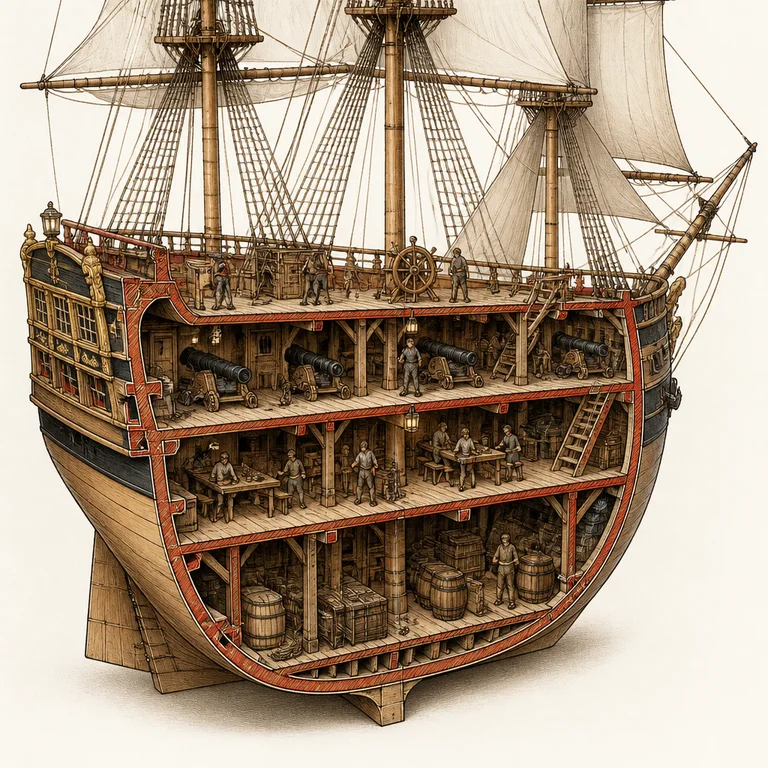
Technical Cutaway Illustration
Technical cutaway illustration is the explanatory picture that slices a building, machine, or body open so you can see how it works — the…
Open style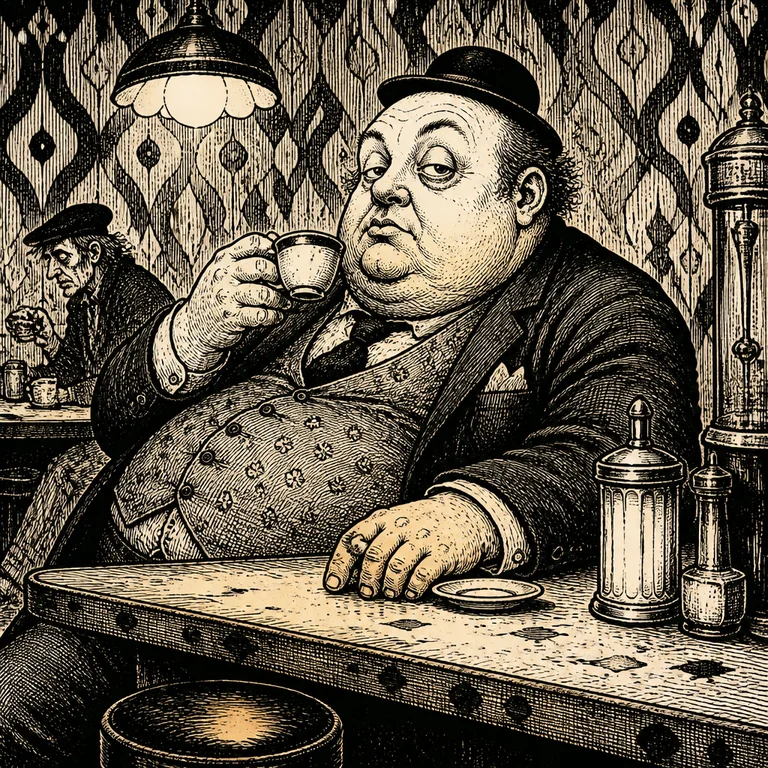
Underground Comix (R. Crumb)
Underground comix (the "x" spelling is original to the movement, used to distinguish from mainstream Comics Code-approved comic books) em…
Open style