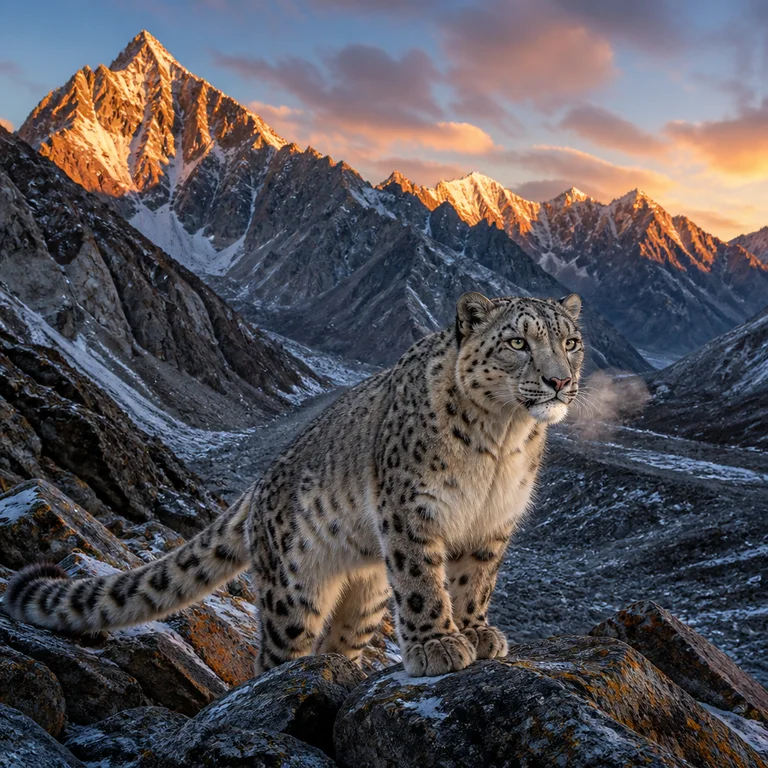
Description
National Geographic's photographic identity formed roughly between Steve McCurry's 1985 Afghan Girl cover and Sebastião Salgado's Genesis project (2013), but the magazine has been publishing assigned photography since 1888. The look is technically and culturally specific. Visual rules: saturated Kodachrome-era color (the magazine was a Kodachrome customer for decades and its color signature is calibrated to that emulsion's reds and skin tones); single-subject compositions where a person, animal, or landform is centered and rendered with hyper-detail; environmental context fully visible — the magazine commissions weeks of access so the photograph reads as one moment from a sustained witness; available natural light overwhelmingly preferred, with strobe accepted only for wildlife or interior assignments; aspect ratios that fit the magazine's editorial layouts (often vertical, often double-truck horizontal); captions doing geographic and species-level identification. Use it for travel and wildlife photography, expedition and environmental documentary, anthropological portraiture, science communication, and any image that should feel commissioned for serious editorial. Generative models will deliver "wildlife photography cliché" — perfect leopard against perfect savannah. Specify "National Geographic editorial, Kodachrome-era saturated color, single subject in rendered environmental context, available natural light, magazine-double-truck composition, McCurry or Salgado reference, weeks-of-access depth."
Three pioneers
Every style in this catalog names three verifiable pioneers. This is the part of the drop test that takes the longest to write and is the easiest to spot when it's missing.
-
Steve McCurry
American photographer, born 1950. National Geographic contract photographer. Afghan Girl (June 1985 cover) is the magazine's most famous image. His Kodachrome-saturated South Asian portraiture defined the late-twentieth-century Geographic look.
-
Sebastião Salgado
Brazilian photographer, born 1944. Genesis project (1995–2013) for the magazine and his own foundation. Workers (1993) is the canonical reference for Geographic-school black-and-white industrial/anthropological work. UNICEF Goodwill Ambassador.
-
Frans Lanting
Dutch photographer, born 1951. Contract wildlife photographer for National Geographic since 1986. Defined the modern Geographic wildlife idiom — long lens, eye-level on the animal, environmental context retained, never anthropomorphized.
Contemporary revival
National Geographic's continuing print, digital, and Disney+ properties (the magazine was acquired into Disney+ in 2019), the touring Salgado retrospectives (Amazônia 2021–2025), and the persistent dominance of NatGeo as the wildlife/travel aesthetic reference on Instagram
@natgeo on Instagram has over a quarter-billion followers — among the platform's largest brand accounts. NatGeo's Disney+ documentary slate (Welcome to Earth 2021, Limitless 2022, Photographer 2024) reaches tens of millions of viewers. Salgado's Amazônia exhibition toured Paris, São Paulo, London, Rome, and Los Angeles between 2021 and 2025 with over 1.5M cumulative visitors per Sebastião Salgado Institute reporting. The Visions of Earth and Photo Ark book series ship hundreds of thousands of copies. Every Sigma and Sony wildlife-lens campaign uses NatGeo-style imagery; the magazine remains the working reference for travel photography education.
Working prompts
Three prompts we've tested against current FairStack models. Copy and run.
-
National Geographic editorial photograph, snow leopard at dawn in Himalayan rocky pass, saturated Kodachrome color, eye-level on animal, full environmental context with crags and breath visible, available natural light, weeks-of-access depth, magazine vertical composition, Frans Lanting reference
-
NatGeo-style portrait of a remote-village elder, saturated reds and blues in traditional dress, single available light from open doorway, environmental detail intact, hyper-rendered skin and fabric, Steve McCurry aesthetic
-
Sebastião Salgado-style industrial documentary, gold-mine workers carrying ore up ladders, high-contrast black and white, full environmental scale, multiple figures rendered as both individual and mass, Genesis reference
Recommended models
Models from FairStack's catalog that handle this style best. Sorted by price.
Related styles
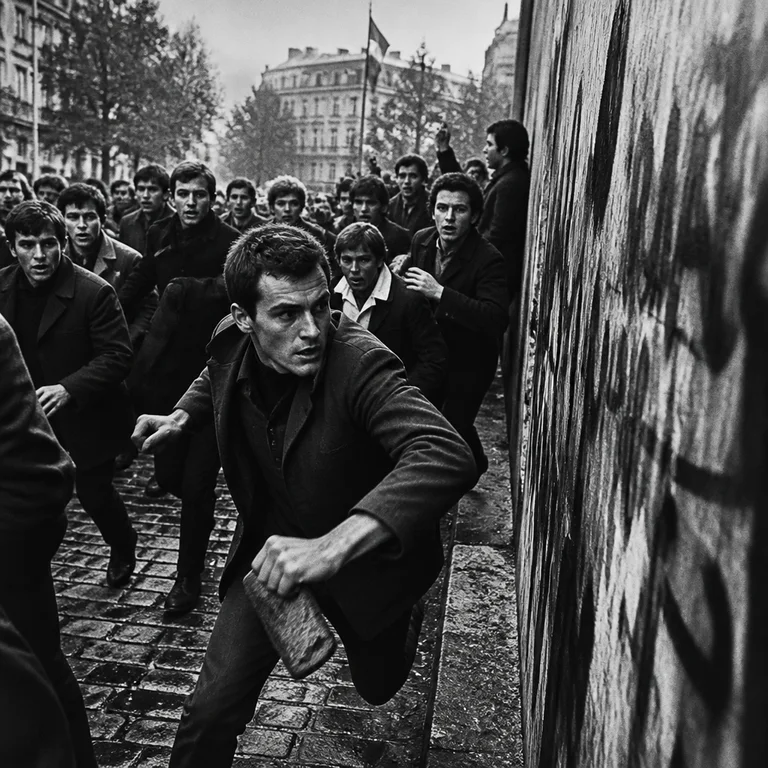
Magnum Documentary
Magnum Photos was founded in 1947 by Henri Cartier-Bresson, Robert Capa, David "Chim" Seymour, and George Rodger as a photographer-owned…
Open style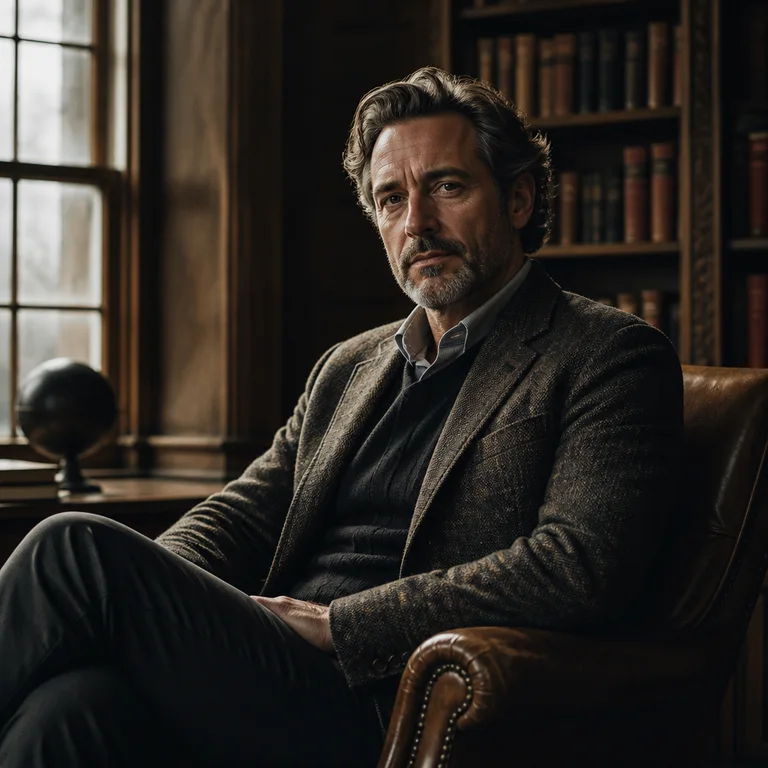
Annie Leibovitz Portrait
Annie Leibovitz's portrait work for Rolling Stone (1970–1983) and Vanity Fair (1983–present) defined what a contemporary celebrity portra…
Open style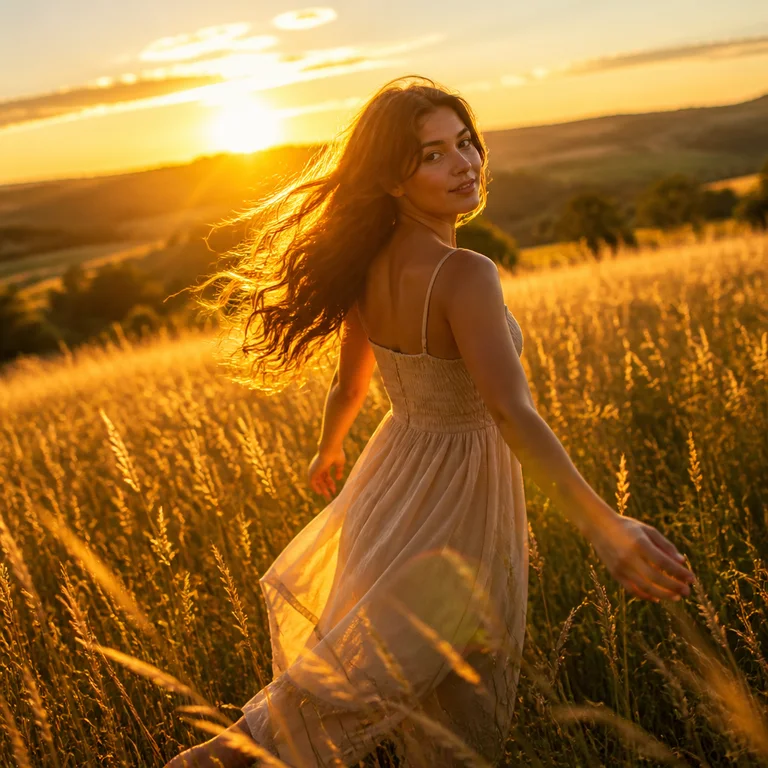
Golden Hour Naturalism
Golden hour is the roughly 60 minutes after sunrise and before sunset when the sun is low enough that its light passes through more atmos…
Open style
35mm Film Photography
35mm film photography is the look of the dominant consumer and editorial photographic format of the second half of the twentieth century.…
Open style