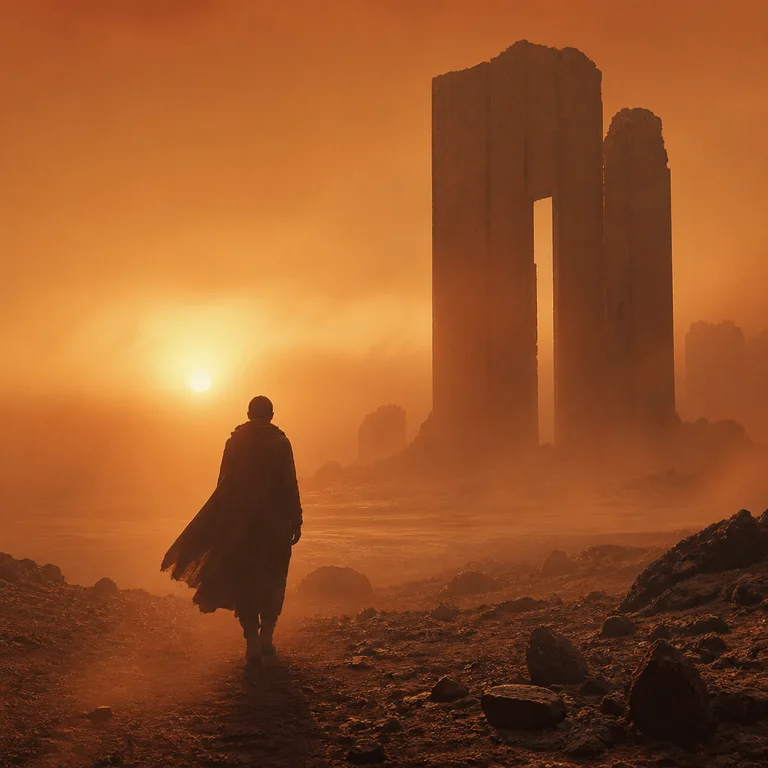
Description
Denis Villeneuve's science fiction films — Arrival (2016), Blade Runner 2049 (2017), Dune (2021), Dune: Part Two (2024) — have established a coherent visual language for contemporary sci-fi that everyone else now references. The rules are consistent across all four films and are mostly the responsibility of cinematographers Bradford Young and Roger Deakins. Visual traits: monolithic-scale architecture and environment — a single subject dwarfed by an environment ten or a hundred times its size; high-contrast lighting with a single dominant source (often warm orange or cold blue, rarely mixed); fog, dust, or smoke as a primary atmospheric layer used to compress depth and accept color casts (the orange Las Vegas sequence in 2049, the dust storms of Arrakis); minimalist shapes and silhouettes; deeply restrained palette per scene, often two colors plus value. Use it for sci-fi, architectural-scale environments, brutalist or alien architecture, single-figure-in-vast-space imagery, oversized natural phenomena, and anything that should feel weighty and inhuman. Limitations: not for warmth, not for crowds, not for handheld energy. Specify the film (Arrival, 2049, Dune Part One), the atmospheric layer (fog, dust, smoke), the palette (single dominant color), and "monolithic-scale subject relationship."
Three pioneers
Every style in this catalog names three verifiable pioneers. This is the part of the drop test that takes the longest to write and is the easiest to spot when it's missing.
-
Denis Villeneuve
French-Canadian director. Established the look across Arrival, Blade Runner 2049, and the two Dune films. Has signed to direct Dune: Messiah (2026).
-
Roger Deakins
Cinematographer of Blade Runner 2049 (Oscar) and the upcoming Dune: Messiah. The single-source, fog-and-dust, monolithic-silhouette visual grammar is most rigorously his.
-
Greig Fraser
Cinematographer of Dune (2021, Oscar) and Dune: Part Two (2024). Younger than Deakins; pushed the look into more handheld, more textured territory while keeping the core principles.
Contemporary revival
Dune: Part Two (2024) box office and visual influence, plus the wholesale adoption of the Villeneuve sci-fi grammar across television (Foundation, The Three-Body Problem) and game cinematics (Cyberpunk, Starfield, Helldivers 2)
Dune: Part Two grossed over $711M globally and won six technical Oscars including Cinematography. Foundation (Apple TV+, 2021–) explicitly cites the look. Helldivers 2 (2024) sold over 12M copies on a visual grammar that is essentially Villeneuve-Deakins-via-Frazer.
Working prompts
Three prompts we've tested against current FairStack models. Copy and run.
-
single figure walking across a vast orange-fogged Mars-like desert, monolithic ancient ruined structure on horizon, dust suspended in air, low warm sun behind subject, deep silhouette, painted-photoreal cinematic still
-
interior of brutalist concrete megastructure, single cold blue overhead light, fog visible in beam, small figure at base of enormous column, restrained two-color palette, Villeneuve composition
-
approach to alien spacecraft hovering above prairie, oversized scale, single warm sodium light from craft, fog in low grass, single observer figure, painted minimalism
Recommended models
Models from FairStack's catalog that handle this style best. Sorted by price.
Related styles
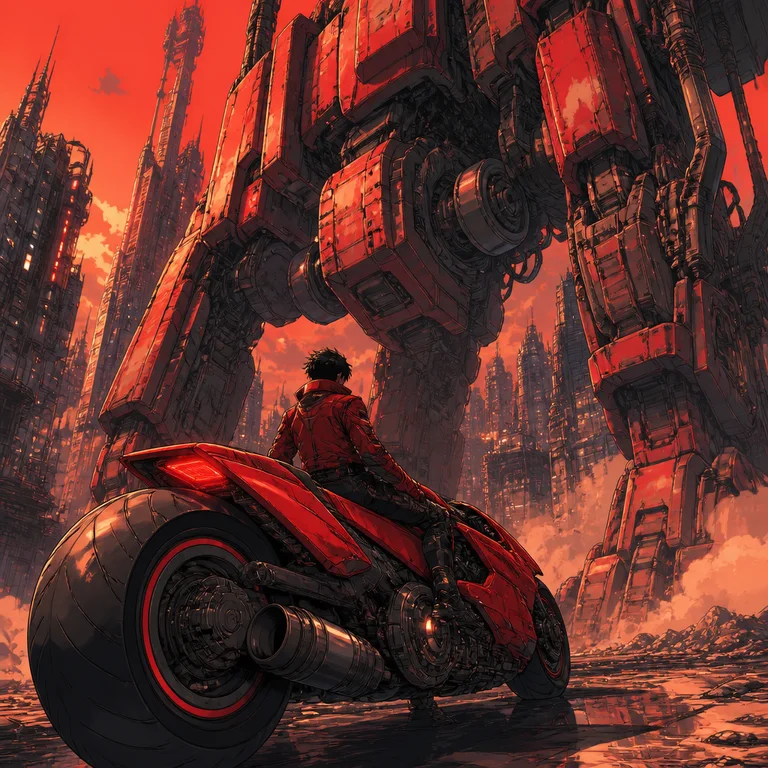
Akira / Otomo Mecha
Katsuhiro Otomo's Akira (manga 1982–90, film 1988) established a specific cyberpunk-anime aesthetic that almost every subsequent grounded…
Open style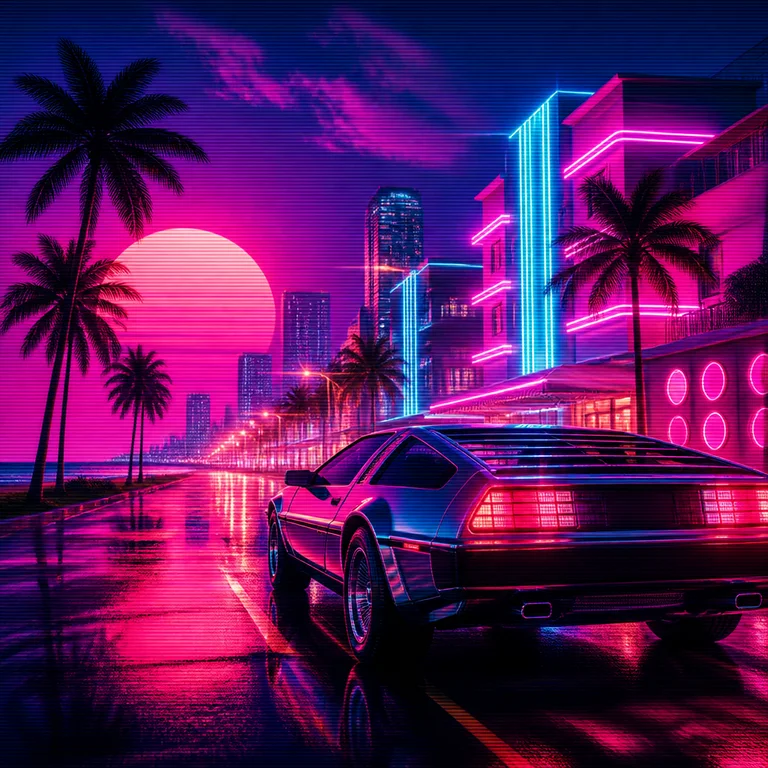
1980s Neon / Synthwave
Synthwave (the music) and the 80s-neon visual aesthetic (the look) are two halves of the same retro-future revival. The visual rules are…
Open style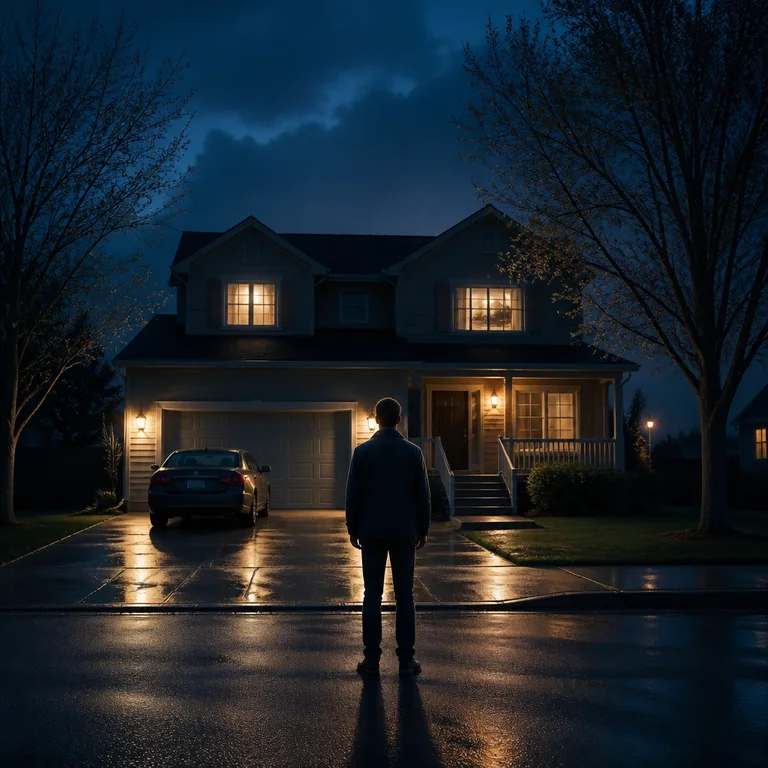
Gregory Crewdson Cinematic Still
Gregory Crewdson makes photographs that look like single frames from films that don't exist. Each image is shot on a soundstage or locati…
Open style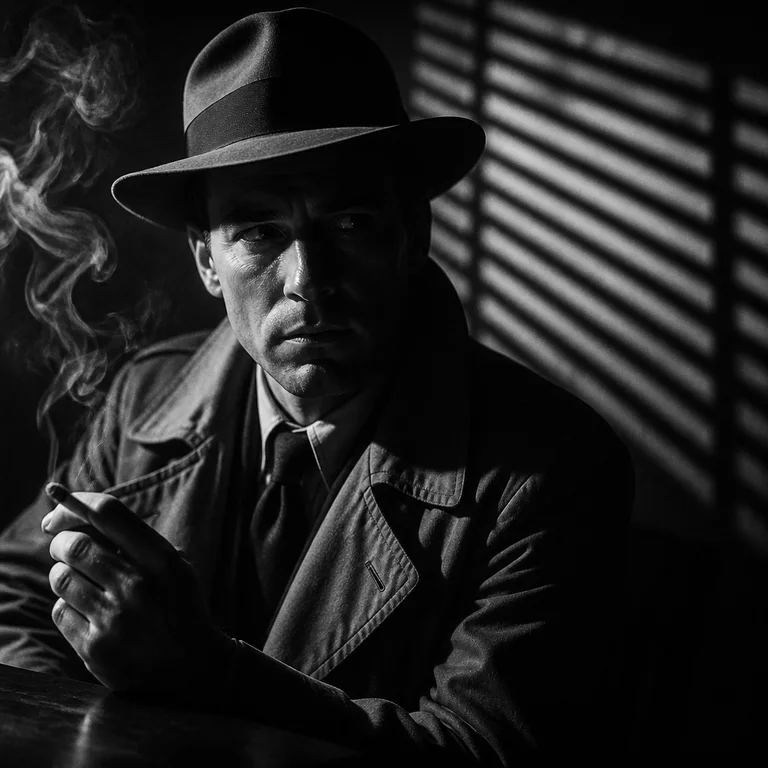
Film Noir
Film noir is not just "black and white." It is a specific photographic grammar built in 1940s Hollywood out of three constraints — German…
Open style