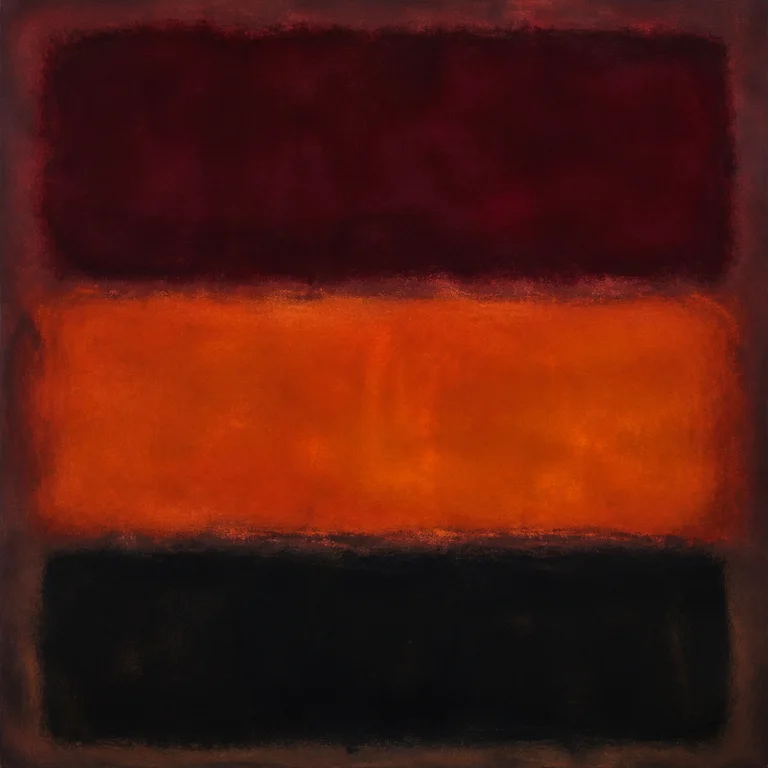
Description
Abstract Expressionism was the first internationally dominant American art movement, centered in New York from roughly 1945 to 1960. It split into two visible strands — action painting (Pollock, de Kooning), where the gestural mark was the subject, and color-field painting (Rothko, Newman, Still), where large flat or softly-modulated areas of color were the subject. Mark Rothko's mature work from 1949 onward is the most reproduced color-field example because the formula is recognizable and the emotional intent is unambiguous. Visual rules: vertical canvases at human or larger-than-human scale; two to four soft-edged horizontal color rectangles stacked on a contrasting ground; oil paint thinned and layered as washes so multiple colors are visible through each rectangle; restrained, atmospheric color — Rothko's late work is deep purple, maroon, black, sometimes radiant orange or yellow; no figuration, no narrative, no title beyond color and number; an intended viewing distance close enough that the canvas fills peripheral vision. Use it for abstract editorial, mood-board imagery, contemporary art-reference book covers, hospitality and gallery interiors, meditation and contemplative imagery, and any composition that should feel resolutely non-representational and emotionally weighted. Models will produce "abstract painting" mush — random shapes. Specify "Mark Rothko color-field painting, vertical canvas with two or three soft-edged horizontal color rectangles stacked, oil paint thinned and layered as luminous washes, restrained atmospheric palette of deep maroon and burnt orange against black, no figuration, 1958 Seagram Murals reference."
Three pioneers
Every style in this catalog names three verifiable pioneers. This is the part of the drop test that takes the longest to write and is the easiest to spot when it's missing.
-
Mark Rothko
American painter, 1903–1970. Born in Russia; arrived in the US as a child. His mature signature style emerged in 1949. The Seagram Murals (1958–59) and the Rothko Chapel paintings (1964–67) are the canonical bodies. Suicide in 1970.
-
Barnett Newman
American painter, 1905–1970. Color-field with vertical 'zip' stripes dividing fields of pure color (Onement I, 1948; Vir Heroicus Sublimis, 1950–51). The geometric, more architectural variant of color-field.
-
Helen Frankenthaler
American painter, 1928–2011. Invented the soak-stain technique (Mountains and Sea, 1952) — thinning oil paint to washes that bled into unprimed canvas. The bridge between Pollock's gesture and the second-generation color-field painters.
Contemporary revival
The Rothko Chapel's 50th-anniversary programming (2021), the major Rothko retrospective at Fondation Louis Vuitton Paris (2023–24), and the persistent dominance of Rothko-school imagery in luxury hospitality interior design and high-end residential art consulting
Fondation Louis Vuitton's Mark Rothko (2023–24) was extended due to demand and drew over 600,000 visitors per FLV reporting. The Rothko Chapel in Houston attracts 100,000+ visitors annually and was named an official Heritage Site in 2018. Rothko paintings have repeatedly broken auction records — No. 6 (Violet, Green and Red) sold privately in 2014 for $186M, and Untitled (Yellow and Blue) sold at Sotheby's in 2015 for $46M. #rothko on Instagram exceeds 600K posts; the color-field aesthetic is the default reference for contemporary hotel-lobby commissioned art per Architectural Digest interior trend reporting. The 2018 Christopher Rothko monograph and 2019 documentary Rothko: An Abstract Humanist were widely covered.
Working prompts
Three prompts we've tested against current FairStack models. Copy and run.
-
Mark Rothko color-field oil painting, vertical canvas with three soft-edged horizontal color rectangles stacked — deep maroon at top, glowing burnt orange in middle, black at bottom — oil paint thinned and layered as luminous washes, restrained atmospheric palette, no figuration, 1958 Seagram Murals reference, human-scale
-
Rothko-style color field, deep purple over radiant yellow over umber, soft-edged horizontal divisions, oil-wash luminosity, vertical format, late-period meditative palette
-
abstract expressionist color field, two large soft-edged rectangles of warm grey and pale rose on dark ground, atmospheric washes, contemplative scale, no figuration
Recommended models
Models from FairStack's catalog that handle this style best. Sorted by price.
Related styles
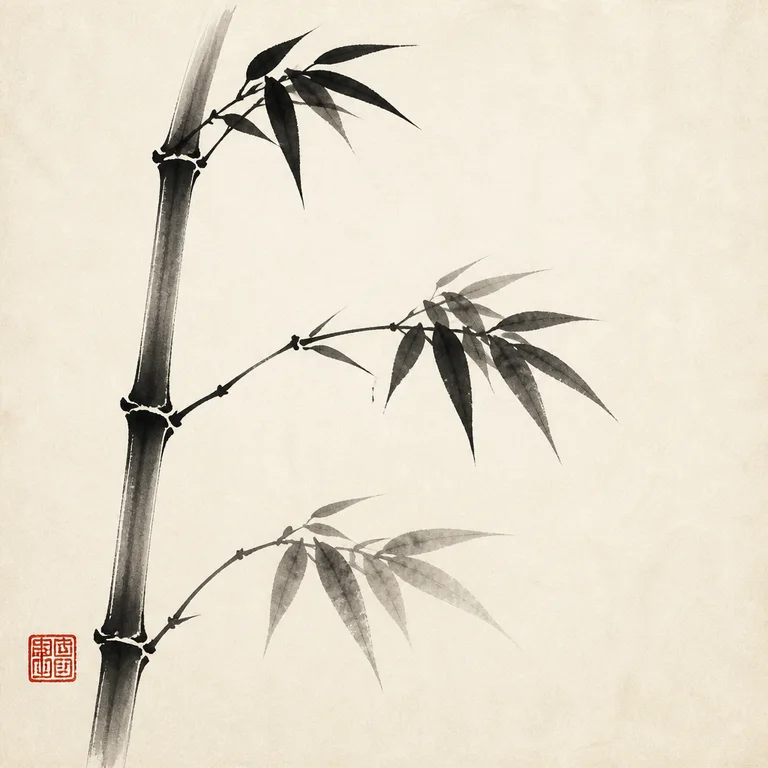
Sumi-e Ink Wash
Sumi-e ("ink picture") is the Japanese name for ink-wash painting introduced from China by Zen Buddhist monks in the 14th century. The pr…
Open style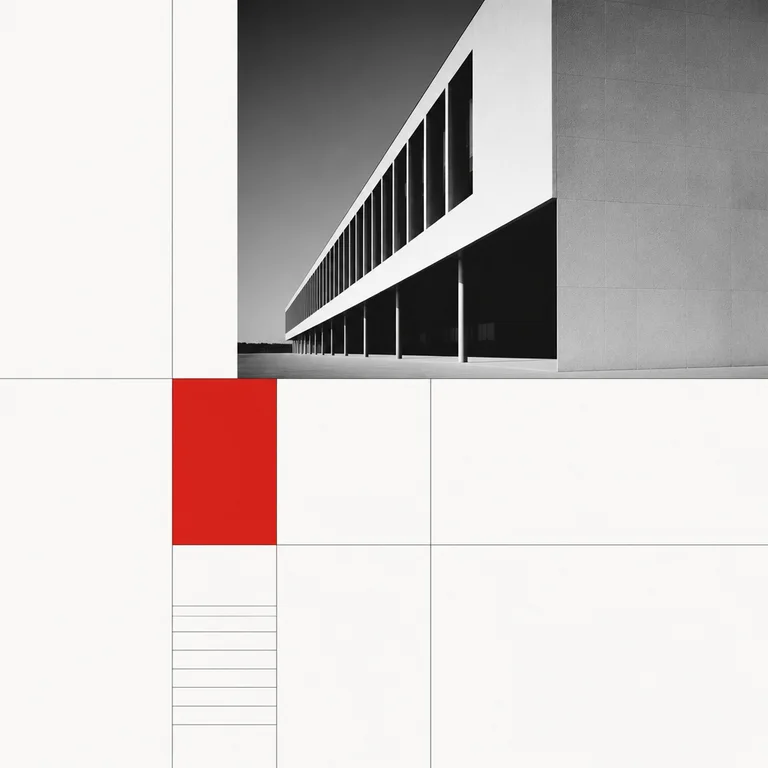
Swiss International Typographic
The Swiss / International Typographic Style emerged in Zurich and Basel in the late 1940s and dominated corporate and editorial design fr…
Open style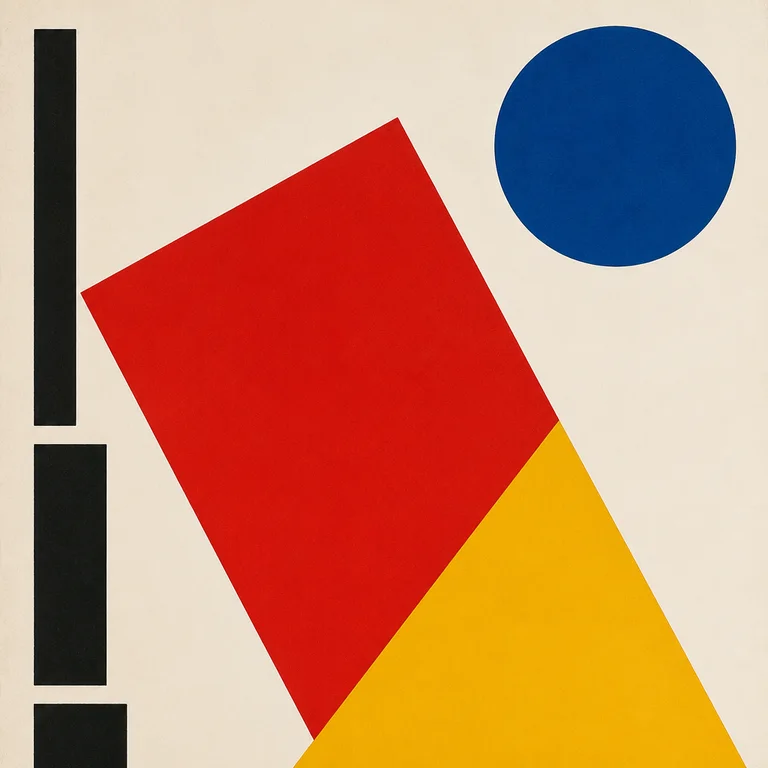
Bauhaus
The Bauhaus school operated for fourteen years (1919–1933) in three German cities before the Nazis shut it down — but the visual grammar…
Open style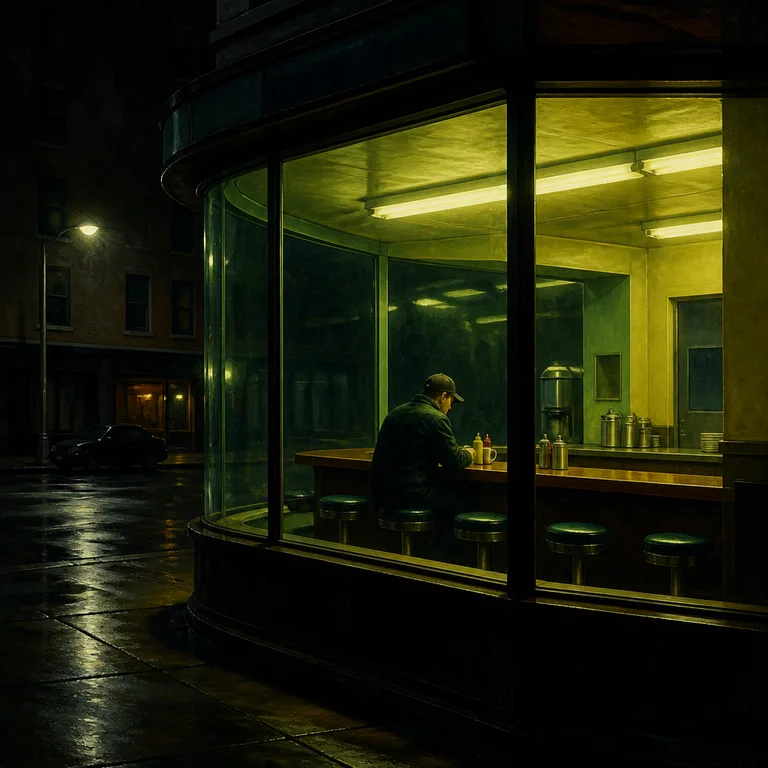
American Realism (Hopper)
Edward Hopper is the canonical American Realist of the twentieth century, and his particular contribution is a vocabulary for painted lon…
Open style