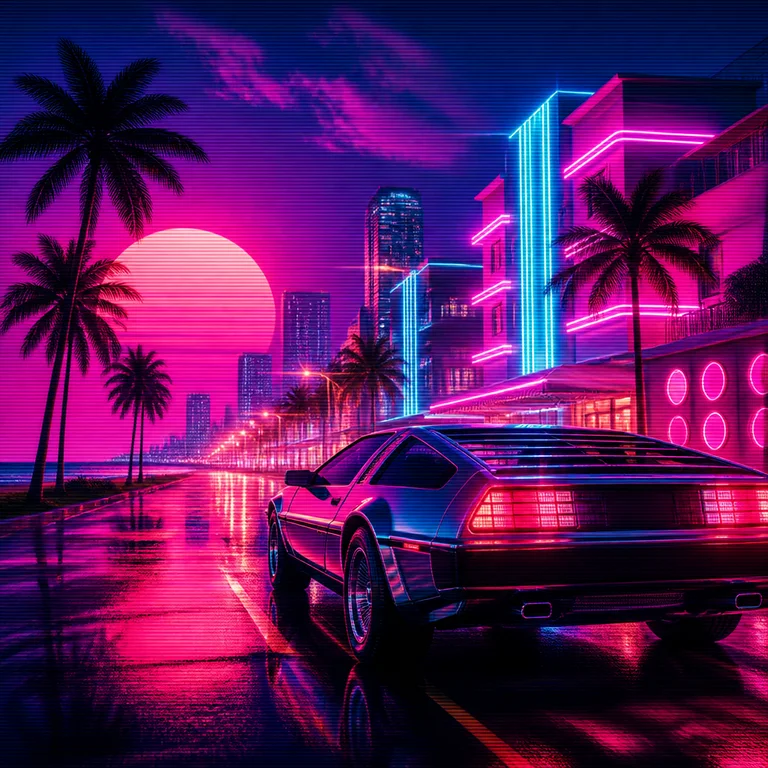
Description
Synthwave (the music) and the 80s-neon visual aesthetic (the look) are two halves of the same retro-future revival. The visual rules are simple and consistent: a saturated palette of hot magenta, cyan, and electric blue against deep black or deep navy; gridded perspective lines receding toward a sun-on-the-horizon; chrome typography with sharp gradient highlights; lens flares, often pentagonal; and analog-video artifacts — scanlines, VHS noise, chromatic aberration. Source material is the actual visual culture of the early 1980s (Tron 1982, Blade Runner 1982, Streets of Fire 1984) refracted through a 2010s nostalgia filter. It is consciously simplified — sharper, cleaner, more graphic than anything actually produced in 1984. Use it for sci-fi posters, electronic music covers, retro-gaming imagery, sports promotion (a sub-genre — see NBA "City Edition" jerseys), neon-lit cyberpunk-adjacent scenes, and any image that should read as "future-from-the-past." Limitations: not for naturalism, not for restraint. Models will produce flat synthwave wallpaper unless you anchor it. Specify the scene (Miami beach at night, neon-lit Tokyo, infinite grid plane), the palette (hot magenta and cyan, electric blue), and at least one analog artifact (VHS scanlines, chromatic fringe).
Three pioneers
Every style in this catalog names three verifiable pioneers. This is the part of the drop test that takes the longest to write and is the easiest to spot when it's missing.
-
Syd Mead
American industrial designer and concept artist. Designed the production design for Blade Runner (1982) and Tron (1982). The chrome-and-neon look that 80s neon revivalism imitates is largely his.
-
Patrick Nagel
American illustrator, 1945–1984. The Duran Duran 'Rio' album cover (1982) and a long run of Playboy work defined the flat-color, hard-edged, hot-pink-on-black 80s graphic style.
-
Kavinsky (Vincent Belorgey)
French electronic producer. His 2007 track Nightcall, used in the 2011 Drive soundtrack, kicked off the modern synthwave musical revival that the visual aesthetic rides on.
Contemporary revival
Stranger Things (2016–2025) on Netflix and the persistent 'Miami vice / synthwave' visual reference across game art (Cyberpunk 2077, Hotline Miami), poster design, and TikTok
Stranger Things is one of Netflix's top three franchises by viewership and uses 80s-neon visual grammar consistently. The Hotline Miami games sold over 5M copies on the strength of the look. The Weeknd's Dawn FM (2022) and his Super Bowl halftime show both leaned on 80s-neon.
Working prompts
Three prompts we've tested against current FairStack models. Copy and run.
-
Miami beachfront at night, palm trees silhouetted against hot magenta and cyan gradient sky, neon signs reflecting on wet street, chrome car, lens flare, 1980s synthwave, VHS scanlines
-
infinite grid plane receding to horizon, large sun half-set behind it, pink-to-cyan gradient, geometric mountains in distance, retro-future poster
-
1980s arcade interior, CRT monitors glowing magenta and electric blue, chrome arcade cabinets, single backlit figure, neon overhead light, VHS aesthetic
Recommended models
Models from FairStack's catalog that handle this style best. Sorted by price.
Related styles
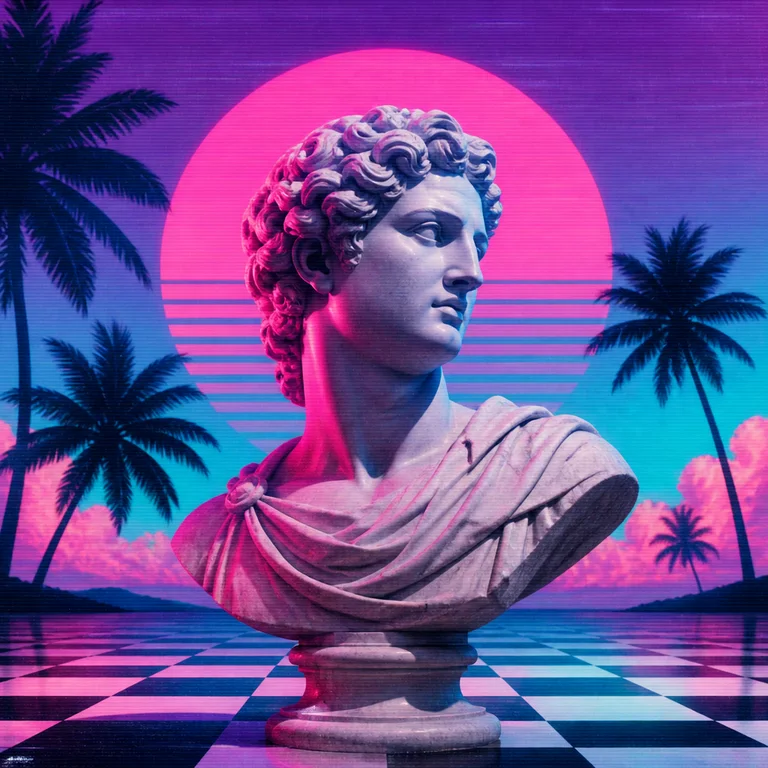
Vaporwave
Vaporwave is the internet-native aesthetic that emerged around 2010–2012 from chopped-and-screwed remixes of 1980s muzak, smooth jazz, an…
Open style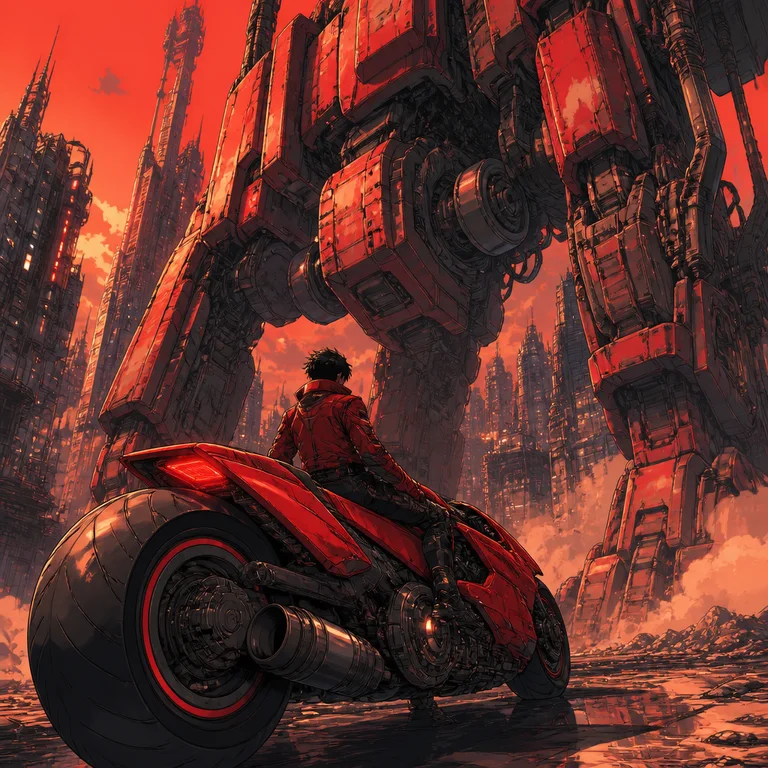
Akira / Otomo Mecha
Katsuhiro Otomo's Akira (manga 1982–90, film 1988) established a specific cyberpunk-anime aesthetic that almost every subsequent grounded…
Open style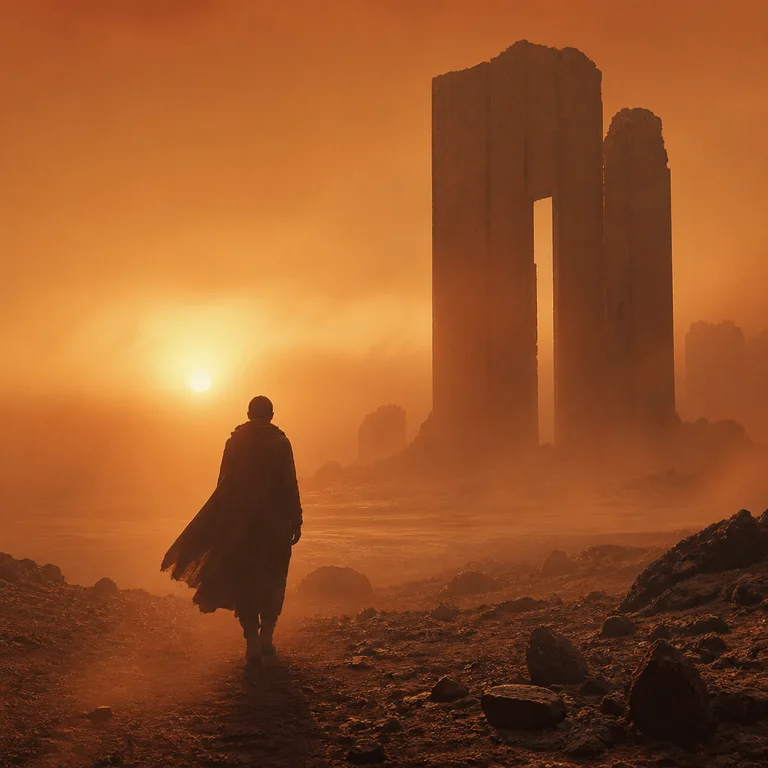
Villeneuve Monolithic Sci-Fi
Denis Villeneuve's science fiction films — Arrival (2016), Blade Runner 2049 (2017), Dune (2021), Dune: Part Two (2024) — have establishe…
Open style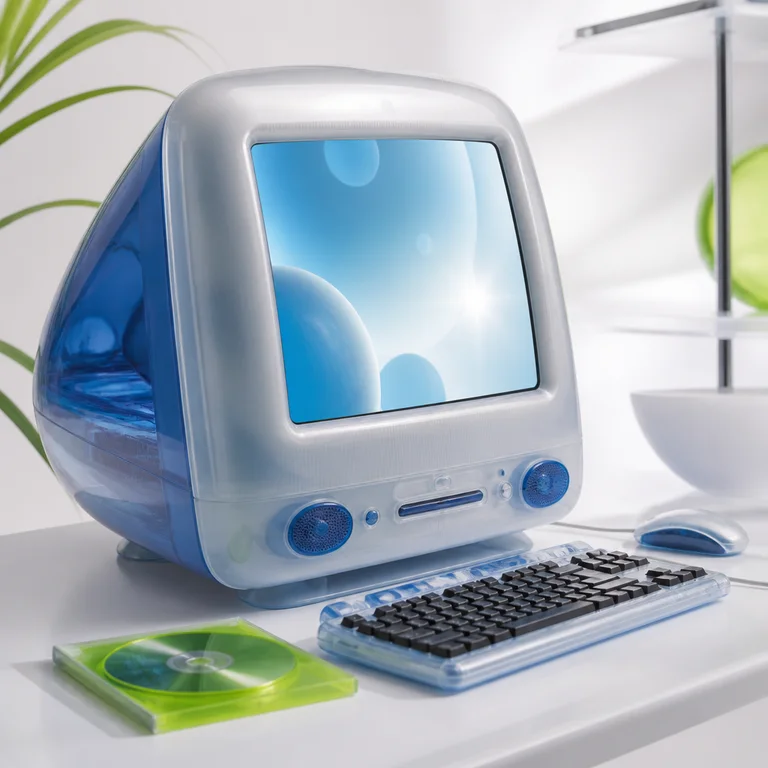
Y2K Frosted Glass
Y2K (roughly 1998–2003) is the consumer-electronics-and-fashion aesthetic of the late dot-com era. The visual rules: translucent and fros…
Open style