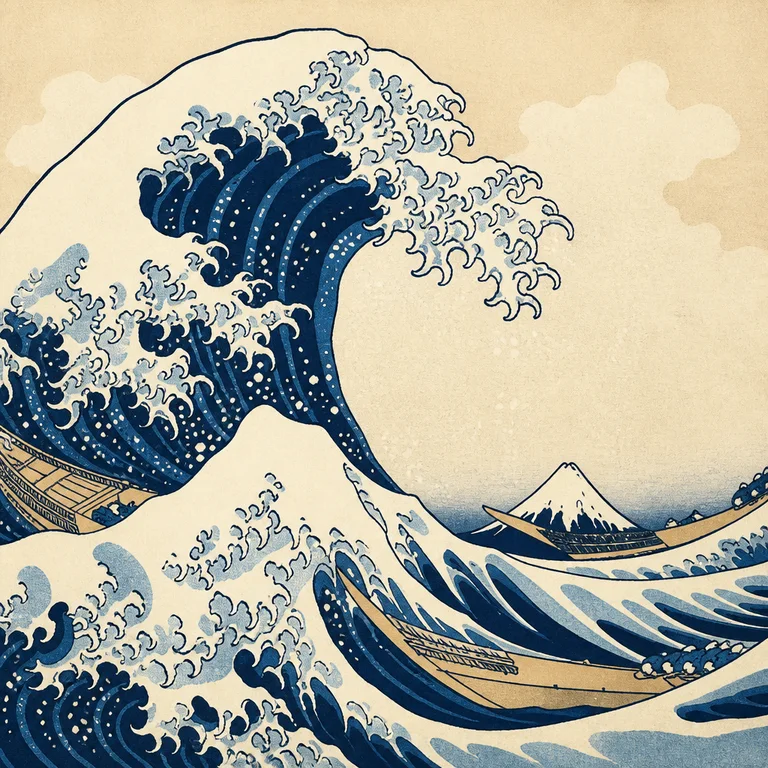
Description
Ukiyo-e — "pictures of the floating world" — is the dominant Japanese print tradition from roughly 1660 to 1900. The images were carved into cherry-wood blocks (one block per color), printed onto handmade washi paper, and sold cheaply to a popular urban audience. The economic format dictated the visual rules. Visual traits: flat areas of solid color (no gradients except those produced by the bokashi inking technique), strong black outlines drawn first with the keyblock, no cast shadows, no Western linear perspective (parallel lines stay parallel; depth comes from overlap and atmospheric scaling), and a fixed set of recurring subjects — actors, courtesans, landscape views, weather, animals, ghosts. Use it for stylized landscapes (Hokusai's wave is the obvious one), portraits, atmospheric scenes (rain, snow, mist), illustrative posters with strong silhouettes, and any image that should read as flat, designed, and clearly outlined. Limitations: not photoreal, not for soft modeling, not for tightly rendered detail. Many models will produce generic "Japanese art" — specify the artist (Hokusai, Hiroshige, Utamaro), the period (Edo, 1830s), and "woodblock print on washi paper, flat color, black keyblock outline, no shadows."
Three pioneers
Every style in this catalog names three verifiable pioneers. This is the part of the drop test that takes the longest to write and is the easiest to spot when it's missing.
-
Katsushika Hokusai
Japanese printmaker, 1760–1849. Thirty-Six Views of Mount Fuji (c. 1830–32) — including The Great Wave off Kanagawa — defines what most people picture when they hear 'Japanese woodblock print.'
-
Utagawa Hiroshige
Hokusai's near-contemporary, 1797–1858. The Fifty-Three Stations of the Tōkaidō (1833–34) and One Hundred Famous Views of Edo (1856–58) made him the master of atmospheric landscape and weather.
-
Kitagawa Utamaro
Late 18th century, died 1806. The defining bijin-ga (beautiful women) printmaker. Established the elongated proportions and intimate compositional grammar of figure prints.
Contemporary revival
The Great Wave's status as one of the most recognizable images in the world, plus the 2024 Hokusai exhibitions in Paris, Tokyo, and London
The British Museum's Hokusai: Beyond the Great Wave (2017) was extended due to demand and toured internationally. The 2024 Hokusai shows in Paris and Tokyo each sold over 200,000 tickets. Studio Ghibli's visual language draws heavily on ukiyo-e — see Spirited Away's compositional flatness.
Working prompts
Three prompts we've tested against current FairStack models. Copy and run.
-
great wave with Mount Fuji in distance, ukiyo-e woodblock print, flat areas of color, deep blue and white, black keyblock outline, no shadows, no Western perspective, Hokusai 1830s
-
kabuki actor in mid-pose, exaggerated facial expression, flat red and black robes, plain mustard background, ukiyo-e print, strong outline, washi paper texture
-
snowy mountain pass with travelers, ukiyo-e landscape, soft bokashi gradient in sky, flat snow, Hiroshige style, vertical composition
Recommended models
Models from FairStack's catalog that handle this style best. Sorted by price.
Related styles
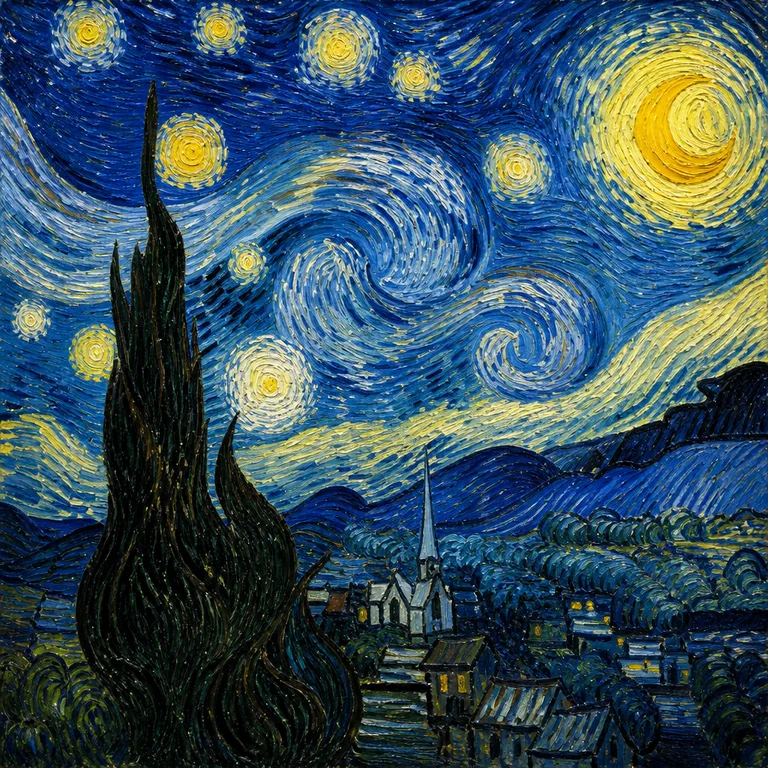
Post-Impressionism (Van Gogh)
Post-Impressionism was the loose collection of painters (1886–1905) who accepted the Impressionists' premise — broken color, painted in t…
Open style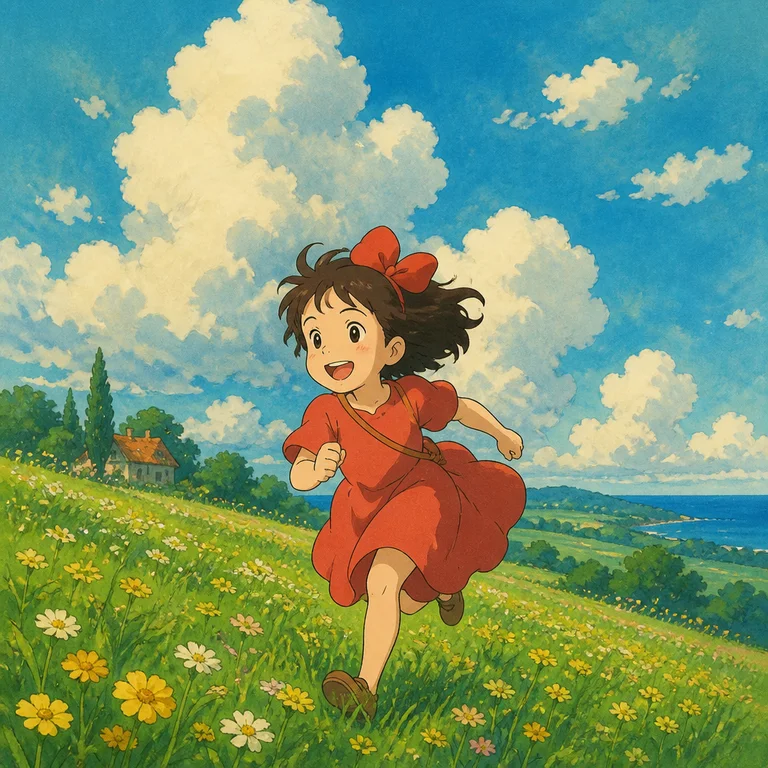
Studio Ghibli
Studio Ghibli's films share a visual identity that has held remarkably steady from Castle in the Sky (1986) through The Boy and the Heron…
Open style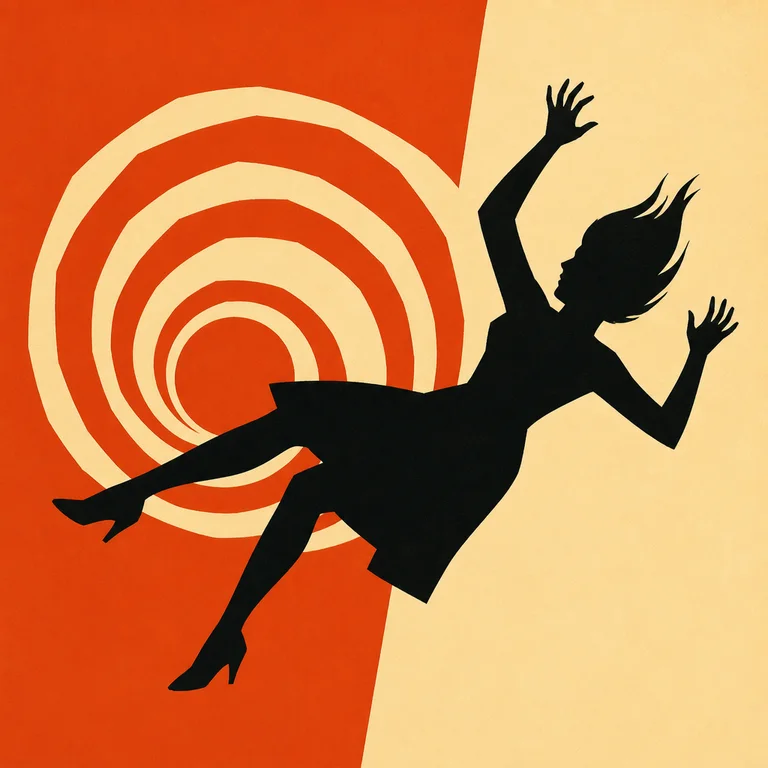
Saul Bass Title Card
Saul Bass (1920–1996) redefined what film title sequences could be — he made them part of the film, not a list of names to skip — and the…
Open style