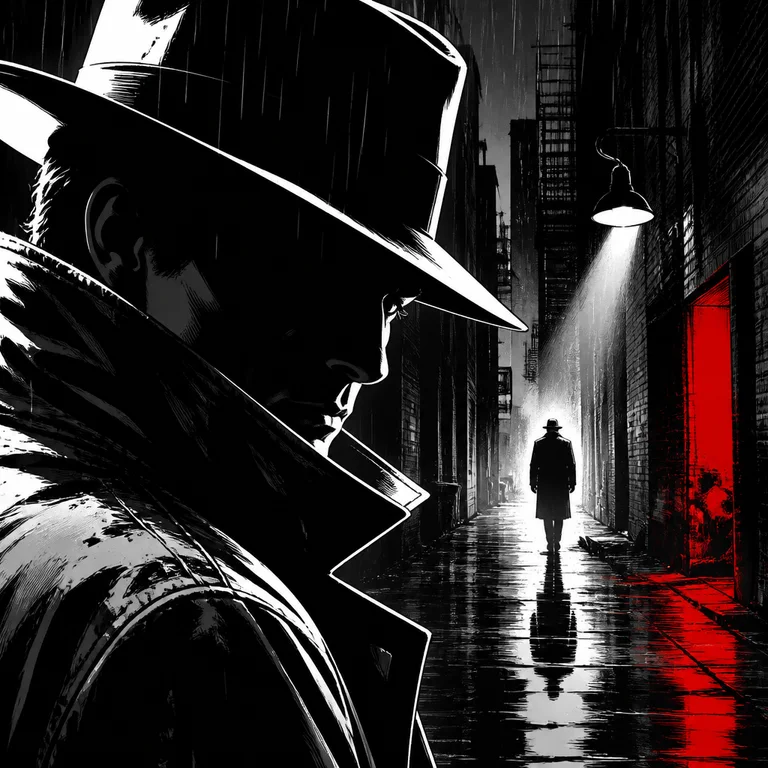
Description
Frank Miller's Sin City (1991–present at Dark Horse) is the most influential black-and-white American comic of the post-1990 era. The visual grammar is severe and built around a single technical choice: no halftones, no gray, no rendering between pure black and pure white. Rules: every panel is reduced to two values — solid black and white paper — with the rare deliberate spot color (red for blood, yellow for a single character, blue for night sky); negative space is used aggressively; figures are silhouetted, often abstracted to recognizable shapes (a hat, a gun, a coat); environments are suggested through architectural fragments and atmosphere (rain as white strokes against black, snow as white dots); panel borders are often broken; sound effects and dialogue are hand-lettered in extreme thick brushwork. The aesthetic descends directly from Will Eisner's The Spirit and from European film noir. Use it for noir-adjacent graphic-novel work, crime, gritty action, hardboiled detective imagery, music album art, and anything that benefits from extreme contrast and pulp atmosphere. Limitations: not for warmth, color, or anything subtle. Models will give you "black and white comic" — specify "Frank Miller Sin City style, only pure black and pure white, no gray, no halftone, single accent color in red, silhouetted figures, rain as white brush strokes against solid black, hand-lettered thick brush sound effects."
Three pioneers
Every style in this catalog names three verifiable pioneers. This is the part of the drop test that takes the longest to write and is the easiest to spot when it's missing.
-
Frank Miller
American comics artist and writer, born 1957. Daredevil (1979–1983), The Dark Knight Returns (1986), Sin City (1991–), 300 (1998). The Sin City visual language was developed in the early issues at Dark Horse Presents and refined through the late 1990s.
-
Will Eisner
American cartoonist, 1917–2005. The Spirit (1940–1952) was the most graphically inventive American comic of the pulp era. Its use of spotted blacks, architectural environment, and noir atmosphere is the direct ancestor of Sin City. Miller has cited Eisner repeatedly.
-
Lynd Ward
American woodblock artist, 1905–1985 (same lineage as Mignola). His wordless woodcut novels established the high-contrast figure-against-black visual vocabulary that Miller adapted to brushwork.
Contemporary revival
The Sin City films (Robert Rodriguez, 2005 and 2014), the persistent Frank Miller library reprints at Dark Horse, and Miller's contemporary work including Dark Knight III (2015–2017) and Sin City: Hell and Back hardcover collections (2022)
Sin City (2005) grossed over $158M worldwide and was an aesthetic landmark — its near-photographic adherence to the comic's black-and-red palette redefined what a faithful adaptation could be. Sin City: A Dame to Kill For followed in 2014. Dark Horse keeps the entire Sin City library continuously in print; the Big Damn Sin City omnibus (2014) routinely tops graphic-novel charts. #sincity on Instagram exceeds 200K posts. The film's lookbook is regularly assigned in cinematography classes.
Working prompts
Three prompts we've tested against current FairStack models. Copy and run.
-
Frank Miller Sin City-style comic panel, hardboiled detective in trench coat and fedora standing on rain-slicked city street, only pure black and pure white, no gray, single red blood spatter as accent, rain as white brush strokes against solid black sky, hand-lettered thick brush narration
-
Sin City-style noir comic, silhouetted figure with handgun against neon-lit alley reduced to pure black and white, yellow character coloring as single spot color, broken panel border
-
high-contrast black and white crime comic, brutal action scene, no halftone, no gray, deep blacks dominating composition, white snow specks against night, brush-stroked sound effects
Recommended models
Models from FairStack's catalog that handle this style best. Sorted by price.
Related styles
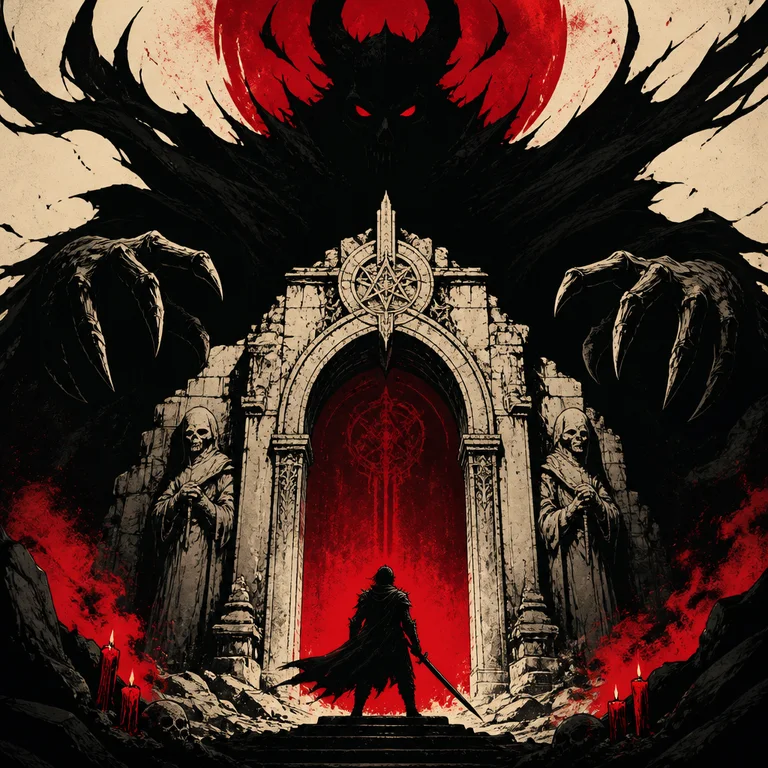
Mike Mignola High-Contrast
Mike Mignola's work on Hellboy (1994–present) and B.P.R.D. defined a recognizable, severely simplified, high-contrast comic-art idiom — a…
Open style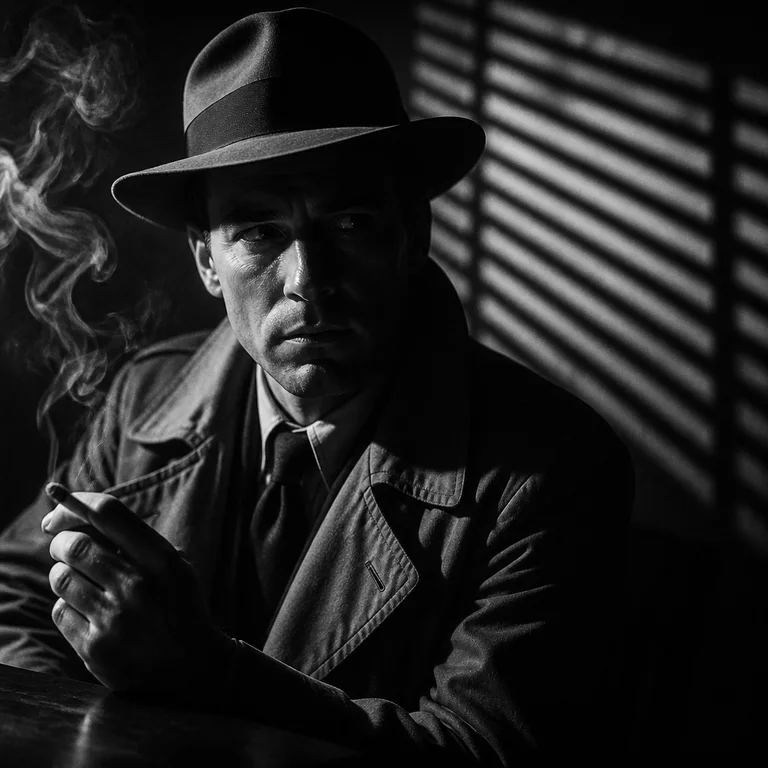
Film Noir
Film noir is not just "black and white." It is a specific photographic grammar built in 1940s Hollywood out of three constraints — German…
Open style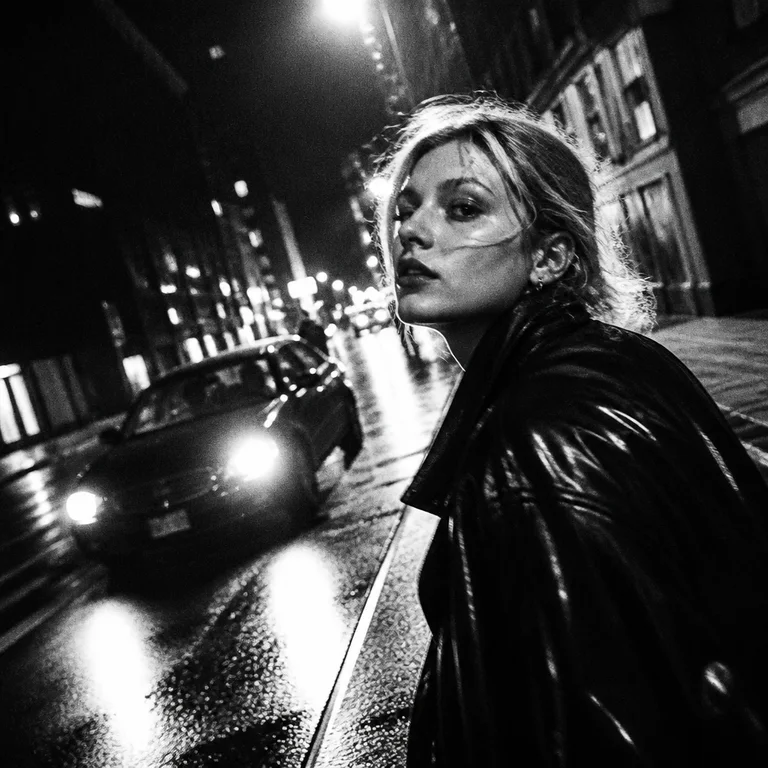
Daido Moriyama High-Contrast B&W
Daido Moriyama's photographs of postwar Tokyo are the most influential street photography to come out of Japan. The visual signature is e…
Open style
Silver Age Superhero
The Silver Age of American superhero comics runs from roughly 1956 (DC's revival of The Flash in Showcase #4) to about 1970. The visual g…
Open style