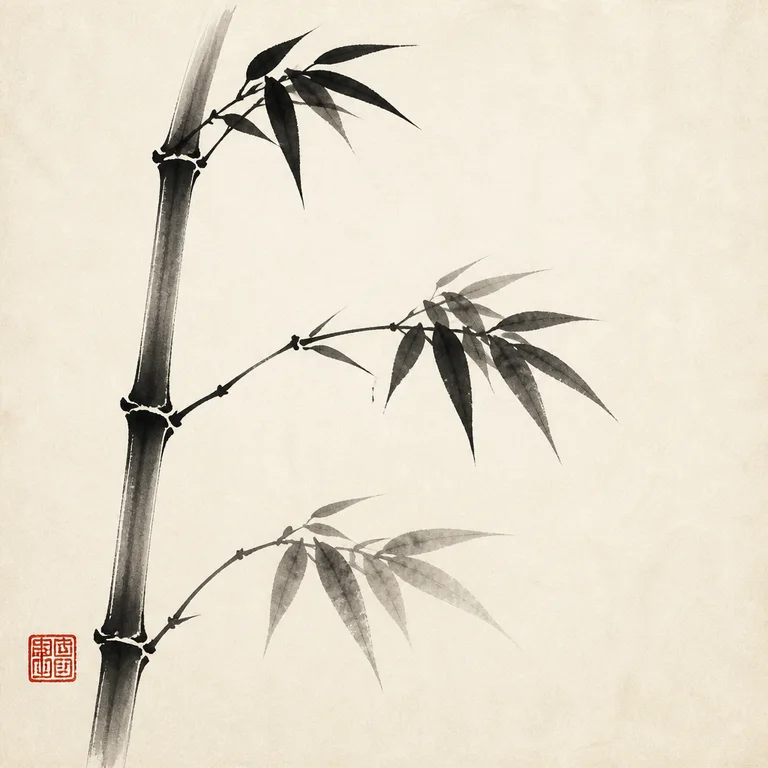
Description
Sumi-e ("ink picture") is the Japanese name for ink-wash painting introduced from China by Zen Buddhist monks in the 14th century. The practice descends from earlier Chinese shuǐ-mò huà and is, in both traditions, a contemplative discipline as much as a representational technique. The painter grinds an ink stick into water on a stone, loads a soft animal-hair brush, and commits to each stroke without correction — the gesture is the painting. Visual rules: pure black ink (sumi) on white or cream washi paper, with the entire tonal range produced by ink-to-water dilution; a small, fixed repertoire of brushstrokes — bone, flesh, sinew — each with a named loading and angle; the four canonical subjects (Four Gentlemen: orchid, bamboo, plum blossom, chrysanthemum), plus landscape, fish, and gestural figures; calligraphic seal and signature integrated into the composition; vast areas of unworked paper read as space, sky, or fog — emptiness as compositional element, not background. Use it for minimalist editorial, contemplative imagery, Asian-cuisine and tea-ceremony branding, calligraphy-adjacent design, meditative book covers, and any composition that should rest on intentional emptiness. Generative models will produce "Asian-style ink painting" cliché. Specify "sumi-e ink wash on washi paper, pure black ink in tonal gradient from full saturation to pale grey via dilution, single subject (bamboo / orchid / plum) executed in named brushstrokes, vast unworked paper as compositional space, red seal-stamp signature, 14th–17th century Japanese contemplative tradition."
Three pioneers
Every style in this catalog names three verifiable pioneers. This is the part of the drop test that takes the longest to write and is the easiest to spot when it's missing.
-
Sesshū Tōyō
Japanese Zen monk and painter, 1420–1506. The most important early Japanese sumi-e master. His Long Scroll (Sansui chōkan, 1486) and the Haboku-sansui (Splashed-ink Landscape, 1495) are National Treasures of Japan and the founding monuments of the Japanese ink-painting tradition.
-
Hasegawa Tōhaku
Japanese painter, 1539–1610. Founded the Hasegawa school. The Pine Trees screen (Shōrin-zu byōbu, c. 1595) is one of Japan's most reproduced ink paintings — entire pine forest in fog rendered with minimal ink on gold-flecked paper. National Treasure.
-
Hakuin Ekaku
Japanese Zen monk and painter, 1686–1768. Revived the Rinzai sect and produced thousands of expressive, brushy, often humorous Zenga (Zen paintings) — Daruma portraits, mountain scenes, comic figures. The standard reference for late-period gestural sumi-e.
Contemporary revival
The Japan Society and Asia Society retrospectives of Hasegawa and Sesshū (2010s–2020s), the global Wabi-Sabi-adjacent design movement, and sumi-e's persistent role in minimalist editorial and brand identity (Aesop, Muji, Nendo)
The 2012 Sesshū exhibition at Tokyo National Museum drew over 220,000 visitors. The Smithsonian Freer-Sackler's Zen ink-painting collection is its most-visited East Asian holdings per Smithsonian reporting. The 2024 Japan Society show Reflections of the Cosmos centered ink-wash practice. Sumi-e online learning platforms (Sumi-e Society of America, Wendy Cohen workshops, Domestika courses) report multi-thousand-student annual enrollments. #sumie on Instagram exceeds 400K posts; #inkpainting exceeds 2M. Aesop, Muji, and the Japanese hospitality brand Aman use sumi-e-adjacent imagery throughout brand systems; Nendo (Oki Sato) design studio explicitly cites the tradition.
Working prompts
Three prompts we've tested against current FairStack models. Copy and run.
-
sumi-e ink wash on washi paper, single stalk of bamboo with three branches and selective leaves, pure black ink in tonal gradient from full saturation to pale dilute grey, named brushstrokes carrying the form, vast unworked cream paper as space around subject, red square seal-stamp signature in lower left, 16th century Hasegawa school
-
Sesshū-style Splashed-Ink landscape, distant mountain emerging from fog, gestural wet brush loaded with diluted ink, vast empty paper as sky and water, single calligraphic seal
-
modern minimalist sumi-e of a single carp, three confident wet brushstrokes carrying the entire fish, fully empty white paper around subject, restrained contemplative composition
Recommended models
Models from FairStack's catalog that handle this style best. Sorted by price.
Related styles
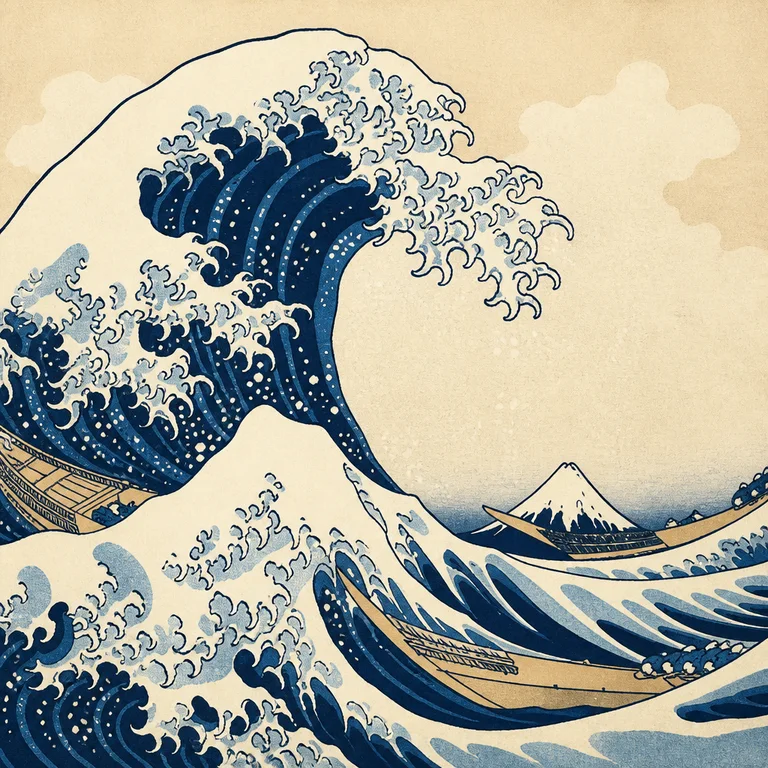
Ukiyo-e Woodblock
Ukiyo-e — "pictures of the floating world" — is the dominant Japanese print tradition from roughly 1660 to 1900. The images were carved i…
Open style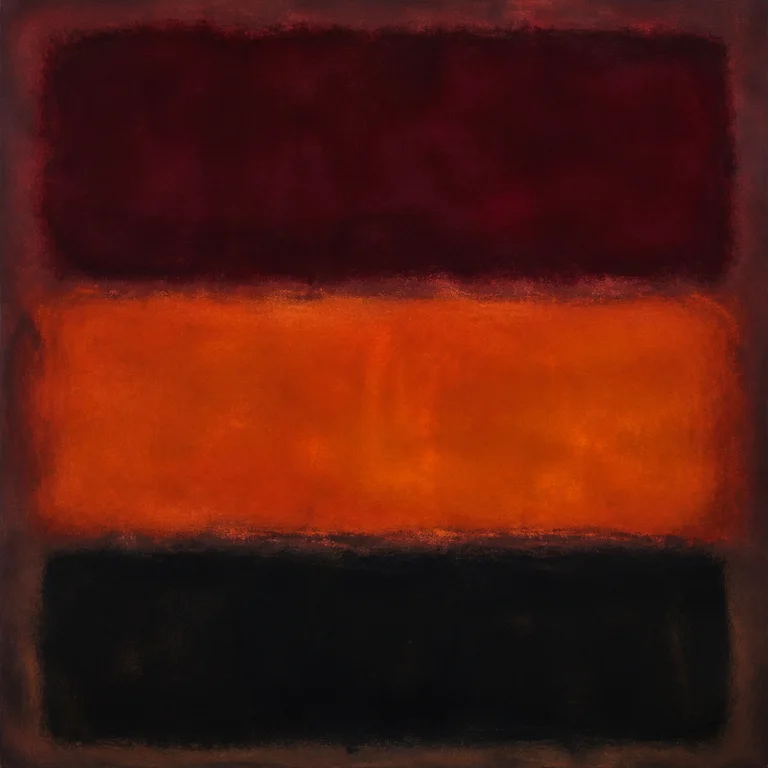
Abstract Expressionism (Rothko)
Abstract Expressionism was the first internationally dominant American art movement, centered in New York from roughly 1945 to 1960. It s…
Open style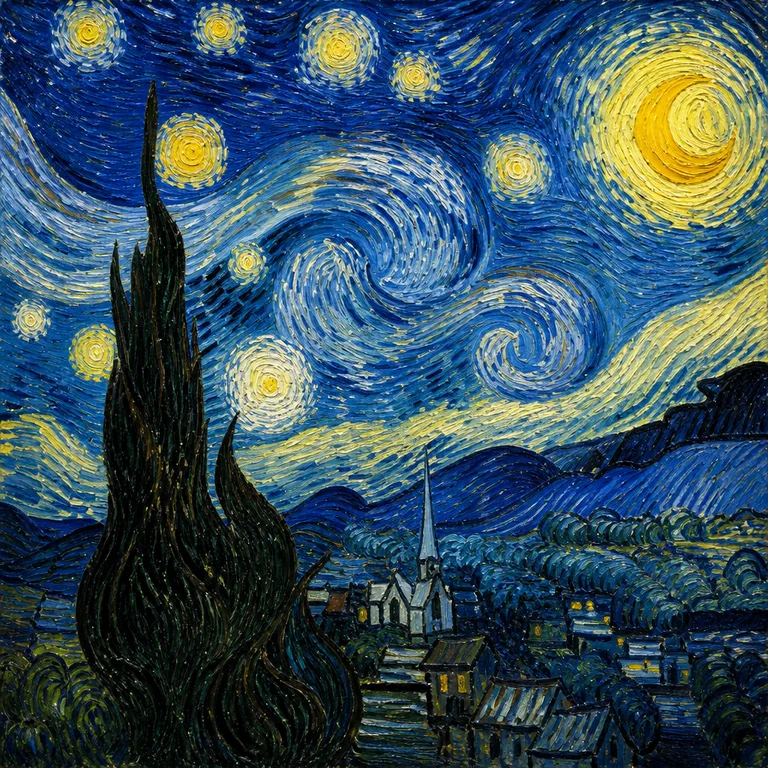
Post-Impressionism (Van Gogh)
Post-Impressionism was the loose collection of painters (1886–1905) who accepted the Impressionists' premise — broken color, painted in t…
Open style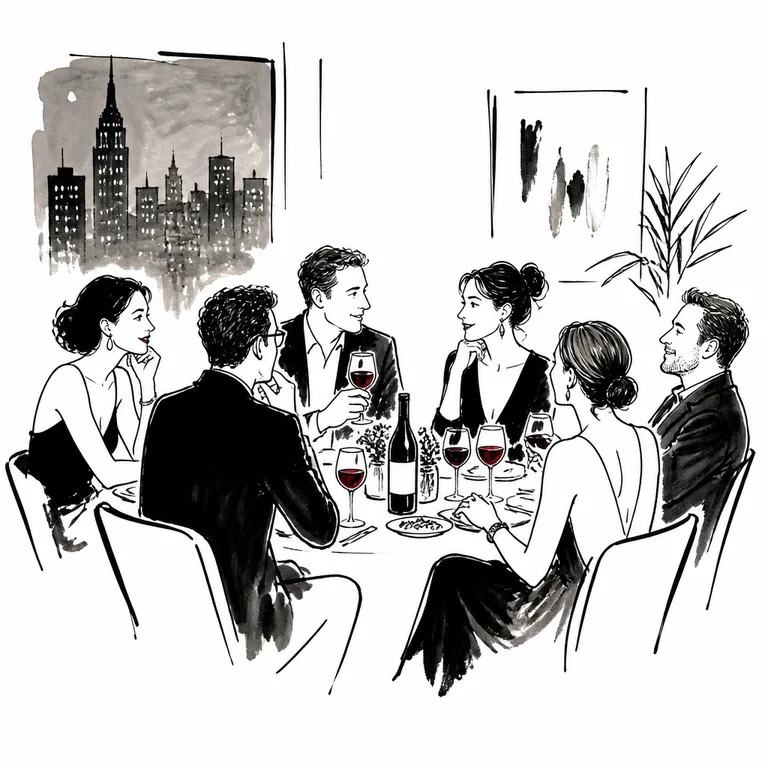
New Yorker Editorial Ink
The New Yorker has run editorial illustration and cartoons in a coherent visual language for nearly a century. The style is not one artis…
Open style