Description
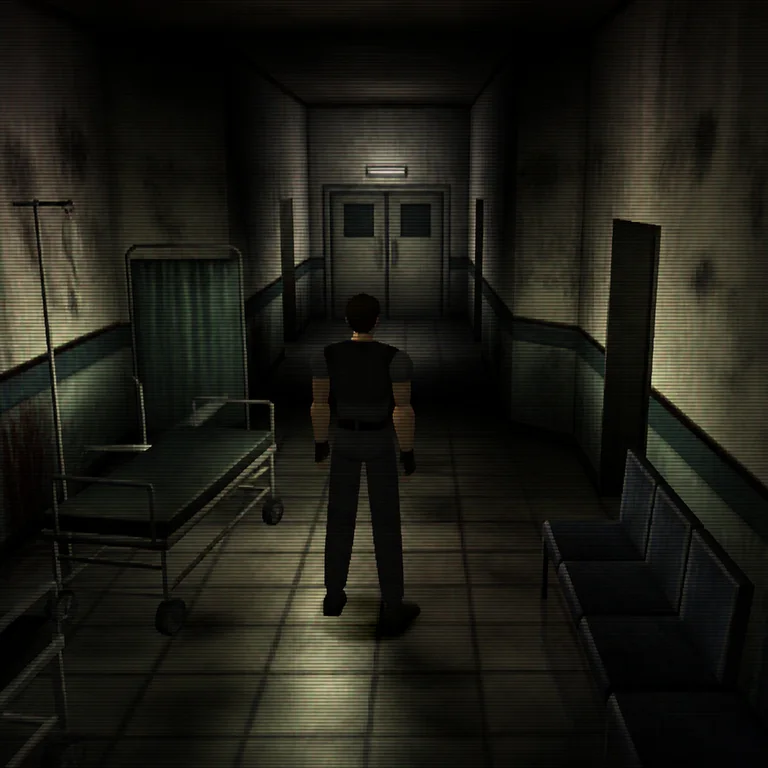
The PlayStation 1 / Nintendo 64 era of 3D games (1995–2001) produced a now-iconic look defined by the technical constraints of the consoles themselves. Low polygon counts (often under 300 triangles per character), no perspective-correct texture mapping (PS1 specifically — textures wobble and warp on moving surfaces), no sub-pixel precision (vertices jitter on motion, the "PS1 wobble"), 256×256 maximum texture resolution, no anti-aliasing, dithered color reduction to fit VRAM, and pre-rendered backgrounds (Final Fantasy VII, Resident Evil, Tomb Raider) shipped as CD-ROM movies to overcome real-time limits. Visually that produces: chunky, low-poly character models with hard-edged silhouettes; texture wobble and warping on planes; vertices popping and snapping on movement; muddy, dithered color palettes (often 16-bit); pre-rendered fixed-camera backgrounds painted in 3D but flattened to 2D; CRT-scanline overlay; "soft" composite-video edges if you go full-period. Use it for nostalgic game-art commissions, lo-fi 3D illustration, horror imagery that benefits from the era's grit, and the entire "PS1 horror" / dread-aesthetic scene. It does not do clean modern 3D. Specify "PS1-era pre-rendered background, low-poly character, 256x256 texture wobble, dithered 16-bit palette, vertex jitter, no antialiasing, CRT scanline overlay" — vague "retro game" prompts get you Atari sprites instead.
Three pioneers
Every style in this catalog names three verifiable pioneers. This is the part of the drop test that takes the longest to write and is the easiest to spot when it's missing.
-
Yoshitaka Amano
Japanese illustrator, born 1952. Concept artist for Final Fantasy VII (1997) and the broader Square FF series. His watercolor character designs translated into the polygonal-and-pre-rendered FFVII look that defined the PS1 RPG visual ceiling.
-
Shinji Mikami
Japanese game director, born 1965. Directed Resident Evil (1996) on PS1. The fixed-camera pre-rendered backgrounds with low-poly characters — chosen specifically to maximize visual quality within hardware constraints — defined the survival-horror aesthetic that still drives indie horror today.
-
Toby Gard
British game designer, 1972–2023. Designed the original Tomb Raider (1996, PS1 / Saturn / PC) including Lara Croft's iconic low-poly model. The 230-polygon Lara is the canonical artifact of the PS1 3D character era.
Contemporary revival
The 'PS1 horror' indie scene (Crow Country, Signalis, Murder House, Puppet Combo's catalog), the steady stream of low-poly retro-horror releases on Steam and itch.io, and the persistent /r/PS1graphics community
Crow Country (SFB Games, 2024) launched as a PS1-graphics-style survival horror and exceeded sales expectations on Steam and PSN. Signalis (2022) achieved a 96% Steam positive rating with its explicitly PS1-N64 lineage. Puppet Combo (indie horror studio specializing in PS1 aesthetic) has over 30 released titles with sustained Patreon revenue. /r/PS1graphics has 65K+ members. #ps1graphics and #ps1horror on TikTok routinely break 100M views. The deliberate low-poly, texture-warped look is now a recognized indie-horror genre marker rather than just a nostalgia callback.
Working prompts
Three prompts we've tested against current FairStack models. Copy and run.
-
PS1-era pre-rendered background screenshot, fixed-camera angle on dimly-lit corridor in abandoned hospital, low-poly character standing center frame, 256x256 texture warping on walls, dithered 16-bit palette, vertex jitter, CRT scanline overlay, no antialiasing
-
N64-era low-poly character standalone, 300-triangle warrior model with hard-edged silhouette, simple textures with visible pixelation, muddy palette, soft composite-video edges
-
PS1 horror game screenshot, Resident Evil Mikami style, fixed-camera mansion interior pre-rendered in 3D and flattened to 2D, low-poly protagonist holding pistol, deep shadows, dithered color reduction
Recommended models
Models from FairStack's catalog that handle this style best. Sorted by price.
Related styles
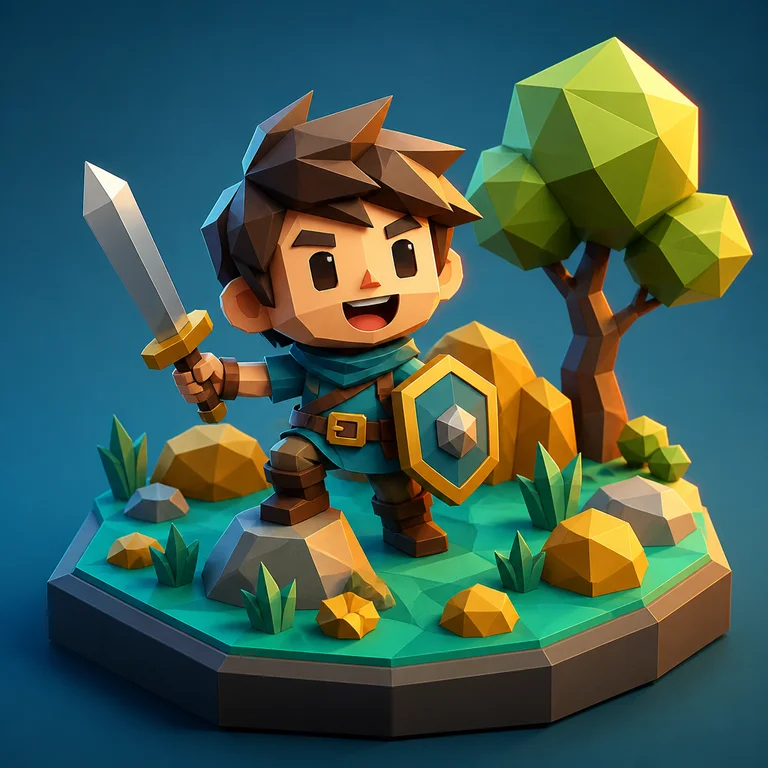
Blender Stylized Low-Poly
"Stylized low-poly" is the open-source-toolchain idiom that emerged around Blender's 2.8 release (2019) and the broader indie-3D culture…
Open style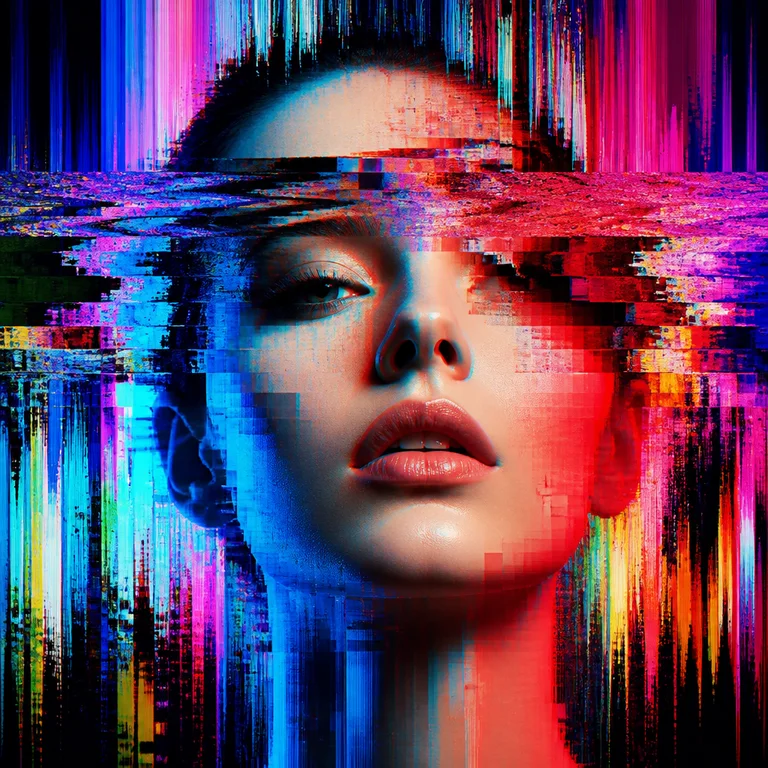
Glitch / Databending
Glitch and databending describe a family of techniques that produce intentional image corruption — usually by editing the binary or compr…
Open style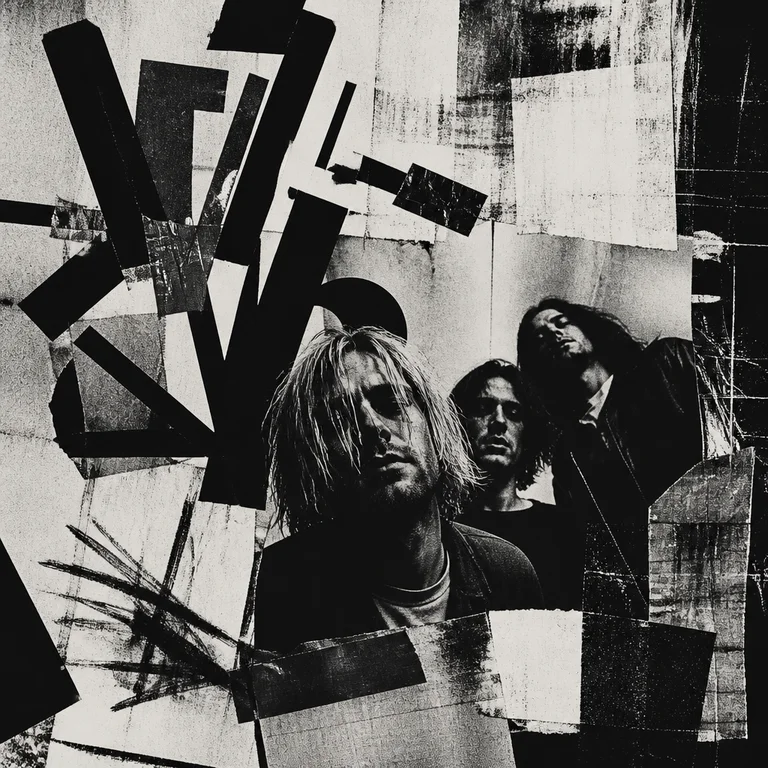
1990s Grunge
Grunge as a visual style is mostly David Carson's design language for Beach Culture (1990–91) and Ray Gun magazine (1992–95), plus the al…
Open style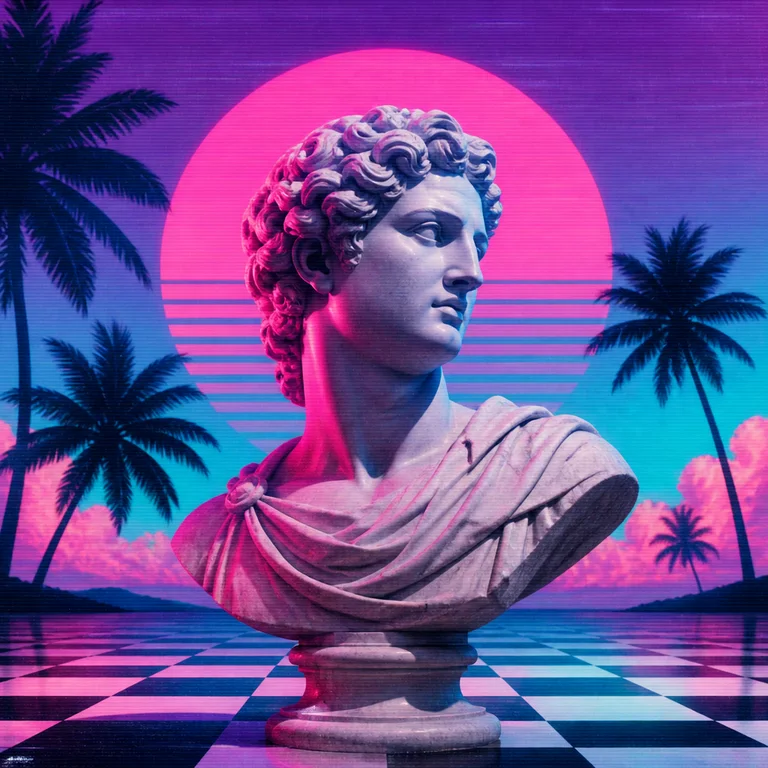
Vaporwave
Vaporwave is the internet-native aesthetic that emerged around 2010–2012 from chopped-and-screwed remixes of 1980s muzak, smooth jazz, an…
Open style