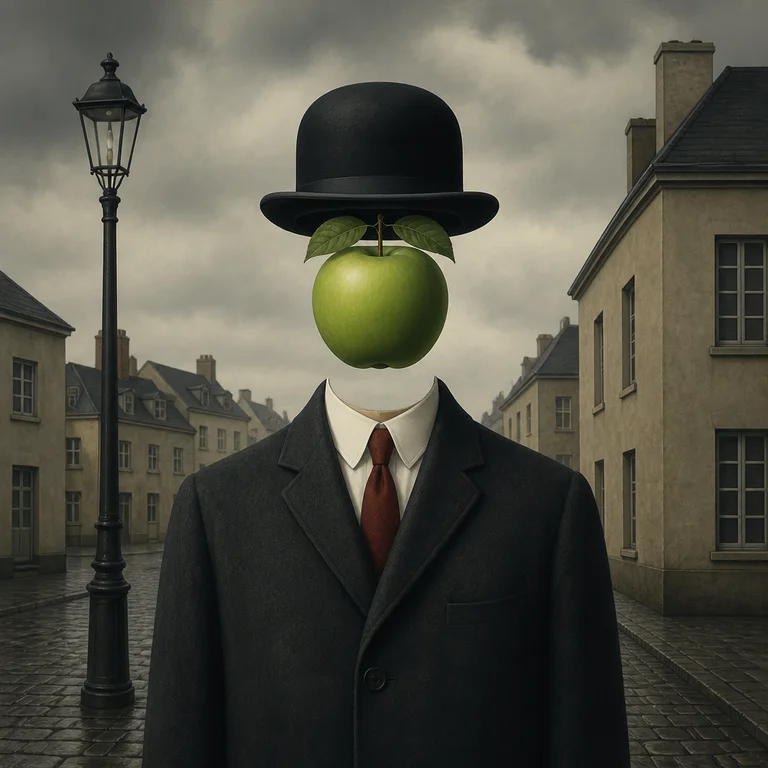
Description
Surrealism, founded by André Breton's 1924 Manifesto, was a literary and visual movement built on Freud's unconscious — automatism, dream imagery, and the juxtaposition of "two distant realities" (Pierre Reverdy's formulation). Within visual Surrealism, two technical streams emerged: the gestural-biomorphic (Miró, Masson, early Tanguy) and the verist-illusionistic, which painted impossible scenarios with photographic precision. René Magritte's work is the most reproduced example of the second strain because its rules are clean, the imagery is iconic, and the technique is accessible. Visual rules: deadpan illusionistic painting technique — flat colors, clean edges, no visible brushwork, the painted world rendered as if real; absurd juxtapositions presented without commentary (a bowler-hatted man with an apple for a face, a pipe captioned "this is not a pipe," a window onto an interior that contains the same scene seen from outside); restrained palettes drawn from northern European overcast light — grays, blues, soft greens; bourgeois subjects (men in suits, drawing-room interiors, French coastlines) treated as raw material for impossibility; text occasionally integrated into the image to destabilize what is seen. Use it for conceptual editorial illustration, advertising with a twist, surrealist book covers and album art, dream-logic narrative scenes, and any image that should look real and feel wrong. Models will produce "dreamy fantasy" cliché. Specify "Magritte-style verist Surrealism, deadpan illusionistic oil painting, flat clean edges and no visible brushwork, single absurd juxtaposition treated as factual, restrained northern overcast palette of grays and soft blues, bourgeois subjects, 1930s Belgian setting."
Three pioneers
Every style in this catalog names three verifiable pioneers. This is the part of the drop test that takes the longest to write and is the easiest to spot when it's missing.
-
René Magritte
Belgian painter, 1898–1967. The Treachery of Images (1929), The Son of Man (1964), The Lovers (1928), and Empire of Light (1953–54) are the canonical references. Worked as a commercial illustrator early on; the deadpan technique comes from that training.
-
Salvador Dalí
Spanish painter, 1904–1989. The Persistence of Memory (1931). The other major verist Surrealist; pushed the technique into hallucinatory baroque excess that became the popular synonym for 'surrealism' itself.
-
André Breton
French writer and theorist, 1896–1966. Founded Surrealism with the Manifesto of Surrealism (1924). Curator and editor of the movement's exhibitions and journals; defined Surrealism's intellectual program (automatism, juxtaposition, dream-logic).
Contemporary revival
The Magritte / Surrealism centennial cycle (2024 was the 100th anniversary of Breton's Manifesto), the persistent dominance of Magritte imagery on Instagram and Pinterest, and the 'Magritte aesthetic' as a recurring TikTok and editorial reference
The 2024 Surrealism centenary triggered major shows at Centre Pompidou (Surrealism, 2024–25), Royal Academy London, MoMA New York, and Tate Modern. Pompidou's Surrealism drew over 600,000 visitors. The 2023–24 Magritte retrospective at the Musées royaux des Beaux-Arts in Brussels sold out reservations. #magritte on Instagram exceeds 1.5M posts. The Son of Man and The Lovers are top-tier Pinterest references — both rank in the most-pinned single-painting images of the last decade. The Magritte aesthetic recurs in fashion advertising (Loewe SS24, JW Anderson) and in the 'surreal AI art' Twitter / X moment of 2022–2024.
Working prompts
Three prompts we've tested against current FairStack models. Copy and run.
-
Magritte-style verist Surrealism, bourgeois man in bowler hat and overcoat standing on grey cobblestone street, his face replaced with a single hovering green apple, deadpan illusionistic oil painting with no visible brushwork, restrained northern overcast palette, 1930s Belgian setting, single absurd juxtaposition treated as factual
-
Magritte Empire of Light reference, suburban house at midnight under daytime blue sky with white cumulus clouds, illusionistic technique, soft modeling, no brushwork visible, gentle ominous mood
-
surrealist still life, single floating boulder over open sea at sunset, clean illusionistic oil rendering, restrained palette, deadpan absurd composition
Recommended models
Models from FairStack's catalog that handle this style best. Sorted by price.
Related styles
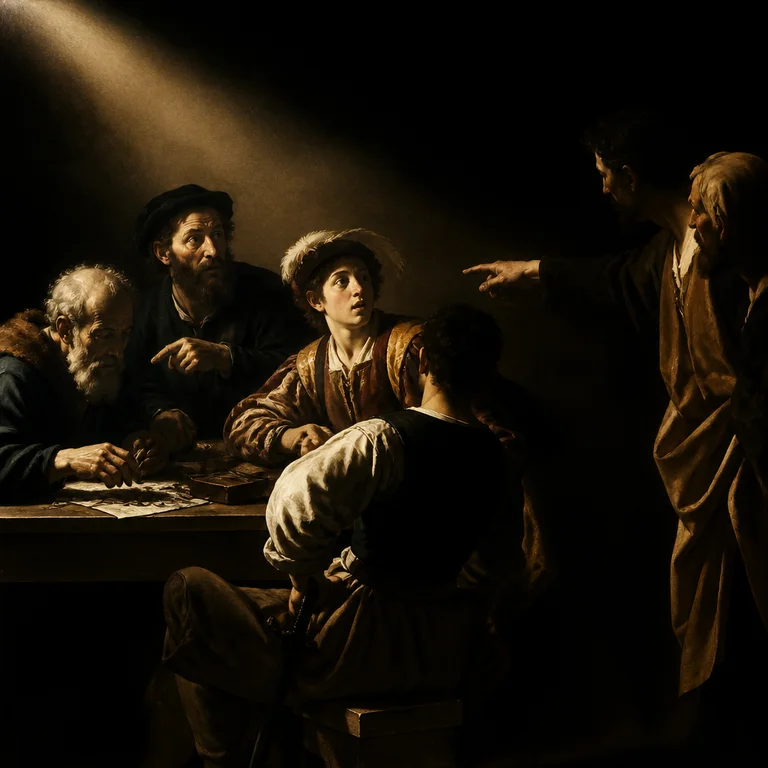
Renaissance Chiaroscuro
Chiaroscuro — literally "light-dark" in Italian — names the late-Renaissance and Baroque practice of modeling figures with strong contras…
Open style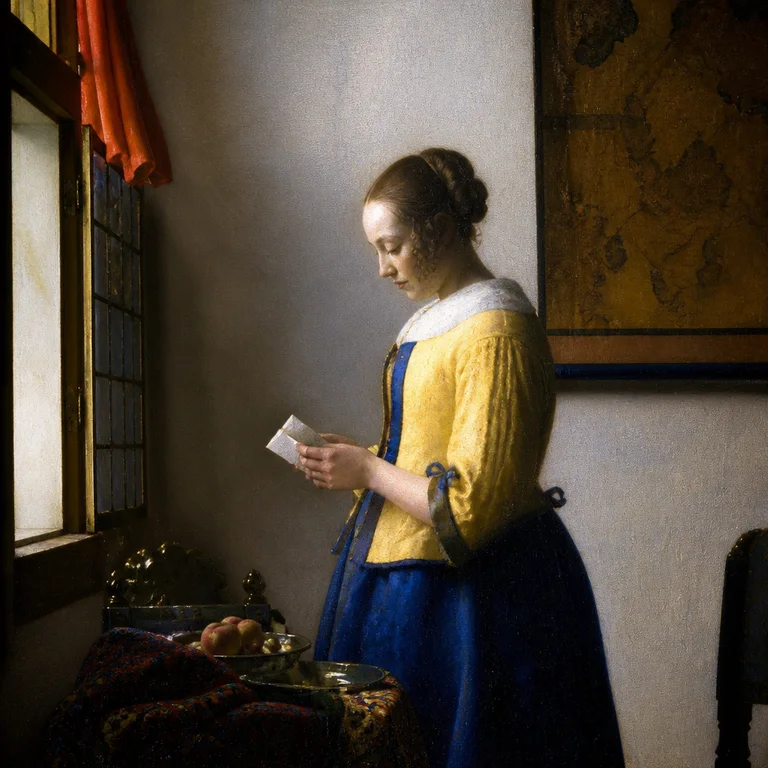
Dutch Golden Age (Vermeer)
The Dutch Golden Age (roughly 1620–1680) produced an unusually coherent body of small, intimate, light-driven paintings. Within that move…
Open style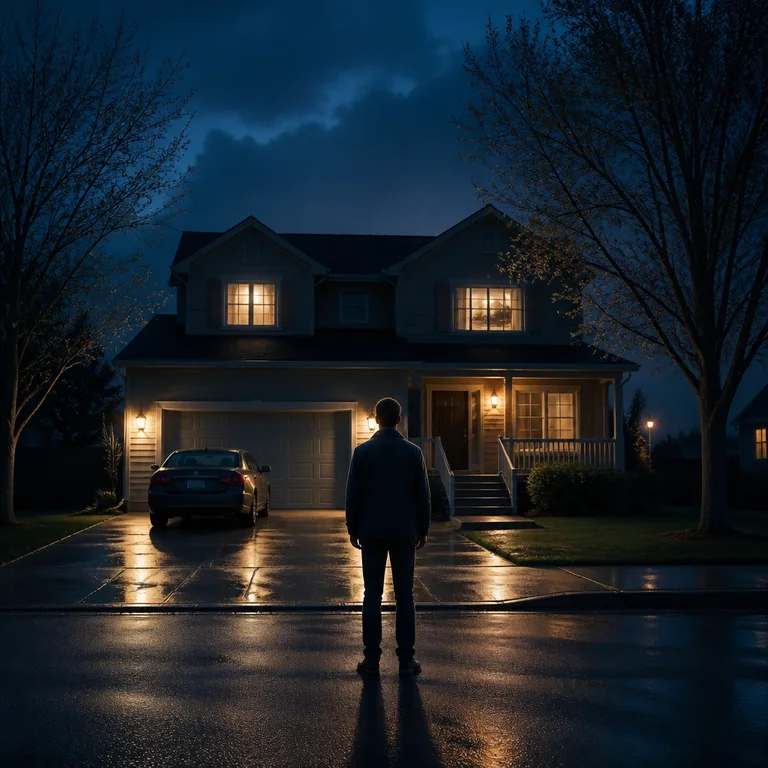
Gregory Crewdson Cinematic Still
Gregory Crewdson makes photographs that look like single frames from films that don't exist. Each image is shot on a soundstage or locati…
Open style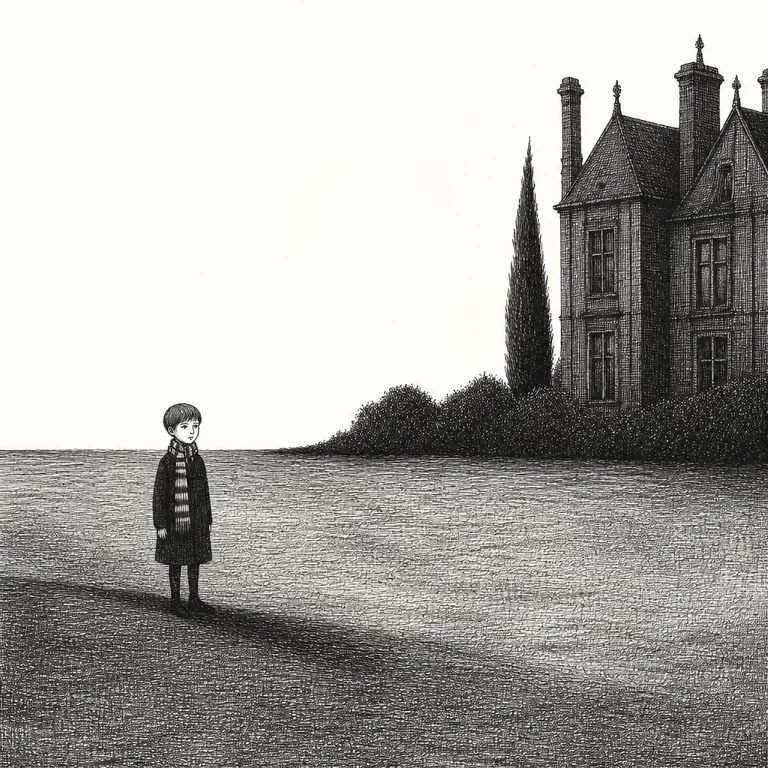
Edward Gorey Crosshatched Gothic
Edward Gorey produced more than 100 small books between 1953 and his death in 2000, each one set in a faintly Edwardian elsewhere and ren…
Open style