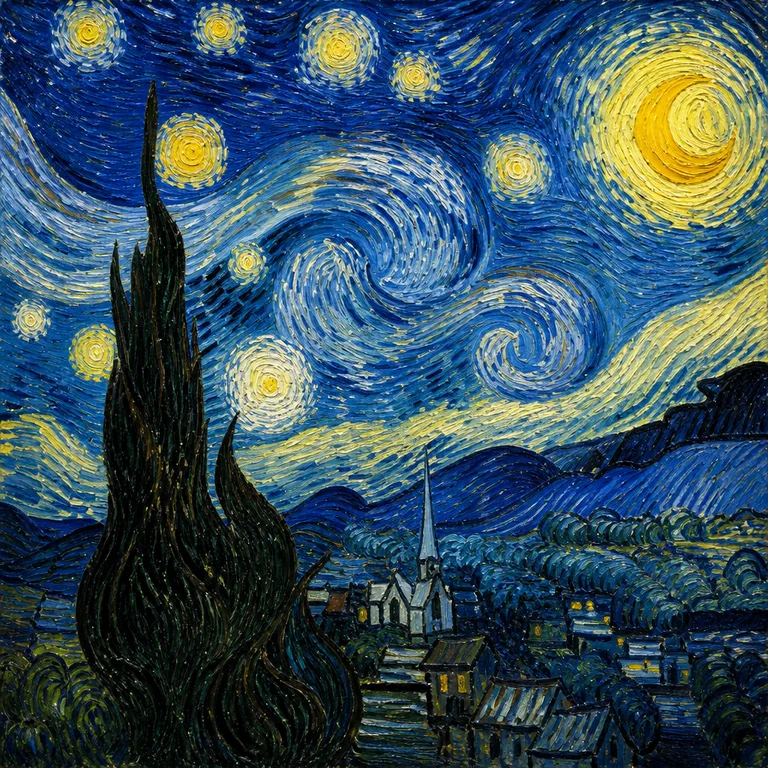
Description
Post-Impressionism was the loose collection of painters (1886–1905) who accepted the Impressionists' premise — broken color, painted in the field — and rejected its detachment. Vincent van Gogh's work is the most visually distinctive of the group because he painted with the brush handle as much as the bristles, leaving thick directional ridges of paint (impasto) that read as texture from across a room. The signature traits: heavy impasto laid down in clear directional strokes (swirls in skies, parallel hatching on walls, radiating dabs around light sources); saturated unmixed color from the tube; thick black outlining adopted from Japanese ukiyo-e prints; emotional rather than naturalistic palette (yellow for hope, ultramarine for night, vermilion for distress); subjects drawn from rural French life — cypresses, wheat fields, café interiors, his own room. Use it for emotional landscapes, expressive portraits, nighttime scenes with stylized stars or light, and any image that should feel hand-made and intense. Limitations: not for photoreal anything, not for cool restraint, not for subtle gradation. Specify "impasto, visible brush ridges, directional strokes, saturated unmixed color" — Van Gogh's name alone gives most models a generic swirly cliché.
Three pioneers
Every style in this catalog names three verifiable pioneers. This is the part of the drop test that takes the longest to write and is the easiest to spot when it's missing.
-
Vincent van Gogh
Dutch painter, 1853–1890. Produced roughly 2,100 works in 10 years. Sunflowers (1888), The Starry Night (1889), and Wheatfield with Crows (1890) are the canonical references.
-
Paul Gauguin
Painted alongside Van Gogh in Arles (1888). His flat-color, outlined, symbolic approach to Tahitian and Breton scenes is the other major branch of Post-Impressionism.
-
Paul Cézanne
The third pillar. His structural approach — building landscapes and still lifes from geometric color planes — directly enabled Cubism. Mont Sainte-Victoire series (1882–1906).
Contemporary revival
Loving Vincent (2017) hand-painted animated feature, the global 'Van Gogh: The Immersive Experience' exhibitions, and Doctor Who's 'Vincent and the Doctor' (2010) episode
Loving Vincent — entirely hand-painted in Van Gogh's style — was nominated for Best Animated Feature at the 2018 Oscars. The various competing immersive Van Gogh shows had sold over 7M tickets globally by 2024. Van Gogh is the most-prompted single named painter in published Midjourney and Stable Diffusion prompt datasets.
Working prompts
Three prompts we've tested against current FairStack models. Copy and run.
-
night sky over Provençal village, swirling spiral clouds and radiating stars, heavy impasto, directional brushwork, ultramarine and cadmium yellow, thick paint ridges, Van Gogh
-
wheat field with cypress trees, vibrant yellows and greens, impasto strokes following the wind direction in the grain, blue sky with brushy clouds
-
self-portrait, intense direct gaze, blue-green background with hatched strokes, vermilion beard, thick paint visible at edges, post-impressionist
Recommended models
Models from FairStack's catalog that handle this style best. Sorted by price.
Related styles
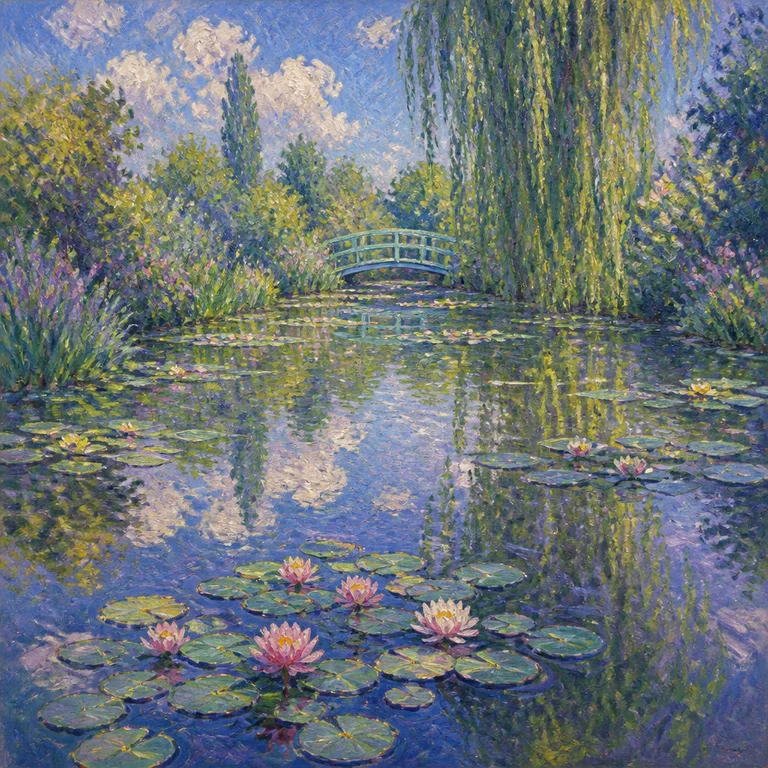
Impressionism (Monet)
Impressionism (1872–1886, peak years) was the first movement to take painting outside the studio and treat the act of seeing — not the ac…
Open style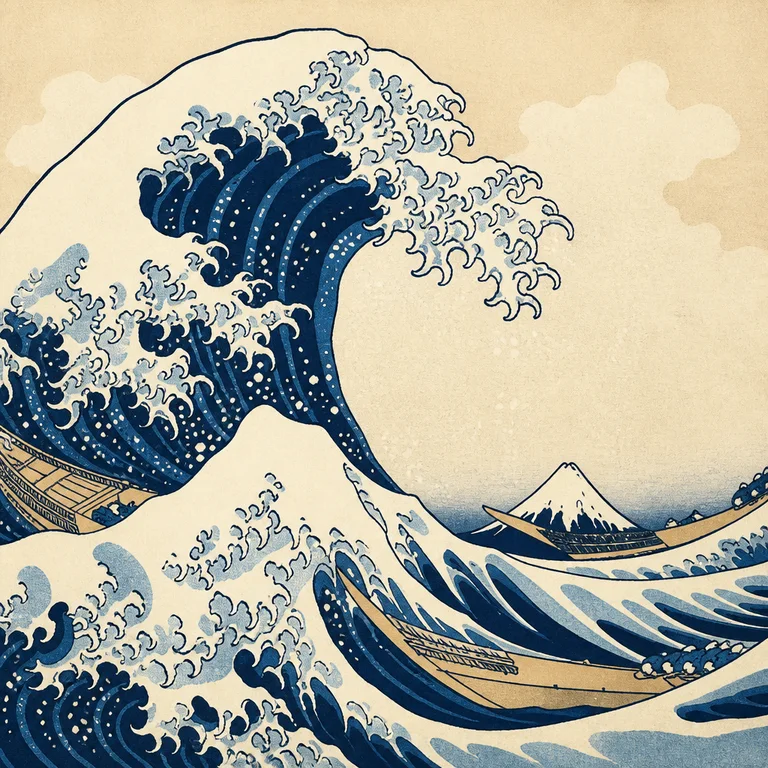
Ukiyo-e Woodblock
Ukiyo-e — "pictures of the floating world" — is the dominant Japanese print tradition from roughly 1660 to 1900. The images were carved i…
Open style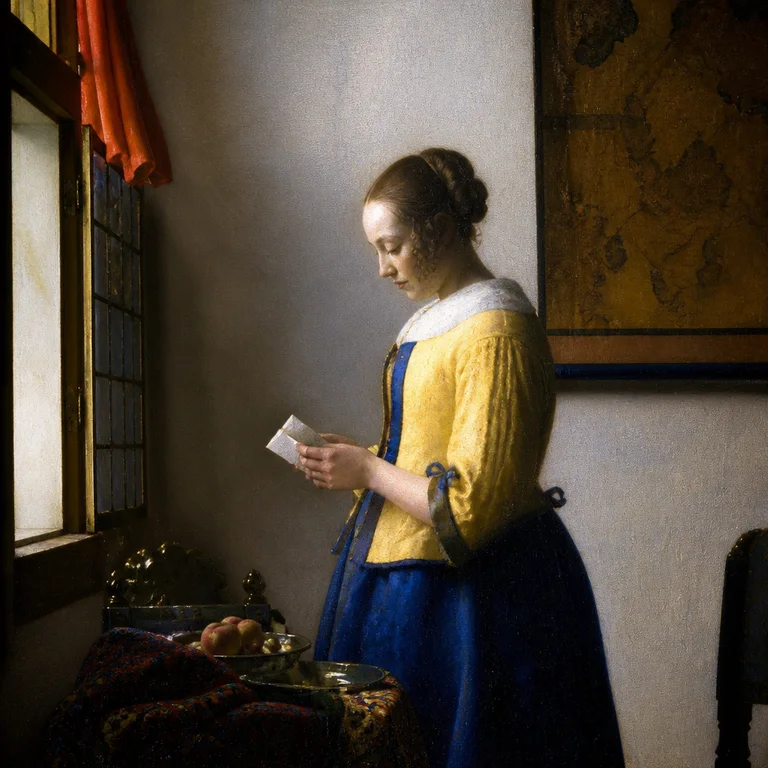
Dutch Golden Age (Vermeer)
The Dutch Golden Age (roughly 1620–1680) produced an unusually coherent body of small, intimate, light-driven paintings. Within that move…
Open style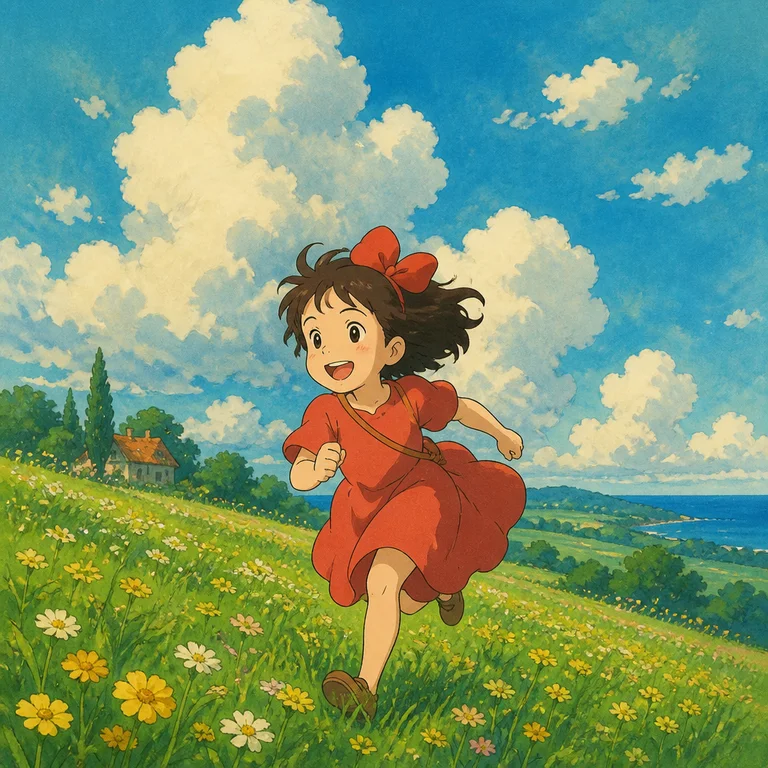
Studio Ghibli
Studio Ghibli's films share a visual identity that has held remarkably steady from Castle in the Sky (1986) through The Boy and the Heron…
Open style