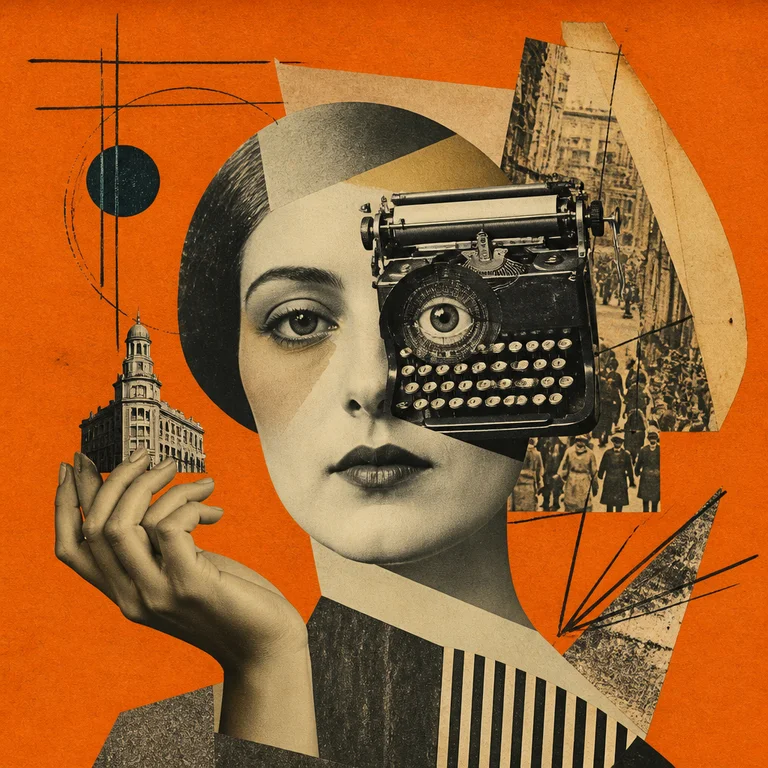
Description
Photographic collage as a fine-art form has a continuous lineage from Berlin Dada in the 1910s — where Hannah Höch coined what she called "photomontage" — through John Heartfield's anti-Nazi political photomontages, the British and American collage tradition of the 1960s, and contemporary practitioners. It is not "digital collage." It is the cut-and-glue physical practice of recombining photographic source material. Visual signatures: visible cut edges on photographic fragments (scissor-cut or X-acto), often deliberately rough; mixed scale — a giant eye next to a tiny architectural element next to a hand-drawn line; mixed source material — magazines, newspapers, found photographs, photocopy reproductions, ink and gouache additions; flat backgrounds (colored paper, newsprint, or hand-painted ground) that contrast with the photographic fragments; political, satirical, or surreal content; sometimes hand-lettering or typewriter text mixed in. Use it for editorial illustration with edge, music album art, protest and political imagery, surreal portraits, fashion editorial, zine work, and anything that should feel handmade and intellectually loaded. Limitations: not for photoreal, smooth, or commercial-polished. Models default to "digital collage" mush — specify "Hannah Höch / John Heartfield-style photomontage, visible scissor-cut edges on photographic fragments, mixed scale, magazine and newsprint source material, flat colored-paper background, hand-drawn ink lines added, 1920s Berlin Dada lineage."
Three pioneers
Every style in this catalog names three verifiable pioneers. This is the part of the drop test that takes the longest to write and is the easiest to spot when it's missing.
-
Hannah Höch
German Dada artist, 1889–1978. Coined and exemplified the term 'photomontage.' Cut with the Kitchen Knife Dada Through the Last Weimar Beer-Belly Cultural Epoch of Germany (1919–20) is the foundational work of the medium.
-
John Heartfield
German anti-Nazi photomonteur, 1891–1968. His covers for AIZ magazine (1930–1938) — including the iconic Adolf the Superman Swallows Gold and Spouts Junk (1932) — defined politically engaged photomontage and remain the reference for the medium's potential as critique.
-
Linder Sterling
British contemporary artist, born 1954. Defined the post-1970s feminist photomontage idiom; her cover for the Buzzcocks' Orgasm Addict (1977) is a punk-era landmark. Continues exhibiting major retrospectives (Tate, 2018; Hayward, 2024).
Contemporary revival
Linder Sterling's 2024 Hayward Gallery retrospective, the persistent Instagram / collage-zine community (#cutandpaste, #analogcollage), and the influence on contemporary album art (Tyler the Creator's Chromakopia 2024, the broader Brockhampton and Kid Cudi aesthetic)
Linder Sterling: Danger Came Smiling at the Hayward Gallery (2024) was widely reviewed and toured to multiple institutions. #analogcollage on Instagram exceeds 800K posts; #handcollage exceeds 400K. The London Collage Collective, Berlin's Collage Republik, and the global Cut Me Up zine network are active publishing platforms. Tyler the Creator's Chromakopia (2024) was widely covered for its photomontage-influenced art direction. Penguin's classics covers since 2020 use photomontage techniques explicitly.
Working prompts
Three prompts we've tested against current FairStack models. Copy and run.
-
Hannah Höch-style photomontage, woman's photographic face with mismatched eye replaced by giant typewriter, hand mounted on tiny architectural fragment, visible scissor-cut edges, mixed scale, 1920s Berlin magazine and newsprint source material, flat orange paper background, hand-drawn ink lines added
-
John Heartfield-style political photomontage, satirical figure in suit composed from cut newspaper fragments, photographic head against flat red background, harsh shadows, 1930s AIZ magazine aesthetic
-
contemporary feminist photomontage in Linder Sterling lineage, fashion-magazine fragments recombined with household objects (kitchen blender, iron) where face should be, X-acto cut edges visible, punk-era directness
Recommended models
Models from FairStack's catalog that handle this style best. Sorted by price.
Related styles
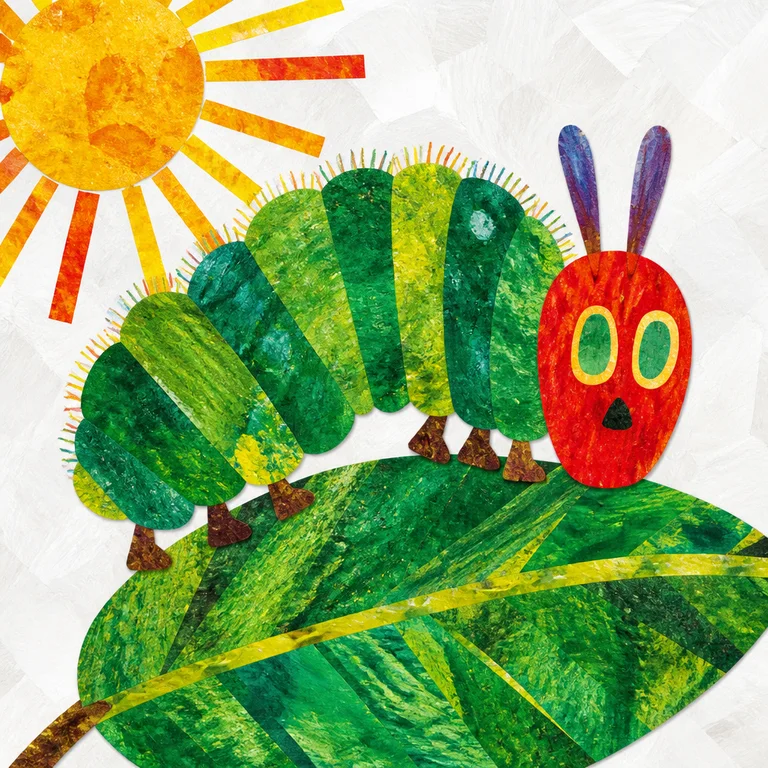
Eric Carle Collage
Eric Carle's method was specific and physical: he painted large sheets of tissue paper by hand with acrylics — splatters, brushwork, fing…
Open style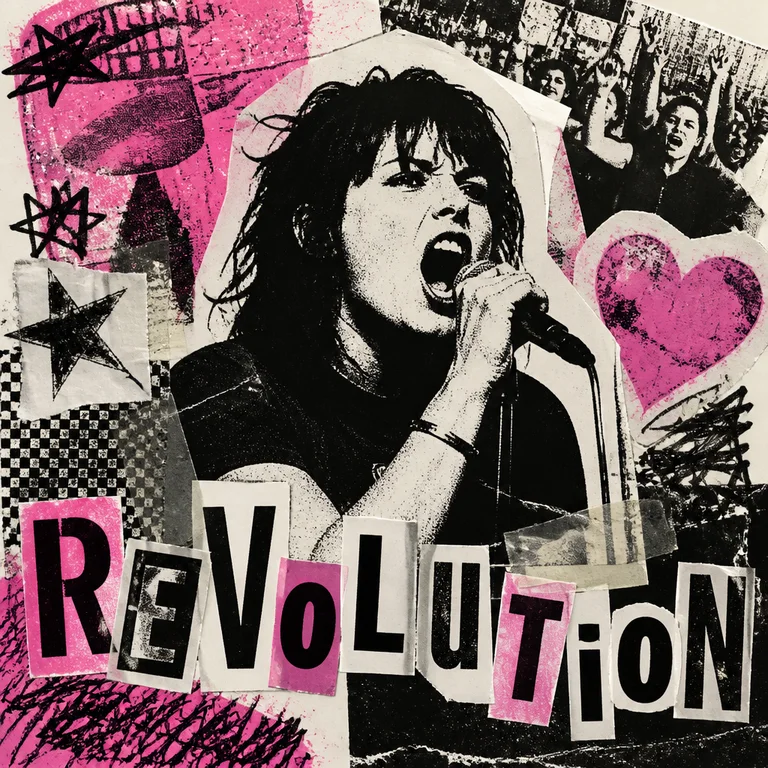
Lo-Fi Zine / Cut-and-Paste
The lo-fi zine aesthetic — photocopied, hand-assembled, deliberately rough printed matter — emerged from the late-1970s punk scene (Sniff…
Open style
Glitch / Databending
Glitch and databending describe a family of techniques that produce intentional image corruption — usually by editing the binary or compr…
Open style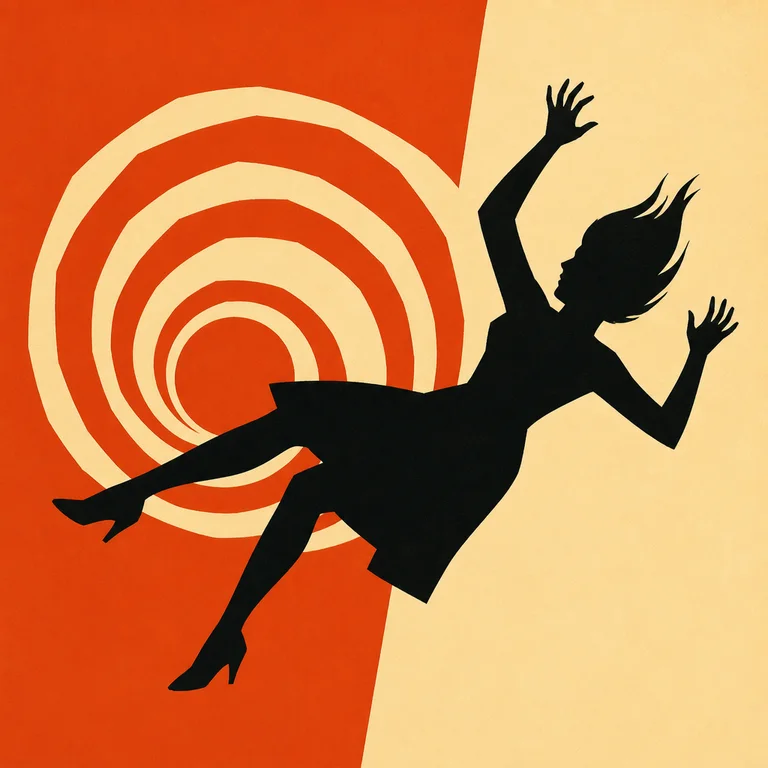
Saul Bass Title Card
Saul Bass (1920–1996) redefined what film title sequences could be — he made them part of the film, not a list of names to skip — and the…
Open style