Description
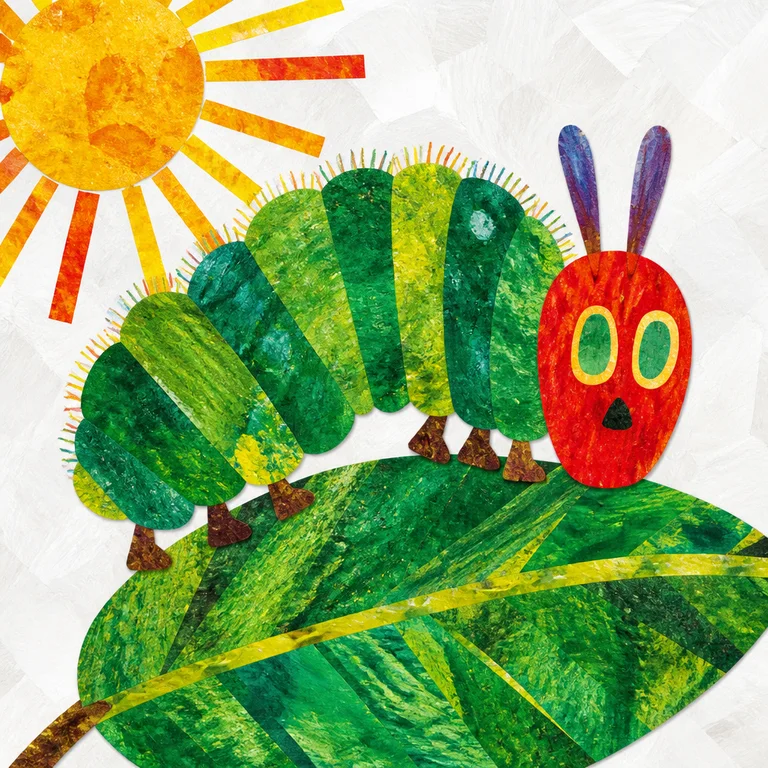
Eric Carle's method was specific and physical: he painted large sheets of tissue paper by hand with acrylics — splatters, brushwork, finger-dragged texture, sponge dabs — and then cut those painted sheets into the components of his images and pasted them down as a collage. The Very Hungry Caterpillar (1969), Brown Bear (1967), and 70-plus other titles all use the same technique. Visually that produces three signatures. First, every shape carries visible texture from the painted source paper — brush marks, splatters, color variation across a single shape. Second, edges are scissor-cut, not blended, so a leaf or fish reads as an assembled object. Third, the palette is high-saturation primaries and secondaries with confident black outlines and minimal modeling. Use it for children's-book illustration, nature and animal subjects, primary-school educational imagery, and anything that should feel handmade and joyful. The technique works especially well for plants, insects, birds, fish, and stylized animals. It does not do photoreal or moody. Generative models will produce smooth "collage style" without the brush-texture-inside-shapes if you don't specify. Ask for "Eric Carle tissue-paper collage, hand-painted textured paper cut into shapes, visible brush marks and splatters within each shape, scissor edges, saturated primaries."
Three pioneers
Every style in this catalog names three verifiable pioneers. This is the part of the drop test that takes the longest to write and is the easiest to spot when it's missing.
-
Eric Carle
American author-illustrator, 1929–2021. The Very Hungry Caterpillar (1969) has sold over 55 million copies in 70 languages. Worked as a graphic designer at The New York Times before children's books.
-
Leo Lionni
Italian-American designer and illustrator. Little Blue and Little Yellow (1959) and Frederick (1967) used torn-paper collage before Carle and influenced his approach. Caldecott Honor four times.
-
Ezra Jack Keats
American illustrator. The Snowy Day (1962, Caldecott Medal) used painted-paper collage and patterned tissue for Manhattan winter scenes — direct technical precedent for Carle's later work.
Contemporary revival
The Eric Carle Museum of Picture Book Art (Amherst, MA) annual attendance growth, the 50th-anniversary reissue programs for Hungry Caterpillar (2019–present), and persistent contemporary picture-book imitation by Lauren Castillo, Salina Yoon, and Sophie Blackall
The Eric Carle Museum has hosted over 1M visitors since opening in 2002. Penguin Random House's anniversary editions of Caterpillar shipped over 2M units between 2019 and 2024. Hungry Caterpillar consistently ranks in Amazon's top 50 children's books a half-century after publication. #ericcarle on Instagram exceeds 180K posts; the technique is a staple in elementary art curricula across North America and the UK. Apple TV+'s The World of Eric Carle series launched in 2022.
Working prompts
Three prompts we've tested against current FairStack models. Copy and run.
-
Eric Carle tissue-paper collage, brightly colored caterpillar on a green leaf, every shape made of hand-painted textured paper with visible brush marks and splatters within, scissor-cut edges, saturated red green yellow palette
-
Carle-style collage of a tropical fish underwater, painted-paper texture inside each scale, black outline, hand-cut shapes, joyful primary colors
-
tissue-paper collage illustration of a tree with painted-paper birds in branches, textured leaves cut from streaky green paper, sun made of orange splattered circle, picture book composition
Recommended models
Models from FairStack's catalog that handle this style best. Sorted by price.
Related styles
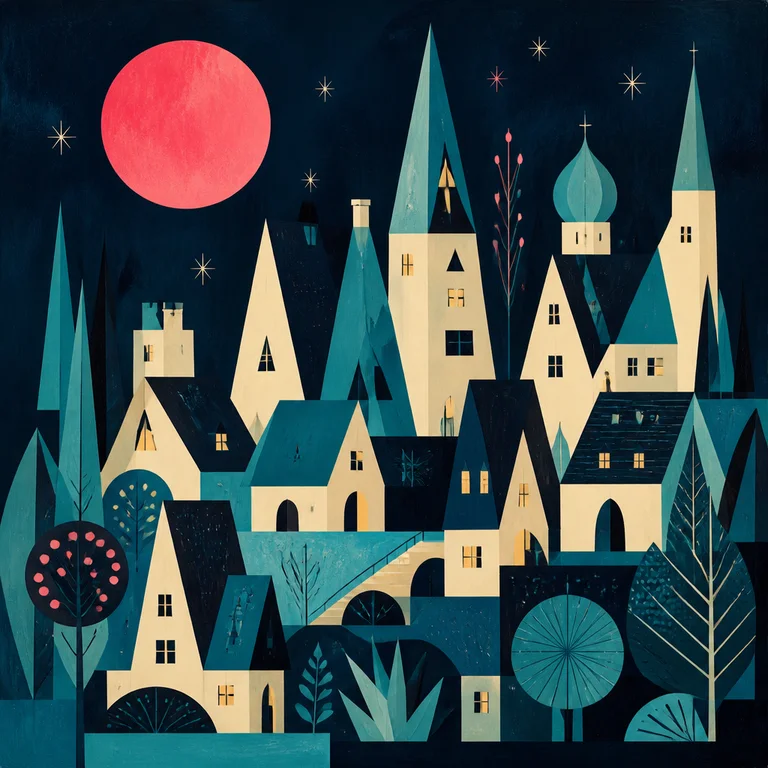
Mary Blair Mid-Century
Mary Blair's concept art for Disney between 1940 and 1965 — Cinderella, Alice in Wonderland, Peter Pan, and the It's a Small World ride —…
Open style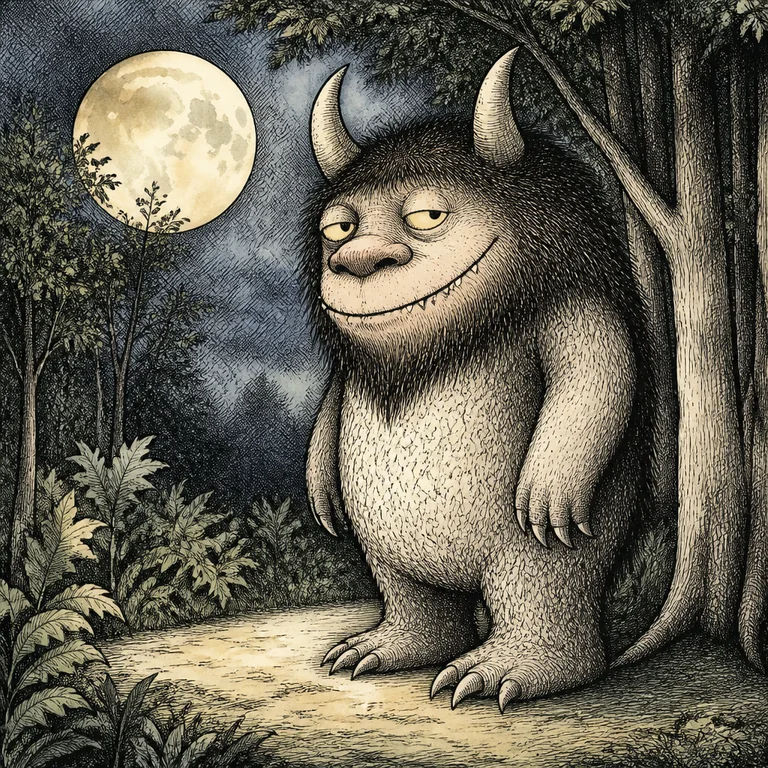
Maurice Sendak Crosshatch
Maurice Sendak's mature style — Where the Wild Things Are (1963), In the Night Kitchen (1970), Outside Over There (1981) — is built on de…
Open style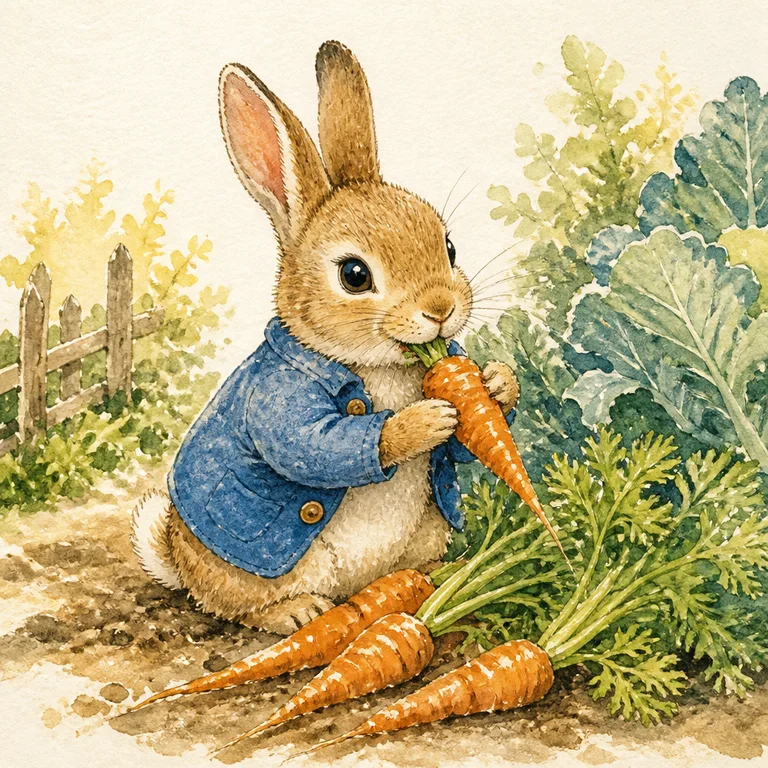
Children's Book Watercolor
"Children's book watercolor" is not one style — it is a continuous tradition stretching from Beatrix Potter's Peter Rabbit (1902) through…
Open style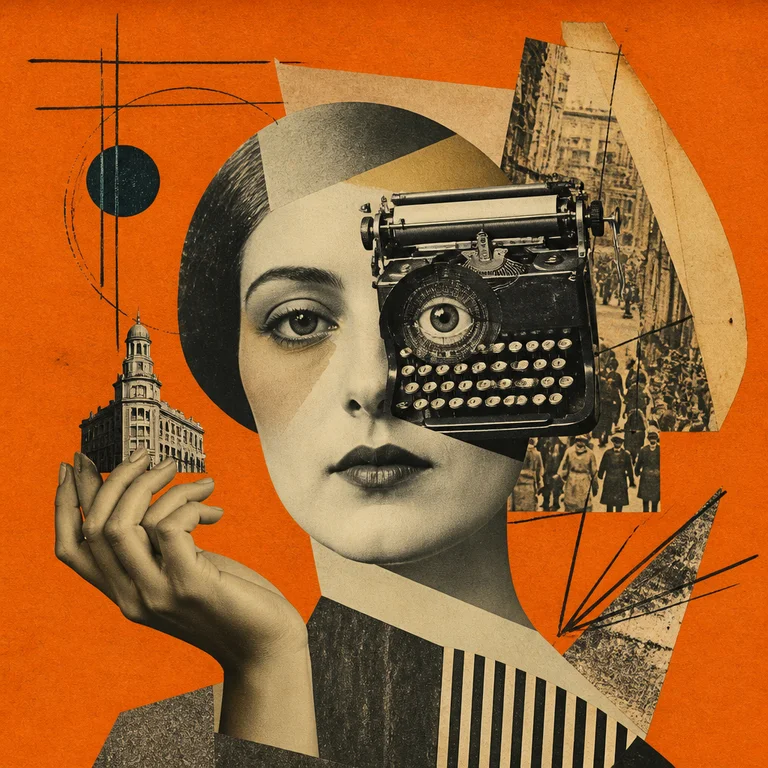
Photo-Collage (Hannah Höch Lineage)
Photographic collage as a fine-art form has a continuous lineage from Berlin Dada in the 1910s — where Hannah Höch coined what she called…
Open style