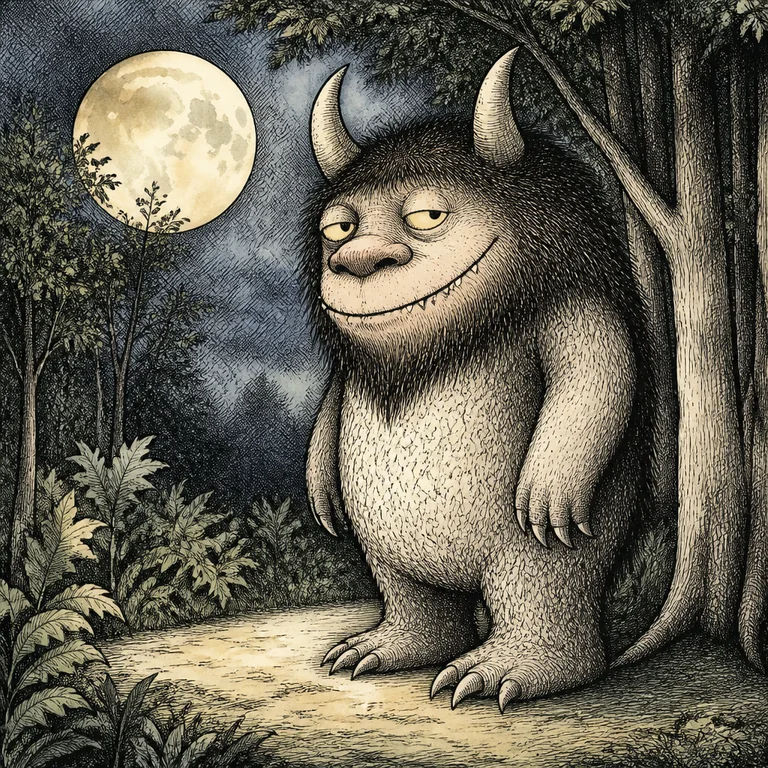
Description
Maurice Sendak's mature style — Where the Wild Things Are (1963), In the Night Kitchen (1970), Outside Over There (1981) — is built on dense pen-and-ink crosshatching laid down before color. The technique comes from 19th-century engraving and from Sendak's deep study of Randolph Caldecott and Wilhelm Busch. Visual rules: parallel-line and crosshatch shading carries all the volume, value, and atmosphere; ink linework is variable-weight — thicker on the shadow side, thinner on the lit side; watercolor or gouache is laid over the ink in modest, restrained chroma — never compete with the line; compositions favor stocky, slightly grotesque characters with small features and large heads; settings are dreamlike, often theatrical, with deep middle grounds and curtained or enclosed framings. Use it for picture books, fairy tales, fantasy with bite, theatrical-feel illustration, and any image that should feel old-craft and emotionally complex (Sendak's monsters are friendly and threatening at once — restraint is the whole game). Limitations: not for clean, not for bright, not for photoreal. Models default to either fine-line cartoon or generic "ink illustration." Specify "dense crosshatch ink line carrying all the value, variable-weight pen, restrained watercolor over ink, 19th-century engraving lineage."
Three pioneers
Every style in this catalog names three verifiable pioneers. This is the part of the drop test that takes the longest to write and is the easiest to spot when it's missing.
-
Maurice Sendak
American illustrator, 1928–2012. Where the Wild Things Are (1963) won the Caldecott Medal and has sold over 20M copies. Sendak won the Hans Christian Andersen Award in 1970 and the Astrid Lindgren Memorial Award in 2003.
-
Randolph Caldecott
British illustrator, 1846–1886. His picture books for Edmund Evans (The Diverting History of John Gilpin, 1878) defined the modern picture-book grammar. Sendak called him 'the most important children's book illustrator who ever lived' and the Caldecott Medal is named for him.
-
Wilhelm Busch
German illustrator, 1832–1908. Max und Moritz (1865) used dense crosshatching and stocky grotesque figures — proto-comics. Sendak collected Busch and described him as a direct technical model.
Contemporary revival
Spike Jonze's Where the Wild Things Are film (2009), the Sendak Foundation's ongoing programs, and the persistent contemporary picture-book crosshatchers including Jon Klassen, Carson Ellis, and Brian Selznick
The Jonze film (2009) grossed over $100M and put Wild Things back on bestseller lists 46 years after publication. The Maurice Sendak Foundation opened to the public in 2022 and gives annual fellowships. Selznick's The Marvels (2015) and Klassen's The Skull (2023, NYT Best Illustrated) read as explicit Sendak-school. #mauricesendak on Instagram exceeds 80K posts. Where the Wild Things Are stays in Amazon's top 100 picture books continuously.
Working prompts
Three prompts we've tested against current FairStack models. Copy and run.
-
Maurice Sendak crosshatch illustration, friendly grotesque monster with horns standing in moonlit forest clearing, dense pen-and-ink crosshatching carrying all the shadow and texture, restrained watercolor over ink, variable-weight line
-
Sendak-style ink and watercolor, small child in pajamas climbing through curtained doorway into dreamlike kitchen, stocky figure with large head, theatrical framing, hand-drawn engraving lineage
-
19th-century-style children's book illustration, two woodland animals in detailed crosshatched landscape, muted watercolor wash, variable pen-line weight
Recommended models
Models from FairStack's catalog that handle this style best. Sorted by price.
Related styles
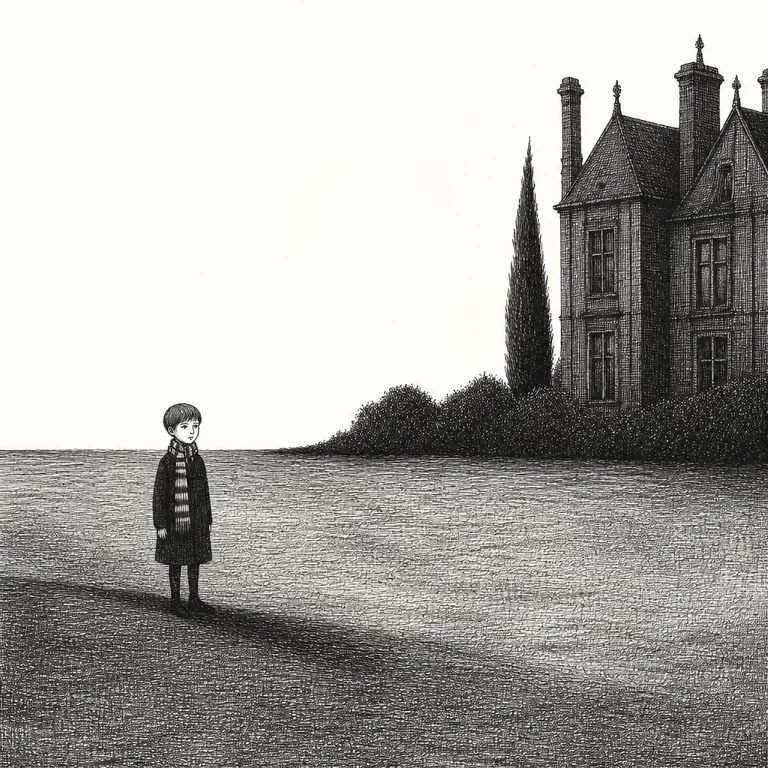
Edward Gorey Crosshatched Gothic
Edward Gorey produced more than 100 small books between 1953 and his death in 2000, each one set in a faintly Edwardian elsewhere and ren…
Open style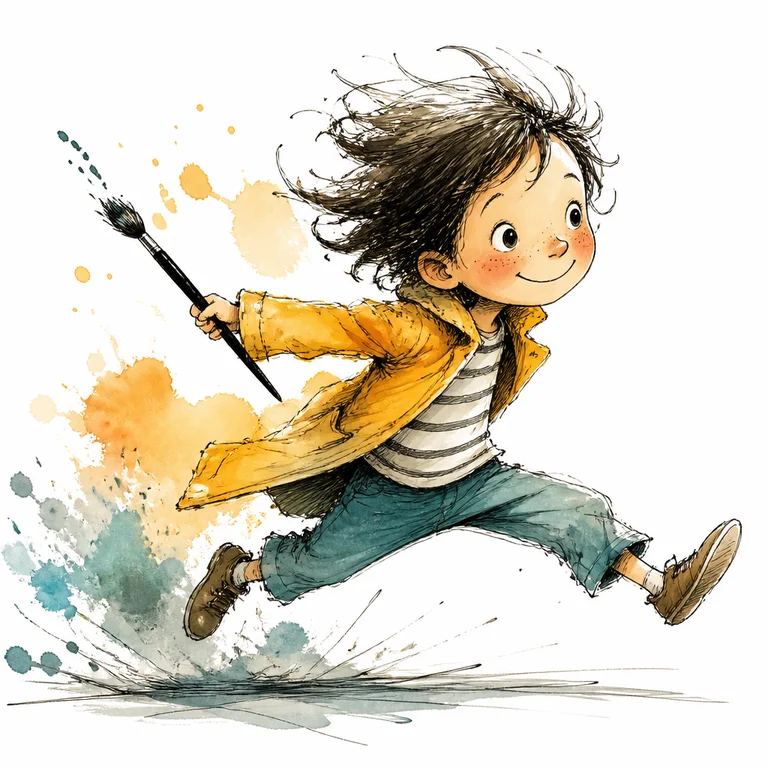
Quentin Blake Loose Line
Quentin Blake's illustrations for Roald Dahl — The BFG, Matilda, The Witches, James and the Giant Peach, Charlie and the Chocolate Factor…
Open style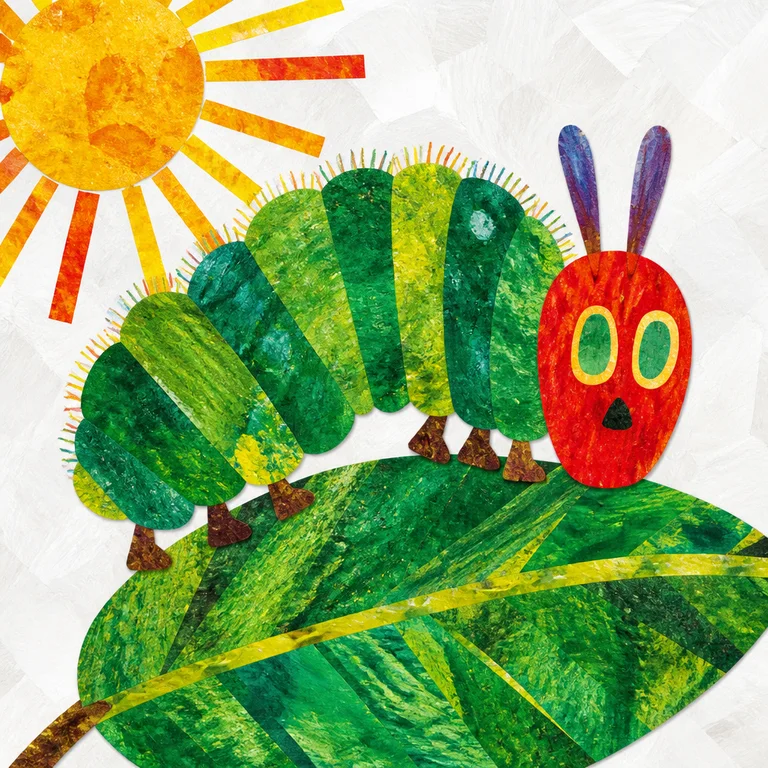
Eric Carle Collage
Eric Carle's method was specific and physical: he painted large sheets of tissue paper by hand with acrylics — splatters, brushwork, fing…
Open style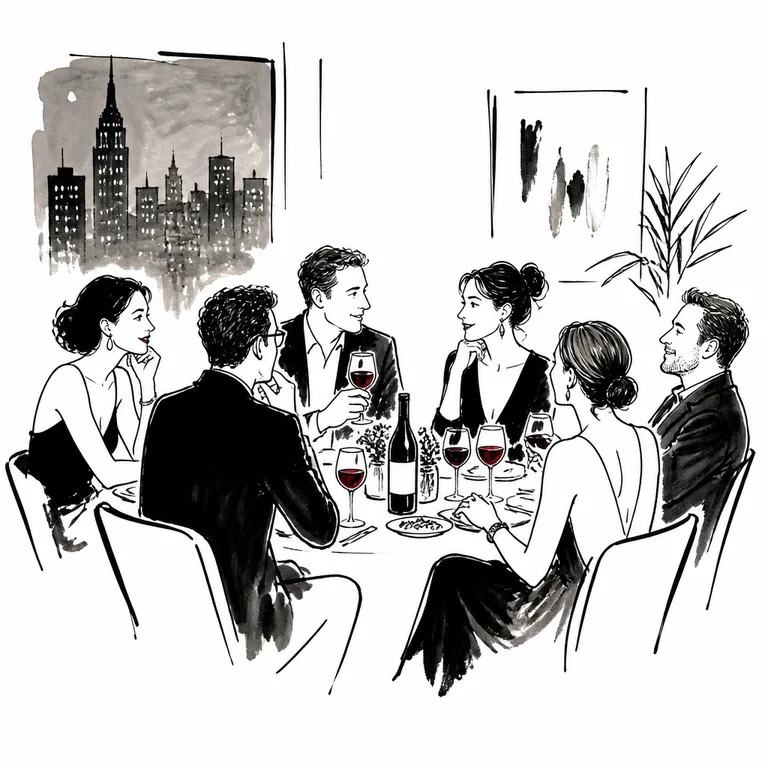
New Yorker Editorial Ink
The New Yorker has run editorial illustration and cartoons in a coherent visual language for nearly a century. The style is not one artis…
Open style