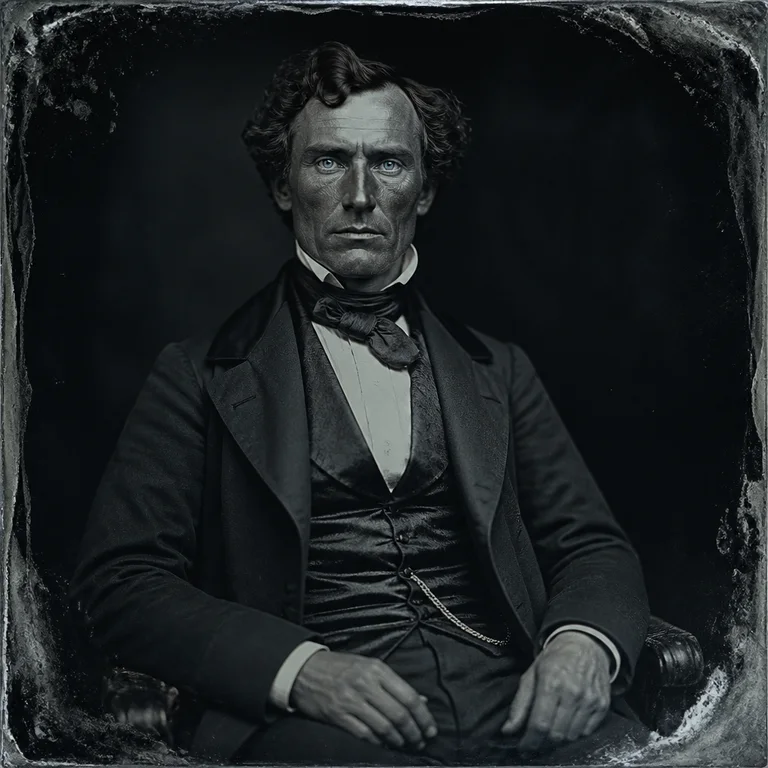
Description
The wet-plate collodion process was invented by Frederick Scott Archer in 1851 and was the dominant photographic process from roughly 1855 to 1880, before gelatin dry plates replaced it. The tintype is its cheap, durable variant — collodion poured onto a thin sheet of japanned iron rather than glass, exposed wet, and developed within ten minutes before the plate dried. It is the look of Civil War portraits, frontier daguerreotype-era studios, and turn-of-the-century carnival photography. Visual rules: extremely shallow depth of field from large-format optics with no f-stops above f/8 in practice; long exposures (1–30 seconds), so subjects must hold still or blur; collodion's blue-sensitive emulsion renders skin tones dark, blue eyes nearly white, and red lips black; pinholes, comet streaks, and chemical irregularities at plate edges; dense black backgrounds from the japanned iron base; a slightly silver-blue or warm cream tonal cast depending on the developer formula. Modern revival photographers use traditional plate chemistry, not digital filters. Use it for historical period portraits, Civil War / frontier reenactment, gothic-tinged formal portraiture, occult and tarot imagery, traditional craft branding, and any image that should feel like a singular physical object rather than a reproduction. Models will produce "vintage sepia photo" if asked vaguely. Specify "wet-plate collodion tintype, blue-sensitive emulsion rendering skin darkly and blue eyes pale, long exposure with subject held still, shallow depth from large-format lens, chemical irregularities at plate edges, japanned iron base, 1860s formal portrait."
Three pioneers
Every style in this catalog names three verifiable pioneers. This is the part of the drop test that takes the longest to write and is the easiest to spot when it's missing.
-
Frederick Scott Archer
British inventor, 1813–1857. Published the wet-plate collodion process in The Chemist (March 1851) without patenting it, releasing it to the public. The standard photographic process for the next 30 years.
-
Mathew Brady
American photographer, 1822–1896. Operated the most famous American portrait studio of the mid-19th century. His Civil War project (1861–1865, executed largely by his staff including Alexander Gardner and Timothy O'Sullivan) is the canonical wet-plate documentary body.
-
Sally Mann
American photographer, born 1951. The contemporary revival's most important practitioner. Her Deep South (2005) and Battlefields series shot with wet-plate collodion on 8×10 and 20×24 plates legitimized the process for fine-art photography in the 2000s.
Contemporary revival
The wet-plate workshop ecosystem (Quinn Jacobson, Borut Peterlin, Lori Vrba), Sally Mann's continuing exhibitions, and the persistent revival of analog historical processes in fine-art and craft-branding photography
Wet-plate workshops sell out months in advance across the US and Europe — Quinn Jacobson, John Coffer, and the Wet Plate Workshops at the Penumbra Foundation in New York have all reported full booking. The 2018 documentary Wet Plate Diaries circulated through alt-process photography circles. Sally Mann's What Remains (2003) and A Thousand Crossings (Smithsonian 2018, traveled to 2021) drew large gallery audiences. #wetplate on Instagram exceeds 220K posts. The aesthetic appears across HBO True Detective season 1 promotional materials, Civil War reenactor documentation, and brand campaigns for whiskey, leather, and craft tools.
Working prompts
Three prompts we've tested against current FairStack models. Copy and run.
-
1860s wet-plate collodion tintype portrait, formal seated subject in mid-Victorian clothing, long exposure with subject held perfectly still, blue-sensitive emulsion rendering skin darkly and blue eyes pale, shallow depth of field from large-format lens, chemical irregularities at plate edges, dense black background from japanned iron base, slightly silver-blue tonal cast
-
wet-plate collodion landscape, Civil War-era Virginia battlefield with cannon and tree stumps, long-exposure motion blur in smoke, large-format depth-of-field falloff, chemical edge irregularities, Brady-school documentary
-
Sally Mann-style 20x10 wet-plate portrait of a child in white nightgown, ghostly blue-sensitive rendering, long-exposure soft motion, deep black surround, modern fine-art revival
Recommended models
Models from FairStack's catalog that handle this style best. Sorted by price.
Related styles
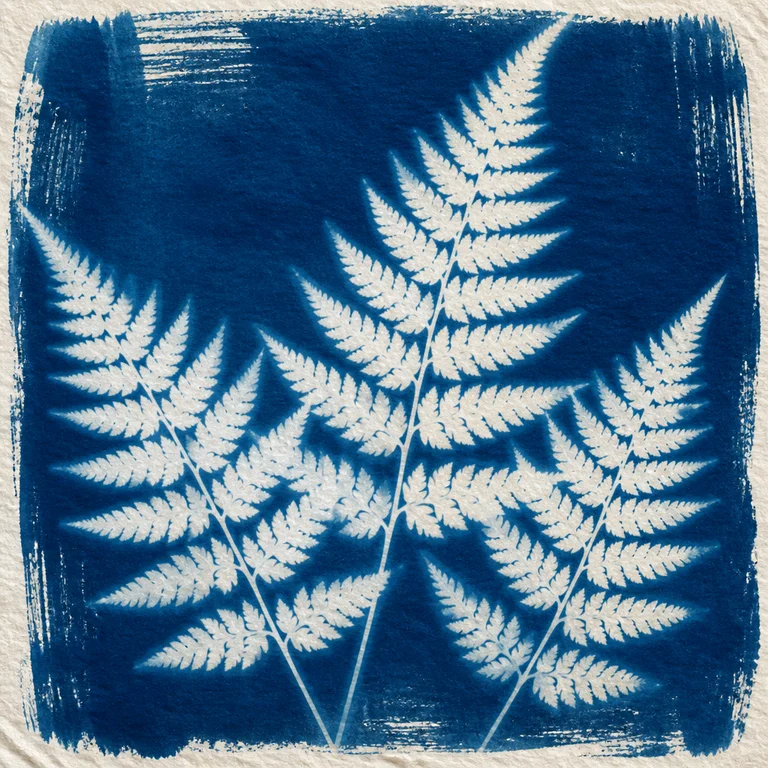
Cyanotype
The cyanotype process was invented by Sir John Herschel in 1842 and used almost immediately by the botanist Anna Atkins to produce Photog…
Open style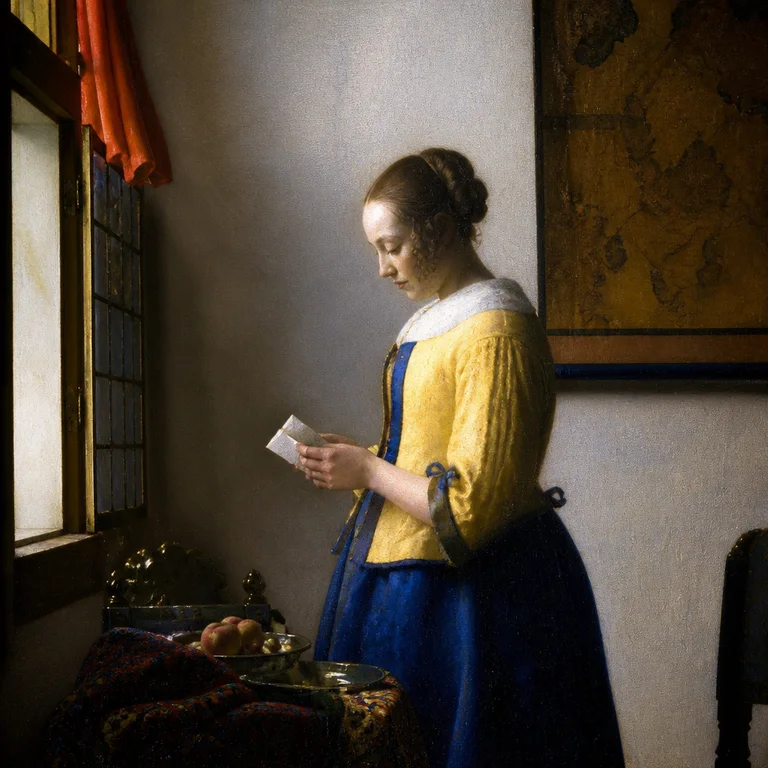
Dutch Golden Age (Vermeer)
The Dutch Golden Age (roughly 1620–1680) produced an unusually coherent body of small, intimate, light-driven paintings. Within that move…
Open style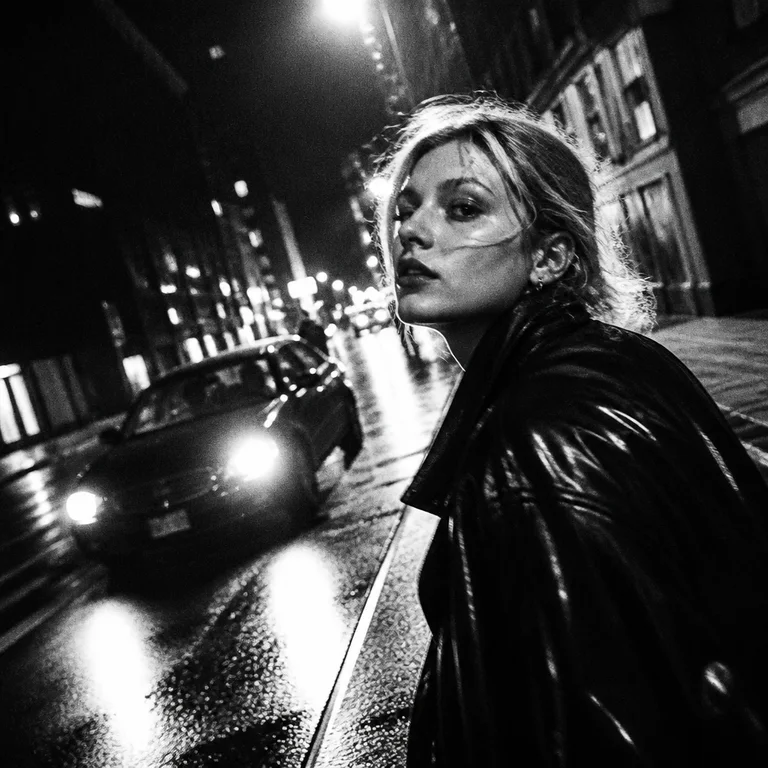
Daido Moriyama High-Contrast B&W
Daido Moriyama's photographs of postwar Tokyo are the most influential street photography to come out of Japan. The visual signature is e…
Open style
Vivian Maier Mid-Century Street
Vivian Maier worked as a nanny in Chicago and New York from the 1950s through the 1990s and shot roughly 150,000 photographs that nobody…
Open style