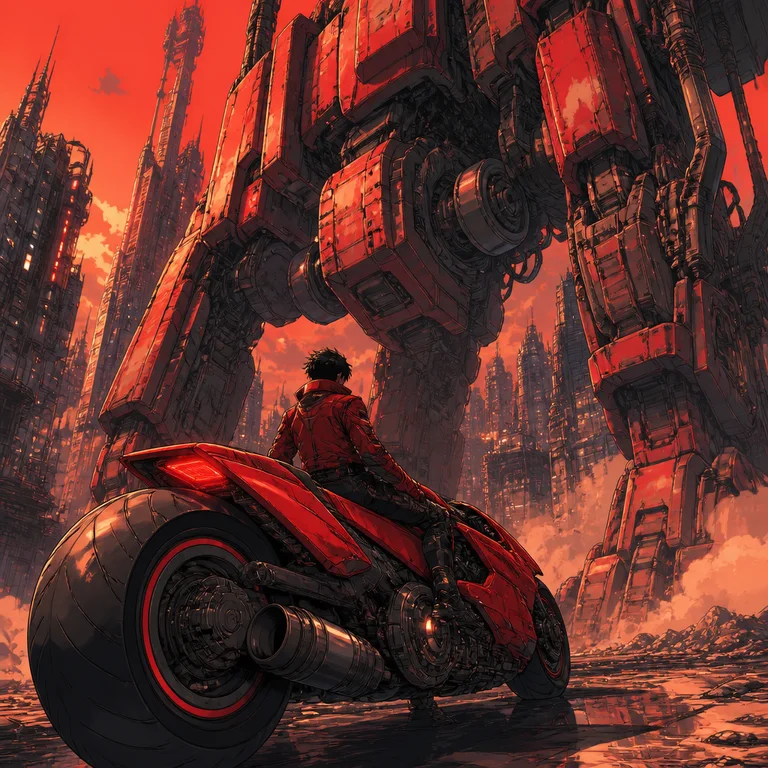
Description
Katsuhiro Otomo's Akira (manga 1982–90, film 1988) established a specific cyberpunk-anime aesthetic that almost every subsequent grounded-future anime borrows from. The visual rules: ultra-detailed near-future urban architecture (neo-Tokyo as a stratified, oversized, lived-in city); hard mechanical detail with weight and surface wear; long flat shadows from artificial light at night; specific color signatures — bike-tail-red on black asphalt, neon orange against deep teal, fluorescent green for instrument panels; and a willingness to spend frame budget on city-scale wide shots rather than character close-ups. In motion the style favors anatomically grounded mechanical movement (Kaneda's slide on the bike), debris and dust as visual texture, and a hand-drawn perspective grid that holds together at extreme angles. Use it for cyberpunk cityscapes, mechanical detail, action stills, dystopian portraits, neo-Tokyo references, motorcycle and vehicle imagery, and any image that should feel weighty, urban, and post-industrial. Limitations: not for soft, not for cute, not for daylight. Avoid generic "cyberpunk" — specify Akira (1988), neo-Tokyo, Kaneda's red bike, or Otomo's Memories (1995) to anchor it.
Three pioneers
Every style in this catalog names three verifiable pioneers. This is the part of the drop test that takes the longest to write and is the easiest to spot when it's missing.
-
Katsuhiro Otomo
Japanese manga artist and director. Akira manga (1982–90) and animated film (1988) are the canonical works. Subsequent — Memories (1995), Steamboy (2004) — extended the visual language.
-
Masamune Shirow
Manga artist, Ghost in the Shell (1989) and Appleseed (1985). Shares Otomo's love for technical detail and built the parallel mecha-cyberpunk tradition.
-
Mamoru Oshii
Director of Ghost in the Shell (1995) — the most direct cinematic continuation of the Akira-Otomo project. The Hong Kong-influenced cityscape work of Ghost in the Shell is the bridge between Akira and Blade Runner 2049.
Contemporary revival
The Akira 4K restoration tour (2020–2024), Cyberpunk: Edgerunners (Netflix, 2022), and the long-running 'Akira slide' as the most-referenced anime motion shot
Akira's 4K restoration screened in over 1000 theaters globally. Cyberpunk: Edgerunners was Netflix's biggest 2022 anime by viewership and explicitly cites Akira's visual language. The 'Akira slide' is one of the most-imitated motion shots in animation and live-action.
Working prompts
Three prompts we've tested against current FairStack models. Copy and run.
-
neo-Tokyo cityscape at night, towering oversized buildings, neon orange and deep teal signage, red taillight streaks from motorcycles, detailed mechanical street level, Otomo anime, 1988
-
Kaneda-style red sport bike close-up, anatomically grounded mechanical detail, hard surface wear, low angle from wet asphalt, anime line art
-
dystopian Tokyo highway underpass, concrete brutalism, single figure walking, fluorescent green instrument-panel light from passing car, cyberpunk anime cel
Recommended models
Models from FairStack's catalog that handle this style best. Sorted by price.
Related styles
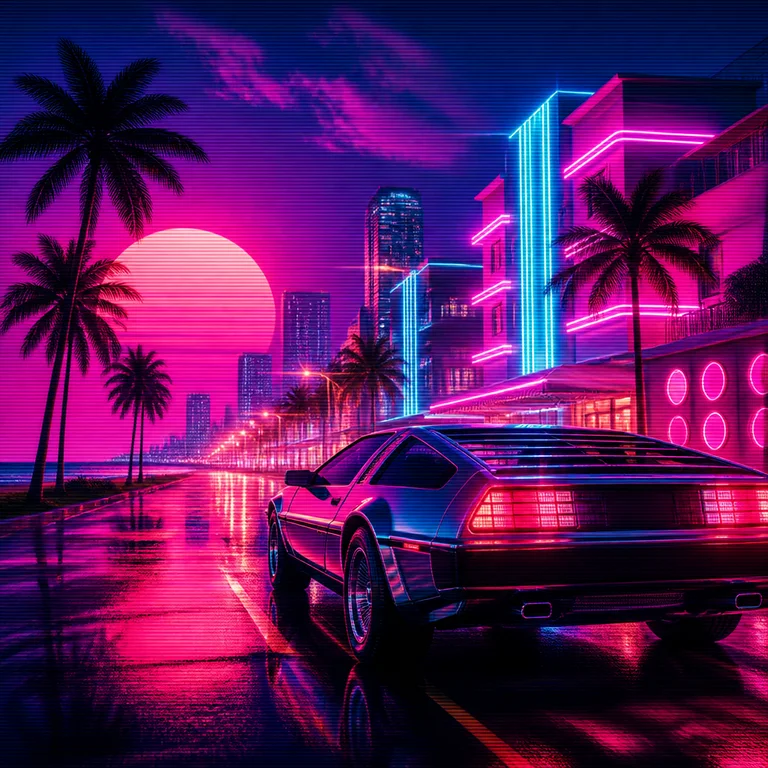
1980s Neon / Synthwave
Synthwave (the music) and the 80s-neon visual aesthetic (the look) are two halves of the same retro-future revival. The visual rules are…
Open style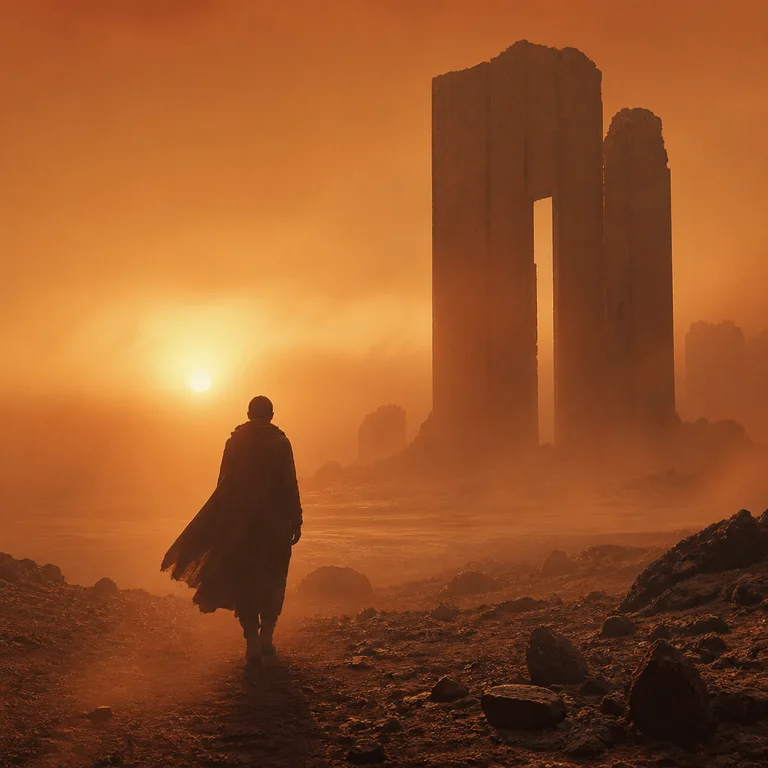
Villeneuve Monolithic Sci-Fi
Denis Villeneuve's science fiction films — Arrival (2016), Blade Runner 2049 (2017), Dune (2021), Dune: Part Two (2024) — have establishe…
Open style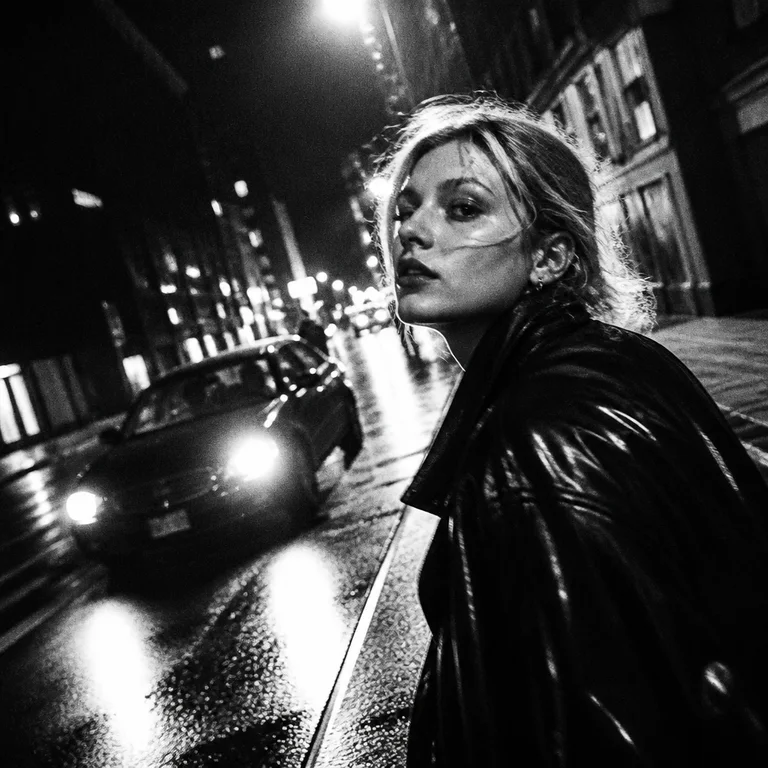
Daido Moriyama High-Contrast B&W
Daido Moriyama's photographs of postwar Tokyo are the most influential street photography to come out of Japan. The visual signature is e…
Open style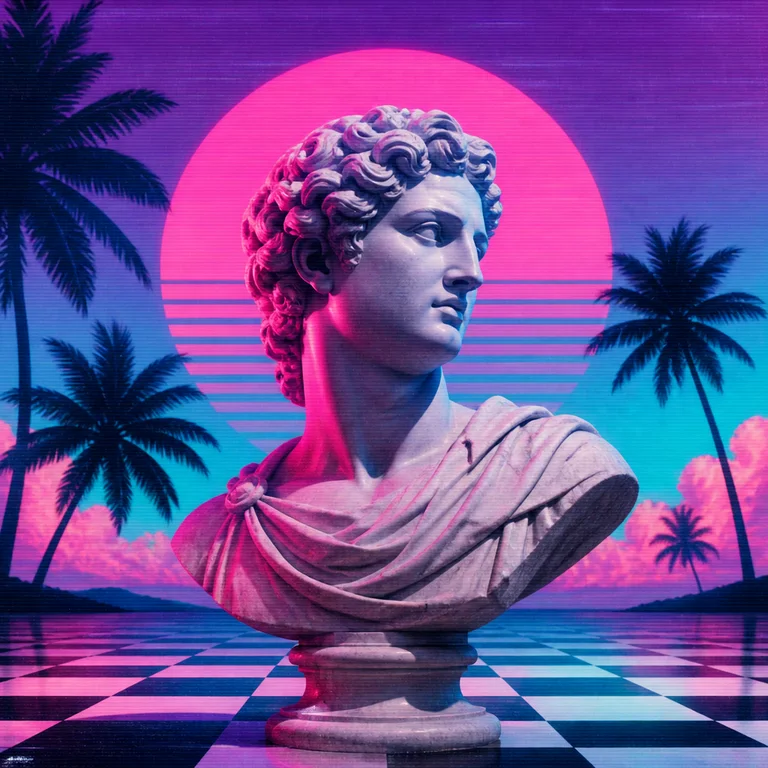
Vaporwave
Vaporwave is the internet-native aesthetic that emerged around 2010–2012 from chopped-and-screwed remixes of 1980s muzak, smooth jazz, an…
Open style