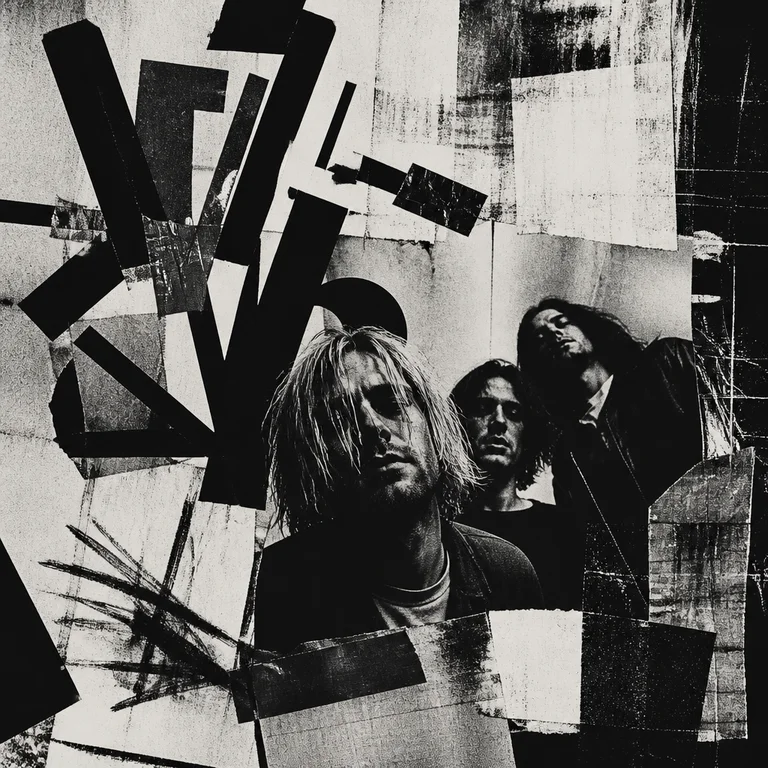
Description
Grunge as a visual style is mostly David Carson's design language for Beach Culture (1990–91) and Ray Gun magazine (1992–95), plus the album-art and music-video aesthetic that surrounded Sub Pop and the Seattle scene — Charles Peterson's flash-blasted concert photographs, the early Mark Romanek and Anton Corbijn videos, and the fashion editorial that followed. It is the deliberate opposite of late-1980s polish. The rules: typography is fractured, overlapped, sometimes set in Zapf Dingbats (Carson's Ray Gun "interview with Bryan Ferry"), and rarely on a baseline grid; photography is high-contrast black-and-white with motion blur, on-camera flash, and visible film grain; backgrounds are scanned textures of stained paper, photocopier toner, masking tape, gaffer-tape labels, magazine cut-up edges; color when it appears is desaturated and limited — washed indigo, faded brick, sepia; layouts are intentionally illegible at first glance, demanding effort. Use it for music industry promotional work, alternative magazine layouts, skate / streetwear branding, zine aesthetics, and any image that should feel anti-corporate. It does not do clean, polished, or optimistic. Models think "grunge" means dirt textures — specify "1990s David Carson Ray Gun layout, fractured typography off the baseline, scanned photocopier and tape textures, high-contrast flash black-and-white photo, intentionally chaotic composition."
Three pioneers
Every style in this catalog names three verifiable pioneers. This is the part of the drop test that takes the longest to write and is the easiest to spot when it's missing.
-
David Carson
American graphic designer, born 1955. Art-directed Beach Culture (1990–91), Ray Gun magazine (1992–95), and Surfer publications. His End of Print (1995) book is the canonical reference for grunge typography.
-
Charles Peterson
American music photographer. House photographer for Sub Pop Records (1986–1992). Shot Nirvana, Soundgarden, Mudhoney, and Pearl Jam in their early-career venue era — his motion-blurred flash B&W is the visual definition of grunge music photography.
-
Neville Brody
British designer. The Face magazine art direction (1981–1986) and Fuse experimental typography journal (1991–) pre-figured and ran alongside Carson's work; his FF Blur and FF Pop typefaces explicitly informed grunge's letterforms.
Contemporary revival
The post-2020 grunge fashion revival (Marc Jacobs Heaven, Hedi Slimane at Celine), Olivia Rodrigo's SOUR / GUTS marketing, and the persistent zine-and-merch aesthetic in indie music
Marc Jacobs Heaven launched as a deliberate 90s-grunge revival line in 2020 and grew to a flagship retail presence on Fairfax. #90sgrunge on TikTok exceeds 1.5B views. Hedi Slimane's Celine campaigns post-2018 explicitly reference Charles Peterson and Corinne Day photography. Olivia Rodrigo's GUTS (2023) album packaging and music videos used grunge-era visual language and debuted at #1 on the Billboard 200. David Carson book reprints and Domestika courses sustain his design-press footprint.
Working prompts
Three prompts we've tested against current FairStack models. Copy and run.
-
1990s David Carson Ray Gun magazine spread, fractured typography off the baseline, overlapping headline text, scanned photocopier and gaffer-tape texture background, high-contrast flash black-and-white photo of grunge band, intentionally illegible composition
-
Charles Peterson style concert photograph, Seattle club 1991, flash-blasted black-and-white, motion blur on guitarist, visible film grain, sweat and feedback, fans crowding stage
-
1990s alternative magazine cover, washed indigo and sepia palette, cut-and-paste zine textures, hand-scrawled headline, photocopier toner overlay, anti-corporate composition
Recommended models
Models from FairStack's catalog that handle this style best. Sorted by price.
Related styles
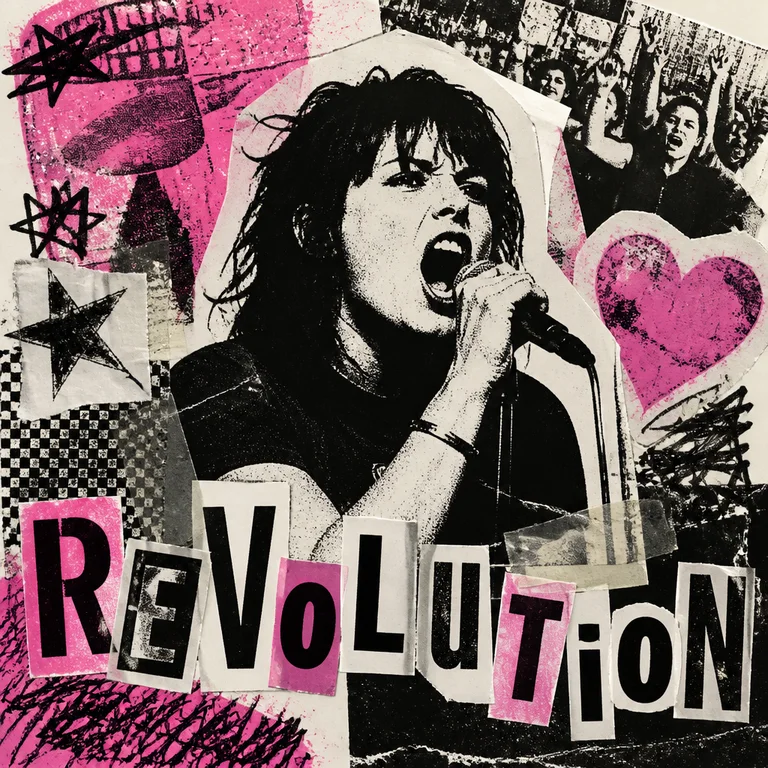
Lo-Fi Zine / Cut-and-Paste
The lo-fi zine aesthetic — photocopied, hand-assembled, deliberately rough printed matter — emerged from the late-1970s punk scene (Sniff…
Open style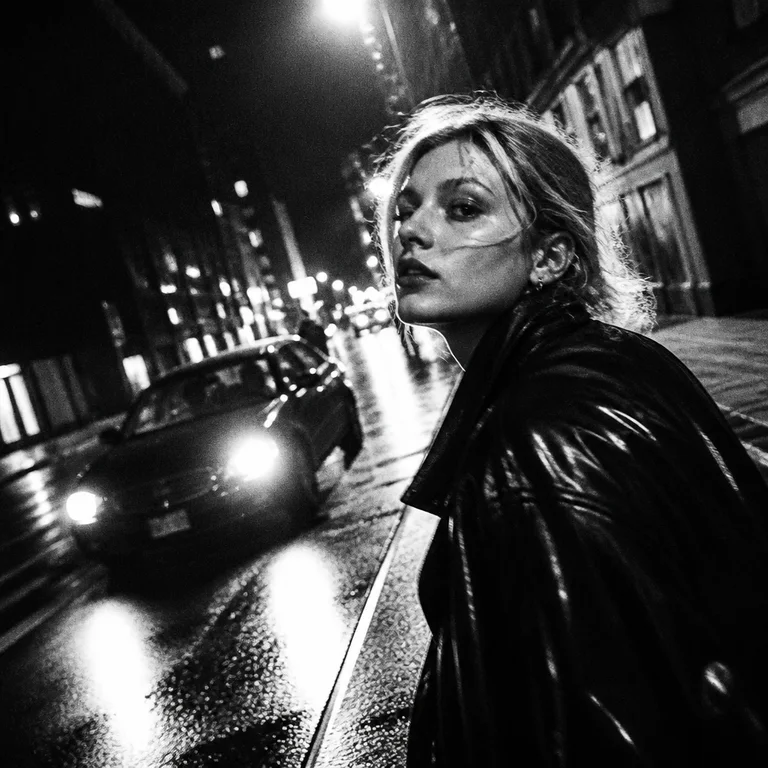
Daido Moriyama High-Contrast B&W
Daido Moriyama's photographs of postwar Tokyo are the most influential street photography to come out of Japan. The visual signature is e…
Open style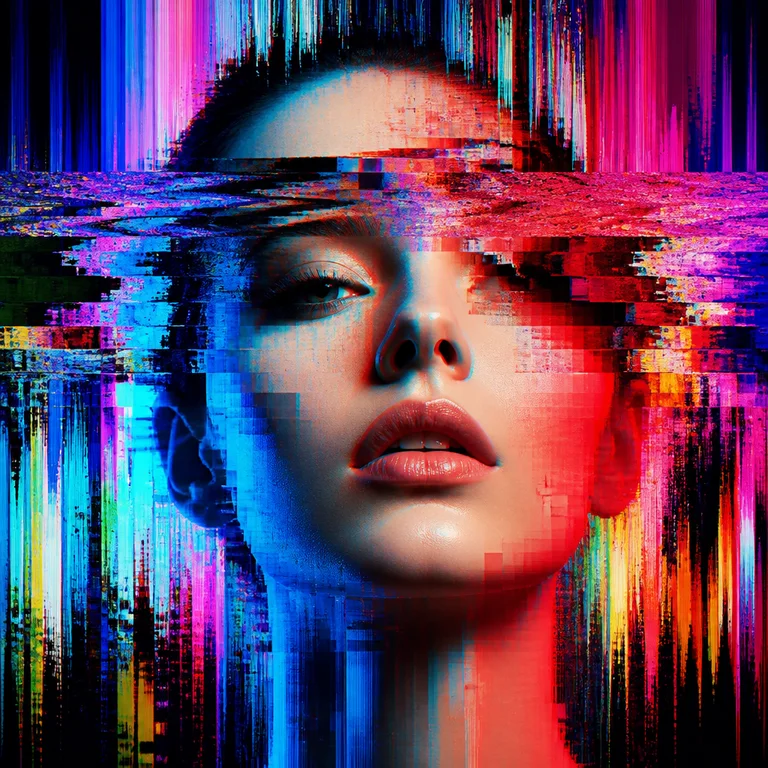
Glitch / Databending
Glitch and databending describe a family of techniques that produce intentional image corruption — usually by editing the binary or compr…
Open style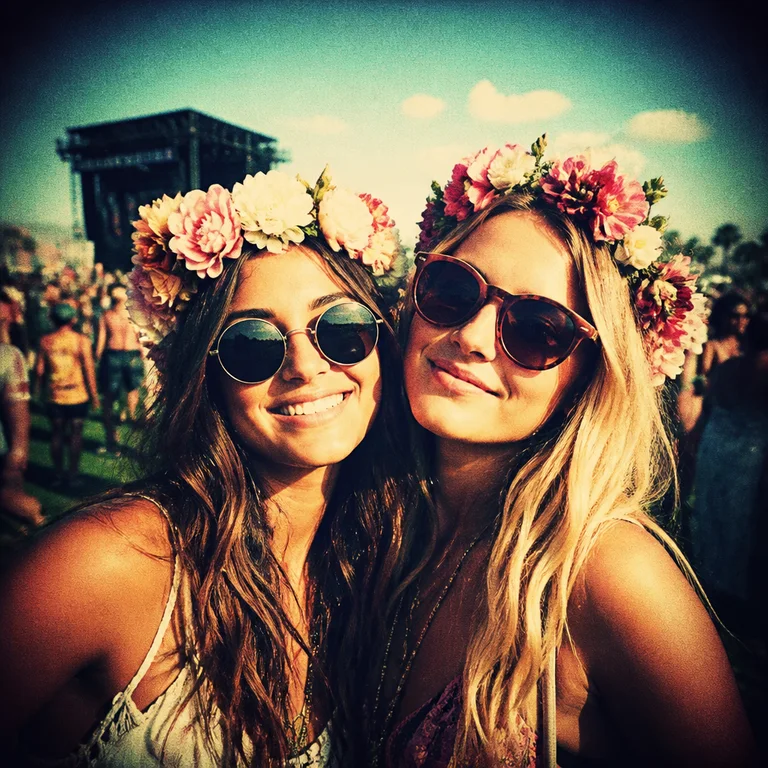
2010s Instagram Filtered
This is a real period look, not a joke. Between Instagram's launch in October 2010 and roughly 2015, hundreds of millions of photographs…
Open style