#illustrative
A cross-section of the catalog tagged illustrative — not a category. Tags pull from multiple categories at once.
Distribution across categories
- Illustration 7
- Comic & Graphic 5
- Print & Poster 4
- Painting 3
- Anime & Manga 3
- 3D / CGI 2
Styles tagged #illustrative
24 styles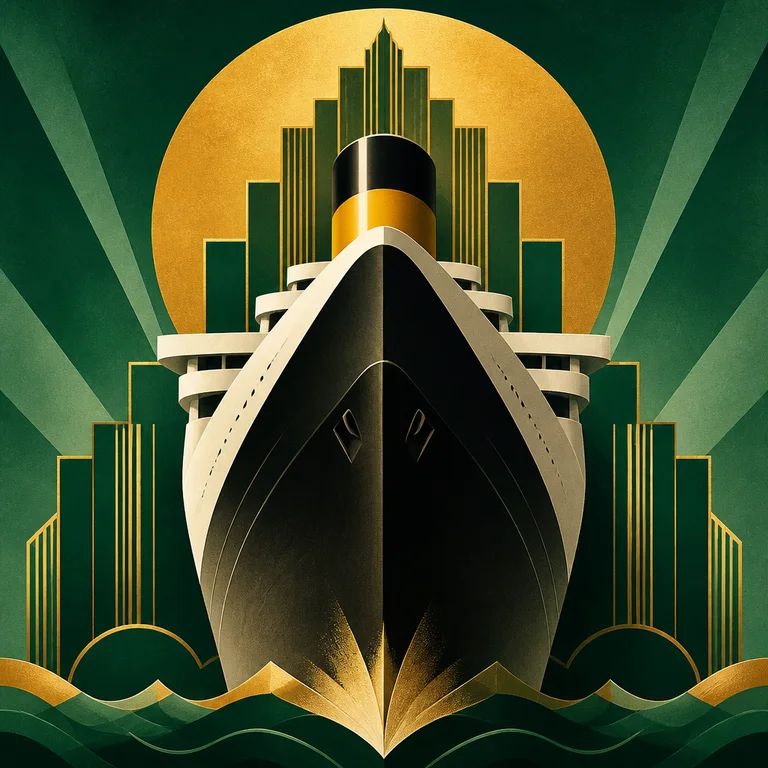
Art Deco Poster
Art Deco poster design — roughly 1910 to 1940, peaking in Paris between the 1925 Exposition Internationale and the early 1930s — has a vi…
Open style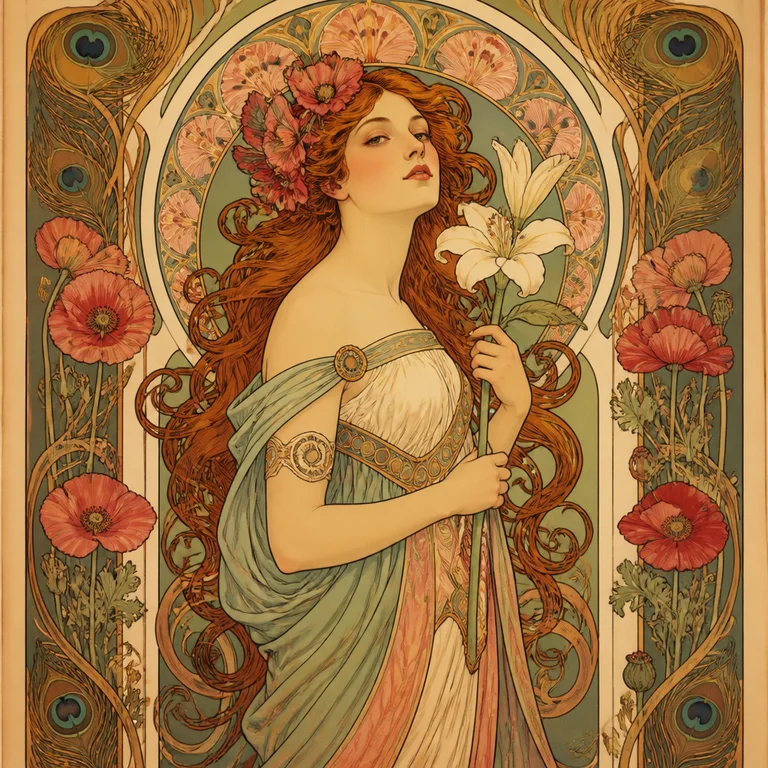
Art Nouveau (Mucha)
Art Nouveau was a decorative-arts movement that swept Europe and the United States between roughly 1890 and 1910. Within visual art, the…
Open style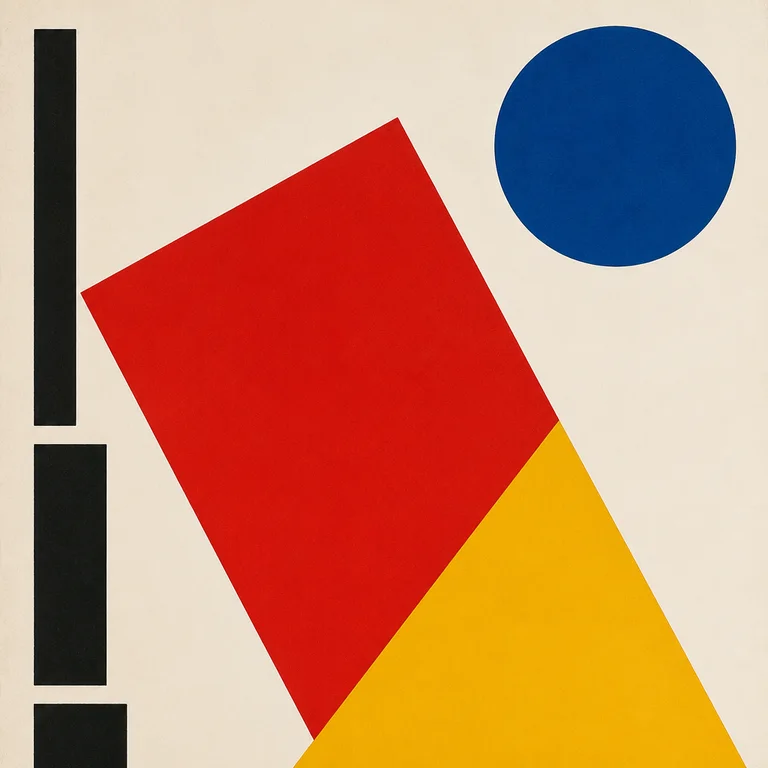
Bauhaus
The Bauhaus school operated for fourteen years (1919–1933) in three German cities before the Nazis shut it down — but the visual grammar…
Open style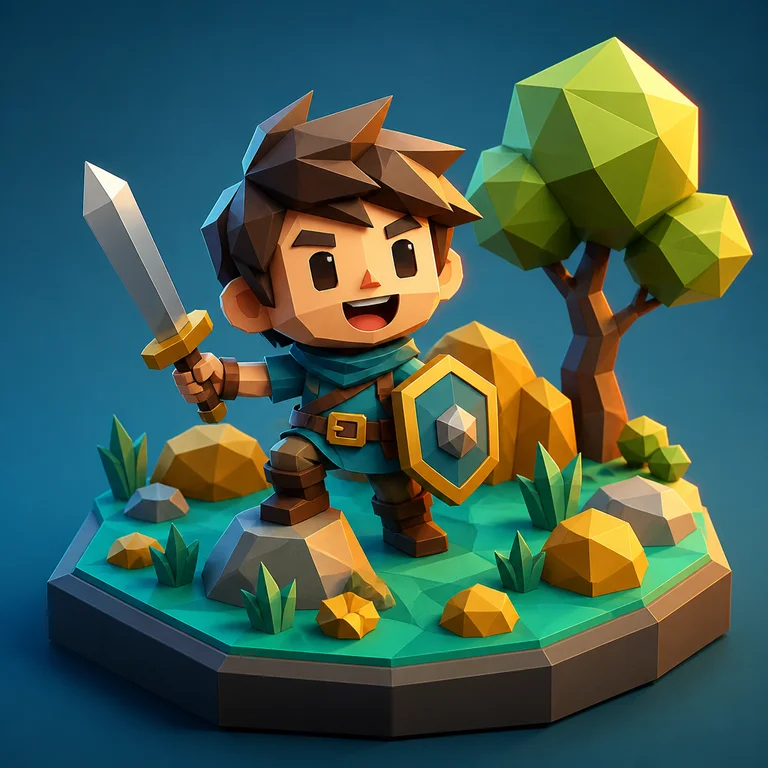
Blender Stylized Low-Poly
"Stylized low-poly" is the open-source-toolchain idiom that emerged around Blender's 2.8 release (2019) and the broader indie-3D culture…
Open style
Chibi / Super-Deformed
Chibi (literally "short" in Japanese) and its near-synonym SD ("super-deformed") describe a stylistic mode where characters from a host a…
Open style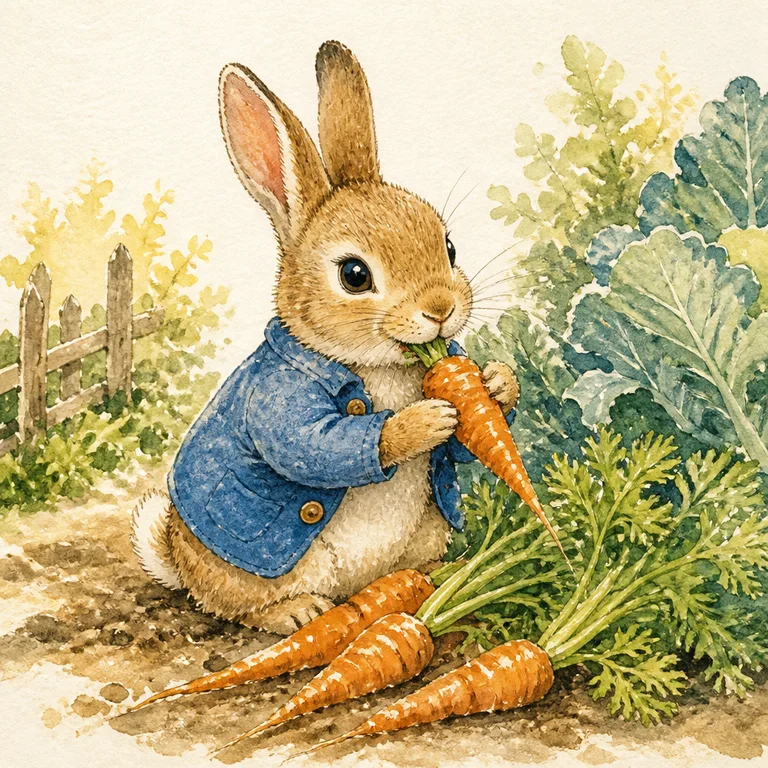
Children's Book Watercolor
"Children's book watercolor" is not one style — it is a continuous tradition stretching from Beatrix Potter's Peter Rabbit (1902) through…
Open style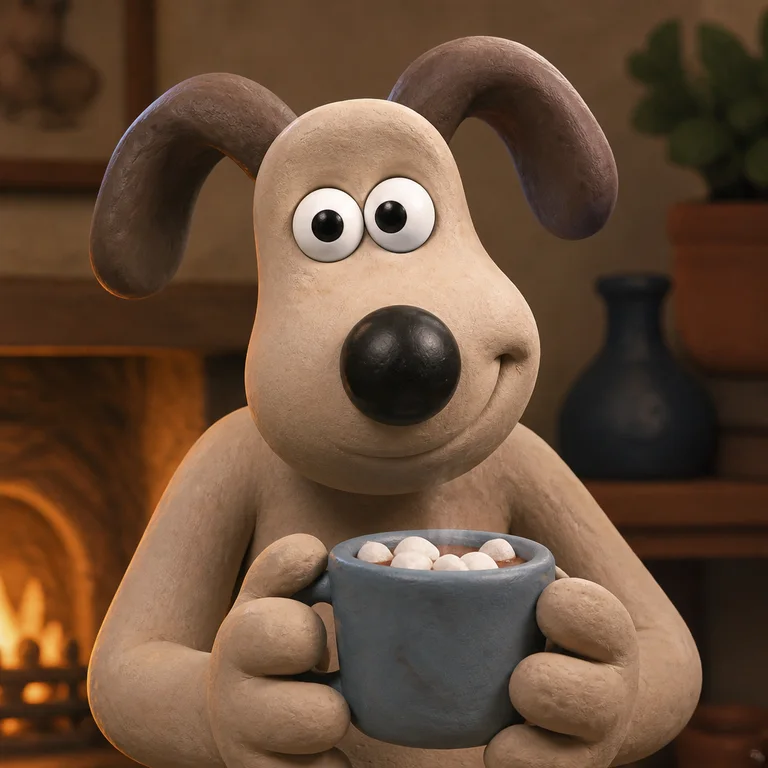
Clay Render / Plasticine
"Clay render" is a 3D rendering technique that mimics the appearance of stop-motion clay animation (Aardman, Laika) but produced entirely…
Open style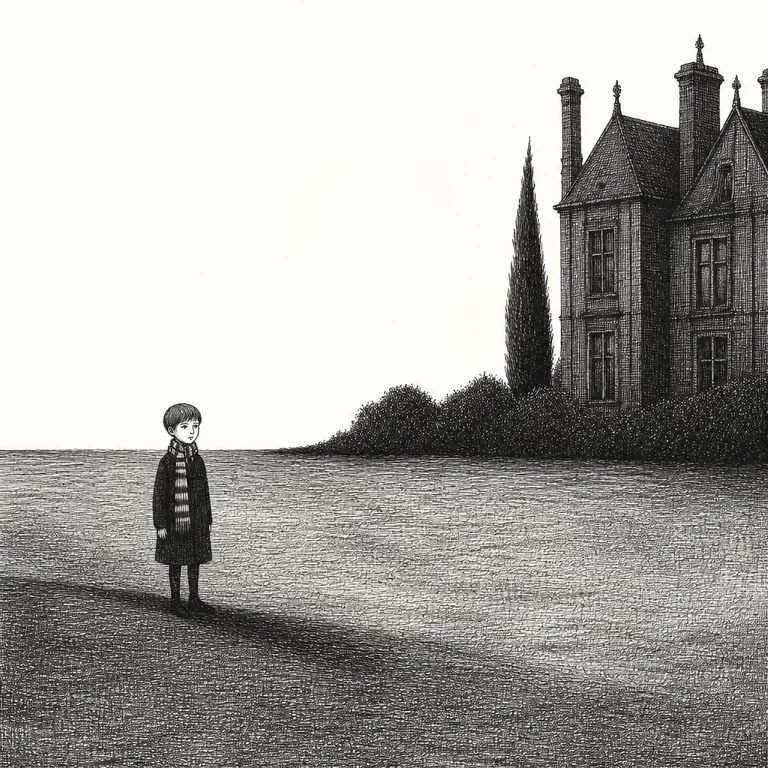
Edward Gorey Crosshatched Gothic
Edward Gorey produced more than 100 small books between 1953 and his death in 2000, each one set in a faintly Edwardian elsewhere and ren…
Open style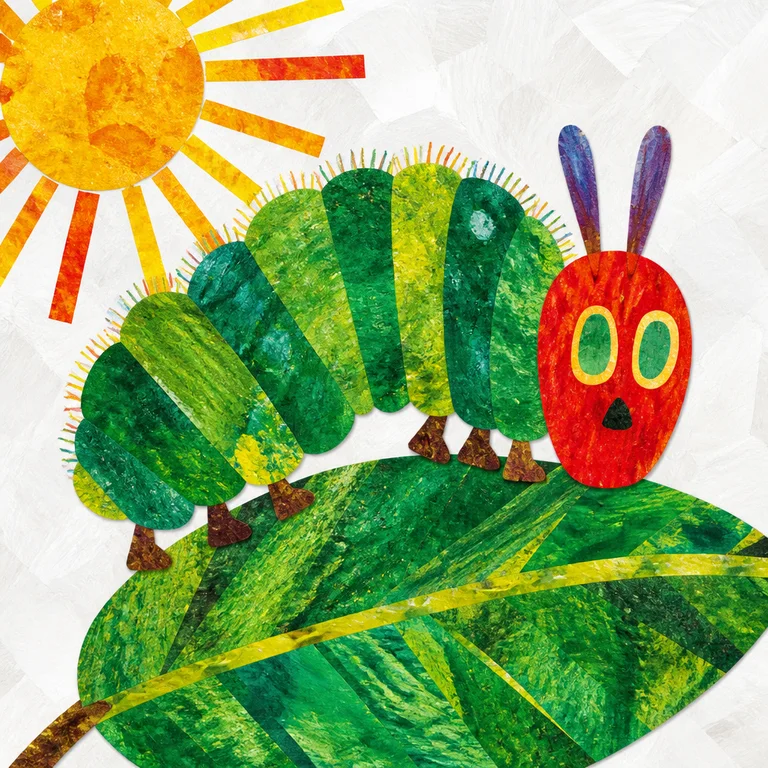
Eric Carle Collage
Eric Carle's method was specific and physical: he painted large sheets of tissue paper by hand with acrylics — splatters, brushwork, fing…
Open style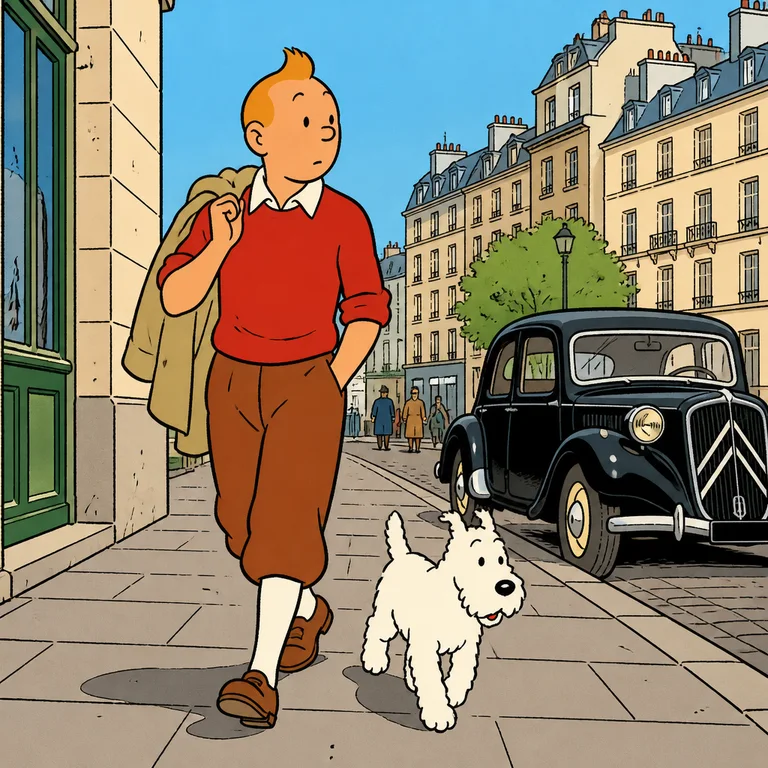
Hergé Ligne Claire
Ligne claire ("clear line") is the Franco-Belgian comic style codified by Hergé in The Adventures of Tintin (1929–1976) and named by Joos…
Open style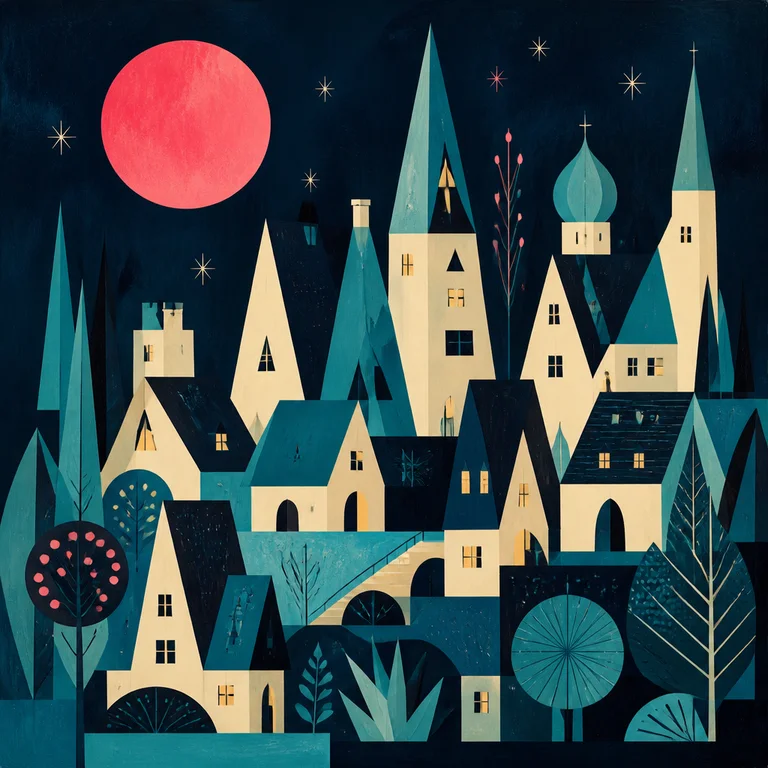
Mary Blair Mid-Century
Mary Blair's concept art for Disney between 1940 and 1965 — Cinderella, Alice in Wonderland, Peter Pan, and the It's a Small World ride —…
Open style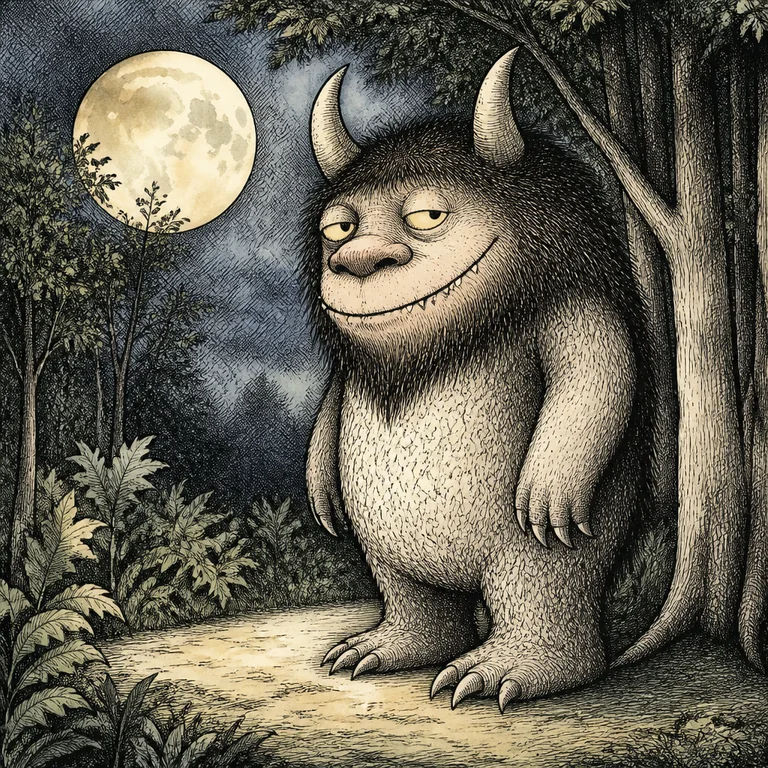
Maurice Sendak Crosshatch
Maurice Sendak's mature style — Where the Wild Things Are (1963), In the Night Kitchen (1970), Outside Over There (1981) — is built on de…
Open style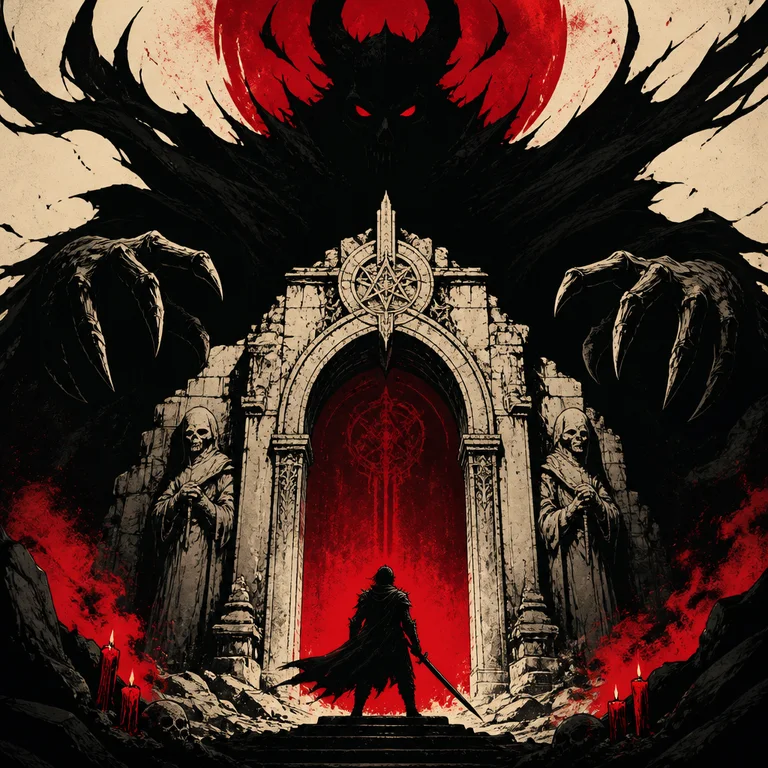
Mike Mignola High-Contrast
Mike Mignola's work on Hellboy (1994–present) and B.P.R.D. defined a recognizable, severely simplified, high-contrast comic-art idiom — a…
Open style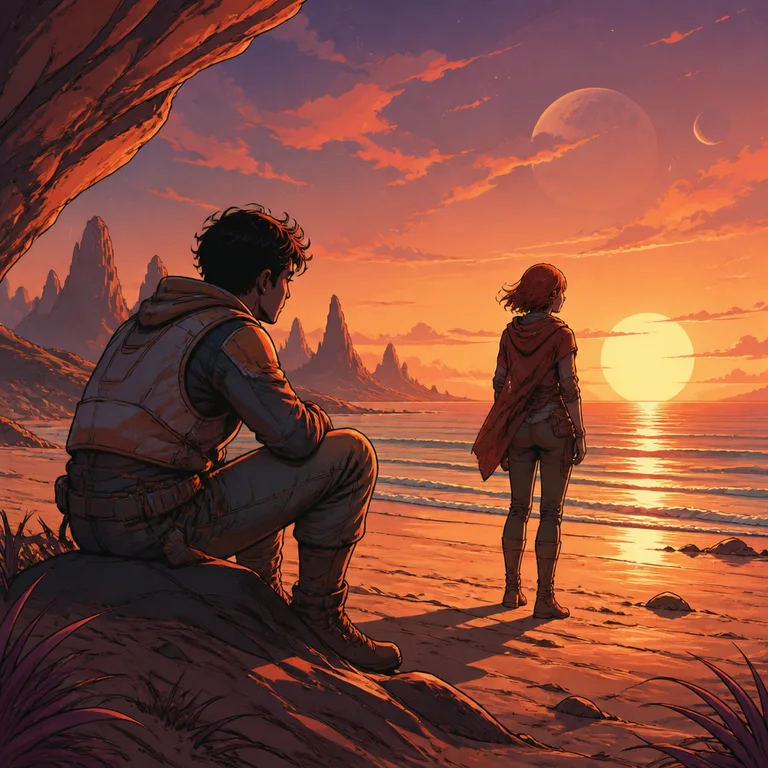
Modern Image / Indie Comic
"Image / indie comic" describes the visual mainstream of American creator-owned comics from roughly 1992 (Image Comics' founding) to the…
Open style
Modern Webtoon
Webtoon is the Korean-originated vertical-scroll digital comic format that has, since roughly 2015, become the dominant comics format glo…
Open style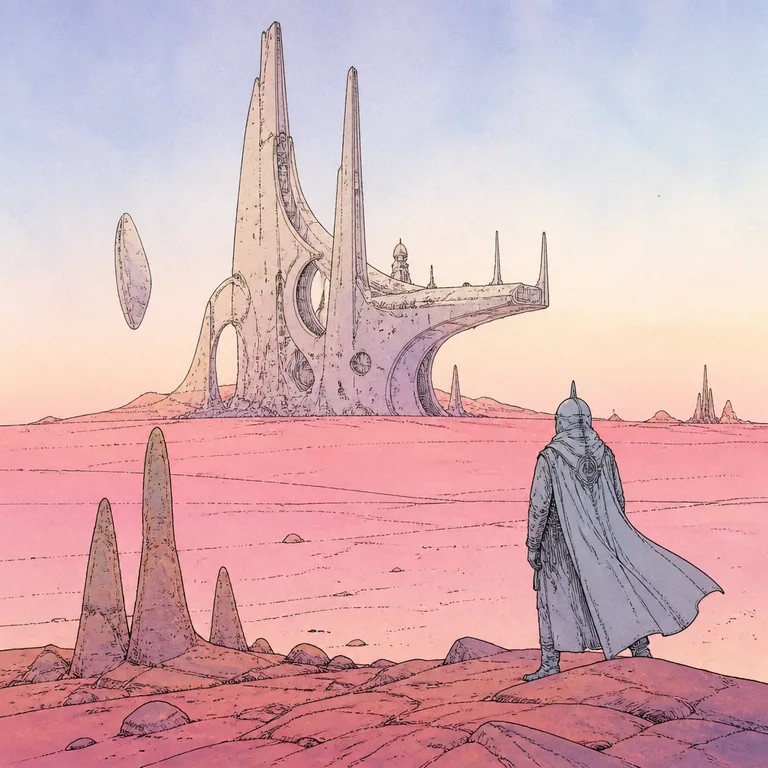
Moebius / European Bande Dessinée
Moebius — Jean Giraud's pseudonym for his Métal Hurlant work from 1974 onward — is the single most influential European comics artist of…
Open style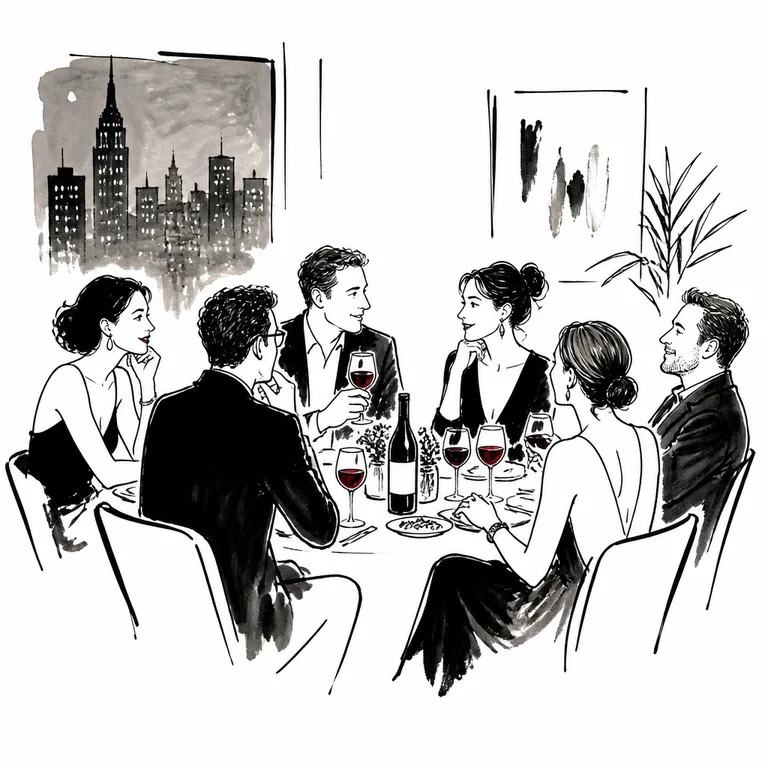
New Yorker Editorial Ink
The New Yorker has run editorial illustration and cartoons in a coherent visual language for nearly a century. The style is not one artis…
Open style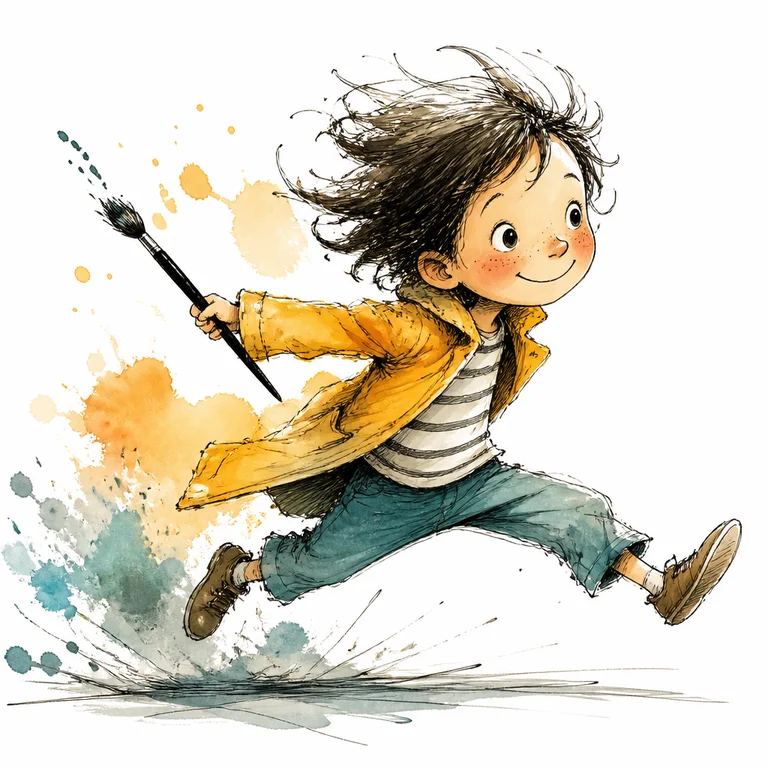
Quentin Blake Loose Line
Quentin Blake's illustrations for Roald Dahl — The BFG, Matilda, The Witches, James and the Giant Peach, Charlie and the Chocolate Factor…
Open style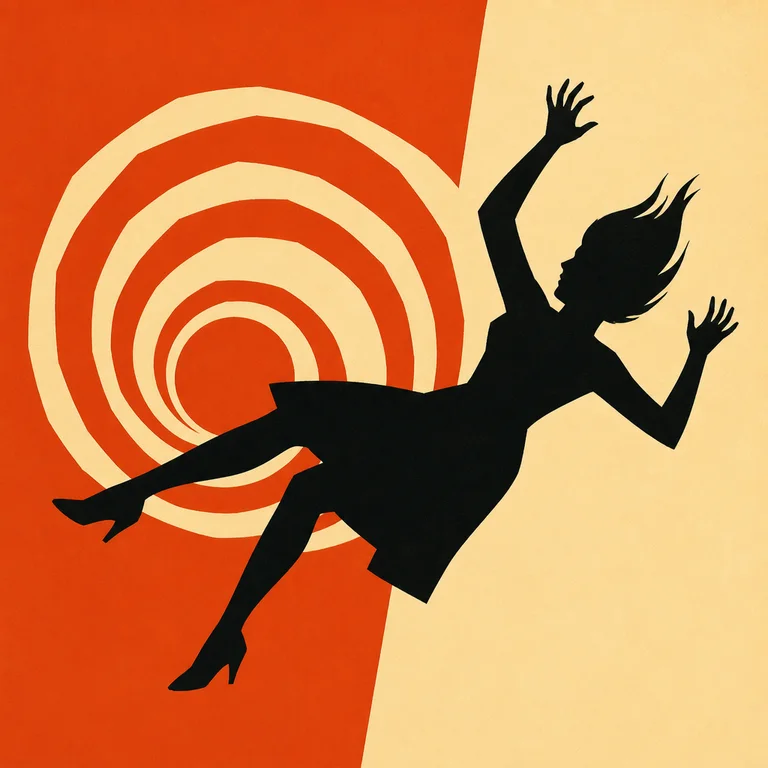
Saul Bass Title Card
Saul Bass (1920–1996) redefined what film title sequences could be — he made them part of the film, not a list of names to skip — and the…
Open style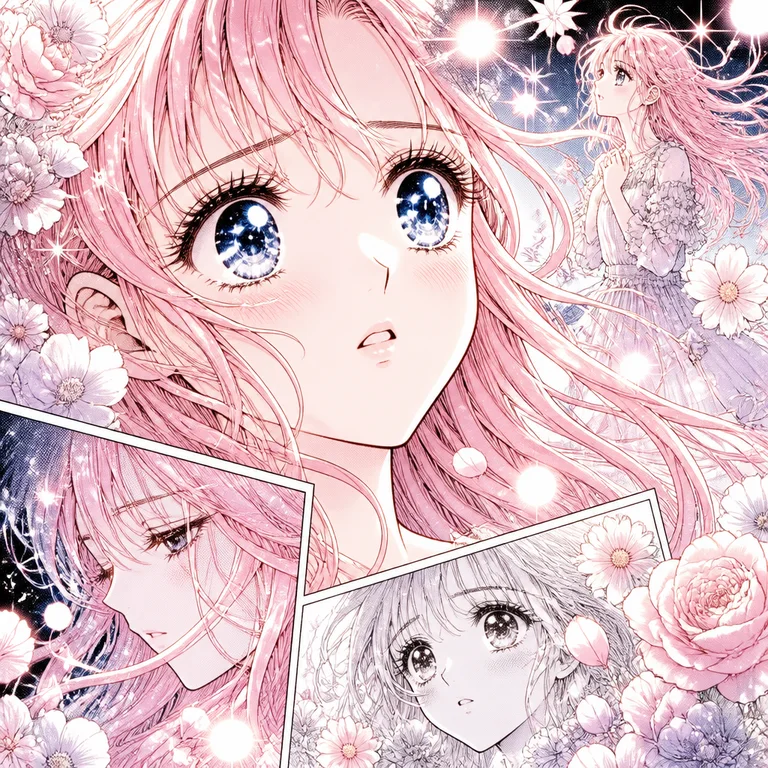
Shōjo Manga
Shōjo ("young woman") manga is the Japanese comics category aimed at teenage girls. The category formed around magazines like Nakayoshi (…
Open style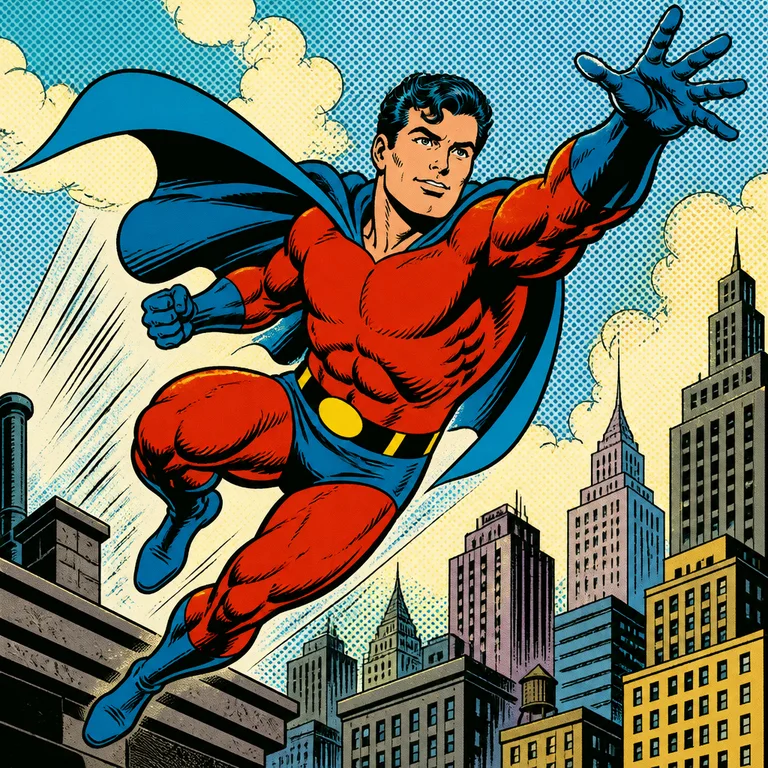
Silver Age Superhero
The Silver Age of American superhero comics runs from roughly 1956 (DC's revival of The Flash in Showcase #4) to about 1970. The visual g…
Open style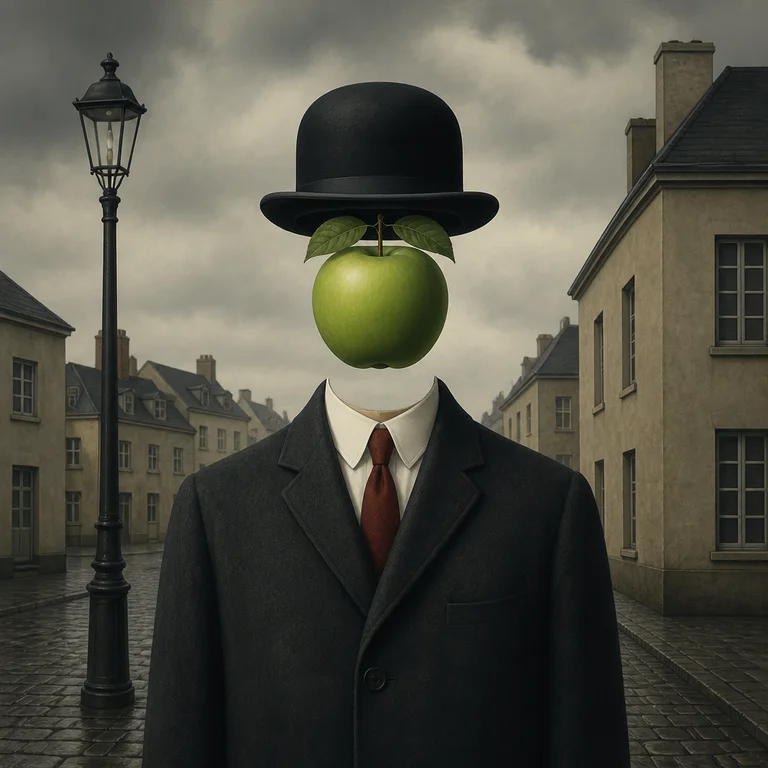
Surrealism (Magritte)
Surrealism, founded by André Breton's 1924 Manifesto, was a literary and visual movement built on Freud's unconscious — automatism, dream…
Open style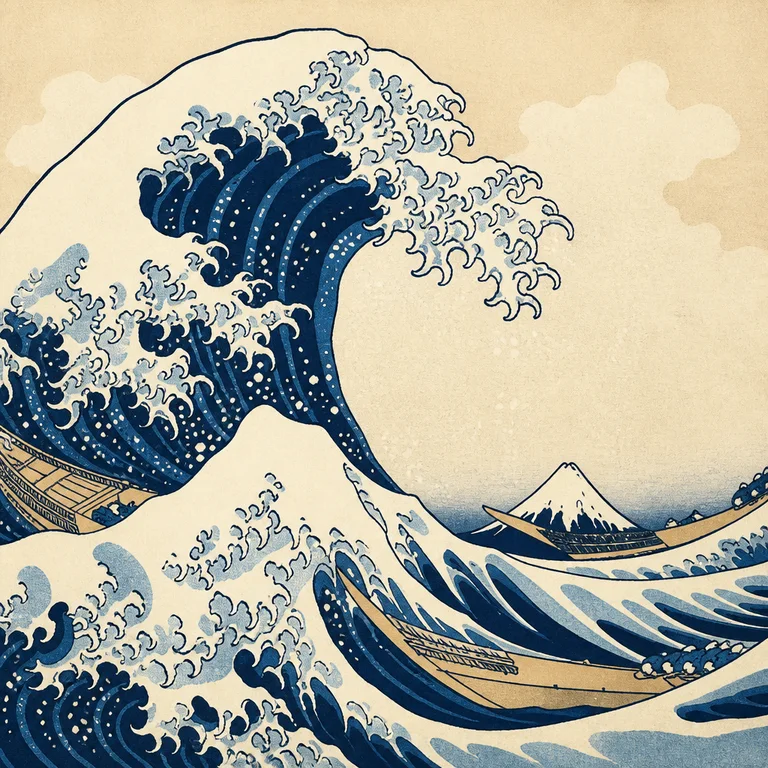
Ukiyo-e Woodblock
Ukiyo-e — "pictures of the floating world" — is the dominant Japanese print tradition from roughly 1660 to 1900. The images were carved i…
Open style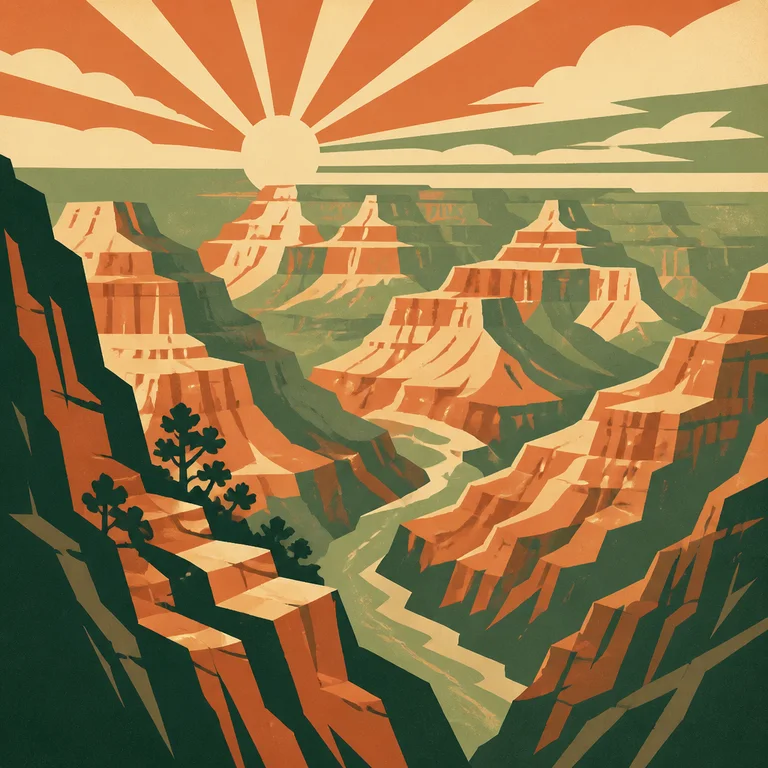
WPA Travel Poster
Between 1936 and 1943 the Works Progress Administration's Federal Art Project produced over 2,000 silkscreened posters to promote nationa…
Open style